In our family, patience is the secret to a dessert that melts perfectly on the tongue. I remember the bright, sharp scent of Mediterranean citrus mingling with sweet, warm syrup on lazy Sunday afternoons, a sensory experience that stays with you forever. This Lemon Poke Cake 2 captures that same magic, marrying a tender crumb with a glorious, tangy soak. The hiss of the warm cake drinking in the freshly squeezed lemon glaze is simply music to a baker’s ears.

While we often spend hours making traditional layered sweets, this beautiful cake offers that genuine, syrup-soaked texture in a fraction of the time. The sponge eagerly drinks up the rich lemon mixture, creating a deeply moist bite that feels incredibly luxurious. You will love how simple it is to bring this vibrant treat to your own table. It is a testament to the fact that authentic texture can be achieved with thoughtful, patient pouring.
The Texture Magic of Lemon Poke Cake 2
There is a profound beauty in a cake that carries moisture in every single crumb. This authentic dessert relies on the beautiful marriage of a tender sponge and a sharp, sweet liquid soak. When you take your first bite, the fork glides through like butter, revealing layers that are saturated but never soggy. It is a genuine textural masterpiece.
The real secret lies in the temperature and the timing. We pour the beautifully whisked lemon glaze over the sponge while it is still warm, allowing the crumb to expand and accept every drop. This method transforms a standard bake into an exquisite, melt-in-your-mouth experience. It is the ultimate testament to the power of a good syrup.
Furthermore, the flavor profile is spectacular. The bright, sharp notes of freshly squeezed lemon cut through the inherent sweetness of the powdered sugar and gelatin. It creates a balanced, uplifting profile that lingers long after the last crumb is gone.
Print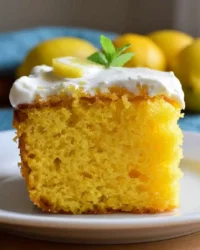
Lemon Poke Cake 2
- Total Time: 45 mins
- Yield: 12 servings
Description
This vibrant Lemon Poke Cake combines the nostalgia of a syrup-soaked sponge with a refreshing Mediterranean citrus twist. By using applesauce and oil, the cake achieves an incredibly tender crumb that perfectly absorbs a bright, tangy lemon glaze for a melt-in-your-mouth experience.
Ingredients
- 1 package Lemon Gelatin
- 1 cup Boiling Water
- 1/2 cup Canola Oil
- 1/2 cup Applesauce
- 4 Large Eggs
- 1 package Yellow Cake Mix
- 2 cups Powdered Sugar
- 1/2 cup Freshly Squeezed Lemon Juice
- Fresh Berries (for garnish)
- Whipped Cream (for serving)
Instructions
- Preheat your oven to 375°F (190°C) and coat a 9×13-inch baking pan with nonstick spray.
- In a heatproof bowl, dissolve the lemon gelatin in boiling water and set it aside to cool to room temperature.
- In a separate medium bowl or stand mixer, beat the canola oil, applesauce, and eggs until well combined and frothy.
- Gently stir the cooled gelatin mixture into the wet ingredients until the liquid is smooth and glossy.
- Add the yellow cake mix on low speed, mixing just until the dry ingredients are incorporated into the batter.
- Pour the batter into the prepared pan and bake for 25 to 30 minutes, or until a toothpick comes out clean.
- While the cake bakes, whisk together the powdered sugar and fresh lemon juice in a medium bowl until the glaze is smooth.
- Once removed from the oven, use a fork to poke holes across the entire surface of the warm cake.
- Slowly pour the lemon glaze over the cake so it can soak into the holes, then allow the cake to cool completely before serving with berries and whipped cream.
Notes
To achieve the best texture, ensure your boiling water has completely dissolved the gelatin crystals before mixing with other ingredients. If the glaze seems too thick to soak in, you can add an extra teaspoon of lemon juice to thin it out. For the cleanest slices, refrigerate the cake for an hour after it has reached room temperature.
- Prep Time: 15 mins
- Cook Time: 30 mins
- Category: Dessert
- Method: Baking
- Cuisine: Mediterranean
The Foundation of Our Vibrant Cake
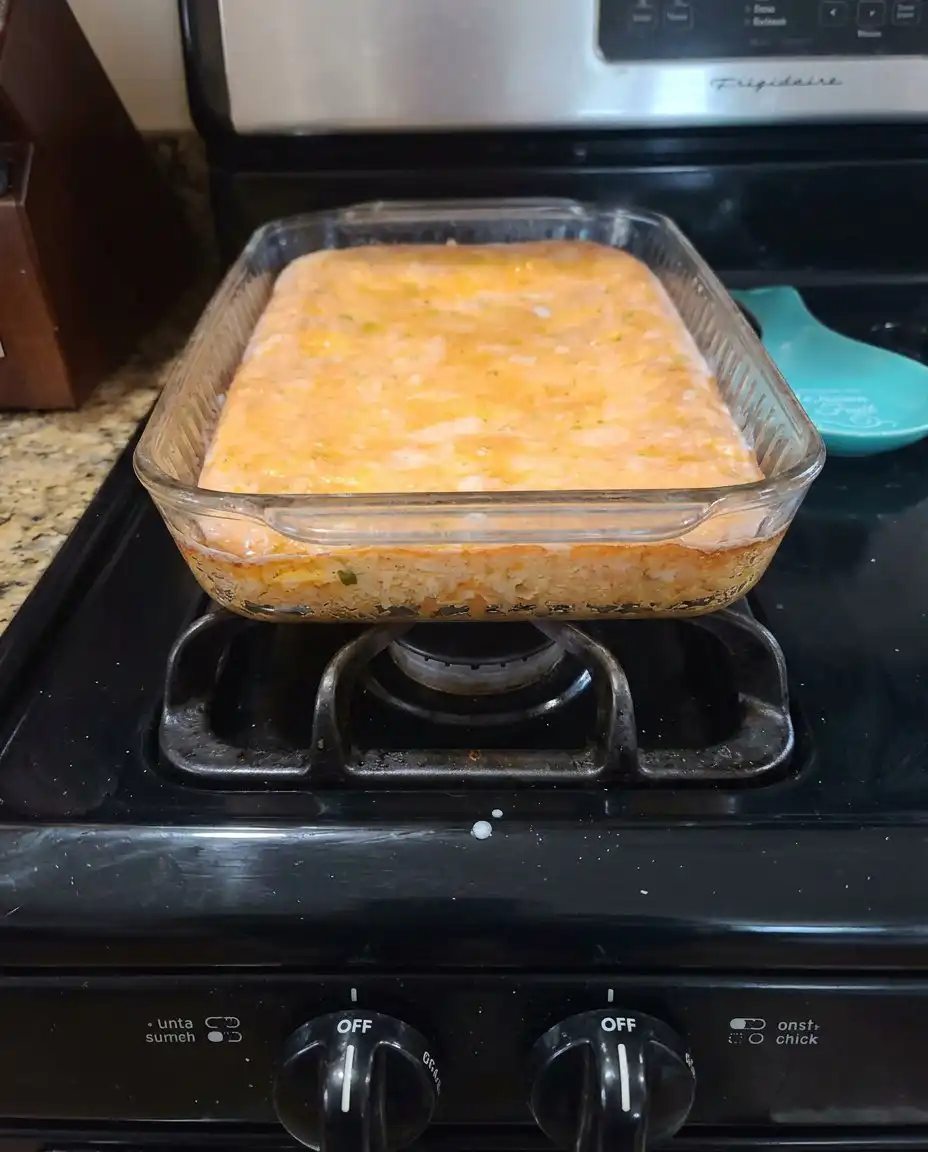
Great texture begins with the right ingredients, treated with respect. Our pantry for this cake blends the convenience of modern baking with the soul of Mediterranean syrup traditions. Each component plays a vital role in achieving that ultimate, saturated crumb.
- Lemon Gelatin & Boiling Water: This creates a vibrant, slightly viscous base that holds moisture beautifully within the baked layers.
- Canola Oil & Applesauce: Replacing traditional butter with oil and applesauce guarantees an impossibly moist foundation that stays tender for days.
- Eggs: Four large eggs provide the necessary structure to support the heavy, luxurious soak without collapsing.
- Yellow Cake Mix: A wonderful shortcut that, when combined with our wet ingredients, mimics the fine crumb of a traditional semolina sponge.
- Powdered Sugar & Fresh Lemon Juice: The heart of our glaze. Freshly squeezed juice is non-negotiable here for that genuine, sharp Mediterranean brightness.
- Fresh Berries & Whipped Cream: The perfect textural contrast for serving, offering a light, airy finish against the dense, wet cake.
The Soaking Process: Step by Step
Step 1: Prepare the Oven and Pan
Place a rack in the center of your oven and preheat the oven to 375 degrees Fahrenheit (190 degrees Celsius). Coat a 9×13-inch baking pan with a high-quality nonstick spray. This generous coating prevents our beautiful, sticky cake from gripping the edges.
Step 2: Dissolve the Gelatin
In a large, heatproof measuring cup or bowl, pour your boiling water over the lemon gelatin. Stir patiently until every crystal completely disappears into the hot water. Allow this vibrant mixture to cool slightly to room temperature so it does not scramble our eggs later.
Step 3: Mix the Wet Ingredients
In a medium mixing bowl, or the bowl of a stand mixer fitted with a paddle attachment, beat together the oil, applesauce, and eggs. Mix them until completely combined and slightly frothy. Then, gently beat in the cooled gelatin mixture until the liquid is uniform and glossy.
Step 4: Fold in the Cake Mix
Reduce your mixer speed to low, or switch to a gentle hand whisk. Slowly add the yellow cake mix into your wet ingredients. Stop mixing the very second the dry ingredients disappear into the batter, as overmixing will ruin our perfectly tender crumb.
Step 5: Bake to Golden Perfection
Pour the batter into your prepared pan, smoothing the top with a spatula. Bake for 25 to 30 minutes. You will know it is ready when the top springs back lightly when touched, and a toothpick inserted in the center emerges clean with just a few moist crumbs clinging to it.
Step 6: Whisk the Glaze
While the cake is baking, prepare your syrup. In a medium bowl, whisk together the powdered sugar and freshly squeezed lemon juice. Stir until the mixture is completely smooth, glossy, and free of any sugar lumps.
Step 7: Poke and Pour
While the cake is still quite warm from the oven, use the tines of a fork to poke holes all over the top surface. Pour your lemon glaze slowly and evenly over the top, watching it drip down into the holes. Let the cake cool to room temperature, allowing it to soak and melt together. Serve warm or cold with fresh berries and a dollop of whipped cream.
Mehmet’s Secrets for Texture Mastery
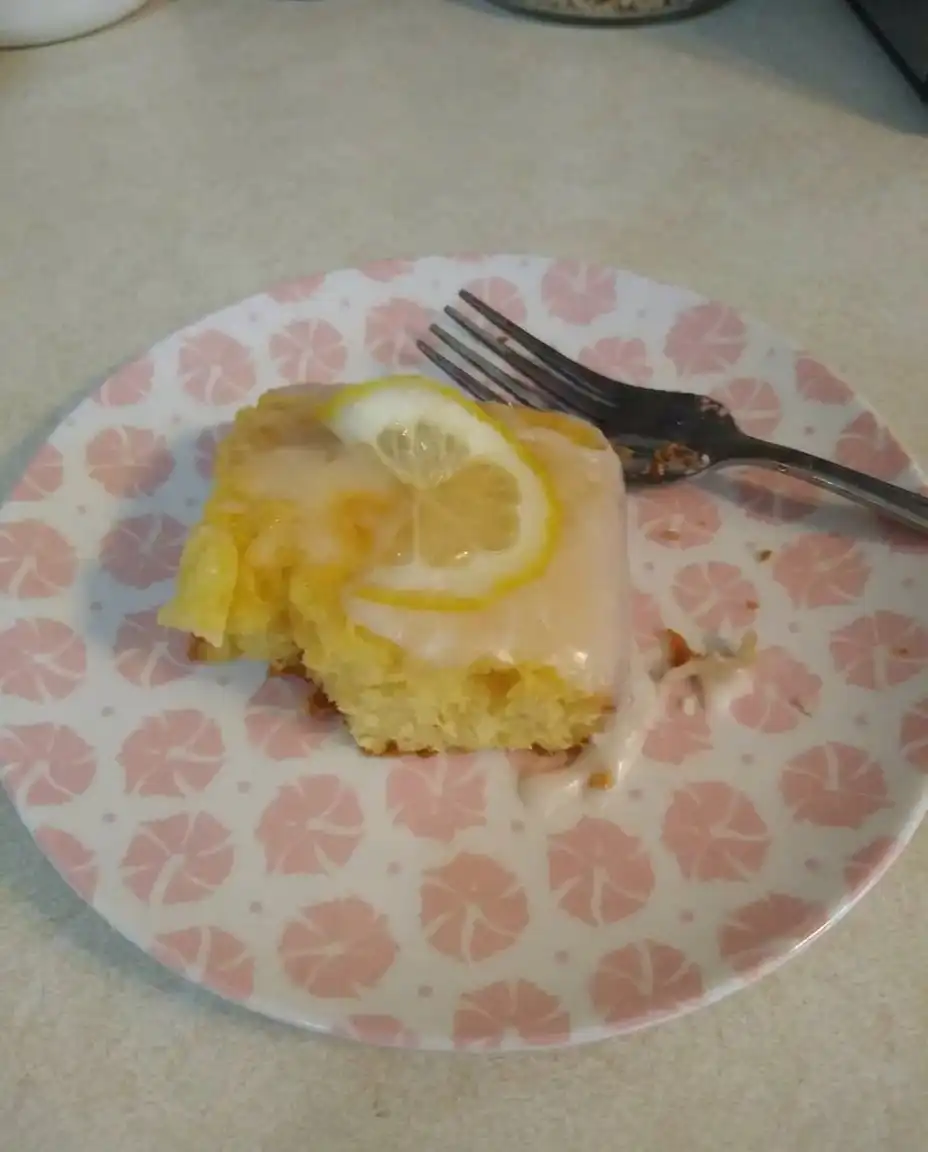
In Mediterranean baking, the soak is where the true magic happens. You must always pay close attention to the temperature of your components. If you appreciate a beautifully saturated crumb, similar to what we do in our lemon drizzle cake, you must pour the glaze while the sponge is still quite warm. The heat opens the pores of the sponge, drawing the sweet liquid deep into the center.
Do not rush the resting period. The cake needs time to drink the syrup fully; cutting it too soon will result in a puddle on your plate rather than a perfectly moist slice. For an alternative take on this wonderful style of dessert, you can read about another lemon poke cake method that also champions a good soak. Always use freshly squeezed lemon juice, as bottled juice carries a metallic bitterness that ruins the delicate balance of our genuine glaze.
Mediterranean Flavor Twists
While this vivid lemon version is a true treasure, the poking and soaking technique adapts beautifully to other profiles. You can swap the lemon gelatin for a vibrant orange base, adding a delicate splash of orange blossom water to the glaze for an incredibly aromatic, Levantine twist. The subtle floral notes pair spectacularly with the dense, wet sponge, creating a truly memorable sensory experience.
Once you master this precise pouring technique, you might want to try other textures. You could easily take inspiration from a banana pudding poke cake, using a rich, velvety custard instead of a thin, sharp syrup. Alternatively, scatter finely crushed pistachios or toasted pine nuts over the wet glaze before it fully sets. This simple addition introduces that essential, earthy crunch we cherish in traditional Middle Eastern sweets.
At the Table: Serving Traditions
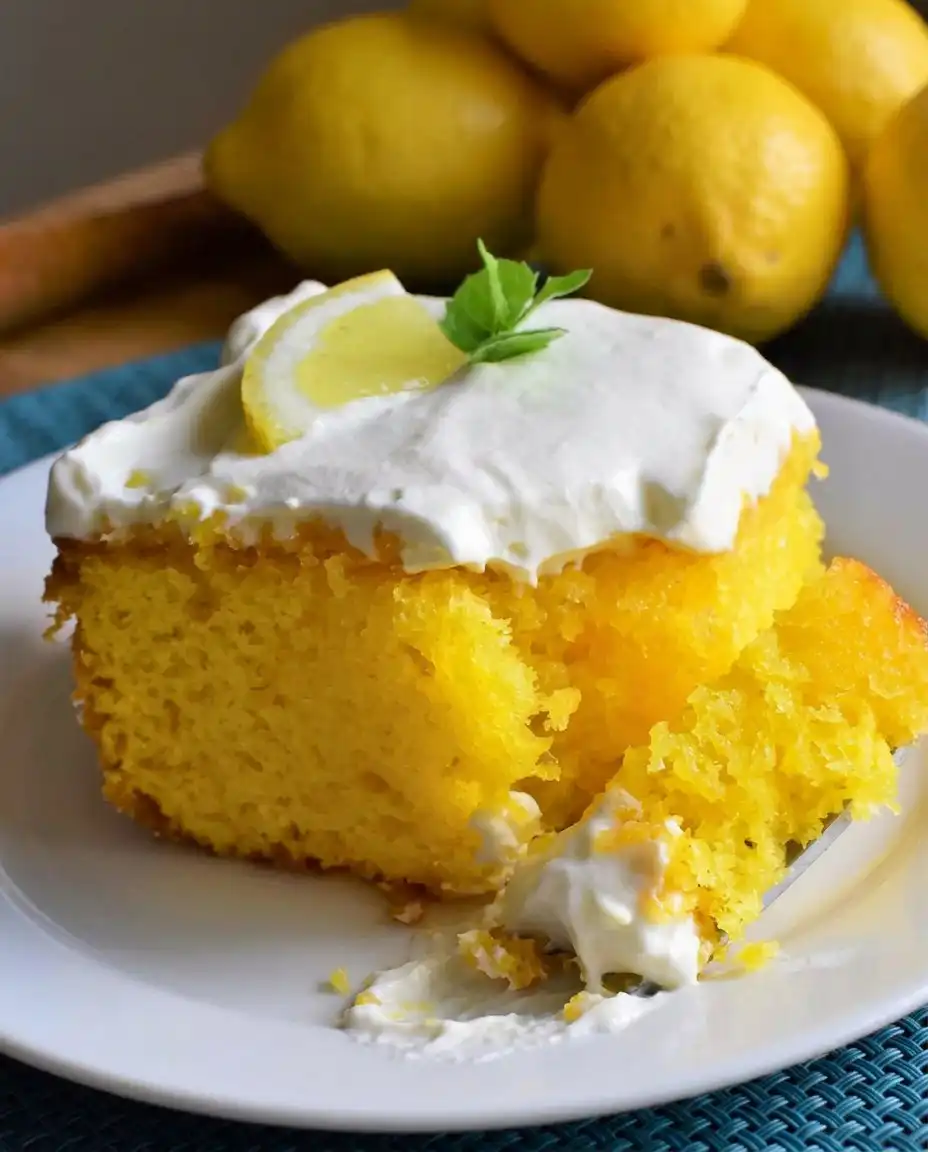
We believe that a dessert this magnificent deserves to be presented with love and care. Serve this beautiful creation on a wide platter, allowing the glossy, saturated surface to catch the light. It is traditional to offer something creamy alongside a sharp citrus sweet, so a generous dollop of unsweetened whipped cream is highly recommended.
This vibrant treat is spectacular when enjoyed in the late afternoon. Serve it alongside small cups of strong, dark coffee, much like you would present a slice of rich lemon cheesecake. The bitterness of the coffee cuts beautifully through the sweet, luxurious lemon glaze, creating a perfectly balanced sensory experience.
The Sweet Truth of Syrup and Citrus
Mastering this dessert is a beautiful lesson in patience and the pure joy of a well-soaked sponge. Watching the warm crumb drink up the bright, sharp glaze is one of the most rewarding moments a baker can experience. If this bright citrus treat brings joy to your afternoon, you will be equally delighted by our gorgeous lemon rainbow cake, which carries its own unique charm.
Baking is ultimately about sharing warmth and tradition with those you love. We cherish seeing how these recipes come to life in your own kitchens. Please share your beautifully saturated creations with us on Instagram, pin your favorite slices on Pinterest, or join our devoted baking community on Facebook. Keep pouring, keep soaking, and always bake with gratitude.