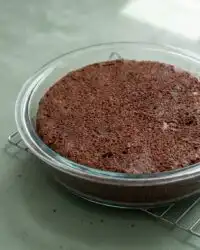
During my early training in the heart of London’s pastry scene, I became obsessed with the structural potential of aerated sponges. This Strawberry Heaven recipe represents a culmination of that technical curiosity, where we use the skeletal strength of an angel food cake to anchor layers of viscous fruit and dense cream. Achieving this balance is a lesson in moisture management, proving that even the most ethereal-looking desserts require a solid architectural plan to succeed.

The secret to this dish lies in the contrast between the sponge’s open crumb and the tight, velvet-like emulsion of the cream cheese topping. By meticulously timing the cooling of the strawberry glaze, we prevent the cake from becoming waterlogged, maintaining a textural integrity that melts away precisely upon the palate. It is a dessert that looks effortless but relies on the discipline of temperature and timing.
Structure Meets Texture in Strawberry Heaven
Most summer desserts suffer from a lack of structural definition, often collapsing into a messy heap of cream and fruit. This Strawberry Heaven construction is different because it respects the physics of the ingredients. The angel food cake acts as a series of microscopic scaffolds that hold the weight of the strawberries without losing its springy character. It is a victory of structural engineering applied to the kitchen, offering a mouthfeel that is simultaneously firm and fleeting.
Technically, this dish excels because it manages the water activity of the fruit. By locking the strawberry juices within a starch-thickened glaze, we prevent the moisture from migrating into the cream layer, which would otherwise lead to a greasy separation. This allows for a clean, sharp bite every time. You will appreciate the methodical approach to layering, as it guarantees that each forkful contains the exact ratio of acidity, sweetness, and fat needed for a superior tasting experience.
Furthermore, the use of a chilled glaze provides a cooling sensation that contrasts with the room-temperature cake pieces. This thermal variation is a hallmark of high-end pastry work, and here it is achieved with accessible components. The result is a dessert that feels professional, polished, and perfectly balanced. It is not just a cake; it is a calculated arrangement of textures designed to satisfy the most demanding dessert enthusiasts.
Print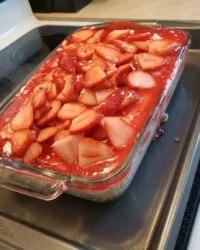
Strawberry Heaven
- Total Time: 3 hours 35 mins
- Yield: 12 servings
- Diet: Vegetarian
Description
A meticulously structured dessert featuring light angel food cake, a silky cream cheese emulsion, and a vibrant strawberry glaze. This layered masterpiece balances precise temperature control with rich textures for a professional-grade summer treat.
Ingredients
- 1 quart fresh strawberries, hulled and sliced
- 1 (10-inch) angel food cake
- 8 ounces cream cheese, softened to room temperature
- 16 ounces stabilized whipped topping, divided
- 1 cup granulated sugar, divided
- 1 package strawberry Jell-O
- 3 tablespoons cornstarch
- 1 tablespoon lemon juice
- 1 cup water
- 1 teaspoon vanilla extract
Instructions
- In a heavy-bottomed saucepan, whisk together 1/2 cup of sugar, cornstarch, strawberry Jell-O, lemon juice, and water while cold.
- Place the pan over medium heat and stir constantly until the mixture boils and reaches a translucent, thick consistency, then remove from heat and cool to approximately 90°F.
- Gently fold the sliced strawberries into the cooled glaze until every piece is thoroughly encapsulated.
- Tear the angel food cake into 1-inch cubes and toss them with 2 cups of the whipped topping, then press the mixture into the bottom of a 9×13 inch glass baking dish.
- In a separate bowl, beat the softened cream cheese with the remaining 1/2 cup of sugar and vanilla extract until smooth, then fold in the remaining whipped topping.
- Spread the cream mixture evenly over the cake base and pour the strawberry-glaze mixture over the top, leveling with a spatula.
- Refrigerate the dish for at least 2 to 3 hours to allow the gelatin and starch to fully set the structure.
Notes
For the cleanest presentation, use a sharp knife and wipe the blade with a warm, damp cloth between each slice. Ensuring your cream cheese is truly at room temperature is the most critical step for achieving a smooth, professional emulsion. If the glaze begins to set too quickly before you add the berries, a very brief whisking can help restore its fluidity.
- Prep Time: 25 mins
- Cook Time: 10 mins
- Category: Dessert
- Method: Layering
- Cuisine: American
The Technical Foundation
Success in the pastry arts begins with an understanding of your raw materials and how they interact under specific conditions. For this Strawberry Heaven, every component plays a role in the final structural outcome. We must prioritize quality and temperature to maintain the desired emulsion and consistency.
- Angel Food Cake: This is our structural base. The high egg-white content provides a high-protein sponge that is resistant to compression. I recommend using a firm cake that has been allowed to fully set, as it must withstand the weight of the toppings.
- Fresh Strawberries (1 quart): Choose berries that are firm and deeply colored. The pectin levels in fresh fruit help the glaze set more effectively than frozen alternatives, which can release too much water.
- Cream Cheese (8 ounces): It must be softened to exactly room temperature (about 68°F or 20°C). Cold cream cheese will result in lumps, disrupting the silky texture of the middle layer.
- Cool Whip (16 ounces): This stabilized whipped topping provides the necessary aeration without the risk of weeping that often accompanies fresh whipped cream in a layered setting.
- Strawberry Jell-O and Cornstarch: These are our thickening agents. The gelatin in the Jell-O provides a clean snap, while the cornstarch offers a smooth, viscous body to the glaze.
- Lemon Juice (1 tablespoon): The acidity not only brightens the flavor but also helps to regulate the set of the starch, preventing it from becoming rubbery.
- Granulated Sugar (1 cup): Divided to manage the osmotic pressure in the strawberries and to stabilize the cream cheese mixture.
The Method
Step 1: Execute the Glaze Architecture
In a heavy-bottomed saucepan, combine 1/2 cup of sugar, the cornstarch, strawberry Jell-O, lemon juice, and water. Whisk these together while cold to prevent the starch granules from clumping. Place the pan over medium heat and stir constantly. This movement is vital to distribute heat evenly, allowing the cornstarch to gelatinize at approximately 203°F (95°C). Once the mixture boils and achieves a translucent, thick consistency, remove it from the heat. Allow it to cool until it is just warm to the touch but still fluid.
Step 2: Prepare the Fruit Suspension
Wash, hull, and slice your strawberries into uniform 1/4-inch pieces. Once the glaze has cooled sufficiently—avoiding the point where it sets completely—gently fold the berries into the liquid. This ensures every slice is encapsulated in the glaze, which acts as a barrier to prevent the fruit from leaking its juices into the lower layers of the cake.
Step 3: Construct the Aerated Base
Tear the angel food cake into 1-inch (2.5 cm) cubes. This manual tearing creates a larger surface area than clean cutting, which allows for better adhesion between the cake and the cream. In a large bowl, toss the cake pieces with 2 cups of the whipped topping until lightly coated. Press this mixture into the bottom of a 9×13 inch glass baking dish. The glass allows you to monitor the layers and ensures the base is evenly distributed to support the coming weight.
Step 4: Emulsify the Cream Layer
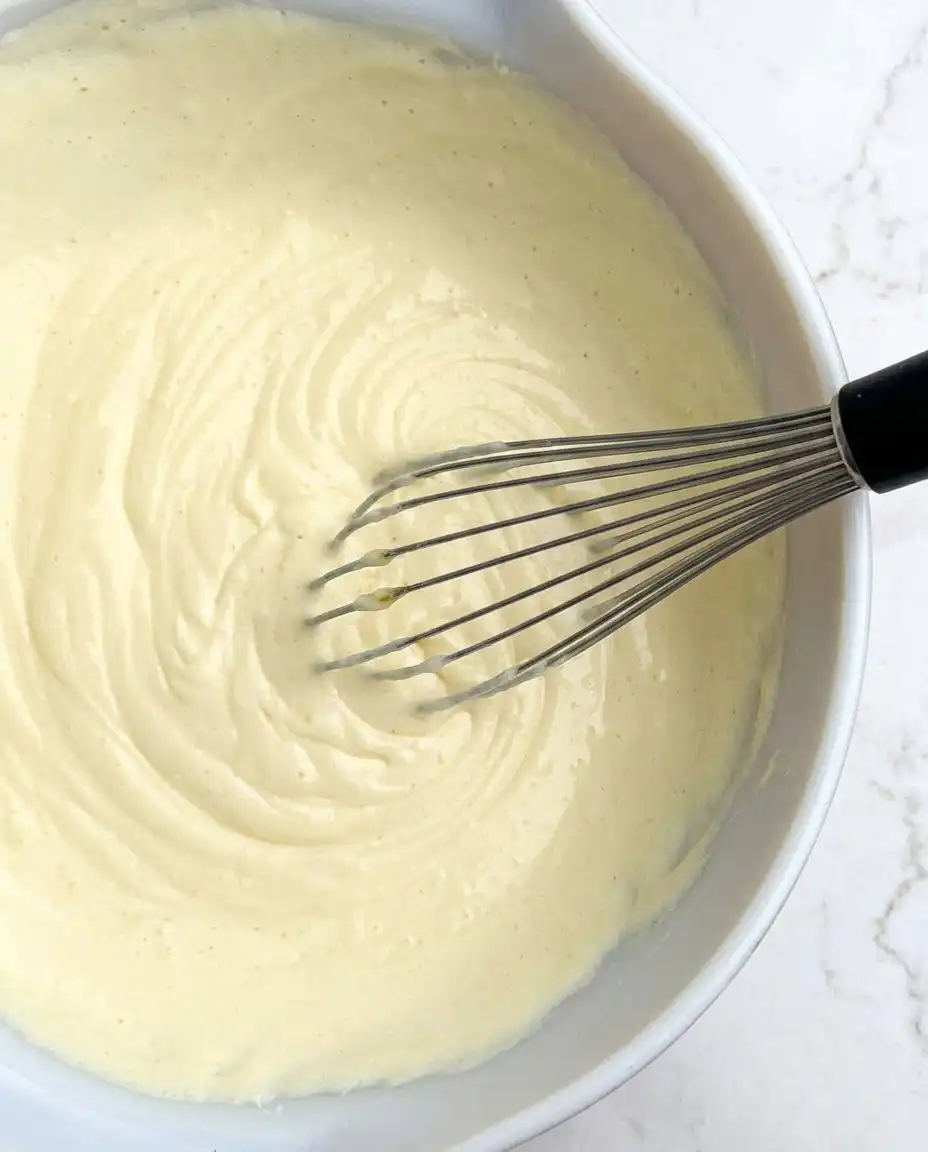
In a clean mixing bowl, beat the softened cream cheese with the remaining 1/2 cup of sugar and the vanilla extract. Use a medium speed to avoid incorporating too much air; we want a dense, stable cream. Once the mixture is perfectly smooth, fold in the remaining whipped topping using a silicone spatula. Spread this evenly over the cake base, working from the center outward to create a seal against the sides of the dish.
Step 5: The Final Layering and Setting
Pour the strawberry and glaze mixture over the cream layer. Use a spatula to level the top, ensuring the berries are distributed in a single, even layer. This provides the visual appeal and ensures every slice has a consistent fruit-to-cream ratio. Transfer the dish to the refrigerator immediately.
Step 6: Thermal Stabilization
Chill the dessert for at least 2 to 3 hours. This time is not merely for cooling; it allows the gelatin to form a thermo-reversible network and the starch to undergo retrogradation, which firms up the entire structure. Skipping this step will result in a dessert that collapses upon slicing.
Precision Secrets
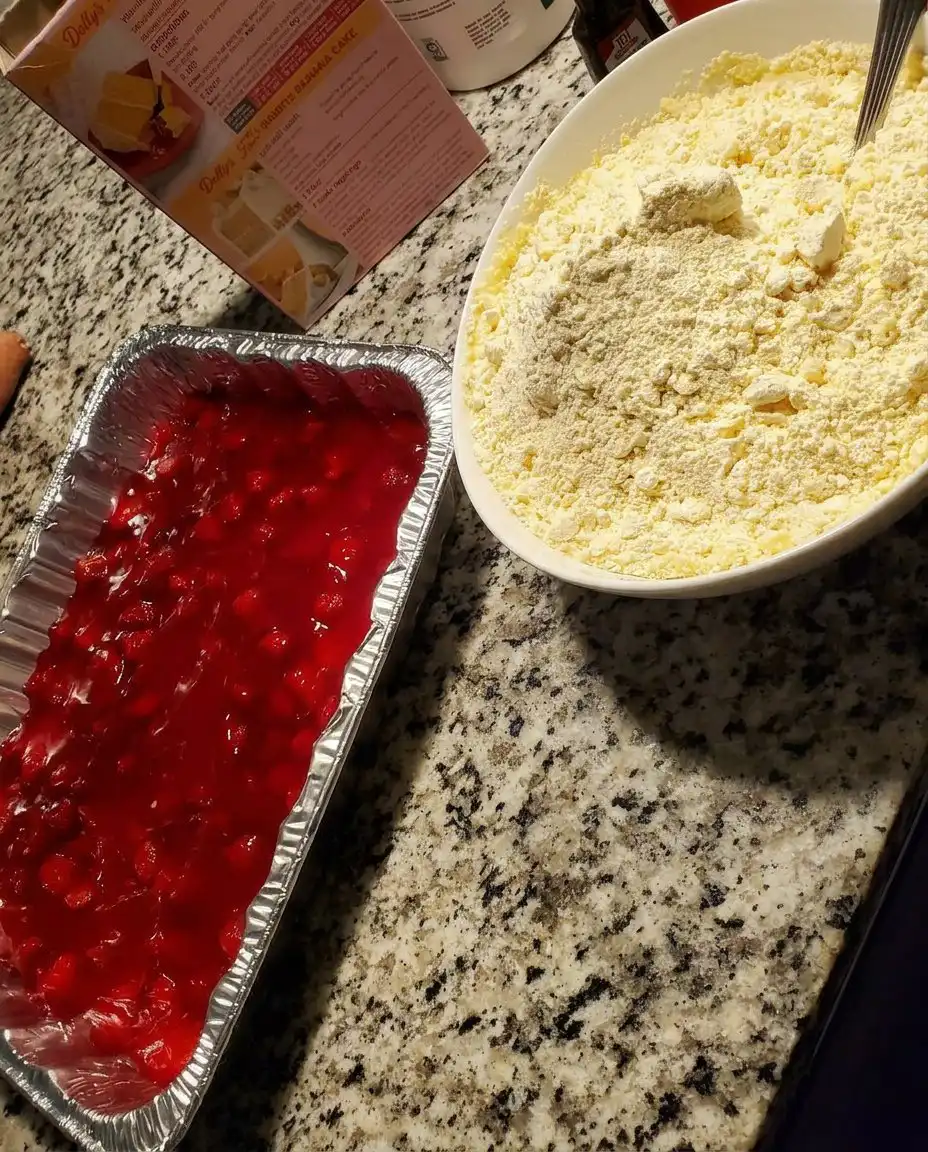
To achieve the perfect slice, you must master the temperature of your ingredients. If your cream cheese is even slightly chilled, it will not emulsify with the sugar, creating a grainy mouthfeel that detracts from the “melt” we are aiming for. Always use a digital thermometer to check that your glaze has dropped to at least 90°F (32°C) before adding the berries; if it is too hot, the strawberries will macerate and lose their firm texture. For those looking to master more complex fruit applications, our guide on the strawberry-cake offers deeper insights into moisture control in fruit-based sponges. Additionally, remember that the thickness of your glaze is determined by the duration of the boil; once it reaches a thick ribbons stage, it is ready. If you notice lumps forming in your glaze, simply pass it through a fine-mesh sieve while it is still hot to restore its professional clarity.
Technical Variations
While the classic Strawberry Heaven uses a specific starch-and-gelatin glaze, you can adapt the structural components to suit different seasonal profiles. For a more intense citrus note, replace the water in the glaze with strained orange juice, which adds a complex acidity that cuts through the fat of the cream cheese. If you prefer a more traditional sponge texture, you might experiment with the techniques found in our fresh-strawberry-cake to create a denser base. For an advanced variation, try replacing the angel food cake with a Genoise sponge for a richer, more buttery foundation. You can also incorporate different berries like raspberries or blackberries, but be mindful of their seed content, which may require you to strain the glaze to maintain a smooth mouthfeel. Regardless of the fruit chosen, keep the ratio of thickener to liquid the same to guarantee the layers hold their shape.
Presentation Precision
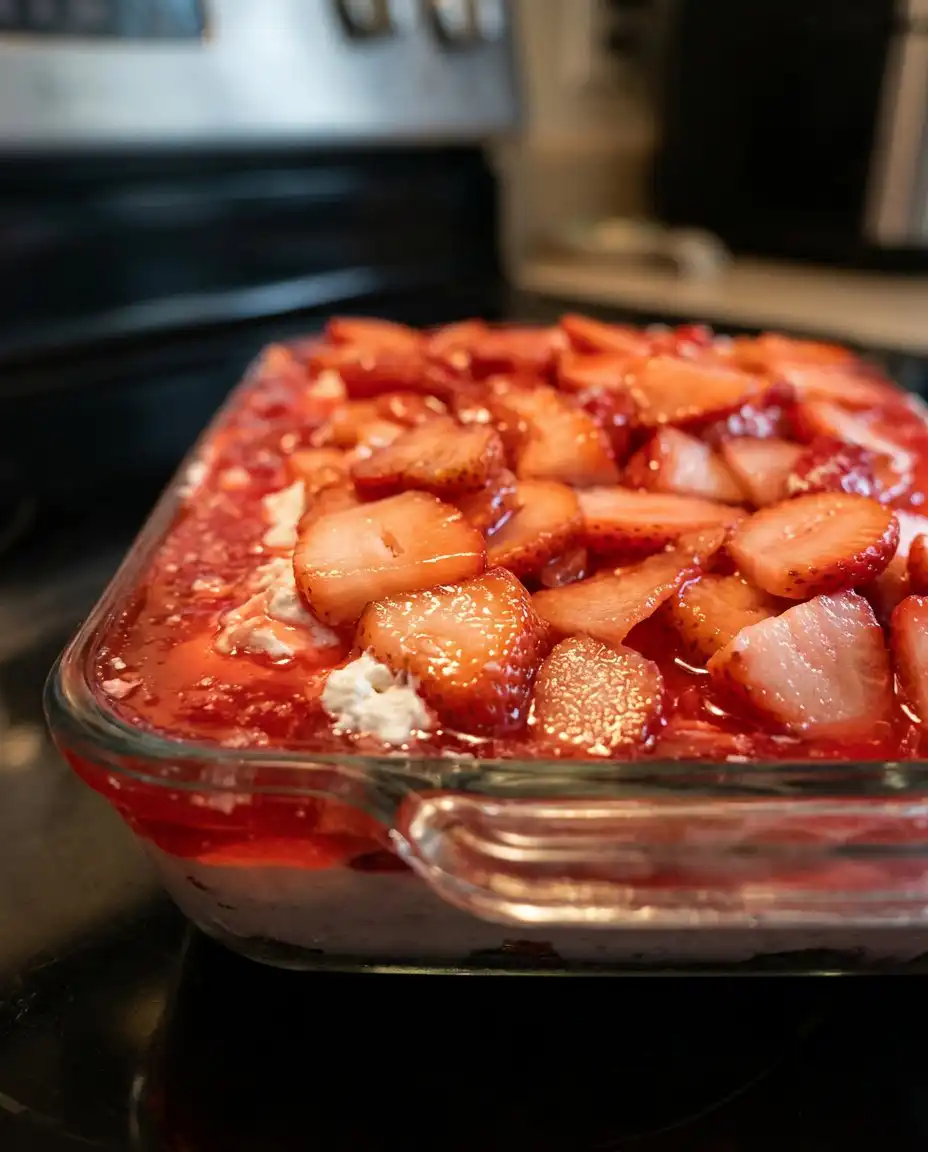
When presenting this Strawberry Heaven, the goal is to showcase the distinct layers we have worked so hard to create. Serving this in clear glassware or individual glass ramekins can highlight the technical beauty of the tiered structure. For a more traditional presentation, use a offset spatula to lift the squares from the baking dish, ensuring the cake base remains intact. I often find that a light dusting of powdered sugar just before serving adds a professional finish without adding excessive sweetness. If you enjoy the textural contrast of this dish, you might find our strawberry-shortcake equally satisfying in its balance of crisp and soft elements. To truly honor the British tradition, serve each slice with a small pot of clotted cream on the side for those who desire an even richer mouthfeel.
The Technical Truth
Mastering the Strawberry Heaven is a lesson in the importance of structural integrity within the pastry arts. By respecting the science of gelatinization and the mechanics of a stable emulsion, you produce a dessert that is far more than the sum of its parts. It is this dedication to precision that separates a simple home treat from a professional-grade masterpiece. For more inspiration on layered fruit desserts, I encourage you to look at our strawberry-vanilla-cake, which utilizes similar principles of moisture management. You can also find further details on the original inspiration for this dish at efilres.com. Please share your technical triumphs with us on Pinterest, Instagram, or Facebook. Happy baking, and remember that precision is the path to perfection.