A precise 175-degree Celsius oven decides whether your fruit starches set into a glossy gel or dissolve into a watery pool beneath the crust.

Achieving the ideal structure in a Blackberry Cobbler Dump Cake requires understanding the behavior of un-emulsified fats during the baking process. When cold butter slices melt over a flour suspension, they create distinct pockets of steam that lift the crust into flaky, golden layers rather than a dense brick. This method skips the traditional bowl mixing to protect the delicate structure of the gluten network. By controlling the moisture release from the fresh berries, we can guarantee a luxurious fruit filling that remains stable under a crisp topping.
Why Precision Pays Off Here with Blackberry Cobbler Dump Cake
Prep: 15 min · Serves: 6 · Difficulty: Medium
- Prevents dry flour patches through systematic layering.
- Balances fruit acids with precise sugar ratios.
- Achieves a golden crust with unstirred batter.
- Maintains structural integrity during the oven rise.
- Controls blackberry moisture release during baking.
When we bypass traditional mixing steps, the placement of dry ingredients relative to wet elements dictates the final crumb. This technical approach avoids the gummy density often found in a typical blackberry dump cake cake mix by relying on gravity and heat to self-emulsify. Precision for the sake of mouthfeel.
Get The Full Cake Recipe
Print
Blackberry Cobbler Dump Cake
- Total Time: 1 hour 20 mins
- Yield: 6 servings
- Diet: Vegetarian
Description
This technical approach to a classic blackberry cobbler achieves a perfectly balanced crust and jammy filling by relying on precise layering and thermodynamic heat transfer rather than traditional mixing. The result is a refined dessert featuring a golden, cake-like top and a stable, flavorful fruit base.
Ingredients
- 113 grams unsalted butter
- 600 grams fresh blackberries
- 300 grams granulated sugar, divided
- 120 grams all-purpose flour
- 8 grams baking powder
- 1 gram fine sea salt
- 180 milliliters whole milk
Instructions
- Calibrate the oven. Set your oven to 175 degrees Celsius and place the butter in an 8-by-8-inch baking dish to melt for six minutes until golden.
- Macerate the blackberries. Toss the berries with 200 grams of sugar in a bowl and let stand for 15 minutes to draw out natural juices.
- Prepare the batter. Whisk together the flour, 100 grams of sugar, baking powder, salt, and milk until the mixture is uniform and bubbly.
- Layer the ingredients. Pour the batter into the center of the melted butter without stirring, then evenly distribute the blackberries and syrup over the top.
- Bake the cobbler. Bake on the middle rack for 50 minutes until the crust is golden and the fruit filling bubbles vigorously.
- Cool and set. Rest the dish on a wire rack for 15 minutes to allow the fruit juices to thicken into a stable gel before serving.
Notes
- Ensure the butter is fully melted but not browned before adding the batter to maintain a clean flavor profile.
- Resist the urge to stir the layers, as the structural integrity of the crust depends on the batter remaining suspended in the fat.
- Use a ceramic or glass dish to help monitor the color of the crust and the consistency of the bubbling fruit syrup.
- Allow the cobbler to rest the full 15 minutes to ensure the fruit juices properly set into a jammy consistency.
- Prep Time: 15 mins
- Cook Time: 50 mins
- Category: Dessert
- Method: Baking
- Cuisine: American
The Working Components
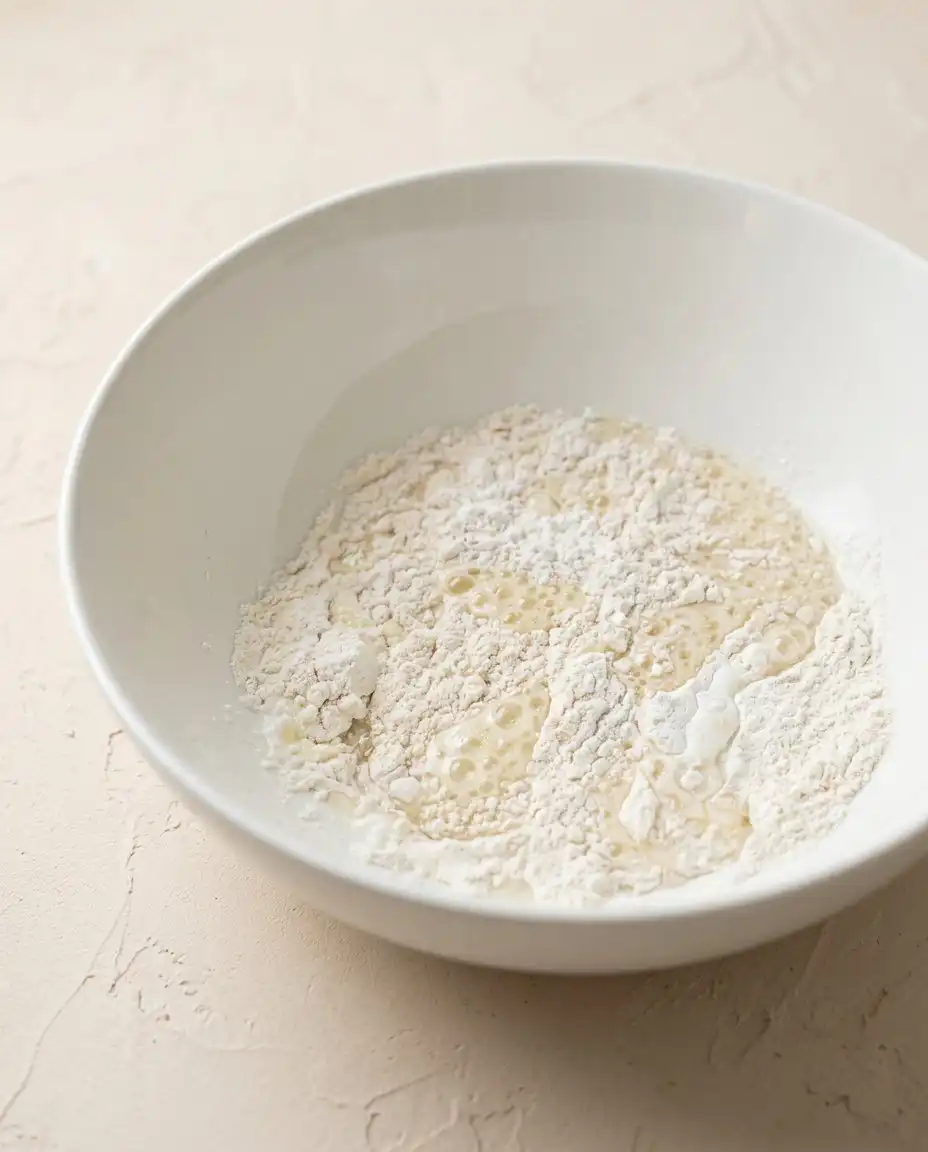
Baking this classic Blackberry Cobbler Dump Cake successfully relies on the interaction between starch gelatinisation and melting lipids. Each ingredient serves a structural purpose on our baking bench, guaranteeing the berries yield their juices without collapsing the crust. Measuring these components precisely by weight prevents common structural failures.
- Fresh Blackberries: Provide the structural fruit base, releasing controlled moisture and natural pectin to thicken the lower layer under heat.
- Unsalted Butter: Melts to create steam pockets in the flour mixture, which yields a flaky, shortcrust-like top texture.
- Granulated Sugar: Split into two parts, one portion macerates the berries to draw out juice, while the other tenderizes the flour structure.
- All-Purpose Flour: Forms the gluten skeleton of the topping, which must absorb liquid from below without turning into glue.
- Baking Powder: Acts as the chemical leavening agent, generating carbon dioxide bubbles that lift the wet flour paste above the butter.
- Whole Milk: Supplies the liquid phase that hydrates the starch, initiating the necessary gelatinisation during the initial 20 minutes in the oven.
| Ingredient | Why It Matters |
|---|---|
| Fresh Blackberries | Releases acid and natural pectin to form a stable fruit layer. |
| Unsalted Butter | Creates flaky layers by vaporizing water content in the oven. |
| Granulated Sugar | Regulates gluten development and controls water activity. |
| All-Purpose Flour | Establishes the starch matrix that floats to the surface. |
| Whole Milk | Hydrates flour proteins to build a tender, cake-like crumb. |
From Bench to Bake
Step 1: Melt the Fat and Calibrate the Heat
Set your digital probe thermometer to calibrate the oven environment to exactly 175 degrees Celsius (350 degrees Fahrenheit). Place 113 grams (one half-cup) of cold unsalted butter into an 8-by-8-inch square ceramic baking dish and slide it into the warming oven. Allow the butter to melt for exactly six minutes until it pools into a clear golden liquid with small foaming milk solids. Remove the dish before the butter begins to brown, as scorched solids will compromise the clean flavor of the crust.
Step 2: Macerate the Fruit Layer
In a glass mixing bowl, combine 600 grams of fresh blackberries with 200 grams of granulated sugar. Gently toss the mixture using a silicone spatula for 45 seconds to coat each berry without breaking the delicate skins. Let this stand at room temperature for 15 minutes, which allows the hygroscopic sugar to draw out the natural juices. You will see a glossy, deep purple syrup pool at the base of the bowl, signifying that the osmotic process is successfully underway.
Step 3: Hydrate the Flour Skeleton
Weigh out 120 grams of all-purpose flour, 100 grams of sugar, 8 grams of baking powder, and 1 gram of fine sea salt into a clean bowl. Pour in 180 milliliters of whole milk and whisk steadily for 30 seconds until the batter is uniform. It should mimic the consistency of a thick pancake batter, showing tiny bubbles rising to the surface as the leavening activates. This hydration step is vital to initiate protein bonding before the mixture meets the fat.
Step 4: Float the Batter Suspension
Pour the prepared batter directly into the center of the hot, melted butter pool in the baking dish. Do not stir, whisk, or fold these two layers together under any circumstances. The batter must sit as a suspended raft within the liquid fat, which allows the steam from the melting butter to force its way upward. Mixing the two elements at this stage destroys the layered structure, turning the final crust dense and greasy.
Step 5: Distribute the Macerated Fruit
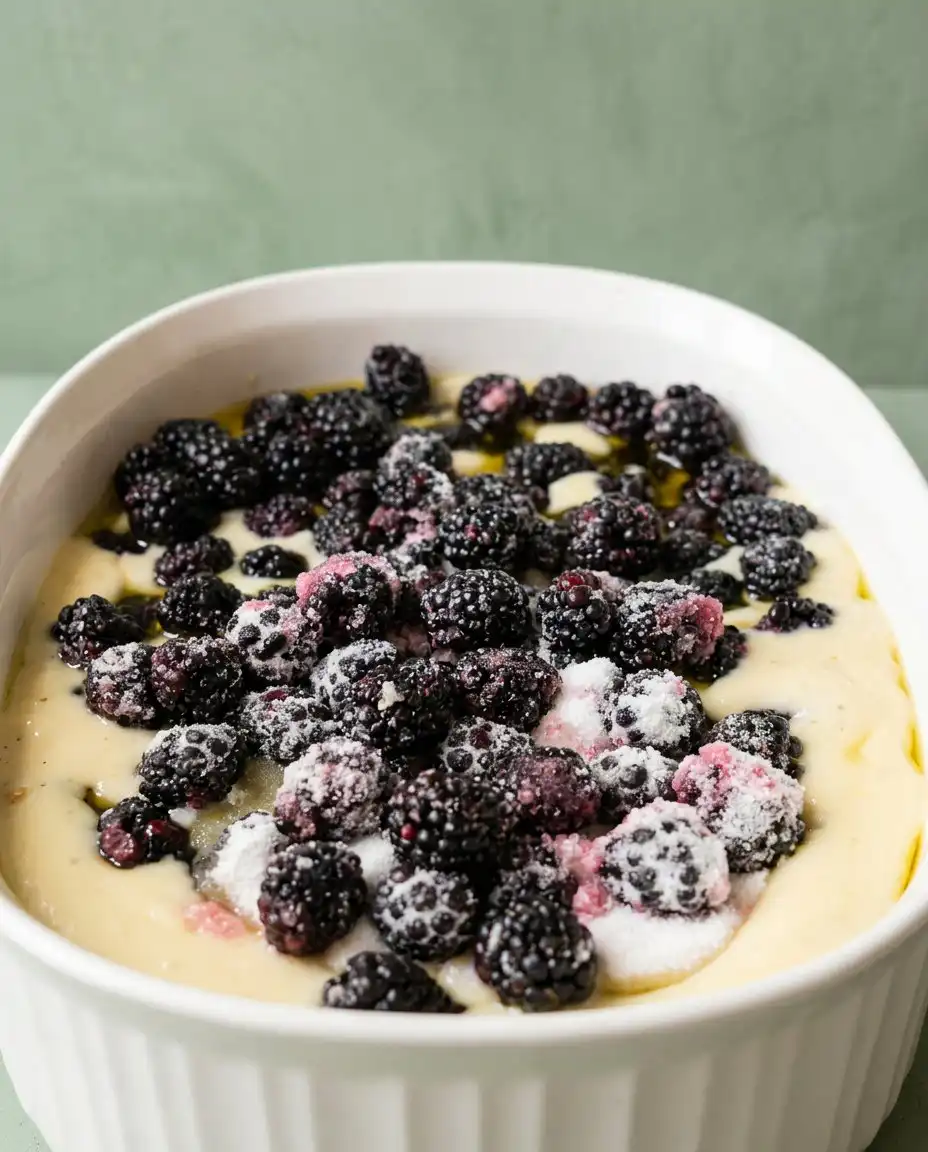
Spoon the sugared blackberries and all of their extracted syrup evenly across the surface of the un-stirred batter. Allow gravity to carry the heavy fruit downward while the lighter flour batter begins to displace upward. The berries will sink slightly into the starch layer, forming a pocketed landscape that guarantees fruit in every spoon. Keep your movements deliberate and quiet; avoiding agitation preserves the delicate stratification of these three distinct layers.
Step 6: Bake the Blackberry Cobbler Dump Cake
Slide the assembled dish onto the middle rack of your preheated oven to bake this Blackberry Cobbler Dump Cake for exactly 50 minutes. During this period, the starch will undergo gelatinisation, absorbing the liquids and rising above the settling fruit. Watch for the crust to transition from a pale yellow paste to a deep golden-brown, crackling skin. The fruit should bubble vigorously around the edges, indicating that the natural pectins have reached the necessary 104 degrees Celsius to set.
Step 7: Rest and Set the Structure
Place the baked dish on a wire cooling rack and leave it undisturbed for precisely 15 minutes. The hot fruit filling is highly volatile and runny when first removed from the oven, requiring this rest period to allow the starches to cool and solidify. You will observe the bubbling syrup subside and thicken into a jam-like consistency that clings to the underside of the crust. This short window of patience ensures the structural skin remains intact when sliced.
Pastry Bench Tips
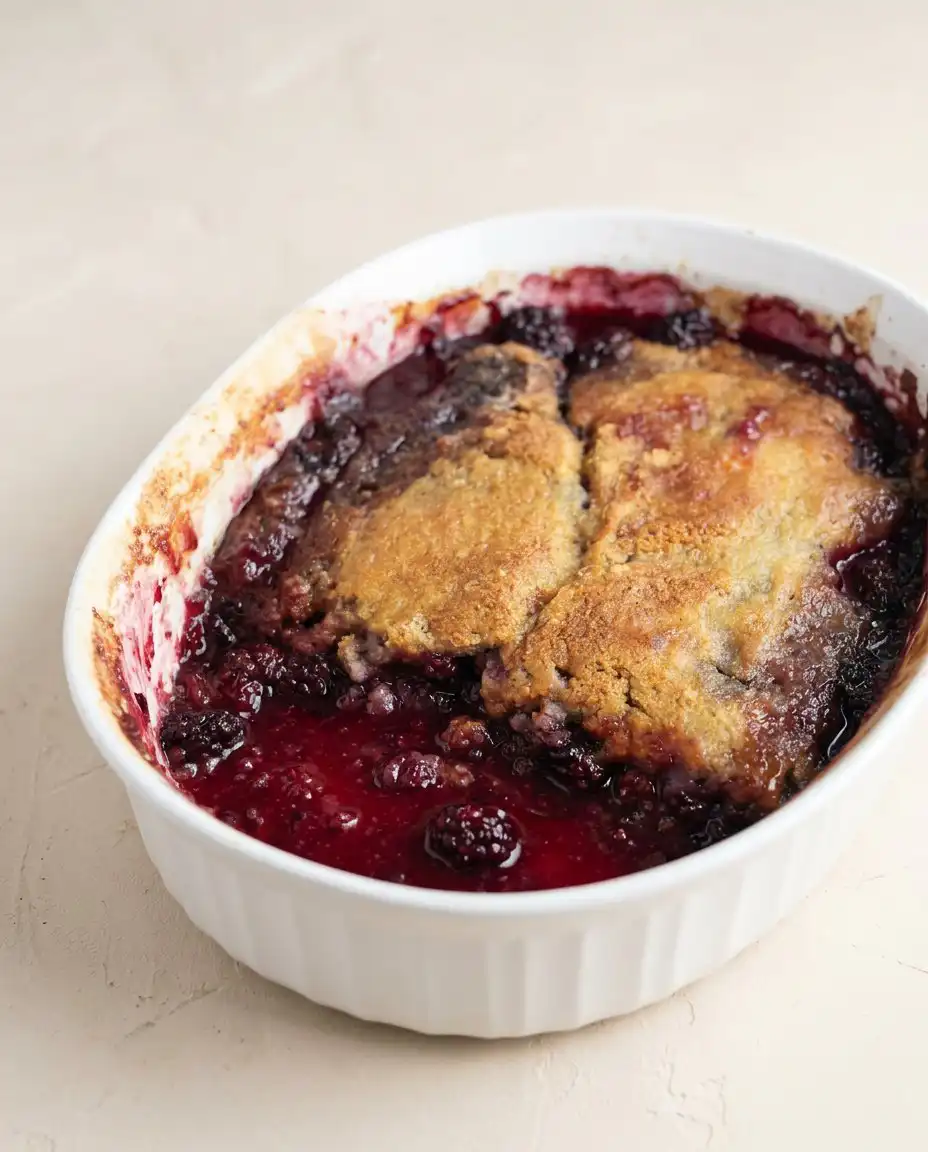
If your Blackberry Cobbler Dump Cake exhibits dry, white powdery patches on the surface after baking, here is why and how to fix it. This failure occurs when the liquid fat or moisture from the fruit fails to reach the top flour layer during the rise. To prevent this, slice your butter into thin, even 5-gram pats and distribute them uniformly across the surface, or gently press the dry spots with the back of a spoon to hydrate them before baking.
The temperature of the butter at the start of baking dictates the rate of steam expansion. Using warm, melted butter rather than cold pats speeds up the flour’s hydration process, creating a more cohesive, cake-like texture underneath the crisp shell. If you prefer a texture resembling a classic peach cobbler dump cake, keep the butter liquid and warm during assembly.
To guarantee your blackberry juice thickens reliably without turning the bottom soggy, study the moisture levels of your berries. Fresh wild berries contain less water than large cultivated varieties, which may require an extra tablespoon of flour tossed with the sugar to absorb excess liquid. Reviewing a traditional Southern blackberry cobbler preparation reveals that balancing the sugar-to-acid ratio is key to preventing a watery base.
Using whole milk with a fat content of at least 3.5 percent is non-negotiable for proper crumb structure. The lipids in whole milk coat the gluten proteins, preventing them from forming tough, chewy bonds when the batter is baked. Skim or low-fat milks introduce too much water, which over-activates the starch and leads to a gummy, translucent layer.
Choosing the right baking pan material alters heat transfer rates and changes how the bottom crust caramelizes. Dark metal pans heat rapidly, which can scorch the butter before the flour rises, whereas ceramic or glass dishes transfer heat gradually. A tempered glass or ceramic dish is ideal because it allows you to observe the bubbling fruit layers through the sides.
To maximize the thickening power of the blackberries’ natural pectin, avoid adding acid like lemon juice unless the berries are overly sweet. Pectin requires a precise pH range to form a stable gel network in the presence of sugar. If the fruit mixture is too acidic, the pectin chains break down, resulting in a runny syrup that destabilizes the crust.
Frequently Asked Questions
What is the difference between a dump cake and a cobbler?
A traditional cobbler features a biscuit or batter topping dropped over fruit, whereas a dump cake utilizes dry ingredients layered directly over fruit and fat without mixing. The dump cake relies on the melting butter and fruit juices to hydrate the flour in situ, creating a unique texture that is half-cake, half-cobbler.
Can I use a different cake mix flavor?
While this scratch recipe uses a custom flour mixture, if you substitute a boxed mix, yellow or white cake mixes work best. They provide a neutral, sweet background that allows the blackberries to remain the primary flavor profile. Avoid chocolate or highly spiced mixes, which overpower the delicate berry notes.
Why are there powdery spots on my dump cake?
Powdery patches occur when dry flour does not come into contact with the melting butter or fruit juices during baking. This is typically caused by uneven distribution of the butter or dry mixture. To fix this, ensure the butter slices cover the dry layers completely before baking.
Can I use fresh or frozen blackberries instead of pie filling?
Yes, fresh or frozen blackberries work flawlessly and yield a cleaner, less artificial flavor than canned pie filling. Frozen berries will release slightly more water as they thaw in the oven, so you may need to extend the baking time by five minutes. Do not thaw frozen berries before layering them into the dish.
How do I store leftovers?
Cool the cobbler to room temperature, then cover the dish tightly with plastic wrap and store in the refrigerator for up to four days. To reheat, warm individual portions in the oven at 120 degrees Celsius for 15 minutes to restore the crust’s texture. Avoid microwaving if you want to preserve the crispness of the topping.
Why did my crust sink to the bottom of the pan?
A sunken crust usually indicates that the batter was too thin or that the baking powder has expired. If the batter lacks the proper viscosity, it cannot support its own weight as the fruit heats and melts. Check the expiration date on your leavening agents and verify your liquid measurements on a digital scale.
Can I substitute gluten-free flour in this recipe?
A high-quality 1-to-1 gluten-free baking blend containing xanthan gum can be substituted. However, gluten-free starches absorb liquid differently, which may result in a slightly drier top crust. To compensate, increase the milk volume by 15 milliliters to ensure complete hydration.
Considered Adjustments
Integrating stone fruit into the blackberry base offers an elegant structural contrast. Replacing half of the blackberries with firm, sliced yellow peaches provides a denser fruit layer that supports the weight of the rising crust. This adjustment is highly reminiscent of an easy peach pie filling dump cake, where the sweetness of the peaches tempers the sharp acidity of the wild berries.
For a refined variation that introduces dry aroma, incorporate 30 grams of sliced almonds and a pinch of ground cardamom into the flour base. The almond oils release during baking, adding a crisp crunch to the topping while the cardamom highlights the floral notes of the blackberries. Ensure the almonds are sliced wafer-thin so they do not sink through the batter during the rise.
Transform the flavor profile by browning the butter in a separate saucepan over medium heat before pouring it into the baking dish. Heating the butter until the milk solids caramelize to a deep hazelnut color introduces a rich, nutty depth. This technique requires swift handling to prevent the browned solids from over-cooking once they enter the hot baking dish.
Serving the Structure
To fully appreciate the contrast in a fresh Blackberry Cobbler Dump Cake, temperature control is paramount. Serve this dessert warm, approximately 20 minutes after baking, when the internal temperature has dropped to a comfortable 50 degrees Celsius. At this temperature, the starches have set enough to hold their shape, yet the center remains delightfully soft.
Pairing this dish with a cold element creates a beautiful temperature emulsion on the plate. A scoop of high-fat vanilla bean ice cream or a dollop of unsweetened creme fraiche balances the intense sweetness of the blackberries. As the cold cream melts into the warm crust, it creates a rich sauce that heightens the mouthfeel of the dessert.
If you enjoy hosting and want to experiment with different fruit profiles, consider offering this alongside a 3 ingredient peach cobbler dump cake. Offering both options allows your guests to compare the structural differences between stone fruits and delicate berries. Arrange the warm dishes on wooden trivets on your pastry bench to maintain an inviting, rustic presentation.
What the Technique Gives You
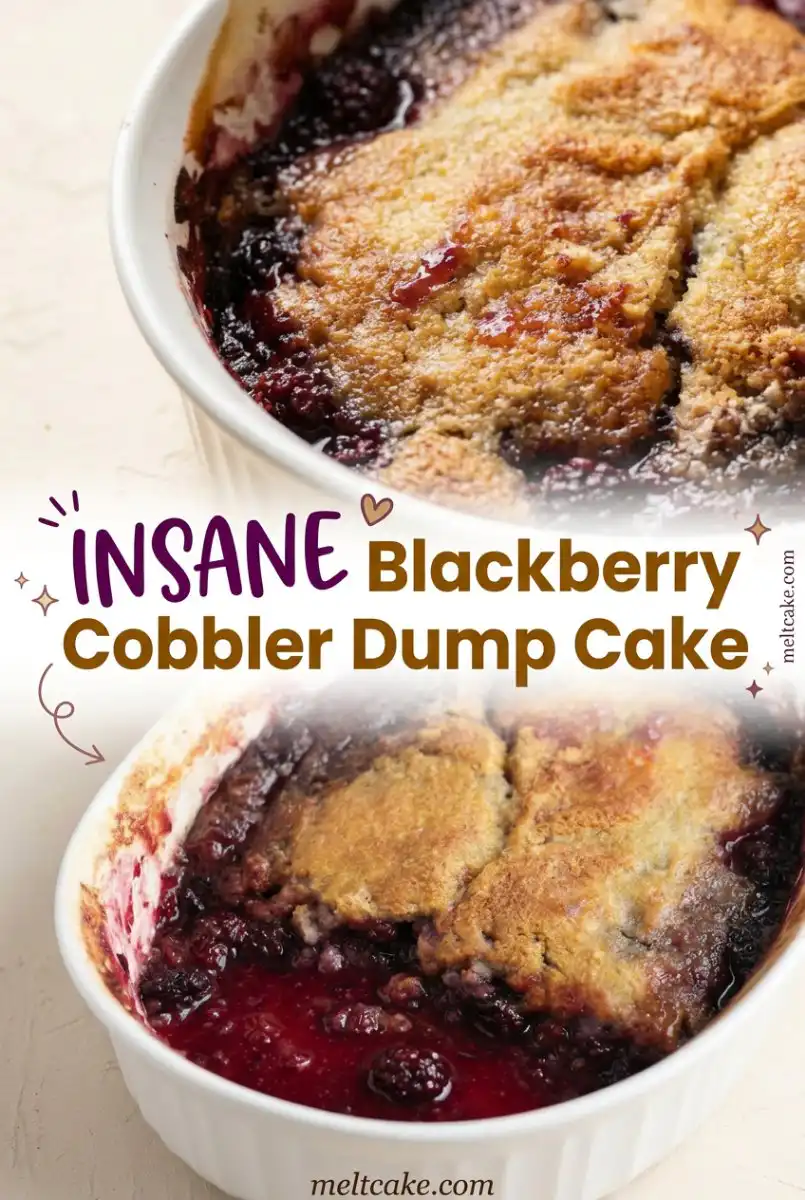
Mastering the un-stirred baking method for this Blackberry Cobbler Dump Cake proves that structure is what makes the melt possible. By respecting the layers and allowing thermodynamic forces to combine the ingredients in the oven, you create a texture that cannot be replicated by standard mixing. This systematic approach turns a simple rustic dessert into an exercise in pastry precision.
We encourage you to experiment with other fruits once you have mastered this blackberry version. The same structural rules apply to a classic peach dump cake, proving the versatility of this precise baking technique. Keep your digital scale close, respect the layering process, and trust the heat of your oven to perform the work.
Share your baking results and join our growing community of precision pastry enthusiasts. You can follow our technical baking journeys on our Pinterest and Facebook channels. For quick troubleshooting videos and real-time bench techniques, check out our TikTok or join our Telegram channel for direct updates.