Gelatinisation describes the process where starch granules absorb liquid and swell, a critical reaction that ensures the crumb of this Blackberry Lemon Cake remains structural yet tender.

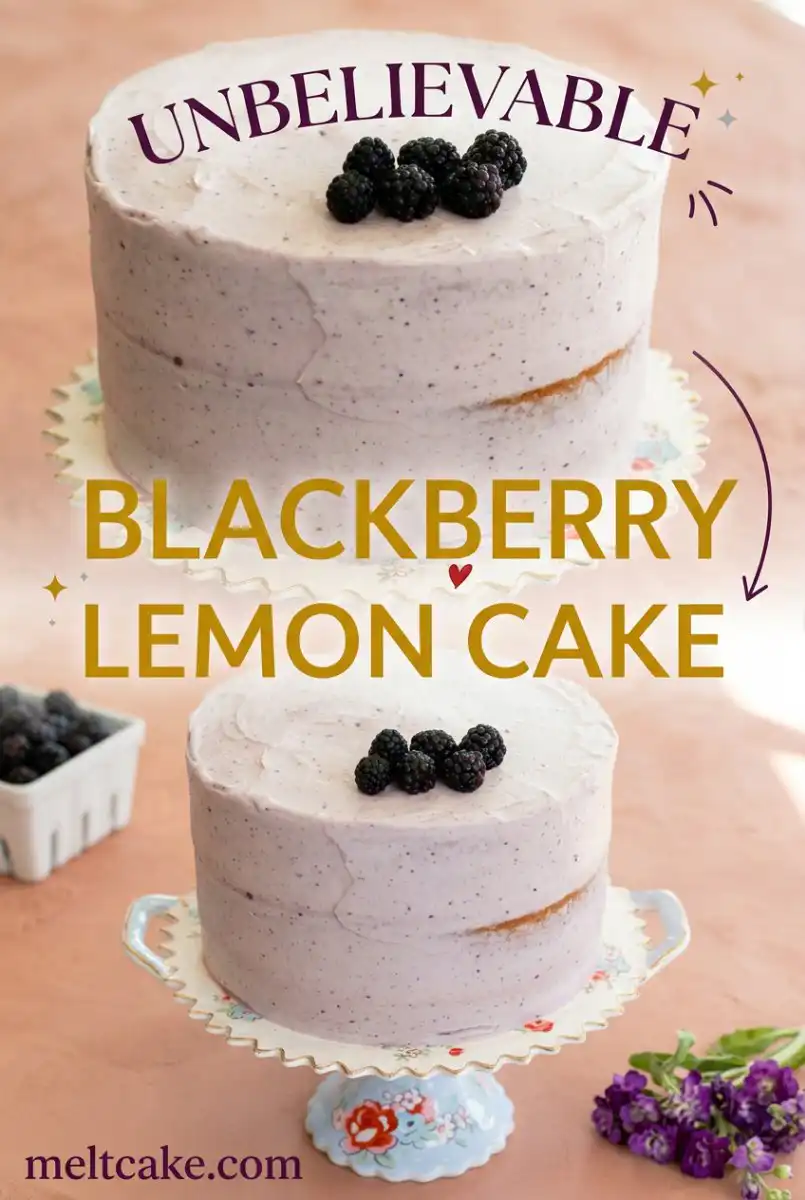
Achieving a balanced Blackberry Lemon Cake requires more than just mixing fruit into batter; it demands a precise ratio of acidity to fat to protect the crumb from becoming dense. This specific method uses the weight of the ingredients to anchor a soft, citrus-forward base against the weight of whole, fresh berries. The result is a dessert where the bright lemon zest elevates the deep, jammy notes of the fruit without compromising the cake’s internal architecture.
Why This Blackberry Lemon Cake Texture Works
Prep: 60 min · Serves: 16 · Difficulty: Medium
- Tender crumb achieved through precise sour cream ratios
- Stable frosting protects the fresh blackberry layers
- Lemon zest oils released directly into sugar
- Balanced acidity ensures a clean, bright finish
- Reliable structure for clean and professional slicing
Structure is what makes the melt possible. For those who enjoy a more traditional sponge, my lemon cake 3 offers a similar citrus profile with a different structural approach.
Get The Full Cake Recipe
Print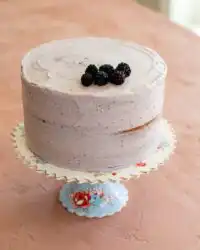
Blackberry Lemon Cake
- Total Time: 5 hours 24 mins
- Yield: 16 servings
Description
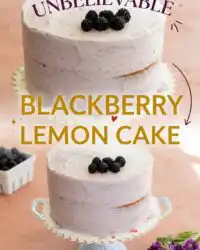
This refined Blackberry Lemon Cake features a tender, citrus-infused crumb anchored by the structural stability of a cream cheese frosting. Fresh berries and zesty lemon create a bright, balanced dessert that is as visually stunning as it is delicious.
Ingredients
- 2 large lemons, zested and juiced
- 2 cups granulated sugar
- 1 cup sour cream
- 4 large eggs
- 1 cup unsalted butter, melted
- 1 teaspoon vanilla extract
- 3 cups all-purpose flour
- 2 teaspoons baking powder
- 1/2 teaspoon baking soda
- 1 teaspoon sea salt
- 12 ounces fresh blackberries
- 8 ounces cream cheese, softened
- 2 cups powdered sugar
- 1 cup heavy whipping cream
- 1/2 cup blackberry preserves
Instructions
- Prepare cake pans. Preheat your oven to 175 degrees Celsius (350°F) and line three 8-inch cake pans with parchment paper and baking spray.
- Extract citrus oils. Rub the lemon zest into the granulated sugar with your fingertips for three minutes until fragrant and damp.
- Emulsify wet base. Whisk the lemon juice, sour cream, eggs, melted butter, and vanilla into the lemon sugar until the mixture is homogeneous.
- Combine dry ingredients. Sift the flour, baking powder, baking soda, and salt together, then fold into the wet mixture just until combined.
- Divide batter weight. Use a digital scale to divide the batter equally among the three prepared pans, approximately 500 grams per pan.
- Bake the layers. Bake for 22 to 24 minutes until a toothpick comes out clean and the internal temperature reaches 98 degrees Celsius.
- Prepare frosting base. Beat the softened cream cheese until smooth, then incorporate the powdered sugar, lemon zest, and vanilla.
- Whip to stiff peaks. Gradually add the chilled heavy cream to the cream cheese, whipping on medium-high speed for five to six minutes.
- Layer and assemble. Spread blackberry preserves on each cooled cake layer, top with frosting and fresh blackberries, then stack.
- Final chill. Apply a thin crumb coat to the exterior and refrigerate the assembled cake for at least four hours before slicing.
Notes
- Ensure all dairy ingredients are at room temperature to prevent the frosting from splitting during assembly.
- Use a digital scale for measuring flour to avoid adding excess density to the sponge.
- Rubbing the lemon zest directly into the sugar is essential for infusing the cake with deep citrus aromatics.
- Allow the assembled cake to set in the refrigerator for at least four hours to ensure clean, professional slices.
- Prep Time: 60 mins
- Cook Time: 24 mins
- Category: Dessert
- Method: Baking
- Cuisine: Modern American
The Working Components
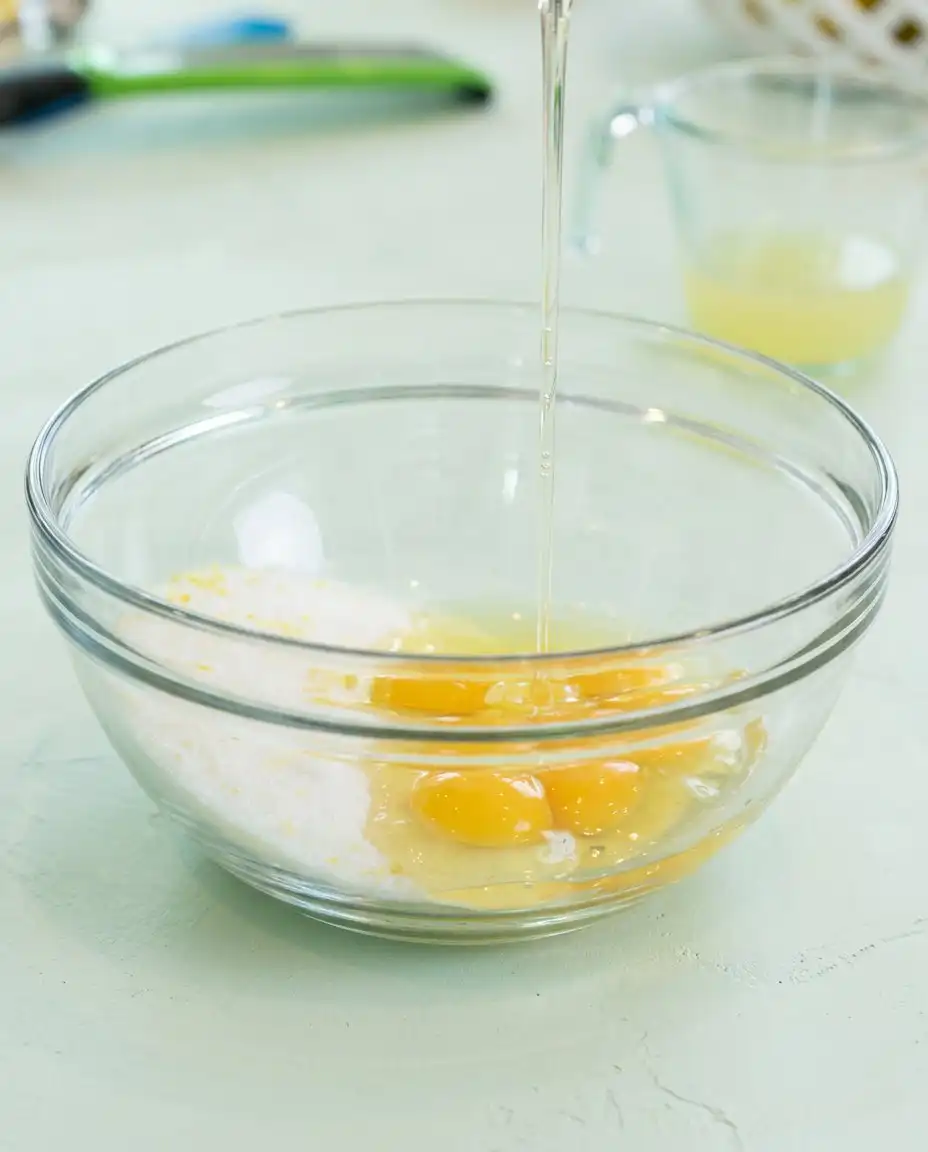
Success in the pastry kitchen begins with understanding how individual elements interact during the bake. For this recipe, we prioritise ingredients that offer both flavour clarity and structural integrity, ensuring that each slice holds its form while delivering a soft mouthfeel.
- Lemon Juice and Zest: These provide the essential acidity required to tenderize the gluten while adding aromatic depth through essential oils.
- Sour Cream: This ingredient introduces a thick consistency and high fat content, which prevents the cake from becoming dry or crumbly.
- Unsalted Butter: Using melted butter ensures a tight, uniform crumb that mimics the texture of high-end French tea cakes.
- Fresh Blackberries: These berries provide pockets of moisture and tartness that contrast against the sweetness of the sponge.
- Cream Cheese: In the frosting, this acts as a critical stabilizer to ensure the heavy cream maintains its peak without weeping.
- Blackberry Preserves: This adds concentrated fruit flavour to the filling and frosting without adding excessive water content.
| Ingredient | Why It Matters |
|---|---|
| Sour Cream | Adds acidity to tenderize gluten and moisture without thinning the batter. |
| Lemon Zest | Contains essential oils that provide a deep, aromatic citrus foundation. |
| Fresh Blackberries | Provide structural pockets of moisture and tartness to balance the sugar. |
| Cream Cheese | Acts as a stabilizer for the heavy cream, preventing the frosting from weeping. |
| Heavy Cream | Provides the airy volume needed for a light, whipped topping. |
The Method
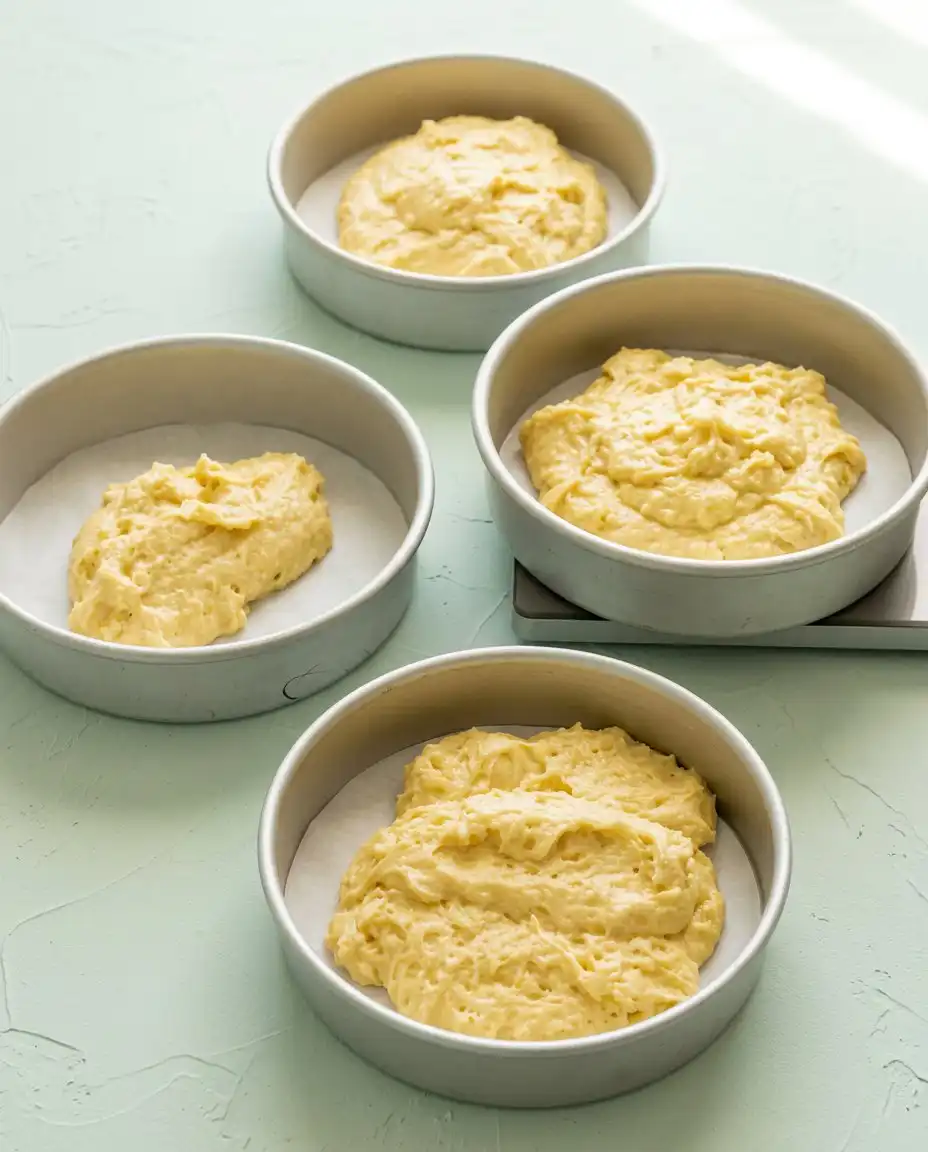
Step 1: Preparation and Oven Calibration
Preheat your oven to 175 degrees Celsius (350°F) and prepare three 8-inch cake pans with parchment paper and professional-grade baking spray. An accurate oven temperature is non-negotiable, as even a 5-degree variance can alter the rate of the rise and the final crumb density. Line the bottoms carefully to ensure a clean release, which protects the delicate sides of the sponge.
Step 2: Mechanical Oil Extraction
Place the granulated sugar into a large mixing bowl and add the zest from two large lemons directly onto the grains. Use your fingertips to rub the zest into the sugar for approximately three minutes until the mixture looks like damp sand and smells intensely citrusy. This mechanical action ruptures the oil glands in the zest, distributing the flavour more effectively than simply whisking.
Step 3: Emulsifying the Wet Base
Whisk the lemon juice, sour cream, eggs, melted butter, and vanilla extract into the lemon sugar until the mixture is completely homogeneous. This stage creates an emulsion, which is a stable mixture of fats and liquids that ensures a smooth, even bake. The batter should look glossy and pale yellow with no visible streaks of unmixed egg or butter.
Step 4: Sifting and Folding
Sift the all-purpose flour, baking powder, baking soda, and sea salt together in a separate bowl to remove any clumps and aerate the dry ingredients. Carefully add the dry components to the wet base and whisk on low speed until just combined. Over-mixing at this stage will develop too much gluten, resulting in a tough, bread-like texture rather than a tender cake.
Step 5: Dividing the Batter Weight
Place your prepared pans on a digital scale and divide the batter equally, aiming for roughly 500 grams per pan for perfect consistency. Use a small offset palette knife to level the surface, ensuring the batter reaches the edges of the pan. This precision ensures that all three layers bake at the same rate and reach the same height.
Step 6: Baking the Blackberry Lemon Cake to Golden Perfection
Bake the layers for 22 to 24 minutes, or until the internal temperature reaches 98 degrees Celsius and a toothpick comes out clean. Thirty seconds decides everything between a cake that is perfectly set and one that has begun to lose its essential moisture. Remove the pans from the oven and allow them to rest for ten minutes before transferring the layers to a wire rack.
Step 7: Stabilising the Cream Cheese Base
For the frosting, beat the softened cream cheese for three to four minutes until it is completely smooth and devoid of any lumps. Add the powdered sugar, lemon zest, and vanilla, continuing to beat until the mixture is creamy and light. The cream cheese must be at room temperature to prevent the frosting from splitting when the cold cream is added.
Step 8: Achieving the Stiff Peak
Gradually pour the chilled heavy cream into the cream cheese mixture while whisking on medium-high speed. Continue whisking for five to six minutes until the frosting holds a stiff peak, which is necessary to support the weight of the cake layers. If the frosting feels soft, chill it for thirty minutes to allow the fats to firm up before proceeding.
Step 9: Structural Layering and Soaking
Level the cooled cake layers with a serrated knife and lightly brush each surface with a small amount of liquid cream to maintain moisture. Spread a thin layer of blackberry preserves over the sponge to act as an adhesive for the frosting and berries. This layer prevents the fruit from sliding and ensures the cake remains stable during assembly.
Step 10: Final Assembly and Set
Place the first layer on a cake stand, add two cups of frosting, and press fresh blackberries into the cream in a single, even layer. Repeat this process with the remaining layers, then apply a thin crumb coat to seal in any loose debris before the final frost. Refrigerate the cake for at least four hours to allow the structure to set fully, ensuring the cleanest possible slices.
Pastry Bench Tips
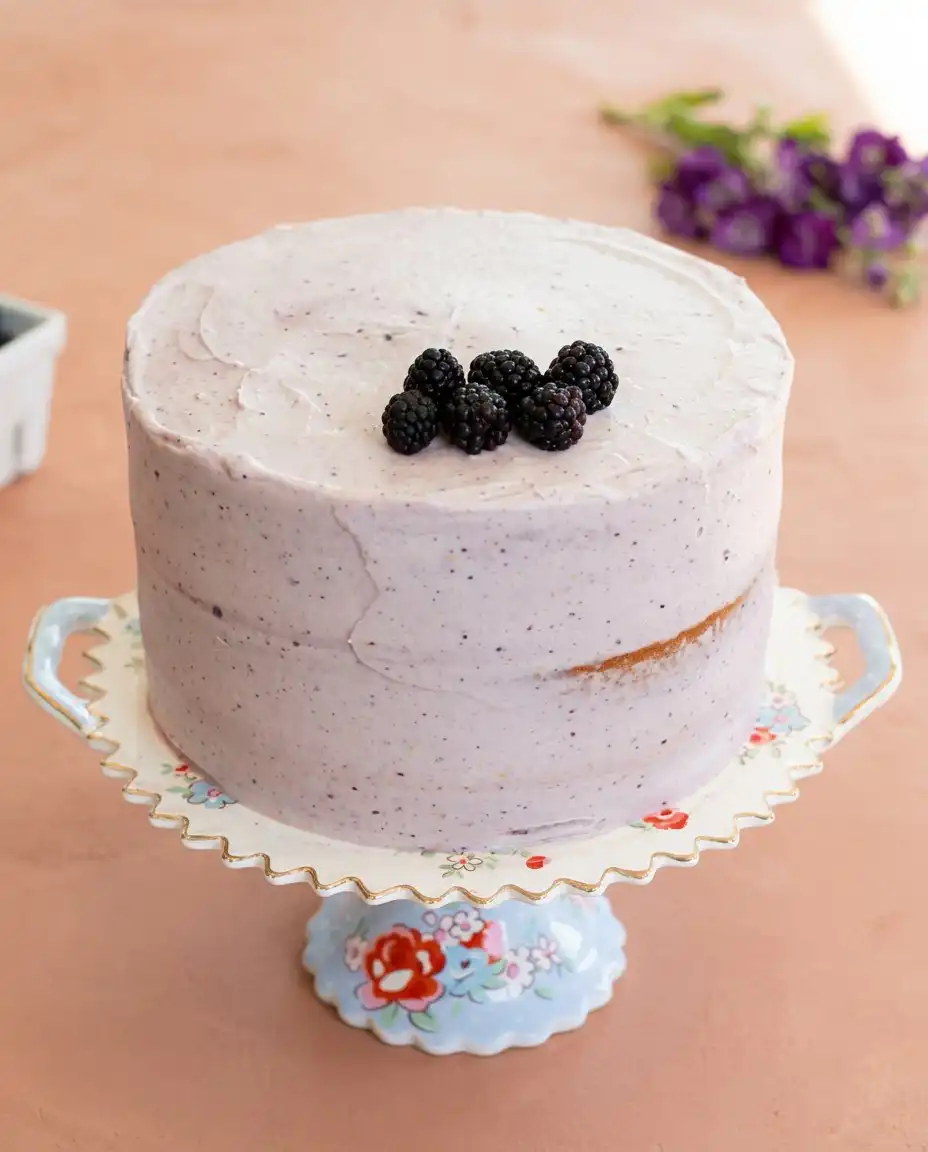
To ensure your berries do not sink to the bottom of the layers, you may toss them in a tablespoon of flour before folding them into the batter, though this recipe relies on a thicker batter to hold them in place. This how to successfully bake with fresh berries guide offers further technical insight into fruit suspension in bakes.
If your cream cheese frosting appears split or grainy, the temperature of your ingredients was likely inconsistent. You can often fix this by gently warming the bottom of the bowl with a warm cloth and whisking by hand until the emulsion re-forms.
A digital scale, a probe thermometer, an offset palette knife are the three most important tools for achieving this professional finish. Using volume measurements like cups can result in up to 20 percent more flour, which fundamentally changes the crumb structure.
Always rub your citrus zest into the sugar at the start of the process to maximize the aromatic impact. This technique, often used in professional pastry kitchens, ensures that the lemon flavour is baked into the DNA of the sponge rather than just sitting on top.
For those looking for a different citrus application, our guide on lemon cake 2 discusses how to use citrus syrups to build moisture in dense sponges. Applying a soak to your layers is a reliable way to extend the shelf life of the cake while adding another layer of flavour.
Ensure your heavy cream is as cold as possible before whipping, as the fat globules in the cream bond more effectively at lower temperatures. If your kitchen is particularly warm, you may even want to chill your mixing bowl and whisk attachment for fifteen minutes prior to use.
Frequently Asked Questions
Can I use frozen blackberries instead of fresh ones?
Frozen blackberries can be used, but they must be kept frozen until the moment they are added to the batter or frosting to prevent bleeding. Thawed berries release too much liquid, which can cause the batter to turn purple and affect the bake time. For the filling, fresh berries are highly recommended for their structural firmness.
Why did my cake layers sink in the middle?
Sinking usually occurs if the oven door is opened too early, causing a sudden temperature drop before the structure has set. It can also happen if the baking powder is expired or if the batter was over-mixed, leading to an unstable air-bubble structure. Ensure your oven is fully preheated and your leavening agents are fresh.
How do I store the leftovers to keep them moist?
Store the cake in an airtight container in the refrigerator for up to three days. To protect the exposed cake sides from drying out, press a piece of plastic food wrap directly against the cut surface. This creates a barrier against the air, preserving the internal moisture of the sponge.
Can I substitute the sour cream with something else?
Full-fat Greek yogurt is the best substitute for sour cream as it provides a similar level of acidity and moisture. Avoid using low-fat or fat-free versions, as the fat content is necessary to produce the desired tender crumb. Milk or heavy cream alone will not provide the same structural results.
Why is my frosting too soft to hold the layers?
Soft frosting is usually the result of either under-whipping the cream or using cream cheese that was too warm. If this happens, chill the entire bowl of frosting for thirty minutes and then whisk it again on high speed. The cold temperature helps the fat solids to restructure, providing the necessary firmness.
How can I prevent the lemon flavour from being too subtle?
The most effective way to boost flavour is to use fresh, high-quality lemons and to rub the zest into the sugar as directed. Do not substitute bottled lemon juice, as it lacks the bright, complex notes of fresh citrus. Additionally, ensuring the salt is properly measured will help to amplify the natural tartness of the berries.
Considered Adjustments
While the blackberry and lemon combination is a classic pairing, you can replace the blackberries with raspberries for a sharper acidity. The structural requirements remain the same, though raspberries contain slightly more water, so ensure your preserves are well-reduced.
If you prefer a more concentrated citrus experience, you might examine the techniques used in our lemon pound cake, which uses a different fat-to-flour ratio. This adjustment results in a tighter crumb that is excellent for shipping or outdoor events where the cake must stand at room temperature.
You can also transform this layer cake into a series of individual lemon berry trifles. Layer cubes of the baked lemon sponge with the blackberry frosting and fresh fruit in glass jars for a presentation that prioritizes ease of serving while maintaining the integrity of the flavour profile.
Serving the Structure
When serving this cake, use a sharp serrated knife to saw gently through the fresh blackberries within the layers. Clean the blade between every slice to ensure the white frosting remains pristine and the purple berry juice does not smear across the face of the sponge.
This dessert pairs exceptionally well with a lightly sweetened Earl Grey tea, which complements the citrus notes and provides a clean palate between bites. For a more formal presentation, serve each slice with a small dollop of extra blackberry preserves and a single edible flower.
If you are interested in other fruit-forward citrus desserts, our moist blueberry lemon angel food cake offers a lighter, airier alternative. This cake is best served slightly chilled, which allows the cream cheese frosting to maintain its firm, velvety texture while eating.
What the Technique Gives You
Mastering the balance of this Blackberry Lemon Cake provides a foundation for understanding how high-moisture fruits interact with tender sponges. By following the precise steps of mechanical oil extraction and careful emulsion, you create a dessert that is as stable as it is flavourful. The discipline of the bake is what allows the final product to be so effortlessly enjoyable at the table.
I encourage you to take your time with the measurements and trust the process of the long chill. If you found this technical approach helpful, you might also enjoy our guide on the lemon drizzle cake, which focuses on the science of syrups. Please share your results with our community of meticulous bakers.
Follow our latest bakes on Pinterest, join our technical discussions on Facebook, or see the texture in action on TikTok and Telegram.