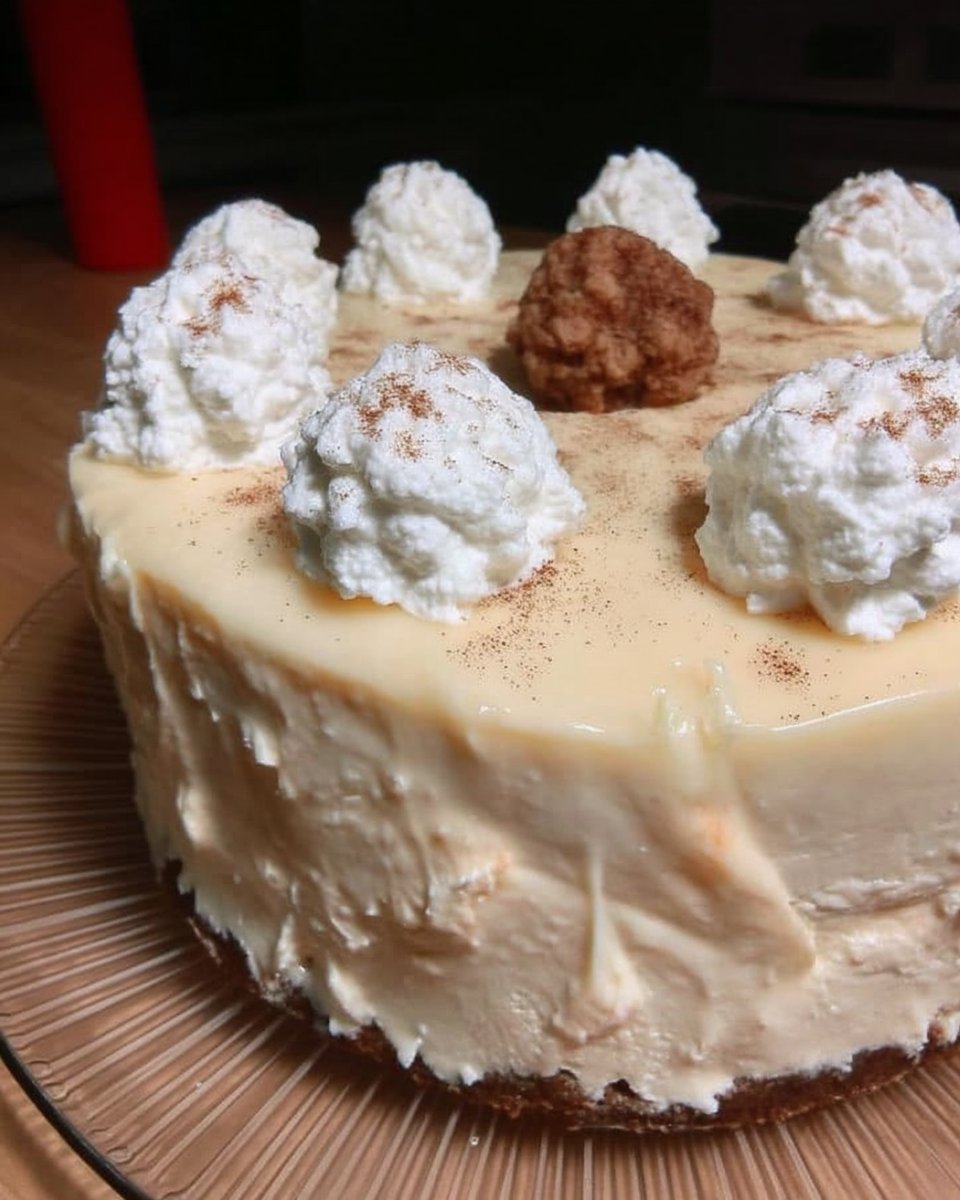
In my years of British pastry practice, I have found that the geometry of a traybake dictates its eating quality. A perfect cake slice relies on a uniform crumb structure that supports its own weight while remaining remarkably tender. This methodical approach to layering and inclusion distribution is what differentiates a professional bake from a casual kitchen experiment.

This carrot-based bake is a study in structural hydration, where the natural moisture of the vegetable interacts with specific lipids to create a lasting softness. We incorporate walnuts for a necessary textural contrast, providing a structural crunch against the yielding sponge. It is a reliable, professional-standard bake that rewards the patient hand with exquisite mouthfeel.
Structure Meets Texture in Every Bite
This recipe is a masterclass in balancing moisture with structural integrity. Unlike a traditional round cake which often relies on a high protein count for height, a cake slice needs to remain dense enough to be handheld yet light enough to melt on the tongue. By using vegetable oil as our primary fat, we inhibit gluten development more effectively than with butter, resulting in a crumb that is tender even when cold.
Technically, the brown sugar acts as a humectant, drawing in moisture from the atmosphere to keep the slice fresh for days. The addition of walnuts isn’t just for flavor; they provide a physical framework that prevents the crumb from collapsing under the weight of the rich cream cheese topping. You will find that the precision of the grating—ensuring the carrots are fine enough to vanish into the batter—is the secret to its uniform, golden appearance.
Print
Carrot Cake Slice
- Total Time: 55 mins
- Yield: 12 slices
- Diet: Vegetarian
Description
This professional-grade carrot cake traybake combines a moisture-rich sponge with a delicate crumb structure and crunchy walnuts. Topped with a silky cream cheese frosting, it is designed to be perfectly handheld while offering a melting, sophisticated texture.
Ingredients
- 250g self-raising flour
- 100g brown sugar
- 2 cups carrots, finely grated
- 150g vegetable oil
- 1.5 tsp mixed spice
- 45g chopped walnuts
- 200g cream cheese
- 50g softened butter
- 100g icing sugar
- 1 tsp vanilla extract
Instructions
- Pre-heat your oven to 180șC (360șF) and line a rectangular baking dish with parchment paper.
- In a medium mixing bowl, combine the self-raising flour, brown sugar, mixed spice, and chopped walnuts, then fold in the grated carrots and vegetable oil until just combined.
- Check the batter consistency; it should be a thick dropping consistency, so adjust with a small amount of oil or flour if necessary.
- Pour the batter into the prepared dish, leveling the surface with a spoon, and bake for 30-35 minutes until a skewer comes out clean.
- Let the cake rest in the pan for 10 minutes before transferring it to a wire rack to cool completely.
- Beat the cream cheese, softened butter, icing sugar, and vanilla extract together until the frosting is smooth and spreadable.
- Spread the frosting evenly over the cooled cake, chill for 20 minutes to set, and slice into uniform rectangles using a warm, clean knife.
Notes
To ensure the frosting remains stable and professional in appearance, always wait until the cake is completely cold before decorating. For the best crumb texture, use a fine grater for the carrots to ensure they distribute evenly and release their moisture during the baking process.
- Prep Time: 20 mins
- Cook Time: 35 mins
- Category: Dessert
- Method: Baking
- Cuisine: British
The Technical Foundation

Every ingredient in this cake slice serves a specific structural purpose. Achieving the perfect balance requires understanding how these components interact during the bake.
- Self-Raising Flour (250g / 8.8 oz): This provides the lift. The chemical leaveners are distributed evenly to create a consistent rise across the entire baking tray.
- Brown Sugar (100g / 3.5 oz): Beyond sweetness, the molasses content contributes to the acidity needed to react with the leaveners and provides a deep, caramel-like moisture.
- Grated Carrots (2 cups): These must be finely grated to release their liquid content during the bake, which hydrates the flour and creates a melting texture.
- Vegetable Oil (150g): As a liquid fat, it coats the flour proteins more thoroughly than solid fats, preventing the formation of tough gluten strands.
- Mixed Spice (1.5 tsp): A blend of cinnamon and nutmeg provides the aromatic profile that defines the classic carrot profile.
- Chopped Walnuts (45g / 1.6 oz): These offer a tactile contrast and healthy fats that complement the earthy carrot notes.
- Cream Cheese (200g / 7 oz): The base of our frosting, providing a tangy acidic balance to the sweet sponge.
- Icing Sugar (100g / 3.5 oz): Finely milled to create a smooth, stable emulsion for the topping.
The Methodical Process
Step 1: Oven Calibration and Preparation
Begin by pre-heating your oven to 180˚C (360˚F). Use an oven thermometer to verify the accuracy of your appliance; temperature precision is the first step toward success. Line a rectangular baking dish with high-quality parchment paper, leaving an overhang on the sides to facilitate a clean removal once the structure has set.
Step 2: Harmonizing the Dry and Wet Phases
In a medium-sized glass mixing bowl, combine the self-raising flour, brown sugar, mixed spice, and chopped walnuts. Sifting the flour is recommended to remove any clumps that might create air pockets. Add the finely grated carrots and the vegetable oil. Use a steady, folding motion rather than vigorous whisking to combine the ingredients until no dry streaks remain.
Step 3: Managing Batter Consistency
Observe the tactile nature of your batter. If the mixture feels excessively resistant or dry, add a small increment of oil (no more than 10g) to achieve a thick, dropping consistency. Conversely, if it appears too fluid, a light dusting of flour will restore the necessary viscosity. The batter should hold its shape when dropped from a spoon.
Step 4: Leveling and the Initial Bake
Pour the batter into the prepared dish. Use the back of a metal spoon to press the mixture into the corners and level the surface. This ensures the cake slice bakes evenly without a domed center. Place it on the middle rack and bake for 30-35 minutes. The internal temperature should reach 95˚C (203˚F), or a skewer should come out clean with just a few moist crumbs.
Step 5: The Cooling Phase
Do not attempt to remove the bake immediately. Allow it to rest in the pan for at least 10 minutes. This allows the internal starches to set and prevents the crumb from tearing. Transfer to a wire rack and wait until the sponge is completely cold to the touch. Applying frosting to a warm cake will cause the emulsion to break, leading to a greasy finish.
Step 6: Creating the Frosting Emulsion
In a clean bowl, combine the room-temperature cream cheese, softened butter, icing sugar, and vanilla extract. Beat the mixture until it reaches a smooth, spreadable consistency with no visible granules. The ratio of fat to sugar here is designed to provide a stable, pipeable texture that still feels light on the palate.
Step 7: Final Assembly and Slicing
Spread the frosting evenly across the top of the cooled cake using an offset spatula for a professional finish. For the cleanest edges, chill the frosted cake for 20 minutes before cutting. Use a sharp, warm knife to slice into uniform squares or rectangles, wiping the blade between each cut to maintain the visual integrity of the layers.
Precision Secrets for Structural Wisdom

To achieve the ultimate cake slice, pay close attention to the moisture level of your carrots. If they are particularly juicy after grating, lightly pat them with a paper towel to avoid adding excess water to the batter. This maintains the precise hydration ratio required for a firm yet tender crumb. For those looking to master other classic textures, my guide on the old-fashioned-chocolate-cake covers similar principles of fat-based moisture. Furthermore, always use room-temperature ingredients for the frosting to prevent curdling. You can also refer to techniques found at Wandercooks for additional insights on regional variations of this classic traybake.
Technical Tweaks for Advanced Bakers
While the standard carrot profile is a victory of tradition, you can modify the inclusions to change the structural mouthfeel. Replacing walnuts with toasted pecans offers a softer crunch and a more buttery finish. If you desire a denser, more fruit-forward profile, you might consider the inclusion of golden raisins or sultanas, similar to the techniques used in our fruit-cake. For a more modern twist, a layer of salted caramel can be swirled into the batter before baking, though this will require a slightly longer bake time to account for the increased sugar density.
Presentation and Textural Balance

For a truly spectacular presentation, serve these slices on a chilled marble board to keep the cream cheese frosting firm. The contrast between the vibrant orange of the sponge and the stark white frosting is visually stunning. Pair each cake slice with a sharp, acidic accompaniment like a lemon zest garnish or a dollop of crème fraîche to cut through the sweetness. If you enjoy desserts that balance sweet and salty profiles, you should examine our snickers-cake for further inspiration on complex flavor layering.
Master the Craft of the Traybake
Achieving the perfect cake slice is a triumph of technical discipline and an understanding of ingredient synergy. By following these precise steps, you have created a dessert that balances structural beauty with an exquisite, melting texture. For another exploration of delicate fruit and cream balances, I highly recommend my recipe for raspberry-white-chocolate-cake. Please share your baking victories with our community on Pinterest, Instagram, or Facebook. Mastering these fundamentals is the surest path to professional-grade results in your home kitchen.