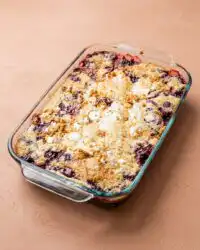
My early years in a rigorous London pastry kitchen taught me that even the most nostalgic desserts require a methodical approach to layering and temperature. Achieving a stable base that supports silken tiers is a matter of thermal control and precise ingredient ratios, ensuring the structure doesn’t collapse under its own weight. This specific Chocolate Delight recipe represents a triumph of textures, balancing a crisp nut-infused shortbread with the delicate melt of cream and cocoa.

This dessert is far more than a simple pudding; it is a masterclass in stratified assembly where each tier performs a specific structural role. We move from a baked shortbread foundation to a dense cream cheese emulsion, followed by a light chocolate mousse and a stable whipped finish. By following these technical cues, you will produce a dessert that holds a clean vertical edge while maintaining a remarkably smooth mouthfeel.
Structure Meets Texture
There is a fundamental satisfaction in a dessert that offers a clear textural progression in every single bite. This Chocolate Delight succeeds because it respects the physics of pastry, utilizing a pecan-enriched shortbread crust to provide a necessary architectural anchor for the softer layers above. Without the resistance of the crisp base, the pudding layers would lack the contrast needed to keep the palate engaged.
Technically, the beauty of this dish lies in its moisture management. The cream cheese layer acts as a moisture barrier, preventing the chocolate pudding from migrating into the shortbread and making it soggy. This preservation of the “snap” is what separates a professional-grade dessert from a standard home-style bake. When you master this balance, you achieve a level of sensory complexity that is both comforting and sophisticated.
Furthermore, the use of cold-tempered dairy products ensures that the chocolate layer sets with a consistent crumb-like density. It is an exquisite display of how basic ingredients, when combined with precision and timing, can create a spectacular result. You will find that the subtle saltiness of the pecans provides a perfect counterpoint to the richness of the chocolate, resulting in a flavor profile that is beautifully balanced.
Print
Chocolate Delight
- Total Time: 2 hours 50 mins
- Yield: 15 servings
- Diet: Vegetarian
Description
This Chocolate Delight is a meticulously layered dessert featuring a crisp pecan-infused shortbread base, a velvety cream cheese emulsion, and a rich chocolate pudding center. Topped with light whipped cream and toasted nuts, it offers a professional balance of textures and sophisticated cocoa notes.
Ingredients
- 1 cup all-purpose flour
- 1 cup unsalted butter, room temperature
- 1.5 cups finely chopped pecans, divided
- 1 pinch salt
- 8 oz cream cheese, softened
- 1 cup powdered sugar
- 12 oz whipped topping, thawed and divided
- 2 packages (3.9 oz each) instant chocolate pudding mix
- 3 cups whole milk
Instructions
- Preheat your oven to 325°F (163°C).
- In a large mixing bowl, combine the all-purpose flour, room-temperature butter, 1 cup of chopped pecans, and a pinch of salt until the mixture resembles coarse sand.
- Press this mixture firmly into the bottom of a 13×9 baking dish, ensuring even distribution.
- Bake for 25 to 30 minutes until the crust is pale golden and fragrant, then allow it to cool completely to room temperature.
- Beat the softened cream cheese and powdered sugar at medium speed until smooth and glossy.
- Gently fold in half of the thawed whipped topping into the cream cheese mixture and spread evenly over the cooled crust.
- Whisk the two boxes of instant chocolate pudding with 3 cups of cold whole milk for exactly two minutes until thickened.
- Pour the chocolate pudding over the cream cheese layer and level the surface carefully.
- Spread the remaining whipped topping over the top and garnish with the remaining half-cup of pecans.
- Refrigerate for at least two hours to allow the fats to firm and the layers to set properly.
Notes
To ensure structural integrity and prevent the dairy layers from melting, the crust must be entirely cold before you begin layering. For a professional presentation, use a warm, damp knife to slice the dessert, cleaning the blade between every cut to maintain the distinct separation of the white and dark tiers.
- Prep Time: 20 mins
- Cook Time: 30 mins
- Category: Dessert
- Method: Baking and Layering
- Cuisine: American
The Technical Foundation
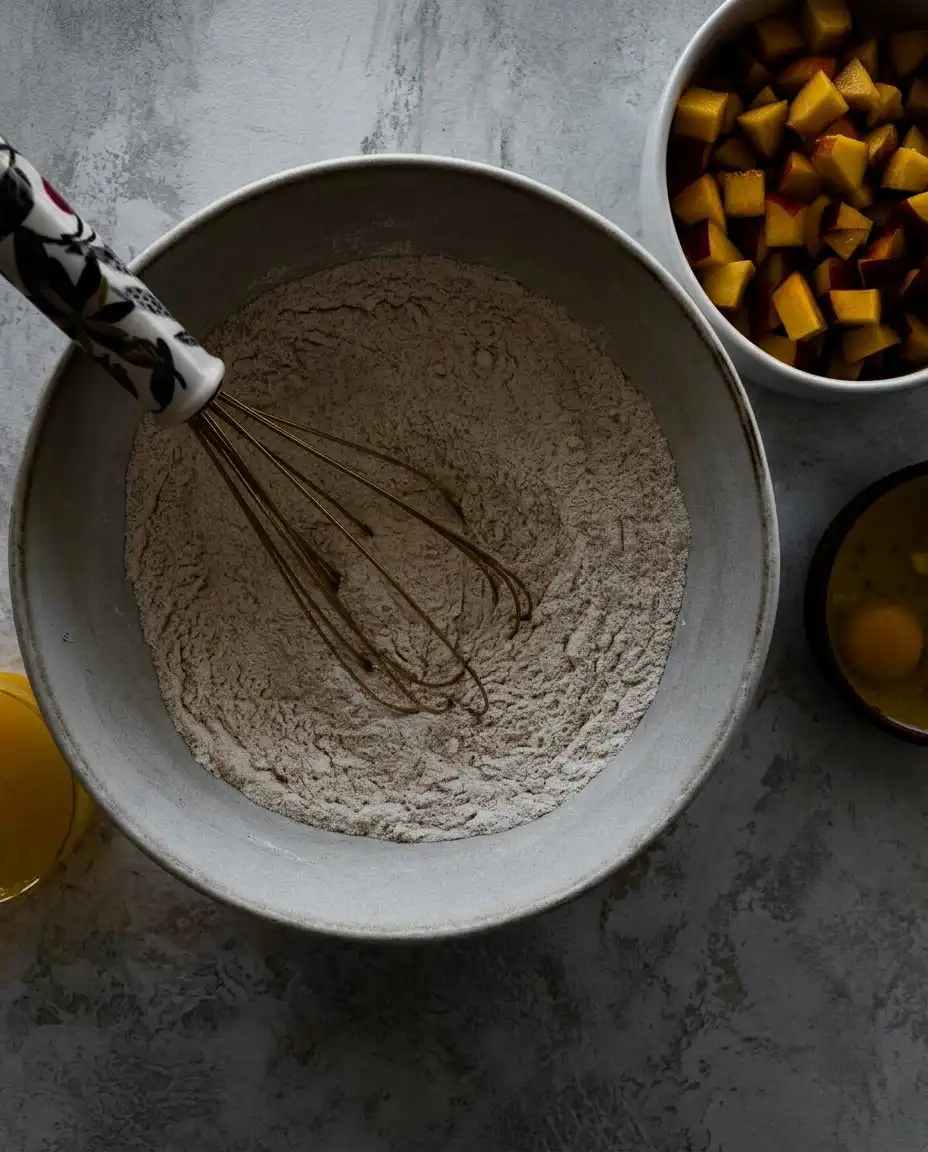
To achieve the perfect Chocolate Delight, one must understand the functional properties of the ingredients selected. Each component serves a purpose beyond flavor, contributing to the overall integrity of the four-tier system.
- All-Purpose Flour: This provides the structural framework for our base. We look for a moderate protein content to ensure the crust is sturdy enough to be sliced but tender enough to melt.
- Unsalted Butter: Use butter with at least 82% fat content. It must be at room temperature (approximately 68°F or 20°C) to cream effectively with the flour and pecans, creating a short, sandy texture.
- Finely Chopped Pecans: These are not merely for flavor; the natural oils in the pecans help bind the crust while the solid bits add a structural crunch that persists even after refrigeration.
- Cream Cheese: Ensure this is fully softened. A cold cream cheese will never emulsify smoothly with powdered sugar, leading to unsightly lumps that disrupt the silken texture of the second layer.
- Instant Chocolate Pudding: The modified starches in instant pudding provide immediate thickening and a consistent viscosity that holds its shape when cut.
- Whole Milk: The fat content in whole milk is essential for a rich mouthfeel. Using skim milk would result in a thin, watery chocolate layer that lacks structural presence.
The Method
Step 1: Execute the Shortbread Foundation
Preheat your oven to 325°F (163°C). In a large mixing bowl, combine the all-purpose flour, room-temperature butter, 1 cup of the finely chopped pecans, and a pinch of salt. Use an electric mixer on a low setting until the fat is evenly distributed and the mixture resembles coarse sand. Press this mixture firmly and evenly into the bottom of a 13×9 baking dish, ensuring the corners are well-defined. Bake for 25 to 30 minutes. You are looking for a pale golden hue and a fragrant, nutty aroma. It is vital to let this crust cool completely to room temperature before proceeding to prevent the dairy layers from melting.
Step 2: Form the Cream Cheese Emulsion
In a clean bowl, combine the softened cream cheese and powdered sugar. Beat at medium speed until the mixture is entirely smooth and glossy. Using a silicone spatula, gently fold in exactly half of the thawed whipped topping. This folding technique is crucial; we want to incorporate the air from the topping into the dense cream cheese without deflating it. Spread this lightened mixture over the cooled crust using an offset spatula to ensure a perfectly level surface.
Step 3: Hydrate the Chocolate Pudding
Combine the two boxes of instant chocolate pudding with 3 cups of cold milk. Mix on medium speed for exactly two minutes. You will notice the pudding begin to thicken as the starches hydrate. Immediately pour this over the cream cheese layer before it fully sets, which allows the two layers to bond slightly. Level the surface carefully, moving from the center out toward the edges of the dish.
Step 4: Final Stabilization and Garnish
Spread the remaining whipped topping over the chocolate pudding tier. This acts as a protective seal, preventing the pudding from forming a skin. Sprinkle the remaining half-cup of pecans over the top in an even distribution. The dessert must now undergo a thermal set in the refrigerator for at least two hours. This refrigeration period allows the starches to fully lock and the fats to firm, ensuring a clean vertical slice when serving.
Precision Secrets
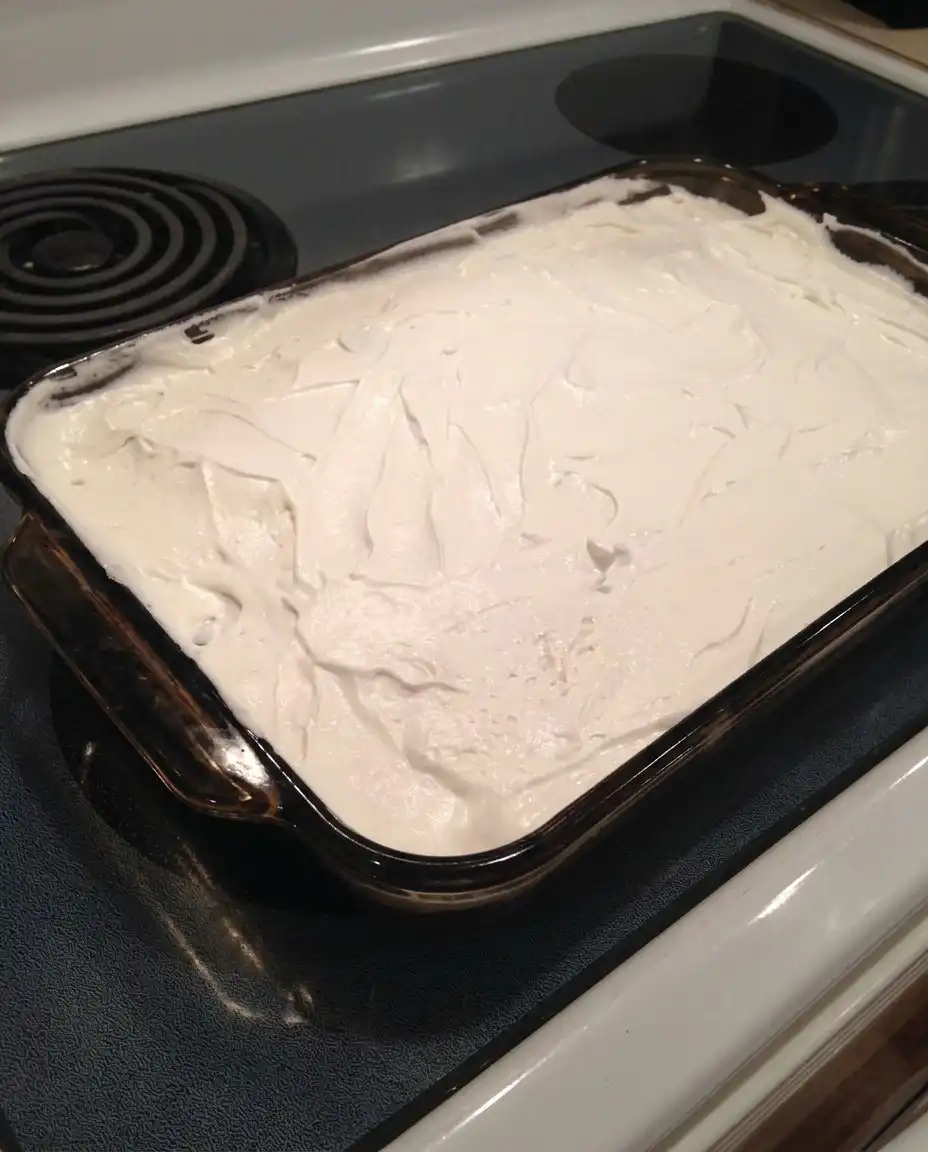
To achieve a professional finish on your Chocolate Delight, pay close attention to the cooling process. If you spread the cream cheese mixture onto a even slightly warm crust, the fat will liquify, and you will lose the distinct separation between the tiers. I recommend placing the baked crust in the refrigerator for 20 minutes once it has reached room temperature to ensure it is thoroughly chilled.
Another technical secret involves the knife work. To get those sharp, clean edges visible in a high-end pastry shop, dip your knife in hot water and wipe it dry between every single cut. This melts the fats just enough to slide through the layers without dragging the chocolate into the white cream. For more on mastering the nuances of cocoa-based textures, you might find our old-fashioned chocolate cake guide particularly useful for understanding moisture retention in bakes.
Technical Tweaks
While the classic pecan and chocolate combination is a standard of the craft, you can adjust the structural elements to suit different profiles. For instance, swapping the pecan shortbread for a crushed dark chocolate biscuit base increases the cocoa intensity while maintaining the necessary crunch. If you choose this route, reduce the added salt in the crust as commercial biscuits often contain higher sodium levels.
For a more Mediterranean influence, you could substitute the pecans with toasted pistachios and add a teaspoon of orange blossom water to the cream cheese layer. This introduces a floral aromatic that cuts through the richness of the chocolate. If you enjoy experimenting with different layer configurations, see our collection of cake ideas chocolate cake for inspiration on how to stack flavors effectively while maintaining structural balance.
Presentation Precision
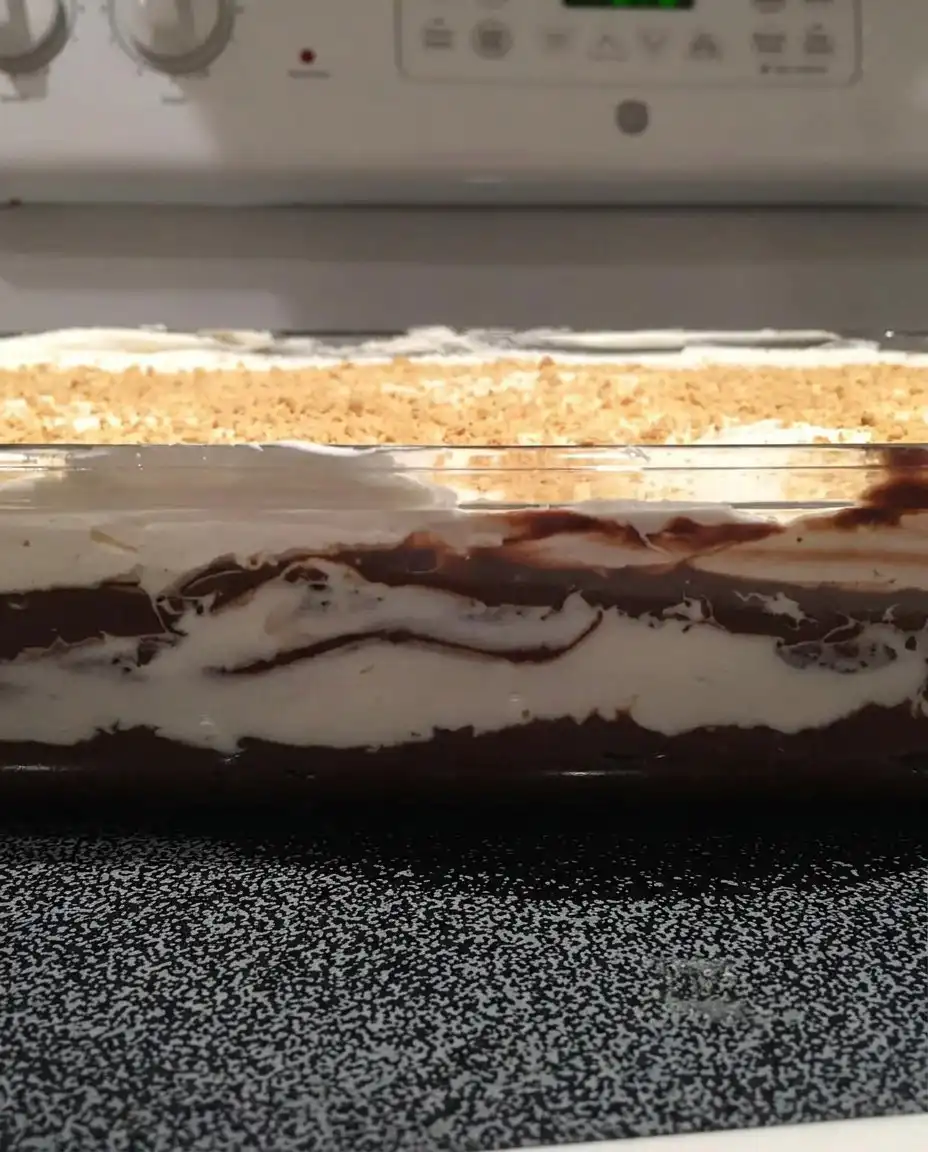
When presenting the Chocolate Delight, the visual appeal is centered on the contrast of the four distinct layers. I prefer to serve this in square portions, approximately 2 inches by 2 inches, to highlight the vertical architecture. Serving the dish on a chilled white porcelain plate will help maintain the temperature of the dairy layers during consumption.
To add a final touch of professional flair, you can add a light dusting of cocoa powder or a few curls of dark chocolate over the whipped topping just before serving. This reinforces the chocolate profile and adds a sophisticated aesthetic. For those looking to master other chilled layered desserts, our chocolate cheesecake provides excellent further study into the science of cold-set dairy structures.
Master the Craft
Mastering a dessert like this is a testament to your understanding of pastry layers and temperature control. By treating each tier as a separate technical challenge, you create a final product that is far greater than the sum of its parts. The precision used in pressing the crust and the patience exercised during the chilling phases are what ensure a result that is both beautiful and texturally perfect. Once you have perfected the Chocolate Delight, you might want to challenge your skills further with our devils food cake, which requires a different approach to crumb structure and moisture.
I invite you to share your results and technical triumphs with our community. Connecting with other passionate bakers is a wonderful way to refine your craft. You can find us on Pinterest, Instagram, and Facebook to see more of our pastry explorations and structural secrets.