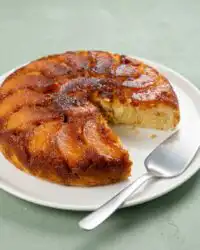
A mere thirty seconds of baking inattention or a deviation of ten degrees decides whether this classic pineapple upside down cake releases cleanly or tears at the crown.

Baking a Classic Pineapple Upside Down Cake requires complete mastery over the caramelization of sugars and the emulsion of fats. If the sugar dissolves too quickly or the fruit juices run uncontrolled, the delicate sponge beneath becomes unpleasantly soggy. By managing the oven temperature and using exact measurements, we build a protective structural skin that preserves the integrity of the fruit. This methodical approach guarantees that the cake flips cleanly, presenting a flawless, golden caramelized top.
Why Precision Pays Off Here for a Classic Pineapple Upside Down Cake
Prep: 20 min · Serves: 8 · Difficulty: Medium
- Weighed sugar balances fruit acidity reliably.
- Controlled caramelization prevents soggy bottom layers.
- Emulsified cake batter holds moisture without collapsing.
- Specific cooling times guarantee a flawless release.
Our systematic approach delivers identical crumb structural integrity to what you find in our classic peach upside down cake. This method brings unmatched pastry bench reliability to your home kitchen. Weigh it, time it, trust it.
Get The Full Cake Recipe
Print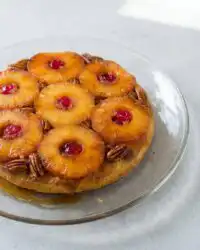
Classic Pineapple Upside Down Cake
- Total Time: 1 hour 20 mins
- Yield: 8 servings
Description
This classic pineapple upside down cake features a perfectly caramelized fruit crown atop a light, tender sponge. By focusing on temperature control and precise ingredient weighing, you can achieve a flawless, professional-grade release every time.
Ingredients
- 60 grams unsalted butter
- Light brown sugar
- Canned pineapple rings
- Maraschino cherries
- All-purpose flour
- Baking powder
- Kosher salt
- Granulated sugar
- Eggs
- Pineapple juice
- Vanilla extract
- Whole milk
Instructions
- Prep the pan. Melt sixty grams of butter in your baking pan or cast-iron skillet, ensuring the bottom is evenly coated.
- Construct the base. Sprinkle light brown sugar over the melted butter, arrange pineapple rings in a single layer, and place a maraschino cherry in the center of each ring.
- Whisk dry ingredients. Sift the flour, baking powder, and kosher salt into a mixing bowl to aerate and remove clumps.
- Cream butter and sugar. Use a stand mixer to beat the butter and granulated sugar for four minutes until the mixture is pale and fluffy.
- Incorporate liquids. Add eggs individually, then mix in the pineapple juice and vanilla extract until the batter is cohesive.
- Combine ingredients. Gradually alternate adding the flour mixture and milk to the batter, mixing on low speed to maintain the crumb structure.
- Spread the batter. Carefully spread the thick batter over the fruit base and bake at 175°C for fifty minutes until a skewer emerges clean.
- Rest and invert. Let the cake rest for ten minutes, then invert it onto a serving platter in one swift, controlled motion.
Notes
- Ensure all cold ingredients reach room temperature before starting to prevent the batter from breaking.
- Thoroughly pat pineapple rings dry with paper towels to avoid a watery, thin caramel glaze.
- Use a digital kitchen scale for measuring flour to maintain the structural integrity required for the cake.
- Invert the cake while it is still slightly warm to help the caramel release cleanly from the pan.
- Prep Time: 20 mins
- Cook Time: 50 mins
- Category: Dessert
- Method: Baking
- Cuisine: American
The Working Components
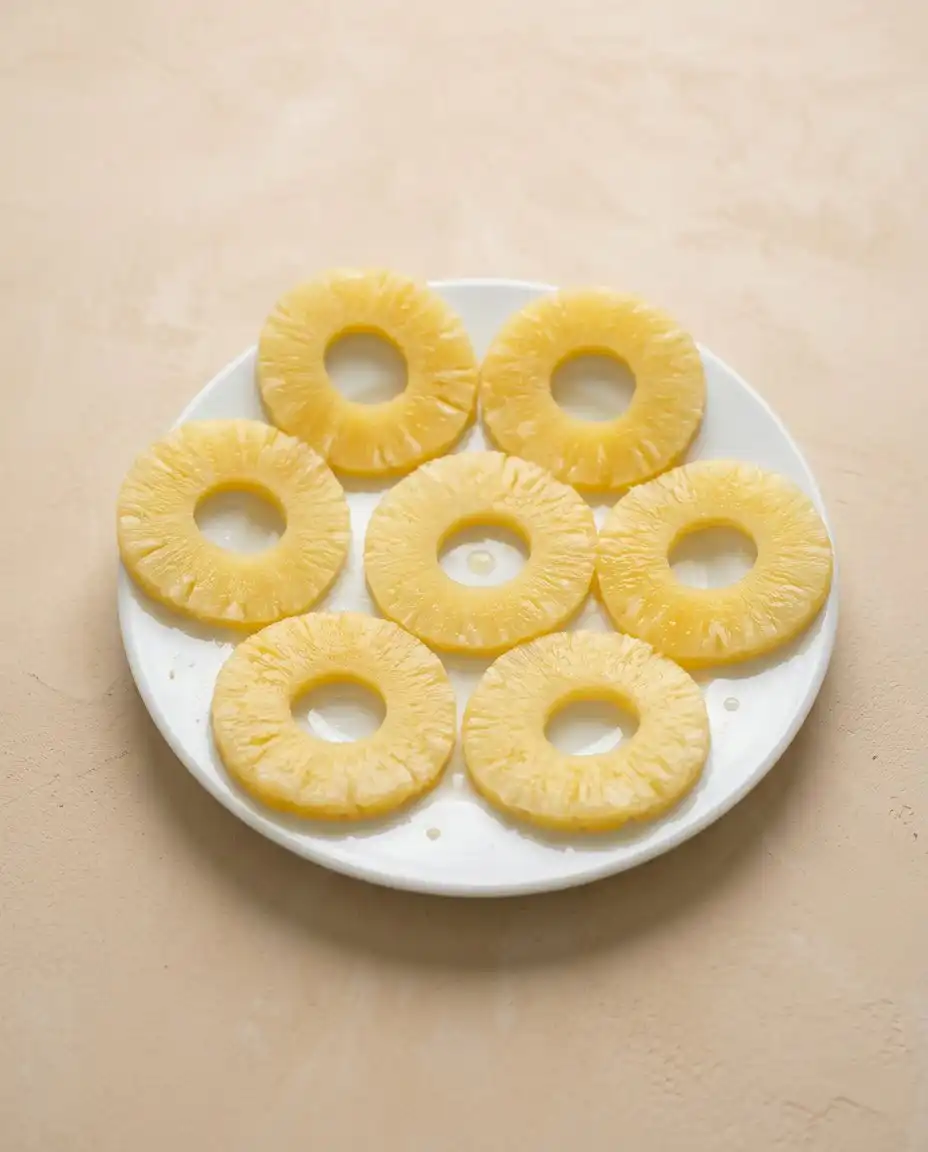
To build a cake that stands tall under the weight of caramelized fruit, each ingredient must perform its specific chemical role. Sugar, flour, fat, and liquid are balanced here to prevent the sponge from absorbing too much pineapple moisture. Every component must be weighed precisely on a digital scale to achieve the correct density.
- Light Brown Sugar: This ingredient provides the sucrose necessary to form a thick, bubbling caramel layer that coats the fruit.
- Unsalted Butter: It lubricates the starch molecules, preventing tough gluten links and creating a tender, melting mouthfeel.
- Canned Pineapple Rings: The rings act as structural disks that release natural sugars and moisture, which we must balance with a dry sponge.
- All-Purpose Flour: The main structural protein network of the cake, which we sift to ensure even distribution of the leaveners.
- Baking Powder: It generates carbon dioxide bubbles, which lift the dense batter and counteract the heavy caramelized topping.
- Whole Milk: The liquid base that hydrates the proteins and assists in starch gelatinisation during the baking cycle.
| Ingredient | Why It Matters |
|---|---|
| Unsalted Butter | Creates the fat barrier and softens gluten development. |
| Light Brown Sugar | Caramelizes with butter to build the golden top glaze. |
| Sifted Flour | Forms the structural crumb that carries the heavy fruit. |
| Pineapple Juice | Adds natural acidity to balance the sweetness of the sponge. |
| Whole Milk | Hydrates the starches to initiate proper baking structure. |
The Tested Procedure
Step 1: Prep the Pan and Melt Butter
We begin by melting sixty grams of unsalted butter directly in your baking pan or cast-iron skillet. The butter must cover the bottom surface evenly without browning, creating a clear pool. This layer acts as a release barrier and forms the base for our caramelized glaze.
Step 2: Construct the Caramel Fruit Base
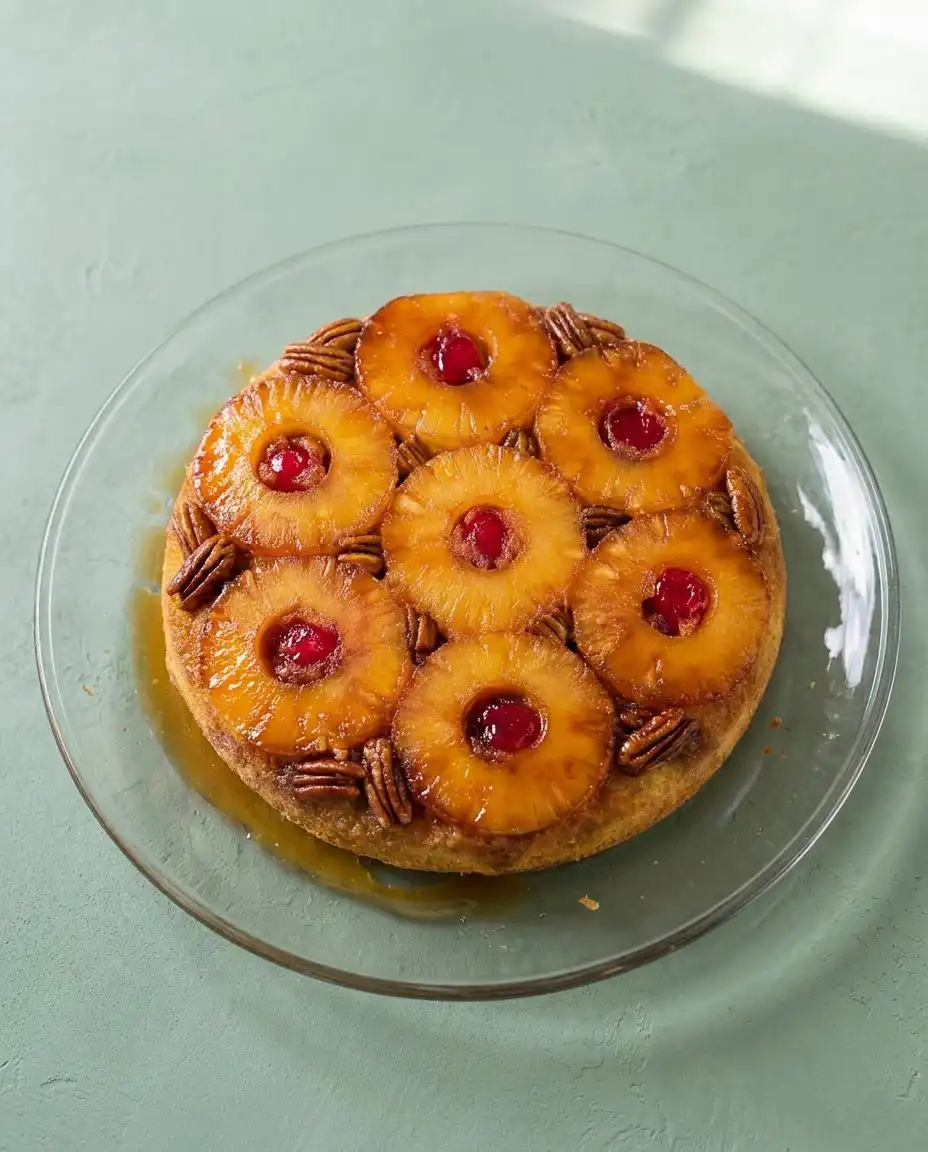
We weigh and sprinkle the light brown sugar evenly over the warm butter layer. Arrange the canned pineapple rings across the surface, pressing them gently into the sugar bed. Place a maraschino cherry in the center of each ring to complete the traditional geometric design.
Step 3: Sift and Whisk Dry Ingredients
We sift the all-purpose flour, baking powder, and kosher salt into a clean mixing bowl. This aeration process prevents dry clumps and guarantees the chemical leavener is distributed uniformly. A uniform dry mix prevents uneven rising pockets in the oven.
Step 4: Emulsify Butter and Sugar
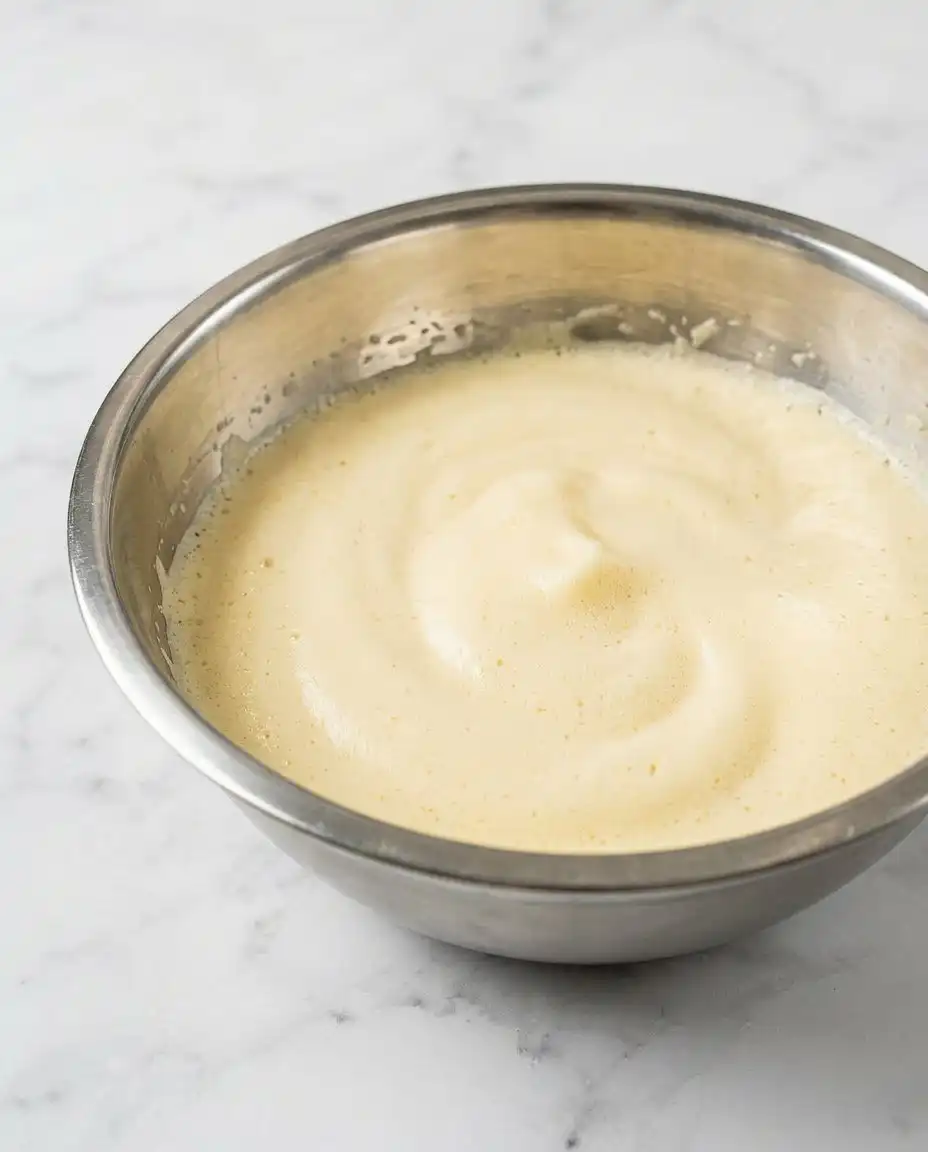
Using a stand mixer fitted with the paddle attachment, cream the softened butter and granulated sugar for exactly four minutes. The mixture should transition from a dark yellow paste to a pale, fluffy mass that clings to the bowl. This incorporates microscopic air bubbles that are critical for a light crumb.
Step 5: Incorporate Eggs and Liquids
We add the eggs one at a time, mixing on medium speed to form a stable emulsion. Pour in the pineapple juice and vanilla extract, scraping the sides of the bowl to guarantee a cohesive batter. If the mixture appears split, a tablespoon of flour will help bind the fats and liquids.
Step 6: Alternating Flour and Milk
With the mixer on low speed, add one-third of the dry flour mixture followed by half of the milk. Repeat this cycle, finishing with the final addition of flour to prevent gluten over-development. The resulting batter should be thick, smooth, and hold its shape when lifted.
Step 7: Spread the Classic Pineapple Upside Down Cake Batter
We use an offset palette knife to gently spread the thick batter over the arranged pineapple rings and cherries. Be careful not to disturb the fruit pattern underneath as you smooth the surface flat. Bake at 175°C for exactly fifty minutes until a wooden skewer inserted into the center emerges clean.
Step 8: The Ten-Minute Rest and Inversion
We place the hot pan on a wire cooling rack and let it rest for exactly ten minutes. This brief window allows the bubbling caramel to set slightly while the cake structure stabilizes. Place a flat serving platter over the pan, grip both sides firmly, and invert the cake in one swift motion.
Pastry Bench Tips
When mixing the batter, verify your dairy and eggs are exactly room temperature to prevent the emulsion from breaking. This temperature parity is equally vital here as it is when baking our classic vanilla butter cake. Cold milk will cause the butter to seize, resulting in a dense, heavy crumb.
We recommend drying your canned pineapple slices thoroughly between paper towels before laying them in the pan. Excess moisture on the surface of the fruit dilutes the caramel, leading to a runny glaze. For additional structural insights, you can review this authentic southern style pineapple upside down cake method to see how pan sizes impact moisture release.
If your caramelized topping sticks to the pan during inversion, the pan was likely cooled too long, causing the sugar to solidify. To fix this, place the pan over a warm stovetop burner for thirty seconds to melt the caramel base slightly before lifting the pan. Always use a warm, damp towel over the bottom of the pan to ease stubborn releases.
We find that a digital probe thermometer inserted into the center of the cake should read exactly 96°C when fully baked. Relying on visual cues alone can be deceptive because the high sugar content in the fruit caramelizes quickly, making the cake look done before the interior is set. A physical temperature reading guarantees the flour’s starches have fully gelatinised.
We recommend using a heavy-gauge cake pan with two-inch sides rather than a springform pan for this recipe. Springform pans are notorious for leaking the rich butter-sugar syrup through the bottom seal, which ruins your oven and dries out the topping. If you must use a springform, wrap the exterior tightly in two layers of heavy aluminum foil.
We prefer using maraschino cherries without stems and drying them completely on kitchen paper before baking. This prevents the red food dye from bleeding into the yellow pineapple flesh and cake crumb. It maintains the crisp, clean visual boundaries that define professional-tier pastry work.
Frequently Asked Questions
Why does my Pineapple Upside Down Cake stick?
The cake typically sticks if the sugar has cooled too much and hardened before inversion. We must invert the cake exactly ten minutes after removing it from the oven while the caramel is still fluid. If it cools completely, the caramelized sugar acts as a glue, locking the fruit to the pan.
Can I use fresh pineapple instead of canned?
Yes, you can use fresh pineapple, but it must be sliced to a uniform thickness of about half an inch. Fresh pineapple contains more active bromelain, an enzyme that can break down proteins and soften the sponge. We recommend poaching fresh slices briefly to deactivate this enzyme and control the water release.
Should I use maraschino cherries?
While maraschino cherries are traditional for their vivid color and sweetness, they are not strictly required. You can substitute them with fresh cherries, pecan halves, or even candied ginger. If using maraschino cherries, always dry them thoroughly to prevent red dye bleeding.
How do I stop the bottom of the cake from being soggy?
A soggy bottom occurs when there is too much liquid released from the fruit or if the batter is underbaked. We prevent this by draining the pineapple slices completely and drying them with paper towels. Additionally, maintaining a precise oven temperature of 175°C ensures the cake cooks through before the fruit releases its juices.
How do you store Pineapple Upside Down Cake?
We store the completely cooled cake in an airtight container in the refrigerator for up to three days. Because of the high moisture content in the caramelized fruit topping, keeping it at room temperature can invite mold. We recommend warming individual slices in the oven at 150°C for five minutes before serving.
Can I bake this cake in a glass dish?
We advise against using glass baking dishes because they conduct heat differently than metal or cast iron. Glass takes longer to heat up and retains heat longer, which can easily burn the caramel topping before the cake center is baked. A heavy metal pan or cast-iron skillet provides the even heat distribution required for caramelization.
What is the shelf life of this cake?
The cake is at its structural peak within twelve hours of baking when served slightly warm. It remains highly palatable for three days if kept refrigerated under dome glass. We do not recommend freezing this cake, as the freezing and thawing process breaks down the caramelized fruit cells, causing a soggy presentation.
Considered Adjustments
For a deeper, more complex caramel layer, we can introduce dark rum or bourbon into the melted butter before adding the brown sugar. This addition adds subtle wood notes and spice that pair naturally with the tropical fruit. If you enjoy this deeper profile, you might also appreciate our bourbon peach upside down cake, which uses a similar flavor marriage.
We can swap the traditional maraschino cherries for fresh sweet cherries during the summer season to alter the texture. Fresh cherries hold a firmer, slightly tart bite that cuts through the rich caramel layer beautifully. You can pit them and press them firmly into the spaces between the pineapple rings before spreading the batter.
Adding a tablespoon of toasted, finely ground coconut to the dry flour mixture introduces a delicate structural crunch. This addition subtly changes the crumb structure without absorbing too much liquid from the batter. It enhances the tropical aroma of the cake while keeping the moisture balance perfectly intact.
Serving the Structure
We prefer serving this cake warm, roughly fifteen minutes after the clean inversion is completed. At this precise stage, the caramel remains warm and fluid, acting as a rich sauce that slowly saturates the tender crumb. Accompany each slice with a simple, unsweetened whipped cream to balance the high sugar concentration of the topping.
If you prefer a cold presentation, this cake can be served chilled alongside a hot pot of black tea. The cold temperature firms the caramel into a clean, gel-like glaze that offers a different, yet highly satisfying mouthfeel. This clean, cool presentation is reminiscent of our no bake caramel peach upside down cake which relies on cold structural setting.
For a formal plating, dust the serving platter lightly with a pinch of sea salt flakes before resting the cake slice down. The salt cuts through the heavy brown sugar profile and enhances the natural acidity of the pineapple. Keep any additional toppings simple to guarantee the geometric fruit design remains the central focus of the plate.

What the Technique Gives You
By focusing on precise measurements and temperature control, we transform a vintage favorite into a masterclass of pastry structure. This method proves that understanding the physical properties of sugar and flour is what makes the melt possible. When you take the time to dry the fruit and temper the heat, the reward is a cake of pristine geometry.
We invite you to practice this method on your own kitchen bench and see the difference precision makes. If you find success with this structural approach, you may also want to challenge yourself with our classic peach upside down cake recipe for your next baking session.
Please share your baking results with us and join our community of passionate home bakers. You can connect with Melt Cake on Pinterest, Facebook, and TikTok to follow our latest technical guides and baking tips.