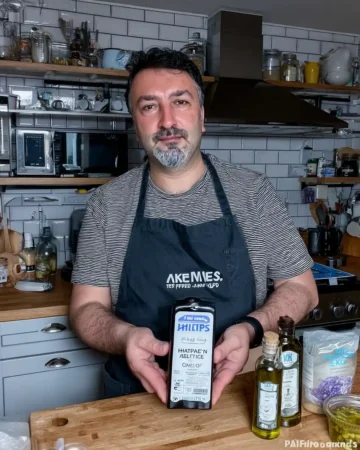
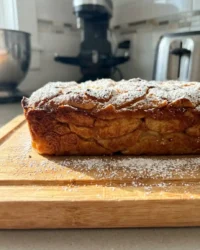
At our sun-drenched table, a warm lemon mug cake sits beside a steaming cup of Turkish coffee, waiting for the first quiet spoonful to glide through its soft, fragrant crumb.

The beauty of Mediterranean baking lies not in the scale of the feast, but in the patience of the preparation and the richness of the texture. When the craving for something bright and sweet strikes in the quiet hours, a single-serving dessert can carry the same soul as a grand cake. This simple lemon mug cake captures that spirit, offering a glossy glaze and a tender crumb that melts on the tongue. It is a quick journey to warmth, requiring only five minutes and a handful of pantry staples to bring sunshine to your kitchen.
Why This Lemon Mug Cake Melts the Way It Does
Prep: 5 min · Serves: 1 · Difficulty: Easy
- Tender, pillowy crumb that melts instantly.
- Bright, fresh citrus notes in every bite.
- Ready in under five minutes from scratch.
- Perfectly portioned for a quiet late-night treat.
- Glossy, sweet glaze that mimics traditional bakes.
To sit with a warm dessert in the late afternoon is one of life’s simplest pleasures. We often think of baking as an elaborate ritual, but sometimes the heart of the soak can be captured in a single, quiet moment. This recipe offers the same deep satisfaction as our classic cakes, but in a fraction of the time. If you appreciate the bright notes of a lemon drizzle cake, this individual treat will bring that exact joy to your table. You will find that this warm, zesty crumb is sweet, never cloying.
Get The Full Cake Recipe
Print
Lemon Mug Cake
- Total Time: 7 mins
- Yield: 1 serving
Description
This vibrant single-serving lemon mug cake features a tender, citrus-infused sponge topped with a sweet, glossy glaze. It is the perfect Mediterranean-inspired treat that comes together in under five minutes.
Ingredients
- 2 tablespoons melted unsalted butter
- 2 tablespoons granulated sugar
- 2 tablespoons fresh lemon juice
- 2 tablespoons whole milk
- 4 tablespoons all-purpose flour
- 1/4 teaspoon baking soda
- 1/8 teaspoon salt
- 1 teaspoon finely grated lemon zest
- 1 tablespoon confectioners sugar (for the glaze)
- 1/2 teaspoon lemon juice (for the glaze)
Instructions
- Combine butter and sugar. In a microwave-safe mug, stir together the melted butter and granulated sugar until well combined.
- Add wet ingredients. Stir in the milk and two tablespoons of lemon juice until the mixture is uniform.
- Incorporate dry ingredients. Add the flour, baking soda, and salt, mixing until smooth, then fold in the fresh lemon zest.
- Microwave the cake. Heat on high for 75 seconds until the top is set and dry to the touch.
- Prepare the glaze. In a small bowl, whisk together the confectioners sugar and remaining lemon juice until smooth.
- Glaze and rest. Drizzle the glaze over the warm cake and allow it to sit for two to three minutes before enjoying.
Notes
- Use a straight-sided microwave-safe mug to ensure the cake bakes evenly without overflowing.
- Avoid overmixing the batter once the flour is added to keep the crumb tender rather than rubbery.
- Letting the cake sit for two minutes after microwaving is essential for the structure to set and the glaze to absorb.
- Use room temperature milk to prevent the melted butter from solidifying when combined.
- Freshly zested lemons provide a superior aromatic profile compared to any store-bought alternatives.
- Prep Time: 5 mins
- Cook Time: 2 mins
- Category: Dessert
- Method: Microwave
- Cuisine: Mediterranean
From the Mediterranean Pantry
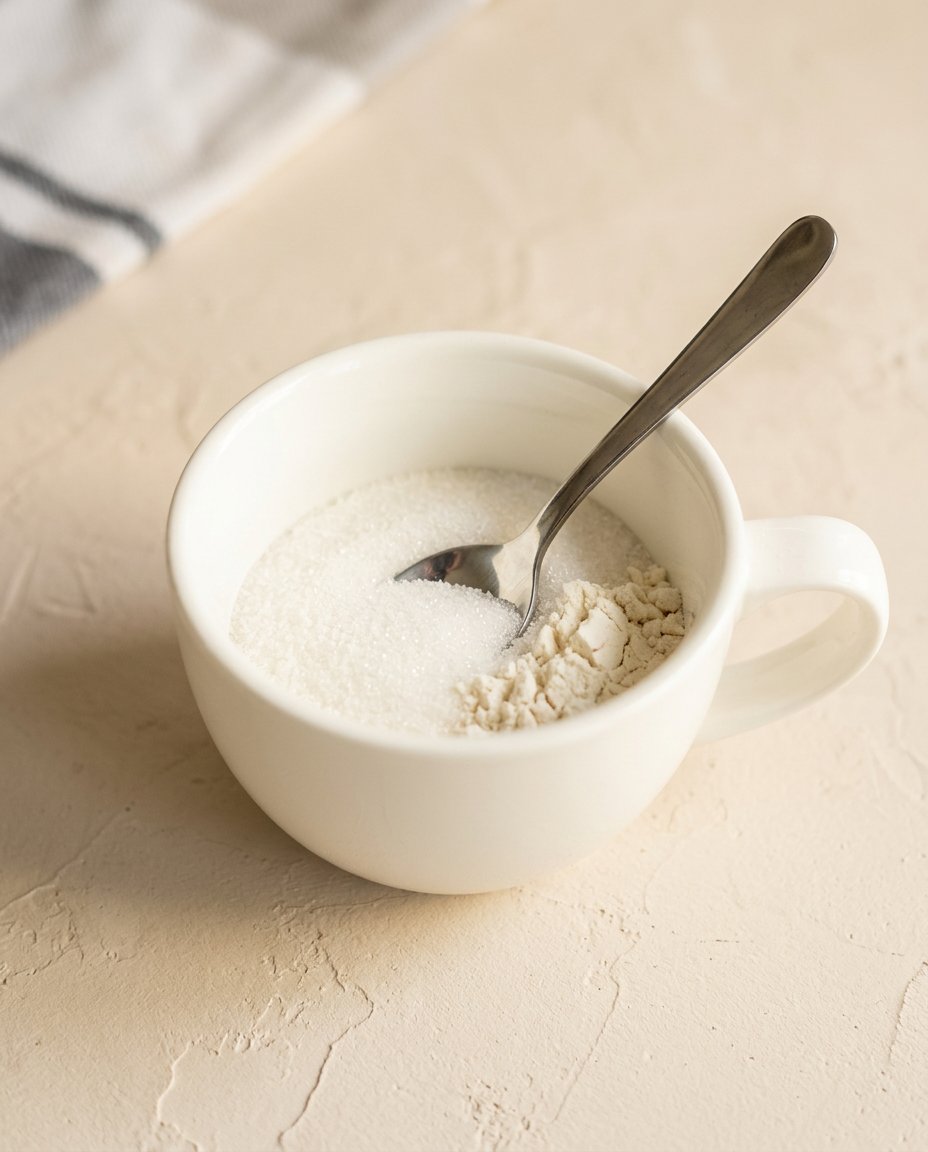
A proper cake relies on the harmony of simple elements, where each ingredient plays a specific role in creating the ultimate texture. In my kitchen, we choose components that invite moisture and tenderness into the crumb, ensuring that every bite is soft and melting. Here is what you will need from your pantry to craft this quick, sun-soaked sweet.
- Fresh Lemon Juice: The natural acidity of freshly squeezed lemons is vital because it reacts with the baking soda to create a light, airy rise in the microwave. It also cuts through the sweetness of the sugar, ensuring a balanced, bright flavor that is sweet, never cloying.
- Melted Butter: Butter provides the necessary fat to coat the flour proteins, which keeps the crumb exceptionally tender and prevents it from turning rubbery. It lends a rich, comforting depth that vegetable oils cannot replicate.
- Finely Grated Lemon Zest: The fragrant, golden oils locked within the yellow skin of the lemon contain the true essence of the fruit’s aroma. Stirring this zest into the batter ensures that every spoonful carries a deep, sun-kissed citrus perfume.
- Baking Soda: This leavening agent works immediately upon contact with the acidic lemon juice, creating tiny pockets of air that help the cake rise beautifully in its mug. It is the secret to achieving a light, sponge-like quality in such a short cooking time.
- Whole Milk: Milk adds liquid moisture and natural sugars, which contribute to a soft, glossy texture and a delicate crumb. It binds the dry ingredients together while keeping the cake from drying out during its brief encounter with heat.
- Confectioners Sugar: This finely milled sugar dissolves instantly when whisked with fresh juice, forming a smooth, glossy glaze that coats the warm surface of the cake. It acts as a quick soak, mimicking the rich syrup finishes of traditional Mediterranean desserts.
| Ingredient | Why It Matters |
|---|---|
| Fresh Lemon Juice | Reacts with baking soda for a light, fluffy lift. |
| Melted Butter | Keeps the quick crumb rich, tender, and soft. |
| Lemon Zest | Releases aromatic oils for deep, fragrant citrus flavor. |
| Confectioners Sugar | Forms a smooth, glossy glaze that soaks the cake. |
| Whole Milk | Binds the flour while preserving essential moisture. |
Cake, Syrup, Rest
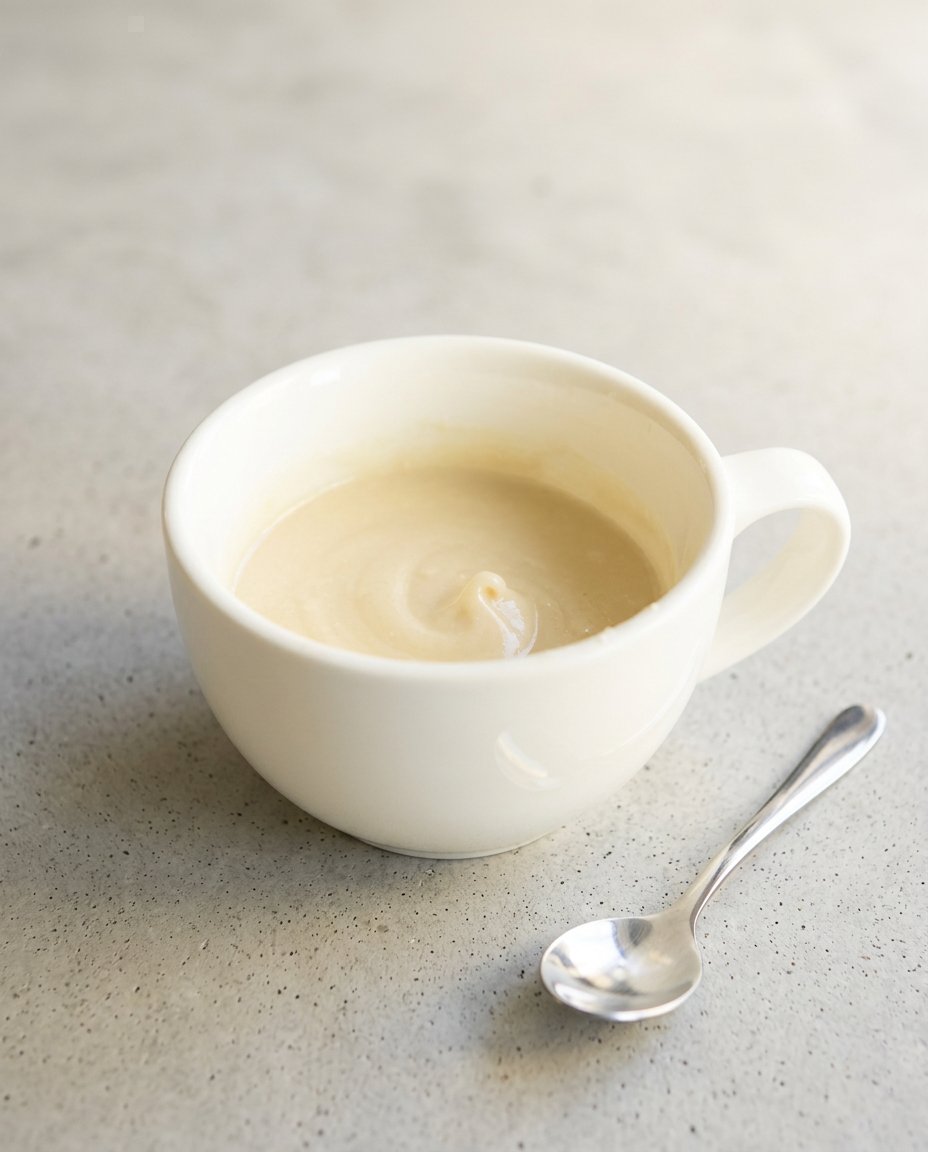
Step 1: Melting and Combining the Base
Start by melting your butter gently until it is liquid but not scorched. In your favorite wide-mouth ceramic mug, stir the warm melted butter together with the sugar using a small spoon or fork. You want to see the granules of sugar begin to soften and combine with the golden fat, creating a rich, sandy paste at the bottom of the mug. This foundation guarantees that the sweetness is evenly distributed throughout the crumb.
Step 2: Introducing the Fresh Citrus
Pour the whole milk and two tablespoons of the freshly squeezed lemon juice directly into the butter and sugar mixture. As you stir, the acid in the fresh juice will begin to react slightly with the dairy, creating a mixture that resembles a delicate, light buttermilk. This gentle curdling is a natural process that helps tenderize the gluten in the flour, promising a cake that is soft and yielding.
Step 3: Mixing the Lemon Mug Cake Batter
Spoon the flour, baking soda, and salt directly into the wet ingredients within the mug. Stir slowly and patiently, sweeping the sides of the mug to incorporate all the dry pockets of flour until a smooth batter forms. Finally, fold in the aromatic lemon zest, watching the bright yellow flecks distribute evenly through the pale, creamy batter, promising a burst of citrus in every spoonful.
Step 4: The Gentle Microwave Bake
Place the mug in the center of your microwave and heat on high for approximately 75 seconds. Watch through the window as the batter rises steadily, transforming from a liquid state into a delicate, puffed sponge that fills the mug with a sweet, lemony steam. Check the center at the 60-second mark; the top should look dry and set, yet remain slightly soft to the touch without any wet batter pooling in the middle.
Step 5: Preparing the Glossy Citrus Glaze
While the warm cake rests, prepare the sweet glaze by whisking the confectioners sugar and the remaining half teaspoon of lemon juice in a small bowl. The mixture should transform into a thick, glossy white syrup that ribbons off your spoon. If it feels too stiff, add a drop more juice; if too runny, whisk in a pinch more sugar until it reaches the ideal, pourable consistency.
Step 6: The Pour and the Rest
Drizzle the glossy glaze over the warm surface of the cake, allowing it to seep gently into the cracks and down the sides of the mug. Let the cake rest for two to three minutes before eating, which is the secret to letting the glaze set and the crumb absorb the moisture. As you slide your fork through, the glaze should feel slightly crisp on top, yielding to a meltingly tender interior.
Getting the Texture Right
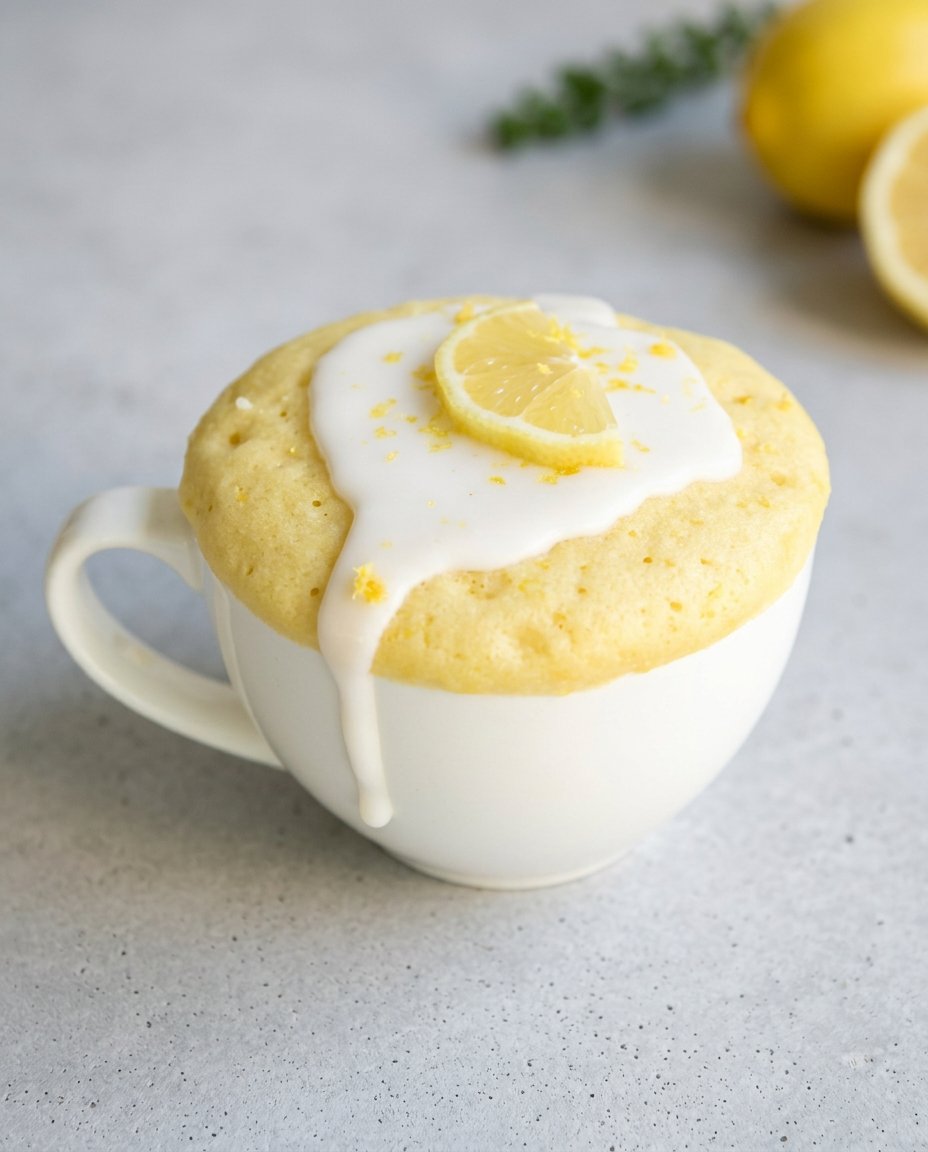
Choose a microwave-safe mug with straight, vertical sides rather than a tapered shape. A mug with a uniform width from top to bottom makes sure that the heat is distributed evenly through the batter, preventing a wet, undercooked bottom or an overcooked, dry top. A standard twelve-ounce ceramic mug is the ideal vessel for this quick bake, allowing ample room for the batter to rise without overflowing.
The temperature of your milk matters more than you might think. Cold milk can cause the melted butter to seize up into tiny, solid droplets, which results in an uneven distribution of fat and a slightly greasy texture. For a completely uniform crumb, let your milk sit on the counter for a few minutes to reach room temperature, or warm it slightly before stirring it into the mug.
If your cake turns out rubbery or dense, this is usually because the batter was overmixed or the microwave power was set too high. Overworking the flour develops the gluten proteins too much, which leads to a tough, bread-like structure instead of a tender cake. Stir the dry ingredients gently until barely combined, and if your microwave is particularly powerful, try baking at eighty percent power for a slightly longer duration.
Freshly zested lemons are infinitely superior to bottled juice or pre-packaged zest for this recipe. The volatile oils in the yellow skin of a fresh lemon carry a bright, complex aroma that cannot be captured in a bottle. If you find yourself craving a deeper fruit pairing, you might also enjoy reading about our lemon blueberry cake, which celebrates these identical bright citrus profiles in a larger format.
To achieve a glossy, professional finish, apply the glaze while the cake is still warm but not piping hot. If the sponge is too hot, the sugar glaze will melt completely and disappear into the cake, leaving no beautiful white sheen on top. Waiting only two minutes allows the surface to cool slightly, so the glaze can set into a beautiful, semi-translucent shell that cracks delightfully under your fork.
Avoid the temptation to eat the cake immediately after the microwave stops. The resting period is not merely a suggestion; it is an active part of the cooking process. As the cake sits, the steam trapped inside redistributes through the crumb, ensuring that the cake is moist and soft from the very top down to the glossy bottom of the mug. Let it soak and melt.
Frequently Asked Questions
How do you make a lemon mug cake from scratch?
Making this dessert from scratch is incredibly simple and requires no pre-made mixes. You begin by whisking melted butter, sugar, milk, and fresh lemon juice directly inside your mug before gently folding in flour, baking soda, and salt. After a quick seventy-five seconds in the microwave, you finish the warm cake with a simple glaze of powdered sugar and citrus juice.
What ingredients are in a lemon mug cake?
This quick bake relies on basic kitchen staples to create its bright flavor and soft texture. The batter is composed of melted butter, granulated sugar, whole milk, freshly squeezed lemon juice, all-purpose flour, baking soda, and a pinch of salt. Finely grated lemon zest is folded in for aroma, and confectioners sugar is used to create the sweet glaze.
Can I use bottled lemon juice for a lemon mug cake?
While bottled juice is convenient, we highly recommend using freshly squeezed lemon juice for the best flavor. Bottled juice often contains preservatives that alter the clean, bright taste of the citrus and can leave a metallic aftertaste. Furthermore, fresh juice contains the natural acidity required to react properly with the baking soda for a light rise.
Can you make a vegan or gluten-free lemon mug cake?
Yes, this recipe can be easily adapted to accommodate different dietary needs. To make it vegan, substitute the butter with coconut oil or vegan butter, and use oat or almond milk instead of dairy. For a gluten-free version, replace the all-purpose flour with a high-quality one-to-one gluten-free baking blend, making sure you do not overmix the batter.
Why is my mug cake rubbery or dry?
A rubbery texture is usually the result of overmixing the batter, which develops too much gluten, or overcooking the cake in the microwave. Since microwaves cook from the inside out, even a few extra seconds can dry out the delicate crumb. Try mixing the ingredients until they are barely combined, and check the cake at sixty seconds to prevent over-baking.
What size mug should I use for a mug cake?
We recommend using a standard twelve-ounce ceramic mug with straight, even sides for this recipe. A mug that is too small may cause the batter to overflow during baking, while a very wide mug can result in a flat, dry cake. Ensure there is at least an inch of space at the top of the mug to allow the cake to rise safely.
How do you get a lemon mug cake out of the mug?
While this cake is designed to be eaten directly from the mug with a spoon, you can turn it out onto a plate if you prefer. To do this, grease the inside of the mug lightly with butter before adding your ingredients. Once baked and cooled for two minutes, run a butter knife gently around the edges and invert the mug over a plate.
Across the Mediterranean
In many parts of the Mediterranean, we cherish the unique, toothsome bite of semolina flour in our soaked bakes. You can substitute one tablespoon of the all-purpose flour in this recipe with fine semolina. This swap introduces a beautiful golden hue and a subtle, textured crumb that absorbs the lemon glaze beautifully, reminiscent of a classic revani. If you appreciate these textured, aromatic bakes, you should read our guide to the classic lemon poppy seed cake, which also focuses on sensory complexity.
For a highly fragrant, botanical twist, you can infuse your glaze with a single drop of orange blossom water or food-grade rose water. Alternatively, finely mince a leaf of fresh rosemary or thyme and stir it directly into the dry batter with the lemon zest. The earthy, herbal notes pair beautifully with the bright acidity of the citrus, evoking the warm, wild hillsides of the Aegean coast.
If you wish to capture a deeper, richer Mediterranean profile, replace the melted butter with a high-quality extra virgin olive oil. You can also substitute one tablespoon of the milk with a dollop of thick, plain Greek yogurt. This combination yields an incredibly moist, slightly dense crumb with a sophisticated, fruity undertone that balances the sweetness of the glaze.
Coffee & Cake Pairings
In my home, a sweet slice of cake is never served in isolation; it is always an invitation to sit, pause, and converse. This bright, citrusy dessert is best enjoyed alongside a small cup of strong Turkish coffee or a fragrant cup of black tea. The deep, earthy bitterness of the coffee offers a beautiful contrast to the sweet, glossy glaze, balancing the palate and making each bite feel like a luxurious afternoon ritual.
If you are preparing this for a quiet evening, consider serving the cake warm with a dollop of unsweetened whipped cream or a spoonful of thick crème fraîche on the side. The cool, creamy dairy melts gently against the warm citrus sponge, adding a rich texture that lifts the simple mug dessert. For those who prefer a darker, more indulgent evening treat, you might also consider trying our quick chocolate mug cake as a rich companion to this bright lemon version.
Presentation can turn a simple microwave bake into a beautiful experience. If you decide to turn the cake out of the mug onto a small, vintage dessert plate, finish it with a light dusting of powdered sugar and a few toasted pistachios. The rich green of the nuts against the golden crumb and white glaze creates a visually stunning plate that honors traditional Mediterranean aesthetics.

Let It Rest, Then Slice
Baking is an act of love, whether you are preparing a grand feast for a crowded table or a single-portion sweet for yourself. This simple dessert is a reminder that we do not need hours in the kitchen to enjoy the simple pleasures of a warm, tender crumb and a glossy, sweet finish. It is the ideal companion for those quiet afternoons when you need a bright burst of citrus to lift your spirits.
If you have more time on your hands and wish to bake a larger cake, I invite you to try our classic lemon cake 3, which offers a similar sun-soaked flavor in a beautiful, shareable size. But for tonight, let your mug cake rest for only a minute, let the glaze soak deep into the crumb, and enjoy the patience of the wait.
I would love to hear how your cake turned out and see the beautiful mugs you used to bake it. Please share your creations with our warm community of bakers and follow us on our social channels for more Mediterranean-inspired recipes. You can connect with us on Pinterest, join our conversations on Facebook, watch our quick baking videos on TikTok, or receive direct sweet updates on Telegram.