In the coastal towns where I grew up, the arrival of spring was always signaled by the sharp, bright scent of lemons heavy on the branches. I remember sitting at my mother’s wooden table, watching her carefully zest the fruit while the sun dipped below the horizon, turning the Aegean Sea into a sheet of liquid gold. Those afternoons taught me that a dessert is more than just sugar; it is a memory captured in a crumb that must be soft enough to melt away the moment it touches your tongue.

This Lemon Velvet Cake is the culmination of those sun-drenched memories and years of perfecting the art of the soak. Unlike a standard sponge, this recipe relies on a delicate balance of buttermilk and a special hot lemon water finish to create a texture so tender it feels like silk. It is a vibrant, citrus-forward masterpiece that brings the warmth of the Mediterranean directly to your kitchen, offering a bite that is both refreshing and deeply satisfying.
The Texture Magic
The true beauty of this cake lies in its name—it is pure velvet. While many citrus cakes can be dense or dry, this recipe achieves a moisture level that is truly transcendent. The fork should glide through each layer with almost no resistance, meeting a crumb that is tight yet incredibly soft. You will love how the tartness of the lemon juice dances with the richness of the cream cheese frosting, creating a profile that is bright without being sharp. It is the kind of dessert that commands silence at the table as guests focus entirely on the way the cake seems to dissolve, leaving behind a fragrant trail of citrus and vanilla. Whether you are celebrating a milestone or simply honoring a quiet afternoon, this cake turns every moment into a special occasion.
Print
Lemon Velvet Cake
- Total Time: 1 hour
- Yield: 12 servings
- Diet: Vegetarian
Description
Experience the ultimate in dessert elegance with this Lemon Velvet Cake, featuring a silk-like crumb achieved through a unique hot lemon water finish. Perfectly balanced with a rich cream cheese frosting, this cake captures the bright, sun-drenched flavors of the Mediterranean in every bite.
Ingredients
- All-purpose flour
- Cake flour
- Baking soda
- Baking powder
- Salt
- Granulated sugar
- Vegetable oil
- Butter-flavored shortening
- Eggs
- Vanilla extract
- Lemon extract
- Fresh lemon zest
- Buttermilk
- White vinegar
- Hot lemon water
- Yellow food coloring
- Cream cheese
- Unsalted butter
- Powdered sugar
Instructions
- Preheat your oven to 325°F (165°C) and grease and flour two 9-inch cake pans.
- Sift together the all-purpose flour, cake flour, baking soda, baking powder, and salt in a large bowl to aerate.
- In a separate bowl, cream the granulated sugar, vegetable oil, shortening, eggs, vanilla, lemon extract, and zest until light and fluffy.
- Alternately add the dry ingredients and buttermilk to the wet mixture, starting and ending with the flour while mixing on low speed.
- Mix the white vinegar with the hot lemon water and gently stir it into the batter, adding yellow food coloring if desired.
- Divide the batter evenly into the prepared pans and bake for 25 to 30 minutes until the centers are just set.
- Cool the cakes in their pans for 10 minutes before inverting them onto a wire rack to cool completely.
- Prepare the frosting by beating softened cream cheese and butter until smooth, then adding extracts, zest, and powdered sugar until silky.
- Place one layer on a plate, spread with frosting, top with the second layer, and cover the entire cake with the remaining frosting.
Notes
To ensure the most uniform velvet texture, make sure your buttermilk and eggs are at room temperature before you begin mixing. If the frosting seems too soft due to a warm kitchen, chill it for 15 minutes before assembling the layers to help it hold its shape.
- Prep Time: 20 mins
- Cook Time: 30 mins
- Category: Dessert
- Method: Baking
- Cuisine: Mediterranean-American
The Mediterranean Pantry
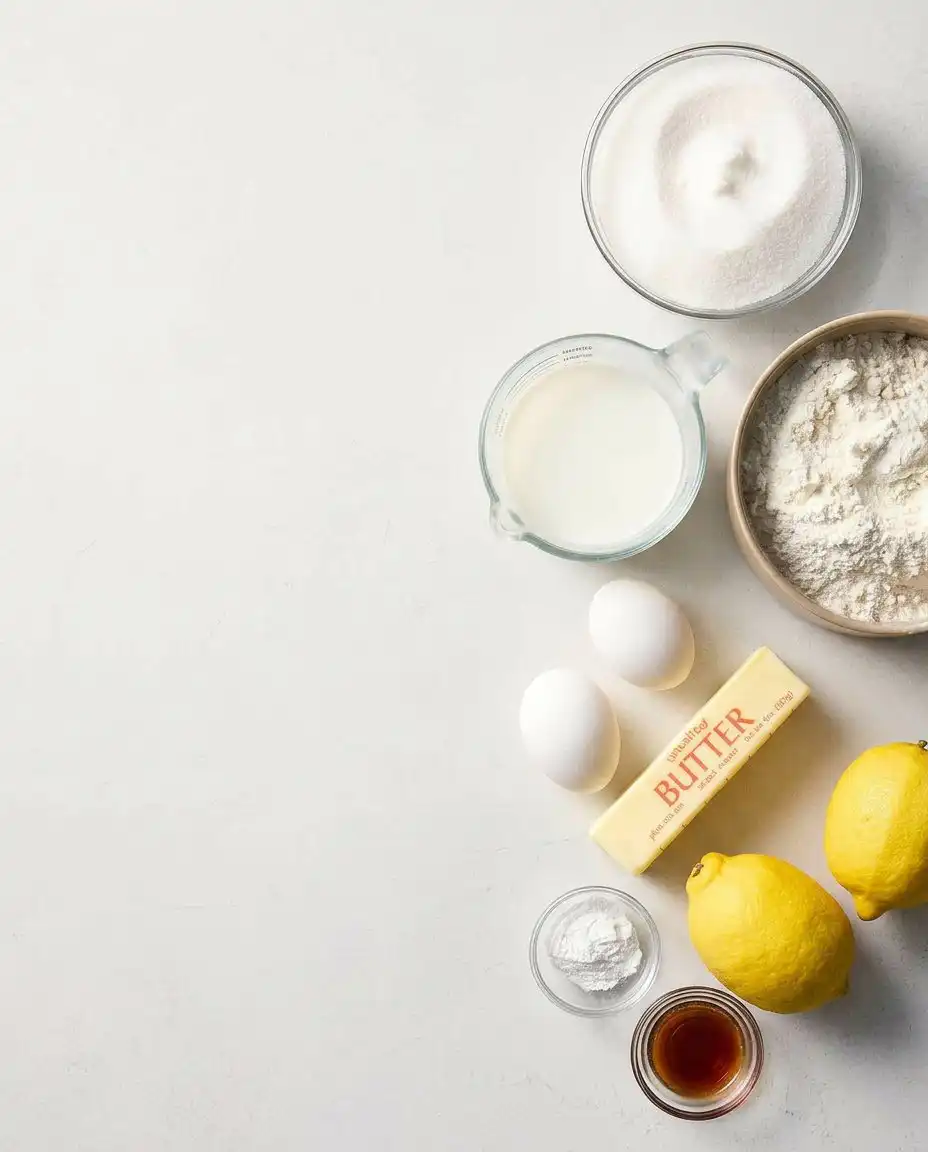
To achieve the perfect melt-in-your-mouth finish, every ingredient must be chosen for its textural contribution. We do not just use one flour; we blend them to find the sweet spot of structure and softness.
- Cake Flour and All-Purpose Flour: This combination is vital. The cake flour provides that low-protein, delicate snap, while the all-purpose flour gives the layers enough strength to hold the frosting.
- Buttermilk: This is our secret to the velvet crumb. The acid in the buttermilk breaks down the gluten, resulting in a tender give that milk alone cannot provide.
- Lemon Extract and Fresh Zest: We use both to create layers of flavor. The zest provides the floral oils, while the extract provides the consistent citrus punch.
- Vegetable Oil and Butter-flavored Shortening: This duo guarantees a cake that stays moist even after refrigeration. Shortening helps with the height and fluffiness, while oil keeps the crumb supple.
- The Acidic Catalyst: A touch of white vinegar and baking soda creates a chemical reaction that produces tiny air bubbles, making the cake light as a breeze.
- Hot Lemon Water: Stirring this in at the very end is my signature move. It blooms the lemon flavors and helps the starches in the flour hydrate quickly for a smoother batter.
The Soaking Process
Step 1: Prepare Your Sanctuary
Begin by preheating your oven to 325°F (165°C). This lower temperature allows the cake to rise slowly and evenly, preventing a dome and keeping the texture consistent from edge to center. Grease and flour two 9-inch cake pans with care, ensuring every corner is coated so the delicate layers release without a tear.
Step 2: Whisk the Dry Foundation
In a large bowl, sift together your all-purpose flour, cake flour, baking soda, baking powder, and salt. Sifting is not a step to skip; it aerates the flour and removes any clumps, which is the first step in creating that velvet feel we desire.
Step 3: Cream the Citrus Heart
In a separate large bowl or the bowl of a stand mixer, beat the granulated sugar, vegetable oil, shortening, and eggs. Add the vanilla and lemon extracts along with that heaping teaspoon of fresh lemon zest. Beat until the mixture is light, fluffy, and pale—this is where you build the air that will lift your cake.
Step 4: The Rhythmic Alternation
With your mixer on low speed, add the dry ingredients and the buttermilk to the wet mixture. Start with a third of the flour, then half the buttermilk, repeating until just combined. Be gentle here; overmixing will lead to a tough cake, and we want nothing but tenderness.
Step 5: The Final Acidic Bloom
Mix the white vinegar with your hot lemon water. Slowly stir this liquid into the batter. If you wish for a sunny appearance, add a few drops of yellow food coloring now. The batter will be thinner than usual, but do not worry—this liquid is what creates the incredible moisture.
Step 6: The Patient Bake
Divide the batter evenly between your prepared pans. Place them in the oven for 25 to 30 minutes. You are looking for the centers to be just set. If they have a slight, rhythmic jiggle when moved, they are perfect. Remove them before they dry out.
Step 7: The Cooling Rest
Let the cakes rest in their pans for 10 minutes. This allows the structure to firm up. Then, gently invert them onto a wire rack to cool completely. Patience is the secret here; a warm cake will melt your frosting into a soup.
Step 8: Crafting the Lemon Clouds
For the frosting, beat the softened cream cheese and butter until they are completely smooth and free of lumps. Add the extracts and zest, then gradually mix in the powdered sugar. If it feels too stiff, a drop of lemon juice will thin it out to a spreadable, silky consistency.
Step 9: The Final Assembly
Place one cooled layer on your serving plate. Spread a generous layer of frosting to the edges. Top with the second layer and cover the top and sides with the remaining lemon cream cheese frosting. Garnish with thin lemon slices for a professional, vibrant finish.
Mehmet’s Secrets
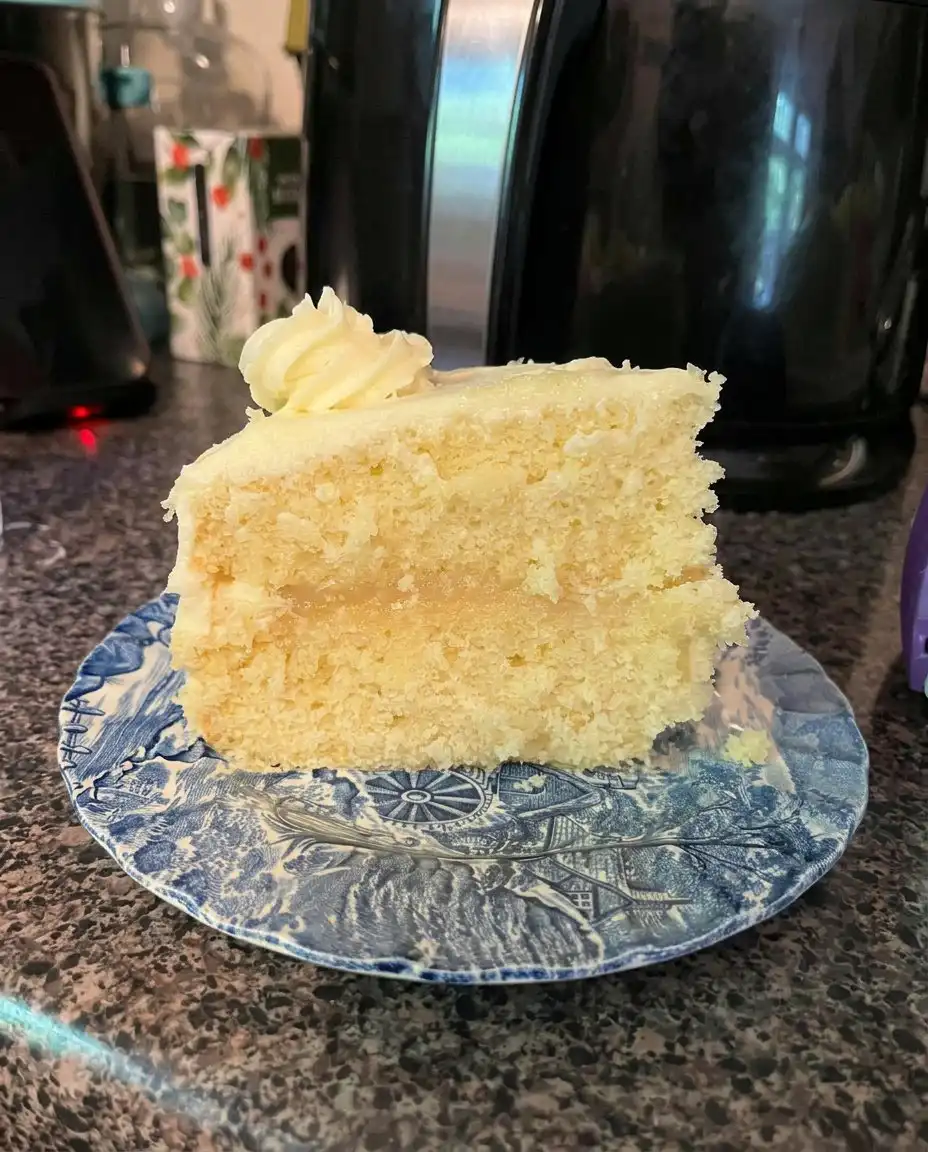
To achieve the most authentic texture, always use room temperature ingredients, especially the buttermilk and eggs. Cold ingredients do not emulsify properly, which can lead to a grainier crumb. For those who want to deepen the citrus profile, you can brush the warm cake layers with a light lemon simple syrup before frosting. This technique, which I detail in my guide on lemon cake 3, makes certain that the moisture is locked deep within the sponge. Always check your cake five minutes before the timer goes off; every oven breathes differently, and catching the cake at the exact moment it sets is the mark of a master baker.
Regional Variations
While this American-style velvet cake is a triumph, you can adapt it to reflect different Mediterranean moods. For a Greek-inspired twist, swap the lemon extract for a teaspoon of ground mastic and top the frosting with crushed pistachios and a drizzle of honey. If you prefer a lighter, more airy version, you can look into our velvet crumb collection for ideas on folding in whipped egg whites. For a more rustic appeal, bake the batter in a loaf pan and skip the frosting in favor of a simple lemon glaze, much like a traditional traybake found in a Turkish bakery.
At the Table
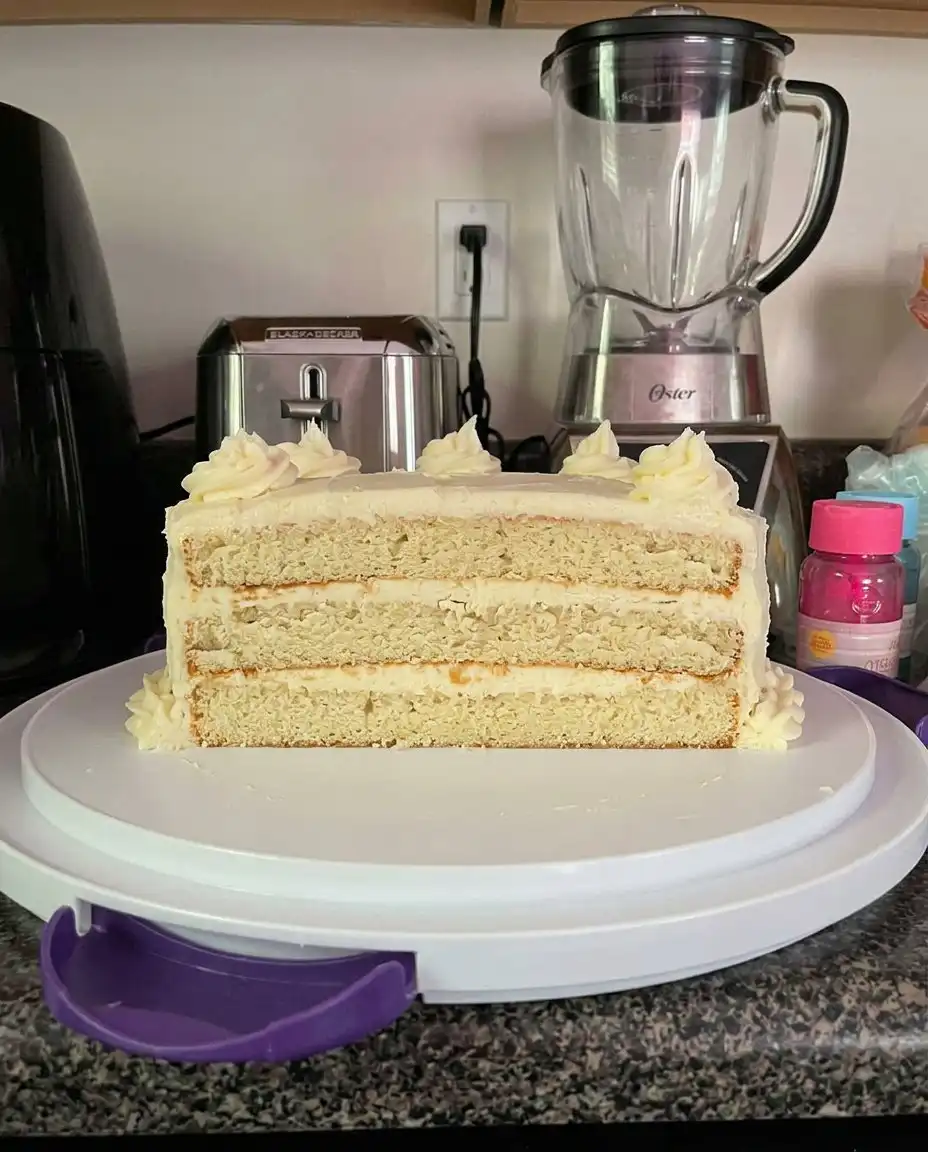
In my home, a cake this vibrant is always served with a cup of strong, unsweetened Turkish coffee or a dark black tea. The bitterness of the drink provides a beautiful contrast to the sweet, tangy frosting. If you are serving this at a summer gathering, a side of fresh raspberries or a dollop of lightly sweetened whipped cream can add another layer of luxury. For a presentation that mimics the elegance of a lemon pound cake, serve each slice with a sprig of fresh mint and a dusting of extra lemon zest right before it hits the table.
The Sweet Truth
Creating a cake that captures the essence of a Mediterranean spring requires patience and a respect for the ingredients. This Lemon Velvet Cake is a reminder that the best things in life are often the ones that take a little extra care—the careful zesting, the slow whisking, and the quiet wait while it soaks. If you find joy in these citrus notes, you might also find a kindred spirit in our lemon drizzle cake. I invite you to share your baking journey with us; let me know how the crumb feels in your kitchen. Follow us on Pinterest, Instagram, and Facebook for more sensory baking adventures. Happy baking, and may your kitchen always smell of lemons.