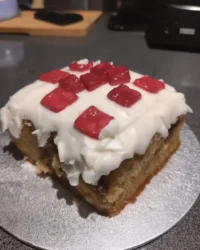
I remember the way the afternoon light used to hit the marble counter in my grandmother’s kitchen, casting long shadows over the bowls of fresh eggs and fine sugar. There is a deep, quiet joy in a cake that does not hide behind layers of thick frosting, but instead offers its golden, airy soul to the world with complete honesty. Back in those Mediterranean summers, we didn’t seek the heaviest creams; we celebrated the light, cloud-like texture of a sponge that could stand on its own merit.

This Nude Cake is a tribute to that simplicity, offering a crumb so light it feels like a soft whisper against the palate. By focusing on the fundamental technique of whipping air into eggs for a full fifteen minutes, we create a base that is ready to be dressed with spring fruits or enjoyed simply with a drizzle of honey. It is the ultimate expression of textural mastery, where the ingredients are few but the sensory experience is truly spectacular.
A Masterclass in Ethereal Softness
When you first set eyes on this cake, you notice the lack of pretension. It is a dessert that relies entirely on the quality of its bake and the lightness of its heart. Unlike modern cakes that are often weighed down by heavy fats and artificial stabilizers, this Mediterranean-style sponge is a celebration of air and protein. The texture is what I call a “melt-in-your-mouth” revelation; it is porous enough to soak up juices from macerated berries but structured enough to hold its shape with grace.
You will love this recipe because it returns baking to its most sensory roots. There is something meditative about watching the eggs transform from a simple liquid into a thick, pale, ivory foam that triples in size. It reminds us that patience is the most important ingredient in any kitchen. This cake is not just a dessert; it is a canvas for the seasons. In the spring, it carries the weight of fresh strawberries; in the autumn, it welcomes a dusting of cinnamon and a side of poached pears. It is a timeless, heartfelt recipe that speaks of tradition and the beauty of doing a few things perfectly.
Moreover, this cake is remarkably light on the stomach. Because it uses no butter or oil, the richness comes entirely from the eggs and the way they are handled. This makes it the perfect ending to a heavy Mediterranean meal, providing a sweet finish that feels uplifting rather than burdensome. It is a cake that invites a second slice, one that you can serve to guests with the pride of knowing it was crafted with technique rather than just sugar. The golden crust provides a very slight, sweet resistance before your fork glides through the tender interior, making every bite a tactile journey.
Print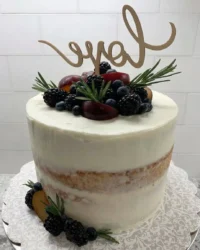
Nude Cake
- Total Time: 65 mins
- Yield: 8-10 servings
- Diet: Vegetarian
Description
This elegant Mediterranean sponge cake uses just three simple ingredients to create a light, airy texture without the need for butter or oil. It is a masterclass in technique, resulting in a versatile dessert base that pairs beautifully with fresh seasonal fruits and a touch of honey.
Ingredients
- 6 Large Eggs (at room temperature)
- 180g Extra-Fine Sugar
- 180g All-Purpose Flour (sifted)
Instructions
- Preheat your oven to 165°C (330°F) using static heat and line the bottom of a cake mold with parchment paper.
- In a large bowl, whisk the eggs and sugar together for a full 15 minutes until the mixture is pale, tripled in volume, and reaches the ribbon stage.
- Sift the flour over the egg foam in two or three batches, holding the sieve high to incorporate extra air.
- Carefully fold the flour into the mixture using a spatula or manual whisk, moving from the bottom upward until no flour streaks remain.
- Pour the batter into the ungreased mold and bake for 45 minutes, avoiding opening the oven door during the first 30 minutes.
- Let the cake rest in the turned-off oven with the door cracked for 5 minutes, then remove and cool upside down on a wire rack for a perfectly flat surface.
Notes
To ensure the cake reaches its full height, do not grease the sides of your baking tin; the batter needs to “climb” the walls to rise effectively. Always use room-temperature eggs, as cold proteins will not trap air as efficiently during the long whisking process.
- Prep Time: 20 mins
- Cook Time: 45 mins
- Category: Dessert
- Method: Baking
- Cuisine: Mediterranean
The Mediterranean Pantry Foundation
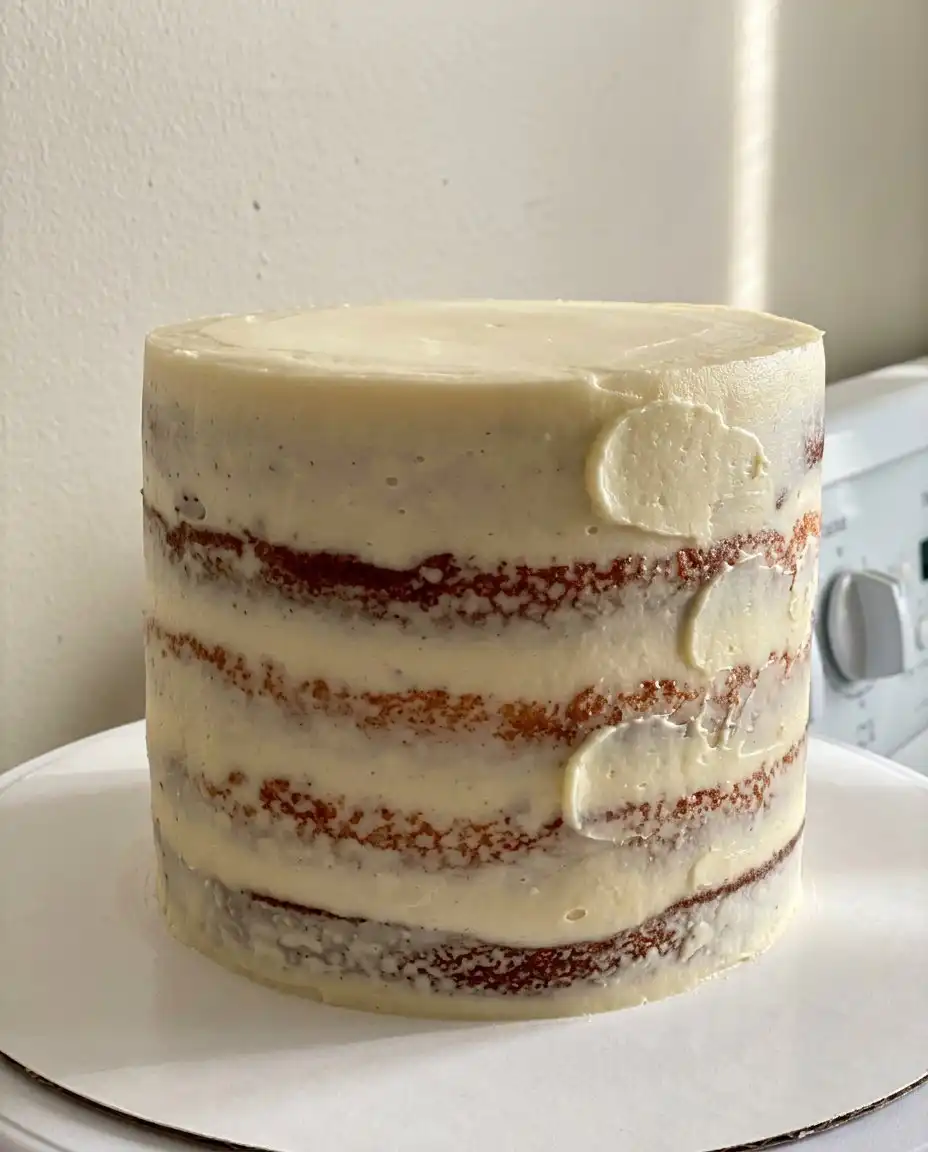
To create a cake of this caliber, you must look at your ingredients not as items on a list, but as the building blocks of a structural masterpiece. Because there are only three primary ingredients, the quality of each is paramount. Each component plays a specific role in the architecture of the sponge.
- 6 Large Eggs: These are the soul of your cake. They provide the structure, the rise, and the moisture. I always recommend using eggs at room temperature, as they trap air much more effectively than cold eggs. The proteins need to be relaxed to expand into that beautiful, voluminous foam.
- 180g Extra-Fine Sugar: Sugar does more than just sweeten; it stabilizes the egg foam. As you whisk, the sugar dissolves into the moisture of the eggs, creating a syrup-like bond that prevents the tiny air bubbles from popping too soon. It also helps the cake achieve that gorgeous golden hue during the bake.
- 180g All-Purpose Flour: This is the skeleton of the cake. It must be sifted—never skip this step. Sifting removes any clumps and ensures the flour is aerated, allowing it to be folded into the delicate egg foam without weighing it down. This is the secret to a silkiness that defines the best Mediterranean sponges.
When these three meet, they create a batter that looks like liquid gold. The lack of leavening agents like baking powder means that your whisking technique is what will determine the height of the cake. It is a dance between strength and gentleness, where we build strength in the whisking and maintain it with a gentle folding motion. This is the foundation upon which all great spring desserts are built.
The Method of Patience and Precision
Step 1: Prep Your Sanctuary
Begin by carefully lining your mold. I prefer to use parchment paper on the bottom to ensure the cake releases with its base perfectly intact. Preheat your oven to 165°C (330°F). It is vital to use static heat rather than a fan; a fan can be too aggressive for such a delicate sponge, potentially causing it to rise unevenly or dry out too quickly. Creating the right environment for your cake is the first step toward success.
Step 2: The Fifteen-Minute Transformation
Place your six eggs and the sugar into a large bowl. Now comes the part where patience is your greatest ally. Whisk the mixture for at least fifteen minutes. Whether you use a stand mixer or a hand whisk, do not cut this time short. You are looking for the mixture to blanch and triple in volume. It should reach the “ribbon stage,” where the batter falling from the whisk leaves a trail on the surface that stays visible for several seconds before slowly melting back in.
Step 3: The Gentle Sifting
Hold your sieve high above the bowl and sift the flour over the egg mixture. This high-altitude sifting adds even more air to the flour. Do this in two or three batches rather than all at once. If you dump all the flour in at one time, the weight will collapse the precious air bubbles you just spent fifteen minutes creating. The flour should sit like a light dusting of snow on top of the foam.
Step 4: The Sacred Fold
Using a manual whisk or a flexible spatula, incorporate the flour with the most delicate touch. Move from the bottom of the bowl upward in a circular motion. You are not stirring; you are folding. Imagine you are tucking a blanket around a sleeping child. Continue until no streaks of flour remain, but stop the moment it is combined. Over-mixing at this stage is the primary reason for a flat, dense cake.
Step 5: The Patient Bake
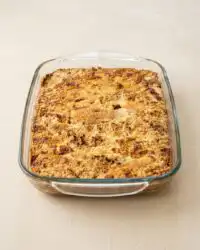
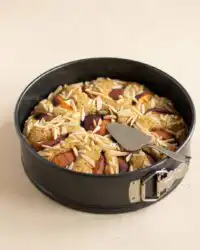
Pour the batter into your mold with a steady hand. Place it in the center of the oven and bake for 45 minutes. Resist the temptation to open the oven door during the first 30 minutes, as the sudden drop in temperature can cause the cake to sigh and collapse. The cake is ready when a wooden skewer or a knife blade comes out dry and clean. The top should be a vibrant, toasted amber.
Step 6: The Slow Cool
When the cake is done, do not rush it into the cold air. Turn off the oven, crack the door open slightly, and let the cake rest inside for five minutes. This gradual transition prevents the structure from shocking and shrinking. After ten minutes out of the oven, remove it from the mold and flip it onto a wire rack. This trick ensures a perfectly flat top, making it the ideal nude cake for decorating.
Mehmet’s Secrets for Texture Mastery

The secret to a truly great sponge lies in the temperature and the timing. If your kitchen is particularly cold, you can place your mixing bowl over a pot of warm (not boiling) water while you whisk the eggs and sugar; this gentle warmth helps the proteins stretch and hold more air. For a truly professional finish, I often look at Creation Hloua for inspiration on how to style the exterior without losing that rustic charm. Always remember that your pan should not be greased on the sides—the cake needs to “climb” up the walls of the mold to reach its full height. If the sides are slippery, the cake will struggle to rise. For more insights on achieving this level of crumb perfection, explore my velvet crumb collection where I discuss the science of airy batters in detail.
Regional Twists and Floral Flourishes
While the classic version is pure and simple, Mediterranean traditions often invite a touch of fragrance. You can add a teaspoon of orange blossom water or rose water to the eggs before whisking to give the cake an exotic, floral undertone that pairs beautifully with honey. For those who enjoy a bit more depth, replacing twenty grams of the flour with finely ground pistachios or almond meal adds a wonderful nuttiness and a slightly more rustic texture. If you are looking for a bolder flavor profile that still maintains this lightness, you might find inspiration in our raspberry white chocolate cake, which balances fruit acidity with sponge sweetness. Another popular variation in the islands is to soak the finished cake in a light lemon syrup, turning the airy sponge into a moist, glistening treasure that melts the moment it touches the tongue.
Mediterranean Traditions at Your Table

To serve this Nude Cake in the traditional Mediterranean way, I suggest keeping the garnishes as fresh as possible. A simple dusting of powdered sugar and a handful of seasonal berries is all it needs to look like a masterpiece. It is the perfect companion for a strong cup of Turkish coffee or a glass of mint tea after a long sunset dinner. If you want to lean into the indulgence, serve each slice with a dollop of thick, unsweetened whipped cream or a spoonful of Greek yogurt mixed with a little honey. For those who love the combination of sponge and fruit, consider pairing this with a side of fruit cake elements to create a diverse dessert platter that celebrates the bounty of the orchard. The key is to let the cake shine; don’t smother it in heavy sauces that would drown its delicate airy character.
The Soul of the Sponge
Baking this Nude Cake is an act of love and a testament to the power of simplicity. When you take that first bite and feel the tender crumb yield to your fork, you understand why we spend fifteen minutes at the whisk. It is a reminder that in a world of complexity, the most honest things are often the most rewarding. I hope this recipe brings a sense of Mediterranean warmth and patience to your kitchen. For more vibrant and juicy dessert ideas, be sure to check out our succulent fruit fusion guide. I would love to see your spring creations, so please share your bakes with our community on Instagram, Facebook, and Pinterest. Happy baking, and may your cakes always rise as high as your spirits.