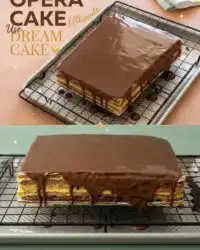
Opening with a high-quality shortcut like instant coffee granules and prepared dark chocolate ensures this French classic delivers a luscious texture without spending your entire Saturday brewing.

A traditional Opera Cake relies on perfectly thin layers of almond sponge and rich coffee buttercream to create its signature melt that breaks open under the spoon. By focusing on efficient techniques and modern sheet pan baking, you can achieve that professional coffee-and-chocolate profile between dinner and bedtime. This recipe balances the intensity of dark chocolate with a generous soak of cognac-spiked syrup for a truly indulgent weeknight win that feels like a Parisian treat. You will find that fast and luscious results are possible when you master the assembly of these delicate layers.
Why This Opera Cake Works on a Weeknight
Prep: 150 min · Serves: 10 · Difficulty: Medium
- Gooey almond layers meet silky chocolate ganache.
- Intense coffee flavor without hours of brewing.
- Strategic shortcuts for a faster texture payoff.
- Professional results using standard kitchen sheet pans.
- Single-bowl mixing makes cleanup fast and easy.
This Opera Cake delivers a molten-soft texture that breaks open under your spoon in record time. You can find more inspiration for rich layers in my chocolate ganache cake guide.
Get The Full Cake Recipe
Print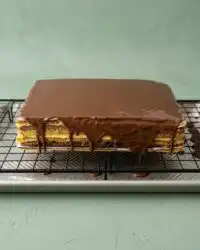
Opera Cake
- Total Time: 165 mins
- Yield: 10 servings
Description
Experience the sophistication of a classic French Opera Cake with this streamlined version designed for busy schedules. This recipe uses efficient sheet pan baking and clever coffee infusion techniques to deliver delicate almond sponge, rich ganache, and espresso buttercream layers in record time.
Ingredients
- Almond flour
- Powdered sugar
- Whole eggs
- Granulated sugar
- Egg whites
- 58% Dark chocolate
- Ground coffee
- Cognac
- Heavy cream
- Butter
- Milk
- Vegetable oil
Instructions
- Prep Joconde sponge. Whisk almond flour and powdered sugar with eggs until voluminous, fold in whipped egg whites with sugar, and spread thinly onto lined sheet pans to bake for seven minutes.
- Bake and slice. Cool the sponges completely then slice each large rectangle into four equal sections to form the cake layers.
- Brew coffee syrup. Dissolve sugar in simmering water, steep ground coffee for ten minutes, strain, and stir in the cognac once slightly cooled.
- Craft coffee buttercream. Temper hot coffee-infused milk into whisked egg yolks and sugar, cook until thickened, cool to room temperature, and whip into softened butter.
- Prepare chocolate ganache. Gradually stir warm heavy cream into melted dark chocolate until glossy and allow to cool to a spreadable consistency.
- Assemble cake layers. Brush sponge layers with coffee syrup, alternating layers of almond sponge, chocolate ganache, and coffee buttercream, ensuring baked sides face downward.
- Chill the cake. Refrigerate the assembled dessert for at least one hour to allow the layers to set and the flavors to meld.
- Glaze and finish. Whisk melted chocolate with a touch of oil, pour over the cold cake, and smooth quickly with an offset spatula.
- Slice with precision. Use a long, sharp knife dipped in hot water and wiped dry, cleaning the blade between every single slice for clean, professional layers.
Notes
- Ensure the egg whites are whipped to stiff peaks to maintain the delicate structural integrity of the almond sponge.
- Keep the knife blade clean and hot between every cut to prevent smearing the chocolate and buttercream layers.
- The cake layers can be baked and stored in an airtight container a day in advance for faster assembly.
- Use a digital kitchen scale to measure ingredients accurately for consistent results with the sponge hydration.
- The ganache must be spread while warm to prevent the sponge from tearing during assembly.
- Prep Time: 150 mins
- Cook Time: 15 mins
- Category: Dessert
- Method: Baking
- Cuisine: French
Shortcut-Friendly Pantry
The foundation of a great Opera Cake lies in the balance between the nuttiness of the almond flour and the bitterness of the espresso. Using high-fat cocoa and fresh whole eggs will yield a sponge that is both flexible and sturdy enough to hold the heavy syrup soak. These specific components work together to create the distinct stratified look that defines this legendary French dessert.
- Almond Flour: This provides the signature tender crumb and nutty base for the Joconde sponge layers.
- Dark Chocolate: Using a 58% couverture chocolate guarantees a smooth melt and a professional gloss on the final glaze.
- Ground Coffee: A fine grind is necessary to infuse the buttercream and syrup with deep, aromatic roasted notes.
- Cognac: This adds a sophisticated depth to the syrup that cuts through the richness of the buttercream.
- Egg Yolks: These create the custard base for the buttercream, giving it a velvety and stable structure.
- Heavy Cream: High-fat cream is essential for a ganache that remains soft enough to slice without cracking.
- Powdered Sugar: This dissolves instantly into the almond mixture to keep the sponge light and airy.
| Ingredient | Why It Matters |
|---|---|
| Almond Flour | Creates the unique, moisture-rich texture of the Joconde sponge. |
| 58% Dark Chocolate | Provides the ideal balance of bitterness and smooth melting properties. |
| Cognac | Elevates the coffee syrup with a traditional French aromatic profile. |
| Heavy Cream | Ensures the ganache layers stay gooey and luscious even when chilled. |
From Bowl to Spoon
Step 1: Prep the Joconde Sponge
Combine the almond flour and powdered sugar in a large bowl before whisking in the whole eggs until the mixture is light and voluminous. Separately, whip the egg whites with granulated sugar to stiff peaks and fold them gently into the almond base to maintain the air. The batter should look foamy and pale, smelling strongly of sweet almonds as you prepare the sheet pans.
Step 2: Bake and Slice
Spread the batter onto two lined sheet pans as thinly as possible to ensure the classic Opera Cake proportions are maintained during the bake. Place them in a hot oven for roughly seven minutes until the edges are golden and the surface springs back when touched. Once they are cool, slice the large rectangles into four equal smaller rectangles that will form the tall layers of your finished dessert.
Step 3: Brew the Spiked Coffee Syrup
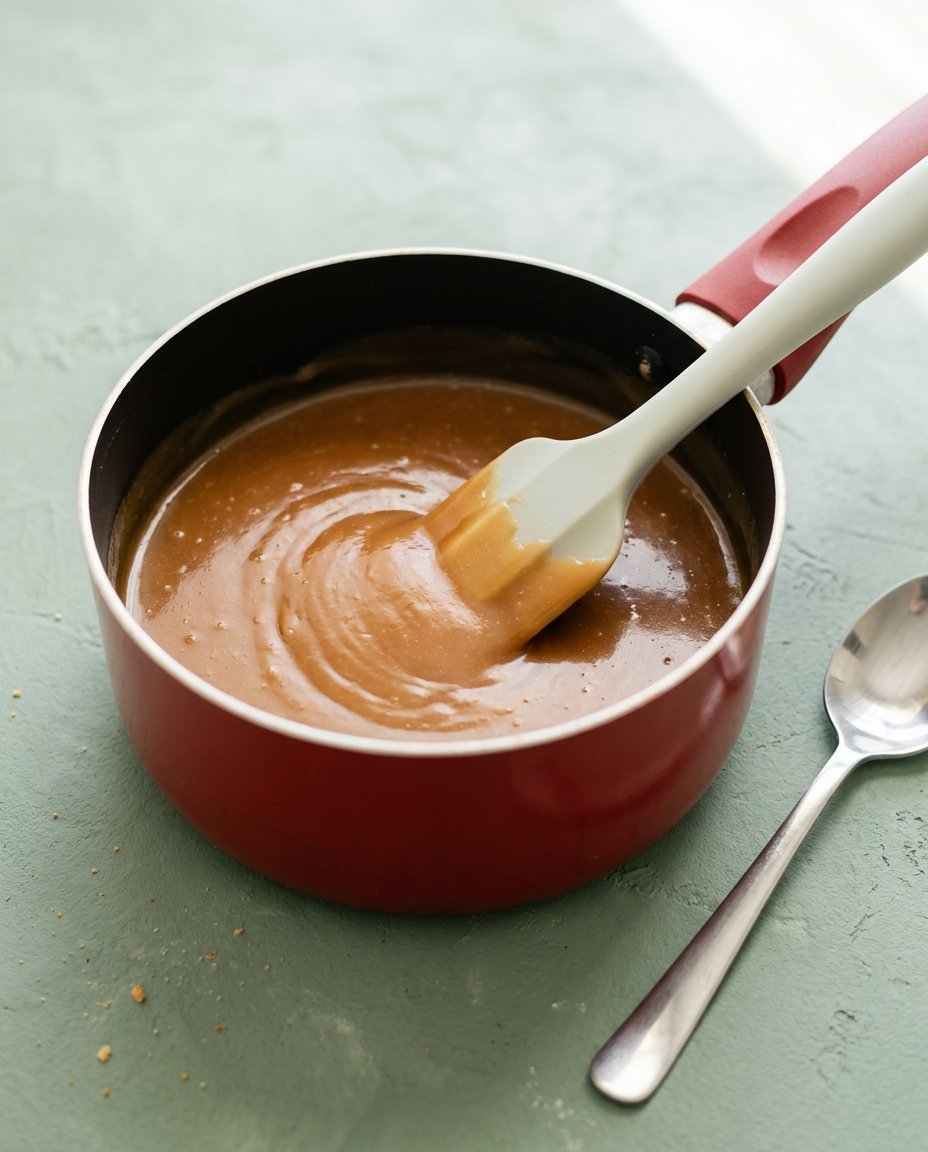
Heat the water and sugar in a small saucepan until the granules dissolve and the liquid begins to simmer at the edges. Stir in the ground coffee and let it steep under a lid for ten minutes to capture the full aromatic profile before straining. After the liquid has cooled slightly, stir in the cognac to create a potent syrup that will soften the sponge layers.
Step 4: Craft the Silky Coffee Buttercream
Whisk the egg yolks and sugar until they are pale and thick while you heat the coffee-infused milk on the stove. Slowly temper the hot milk into the yolks and cook the mixture over low heat until it coats the back of a spoon. Once this custard base is room temperature, whip it into softened butter until the frosting becomes incredibly fluffy and light in color.
Step 5: Prepare the Luxurious Chocolate Ganache
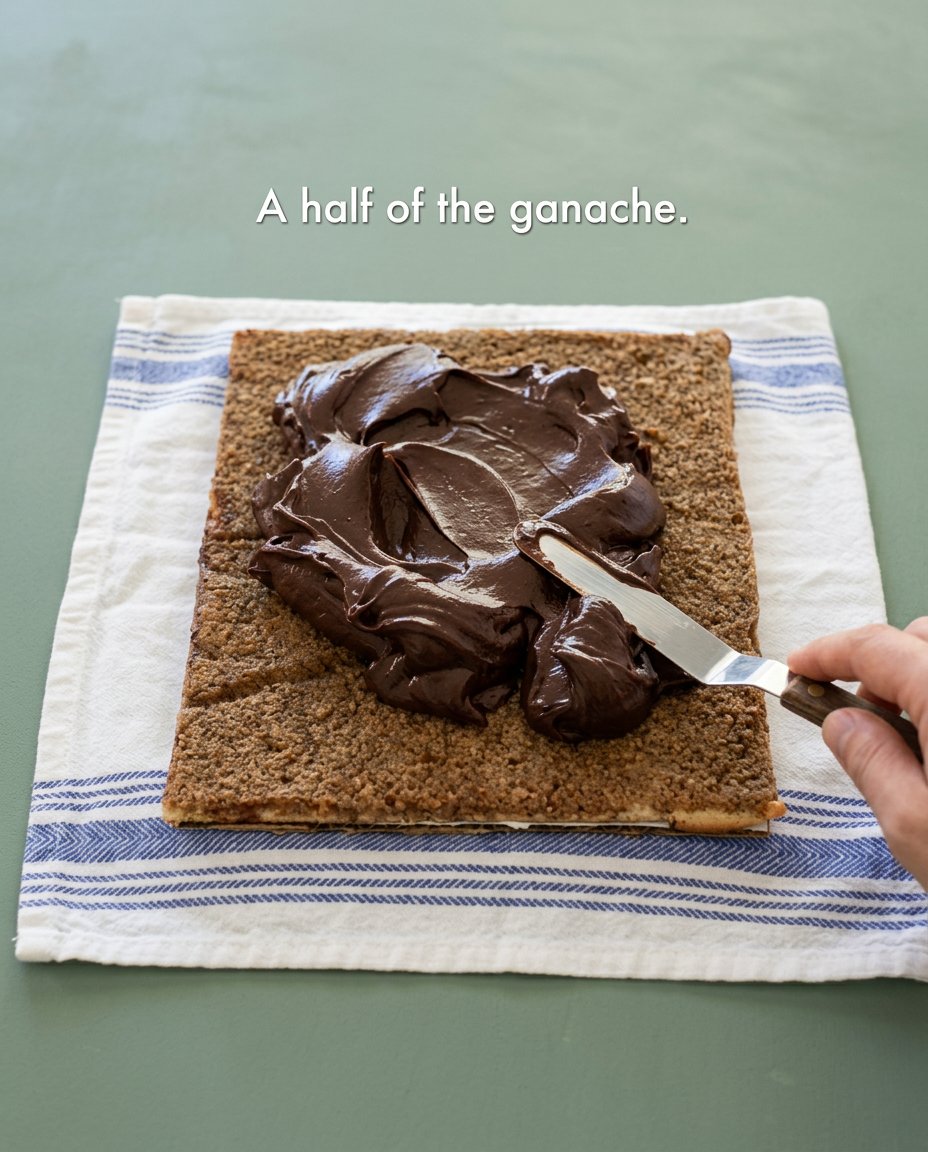
Melt the dark chocolate in a heat-proof bowl and gently stir in the warm heavy cream in four separate additions. The mixture will initially look broken, but it will eventually transform into a glossy, dark ribbon that falls slowly from the spatula. If the ganache feels too runny, let it sit at room temperature for a few minutes until it reaches a spreadable, peanut-butter consistency.
Step 6: Assemble Your Opera Cake Layers
Place the first layer of sponge on a cake board and brush it heavily with the coffee syrup until it is completely saturated. Spread a thin layer of the chocolate ganache over the sponge, followed by a second layer of cake and a generous coating of coffee buttercream. Continue this alternating pattern, making sure to face the baked side of the sponge downward to allow for maximum syrup absorption in the Opera Cake.
Step 7: Chill for Texture
Transfer the assembled cake to the refrigerator for at least one hour to allow the buttercream and ganache layers to firm up. Chilling is the secret to getting those sharp, professional lines when you finally cut into the dessert later in the evening. If you have the patience, leaving the cake overnight allows the coffee flavors to meld and the syrup to distribute evenly through the crumb.
Step 8: Glaze and Finish
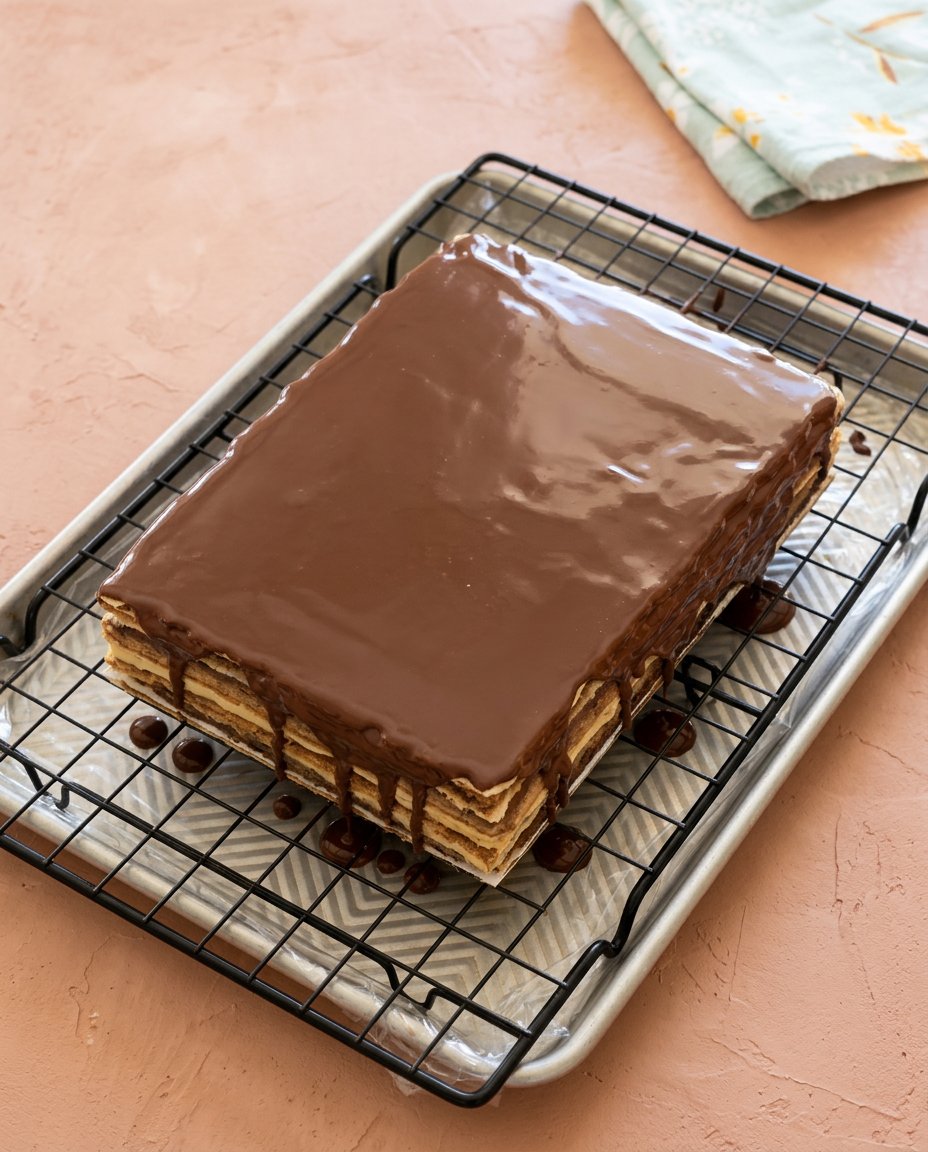
Combine the remaining melted chocolate with a touch of oil to create a thin, pourable glaze that will set with a beautiful shine. Pour the warm glaze over the cold cake and use an offset spatula to spread it in one quick motion toward the edges. You must work fast because the cold cake will cause the chocolate to set almost immediately upon contact.
Step 9: Slice with Precision
Heat a long, sharp knife under hot running water and wipe it completely dry before making the first cut through the chilled layers. Slide the knife down through the cake in a single motion, avoiding any sawing movements that might smear the distinct chocolate and coffee layers. Wipe the blade clean and reheat it between every single slice to maintain the pristine appearance of the French pastry.
Quick-Texture Tips
When you are spreading the sponge batter, aim for a thickness of about an eighth of an inch to get the most delicate mouthfeel. If the layer is too thick, the cake will feel heavy and the ratio of cream to sponge will be off-balance.
If your buttercream separates during the whipping stage, the butter was likely too cold to emulsify with the coffee custard. You can fix this by gently warming the bottom of the bowl over a pot of simmering water for ten seconds while continuing to whisk at high speed.
To get the most out of your syrup, poke small holes in the surface of the sponge with a toothpick before brushing. This allows the cognac and coffee to penetrate the center of the cake rather than just sitting on top of the crust. For more techniques on layered desserts, check out my crepe cake tutorial.
Always use a scale to measure your ingredients in grams rather than cups for this specific recipe. The precision of a scale ensures the almond sponge has the correct moisture level to absorb the syrup without becoming soggy or falling apart. You can learn more about classic opera cake recipe methods to refine your skills.
Make sure your coffee custard is exactly room temperature before adding it to the whipped butter. If the custard is even slightly warm, it will melt the fat and turn your buttercream into a liquid mess that cannot hold the weight of the sponge.
Spread the ganache while it is still slightly warm to achieve a perfectly level surface between the cake layers. A cold ganache will pull at the sponge and cause the delicate almond cake to tear as you move the offset spatula across the surface.
For a professional finish, trim the very edges of the assembled cake before applying the final glaze. This removes any uneven bits of buttercream and ensures the glaze drips cleanly down the sides for a sharp look.
Frequently Asked Questions
Why do they call it an opera cake?
The name originates from the Opéra Garnier in Paris, where a famous pastry shop created the dessert to honor the opera house. The flat top of the cake was said to resemble the stage, while the many layers mirrored the complexity of a grand performance. It was designed so that a single bite would contain every flavor, much like a complete musical movement.
What is the difference between Tiramisu and opera cake?
While both use coffee and sponge, an Opera Cake uses an almond-based Joconde sponge and buttercream, whereas Tiramisu uses wheat-based ladyfingers and mascarpone cheese. The Opera Cake is much firmer and more structural, allowing it to be sliced into sharp, rectangular portions. Tiramisu is generally softer and often served with a spoon from a larger dish.
What is opera cake made of?
It consists of four primary elements: a thin almond sponge cake, a coffee-infused syrup, a coffee-flavored French buttercream, and a dark chocolate ganache. These layers are stacked and topped with a glossy chocolate glaze to create a dense, rich, and flavorful pastry. The use of almond flour is what gives the cake its unique, tender texture and nutty aroma.
What is so special about opera cake?
The cake is celebrated for its precise architecture and the balance of its intense flavor components. Every layer is measured to be the same height, providing a consistent experience of coffee, chocolate, and almond in every mouthful. It is considered a benchmark of French pastry skills because it requires mastering several different foundational techniques.
Can I freeze this cake for later?
Yes, this cake freezes remarkably well because of the high fat content in the buttercream and ganache. Wrap individual slices tightly in plastic wrap and store them in an airtight container for up to three months. When you are ready to serve, thaw the slices in the refrigerator overnight to maintain the integrity of the glaze.
How do I prevent the chocolate glaze from cracking?
Adding a small amount of neutral oil to the melted chocolate helps keep the glaze flexible even after it has set in the fridge. This flexibility allows the knife to pass through the chocolate without it shattering or pulling away from the buttercream. Always use a hot knife to melt through the top layer for the cleanest possible cut.
Fast Flavor Swaps
You can swap the almond flour for hazelnut flour if you want a deeper, toastier flavor that mimics a Nutella profile. The hazelnut oils pair beautifully with the dark chocolate ganache and provide a slightly heartier texture to the Joconde base. Visit our cocoa dream lab for more chocolate pairing ideas.
If you prefer a non-alcoholic version, replace the cognac in the syrup with a teaspoon of vanilla bean paste and extra espresso. This keeps the flavor profile rich and sophisticated without the heat of the spirits, making it more suitable for a wider range of guests.
For a seasonal twist, add the zest of one orange to the chocolate ganache while it is still warm. The citrus oils brighten the heavy coffee notes and add a refreshing finish that makes the dessert feel lighter during the spring months.
Spoon It While It’s Warm
Serve each slice of the Opera Cake at room temperature to allow the buttercream to soften and the flavors to fully bloom on the palate. If you serve it straight from the fridge, the fats in the chocolate will feel waxy rather than melting. Pairing a slice with a small dollop of unsweetened whipped cream or a few fresh raspberries can provide a tart contrast to the deep bitterness of the coffee.
For a formal gathering, plate the cake with a drizzle of leftover coffee syrup and a light dusting of cocoa powder around the edges. This presentation highlights the ingredients used within the cake and makes the dish feel like a high-end restaurant offering. You might also enjoy serving this alongside a chocolate mousse cake for a complete dessert flight.
Tuesday-night molten cake? Absolutely. This cake also stores perfectly for several days, making it an excellent make-ahead option for busy hosts who want to impress their guests without the last-minute stress. Simply keep it in an airtight container in the refrigerator and bring it out twenty minutes before the coffee is poured.
The Weeknight Wrap-Up
Making a classic Opera Cake at home is a rewarding project that proves you do not need an entire day to create something truly spectacular. By utilizing the efficiency of sheet pan baking and quick-steeped coffee infusions, you can enjoy a professional-grade dessert any night of the week. This cake is proof that luscious textures and deep flavors are within reach when you have a solid plan and a few clever shortcuts in your repertoire.
I encourage you to try this recipe for your next celebration or even just as a special treat for yourself after a long week. If you love the combination of coffee and sponge, you should also take a look at my tiramisu cake for another decadent variation. Be sure to share your results with us and let us know how the assembly went for you.