During my time training in a demanding London patisserie, I learned that the most exquisite desserts are those that master the difficult balance between two distinct densities. We spent months perfecting the structural stability of heavy, moist sponges against the delicate, temperamental nature of baked custards. This Red Velvet Cheesecake is the culmination of those technical efforts, proving that precision in cooling is just as vital as precision in mixing.

This recipe bridges the gap between a classic American layer cake and the refined, silky texture of a traditional baked cheesecake. We utilize a structured red velvet base to provide a firm foundation for an aerated, melt-in-your-mouth cream cheese layer. The result is a dessert that holds its shape under the knife while providing an immediate textural victory on the palate.
Technical Mastery: Structure Meets Texture
Baking a cake is a matter of physics, while baking a cheesecake is an exercise in chemistry. When we combine them, we achieve a victory of architectural pastry design. You will appreciate how the slightly acidic profile of the cocoa-based cake cuts through the fatty richness of the cream cheese. By following this methodical approach, you create a dessert that is visually spectacular and texturally superior.
Every bite offers a contrast between the tight, velvet crumb and the smooth, dense custard. This is a dessert for those who value professional-grade results and want to showcase their technical growth. The structural integrity of the cake base supports the weight of the cheesecake without becoming soggy, provided the cooling steps are followed with exactness. It is a stunning, beautiful centerpiece that is as much a triumph of engineering as it is of flavor.
Print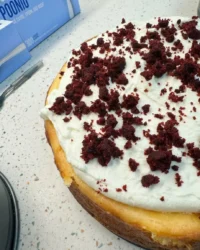
Red Velvet Cheesecake
- Total Time: 10 hours
- Yield: 12 servings
Description
A masterful combination of rich cocoa cake and silky baked custard, this Red Velvet Cheesecake is engineered for perfect structural integrity. This professional-grade recipe ensures a clean separation of layers and a melt-in-your-mouth texture that is visually stunning.
Ingredients
- 1 box Red Velvet cake mix (plus eggs, oil, and water as required by package)
- 24 oz cream cheese, softened to room temperature
- 1 cup granulated sugar
- 3 large eggs
- 1/2 cup sour cream
- 2 tablespoons all-purpose flour
- 2 teaspoons pure vanilla extract, divided
- 1/4 teaspoon salt
- 1 cup heavy whipping cream
- 1/4 cup powdered sugar
Instructions
- Prepare the red velvet cake mix according to the package instructions and pour into a greased 9-inch springform pan.
- Bake at 350°F (175°C) for 30–32 minutes or until a probe comes out clean, then allow the base to cool to room temperature and chill in the refrigerator.
- Lower the oven temperature to 325°F (163°C) and cream together the room-temperature cream cheese and sugar in a clean bowl at medium speed until smooth.
- Add the eggs one at a time, verifying each is fully integrated before adding the next, then stir in the sour cream, flour, 1 teaspoon vanilla, and salt.
- Line the sides of the springform pan with a parchment paper collar and pour the glossy batter over the chilled red velvet cake base.
- Bake for 55 to 60 minutes until the edges are firm and the center two inches move slightly like gelatin when tapped.
- Turn off the oven and crack the door one inch, letting the cake sit for 30 minutes, then cool at room temperature for one hour before refrigerating for at least 4 to 8 hours.
- Beat the chilled heavy cream, powdered sugar, and remaining vanilla in a chilled bowl until soft peaks form, then spread over the top of the chilled cheesecake.
Notes
Always ensure your cream cheese is at a true room temperature of approximately 70°F before mixing to prevent structural air pockets and surface cracks. For the cleanest presentation, use a hot, dry knife to slice the cake, wiping the blade after every single cut to maintain the contrast between the white cheesecake and red cake base.
- Prep Time: 20 mins
- Cook Time: 1 hour 35 mins
- Category: Dessert
- Method: Baking
- Cuisine: American
The Technical Foundation of Quality
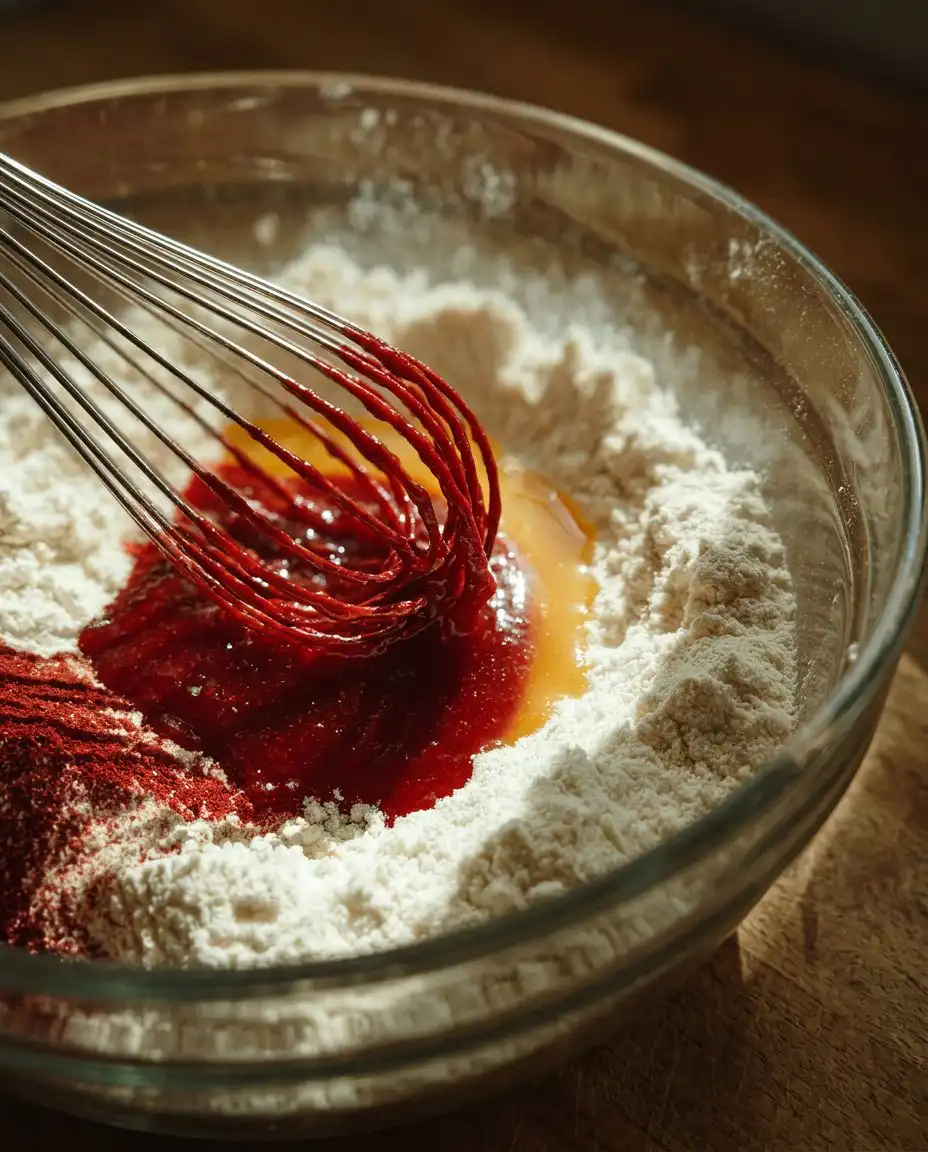
Precision begins with your selection of raw materials. To build a cheesecake with true structural integrity, your dairy must be at specific temperatures before they ever reach the mixing bowl.
- Softened Cream Cheese: This is the structural core. It must be at exactly room temperature (21°C or 70°F) to prevent lumps. A lumpy batter leads to air pockets, which causes the cheesecake to crack during the cooling phase.
- Granulated Sugar: Beyond sweetness, sugar provides hygroscopic properties that keep the cheesecake moist. We use a precise amount to balance the natural acidity of the red velvet base.
- Large Eggs: These act as the primary binding agent. We incorporate them one at a time to maintain a stable emulsion between the fats and the liquid components.
- Sour Cream: This adds a subtle tang and lowers the overall pH. This helps the proteins in the cream cheese set into a softer, more luxurious texture rather than a rubbery one.
- All-Purpose Flour: A small amount of starch is a professional secret for stability. It binds with the moisture in the eggs and cream cheese, preventing the cake from weeping after it has been sliced.
- Vanilla Extract: Pure extract is required for an authentic floral note that bridges the chocolate and cream flavors.
- Red Velvet Cake Base: Using a high-quality mix allows for a consistent crumb. The cocoa content provides the necessary structural “bite” that supports the heavy cheesecake layer above it.
Verify that all ingredients are measured by weight if possible, as volume can vary and affect the final viscosity of your batter.
The Method: A Technical Execution
Step 1: Establish the Foundation
Start by preparing your red velvet cake mix according to the box instructions, but stop mixing the moment the dry ingredients disappear to avoid over-developing the gluten. Pour this into a greased 9-inch springform pan. Bake at 350°F (175°C) for 30–32 minutes. The cake is ready when a probe inserted into the center comes out clean. Allow this base to cool to room temperature, then chill it in the refrigerator. A cold base prevents the cheesecake batter from soaking into the sponge, keeping the layers distinct.
Step 2: Create the Emulsion
Lower your oven temperature to 325°F (163°C). This lower heat is critical for a slow, even set. In a clean bowl, cream your room-temperature cheese and sugar. Work at a medium speed; high speed incorporates too much air, leading to a soufflé effect and subsequent structural collapse. Add your eggs one by one, verifying each is fully integrated before the next follows. Stir in the sour cream, flour, vanilla, and salt. Your batter should be glossy and heavy, with a viscosity similar to thick cream.
Step 3: Assembly and the Slow Bake
Line the sides of your springform pan with parchment paper that rises two inches above the rim. This acts as a collar, supporting the cheesecake as it expands and contracts. Pour the batter over your chilled red velvet base. Bake for 55 to 60 minutes. We are looking for the “professional jiggle”—the edges should be firm and matte, while the center two inches should move slightly like gelatin when the pan is tapped.
Step 4: The Controlled Cooling Phase
Turn off the oven and crack the door slightly, approximately one inch. Let the cake sit inside for 30 minutes. This gradual temperature drop prevents the proteins from shrinking too quickly, which is the primary cause of cracks. Afterward, cool at room temperature for another hour before moving it to the refrigerator. Chill for a minimum of four hours, though eight is preferred for the best flavor fusion.
Step 5: The Whipped Finish
Chill your mixing bowl and whisk attachment in the freezer for ten minutes to keep the fat globules in the heavy cream stable. Beat the cream, powdered sugar, and vanilla until you achieve soft peaks. If you overbeat, the cream becomes grainy; stop when the whisk leaves a trail that holds its shape. Spread this over the fully chilled cheesecake, creating decorative swirls for a professional presentation.
Jordan’s Precision Secrets
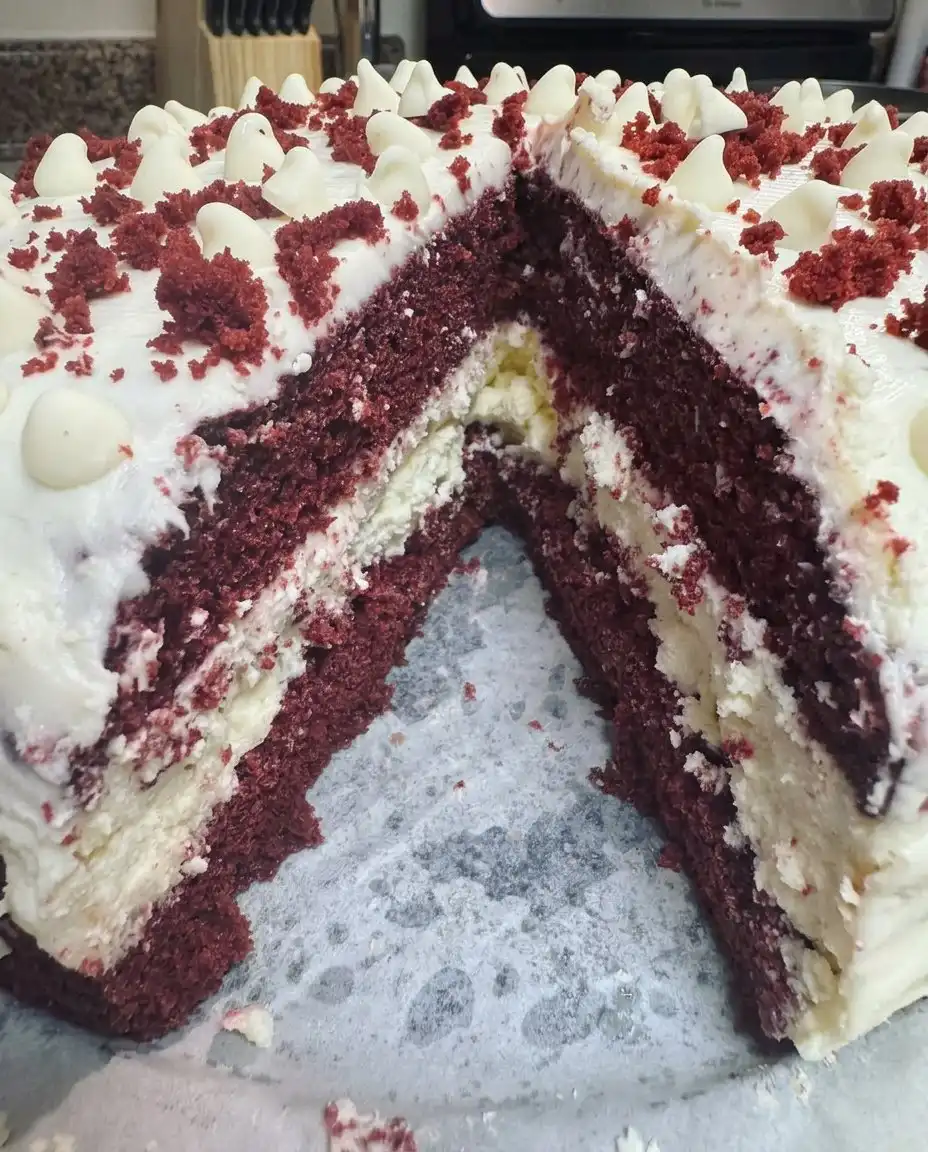
To achieve a truly professional finish, you must manage the moisture levels within the oven environment. Placing a shallow pan of hot water on the rack below the cheesecake creates a humid atmosphere, which prevents the surface from drying out and cracking. If you find your cake base is too domed after baking, use a serrated knife to level it off once it is cold. This guarantees your layers remain perfectly horizontal. For those looking to master other creamy textures, I recommend reviewing my guide on chocolate cheesecake to understand how cocoa solids affect setting times. You can also find additional technical inspiration for decadence at Kinsley Recipes. Remember, the difference between a good cake and a great one is the patience you show during the cooling stages.
Technical Precision Tweaks
Advanced bakers might consider a deconstructed approach to the base. Instead of a solid cake, you can pulse the baked red velvet cake into crumbs, mix with a small amount of melted butter, and press it into a traditional crust. This changes the structural profile and offers a more classic cheesecake mouthfeel. If you prefer a brighter fruit note, you might try our red cake technique which focuses on color intensity without sacrificing moisture. For a seasonal shift, you can substitute the red velvet base with a spiced ginger sponge, though you must adjust the sugar in the cheesecake layer to compensate for the additional molasses in the sponge. Always confirm that your substitute base is fully cooled before adding the custard layer to maintain the clean separation of textures.
Presentation and Cutting Precision
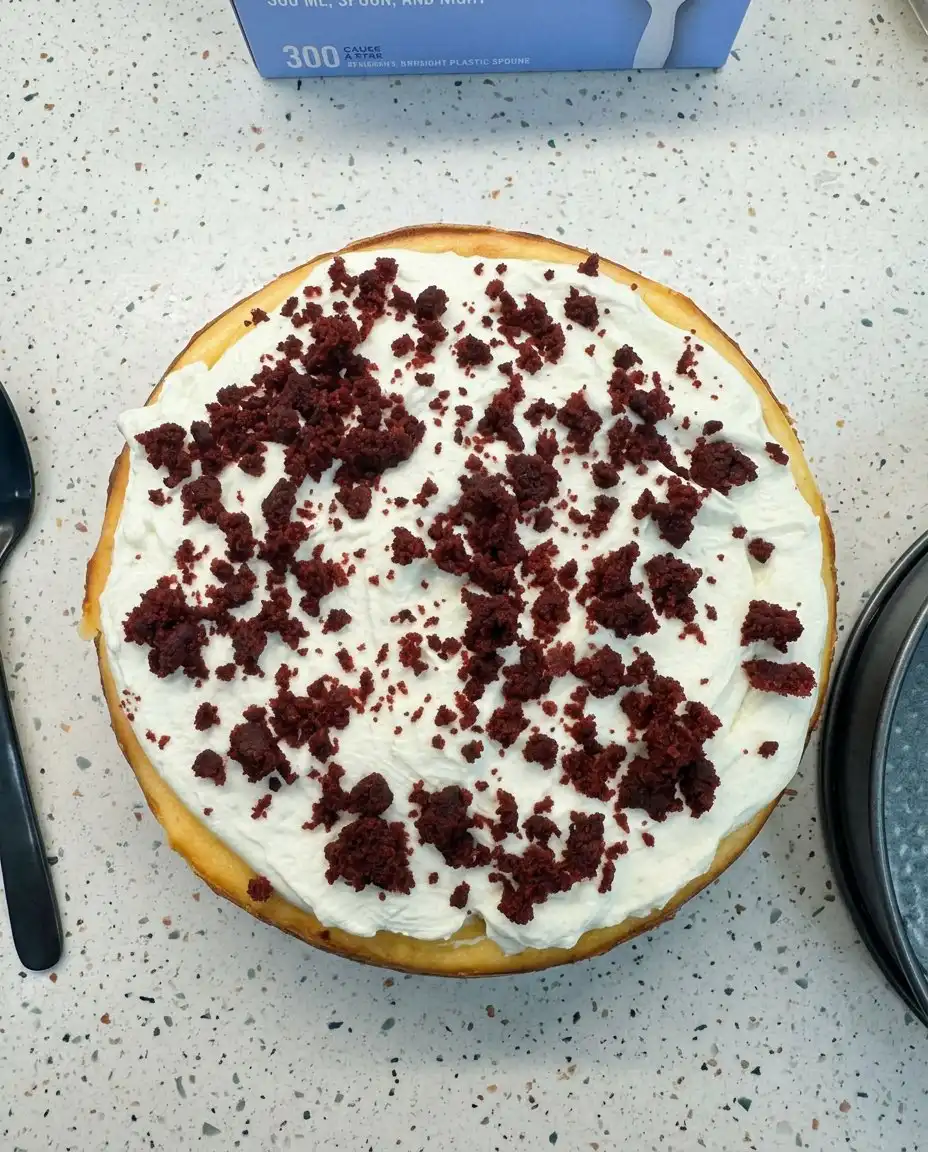
Presentation is the final step in technical mastery. To achieve the sharp, clean lines seen in high-end bakeries, you must use a hot knife. Dip a thin-bladed knife into a tall container of boiling water, wipe it dry, and make one clean downward stroke. Wipe the blade clean and repeat this process for every single cut. This prevents the red crumbs from marring the white cheesecake surface. For a vibrant contrast, serve a slice alongside a fresh raspberry coulis. If you enjoy the combination of fruit and cream, you should try our strawberry cheesecake for a lighter textural experience. The acidity of berries perfectly balances the density of the cheese.
Master the Technical Craft
Creating a Red Velvet Cheesecake is a triumph of patience and precision. By controlling your temperatures and mastering the gradual cooling process, you move from being a hobbyist to a serious practitioner of the pastry arts. This dessert proves that when structure is respected, the texture becomes something truly spectacular. If you have enjoyed this technical deep dive, you might find my work on pumpkin cheesecake equally rewarding as it deals with different moisture levels and spice profiles. I would be proud to see your results, so please share your bakes with our community on Pinterest, Instagram, or Facebook. Happy baking.