A precise oven temperature of 176 degrees Celsius determines whether your spiced batter rises into a structured crumb or collapses into a dense mass.

Achieving the proper moisture balance in a zucchini cake with cinnamon and nutmeg requires understanding how vegetable hydration interacts with flour proteins. When raw grated zucchini enters a cake batter, it threatens to release water during baking, which can easily dissolve the gluten structure and leave you with a gummy center. By applying classical pastry principles, we can control this moisture release to yield an exceptionally soft crumb that remains light. This method treats moisture as a structural component rather than an unpredictable variable.
Why the Technique Works for Zucchini Cake with Cinnamon and Nutmeg
Prep: 10 min · Serves: 16 · Difficulty: Medium
- Controlled moisture guarantees a highly stable crumb structure.
- Balanced spices distribute evenly through the fat emulsion.
- Room temperature eggs build a robust protein network.
- Sweetened coconut adds a delicate, pleasing chew.
- Toasted walnuts provide a necessary textural contrast.
Weigh it, time it, trust it.
By mastering this emulsion, you will find that our zucchini cake applesauce technique provides a blueprint for all vegetable-based bakes. This disciplined approach guarantees a refined mouthfeel in every single slice.
Get The Full Cake Recipe
Print
Zucchini Cake with Cinnamon and Nutmeg
- Total Time: 35 mins
- Yield: 16 servings
- Diet: Vegetarian
Description
A technically precise spiced zucchini cake made with cinnamon, nutmeg, unsweetened applesauce, and dry-squeezed zucchini, finished with a velvety cream cheese icing and toasted walnuts.
Ingredients
- 2 cups all-purpose flour, spooned and leveled
- 1 teaspoon baking soda
- 1 teaspoon baking powder
- 1 tablespoon ground cinnamon
- ¼ teaspoon ground nutmeg
- ¼ teaspoon ground cloves
- ⅔ cup brown sugar
- ⅔ cup granulated sugar
- 2 large eggs, room temperature
- ⅔ cup unsweetened applesauce
- ¼ cup whole milk
- 1 teaspoon vanilla extract
- 2 cups grated zucchini, squeezed dry
- 1 cup shredded sweetened coconut
- ¾ cup toasted walnuts, divided
- 4 ounces cream cheese, softened
- ¼ cup unsalted butter, softened
- 2 to 3 cups powdered sugar
- 1 pinch of salt
- 2 to 3 tablespoons whole milk
Instructions
- Preheat and prep: Heat oven to 350°F (176°C). Spray a 9-inch square baking pan and line with parchment paper.
- Whisk dry ingredients: Sift flour, baking soda, baking powder, cinnamon, nutmeg, and cloves into a medium bowl.
- Emulsify wet ingredients: Whisk sugars, eggs, applesauce, milk, and vanilla extract in a large bowl until smooth.
- Combine: Fold dry ingredients into the wet mixture using a spatula just until combined.
- Add inclusions: Fold in squeezed zucchini, coconut, and half of the walnuts.
- Bake: Pour into the pan and bake for 25 to 28 minutes. Cool completely.
- Make frosting: Beat cream cheese and butter, then gradually beat in powdered sugar, salt, and milk.
- Decorate: Spread frosting over the cooled cake and top with remaining walnuts.
Notes
- Grate the zucchini onto a clean kitchen towel and squeeze out all excess liquid thoroughly.
- Ensure all dairy and eggs are at room temperature to maintain a stable emulsion.
- Store leftovers in an airtight container at room temperature for up to 3 days or refrigerated for up to 5 days.
- Prep Time: 10 mins
- Cook Time: 25 mins
- Category: Dessert
- Method: Baking
- Cuisine: American
What You’ll Need
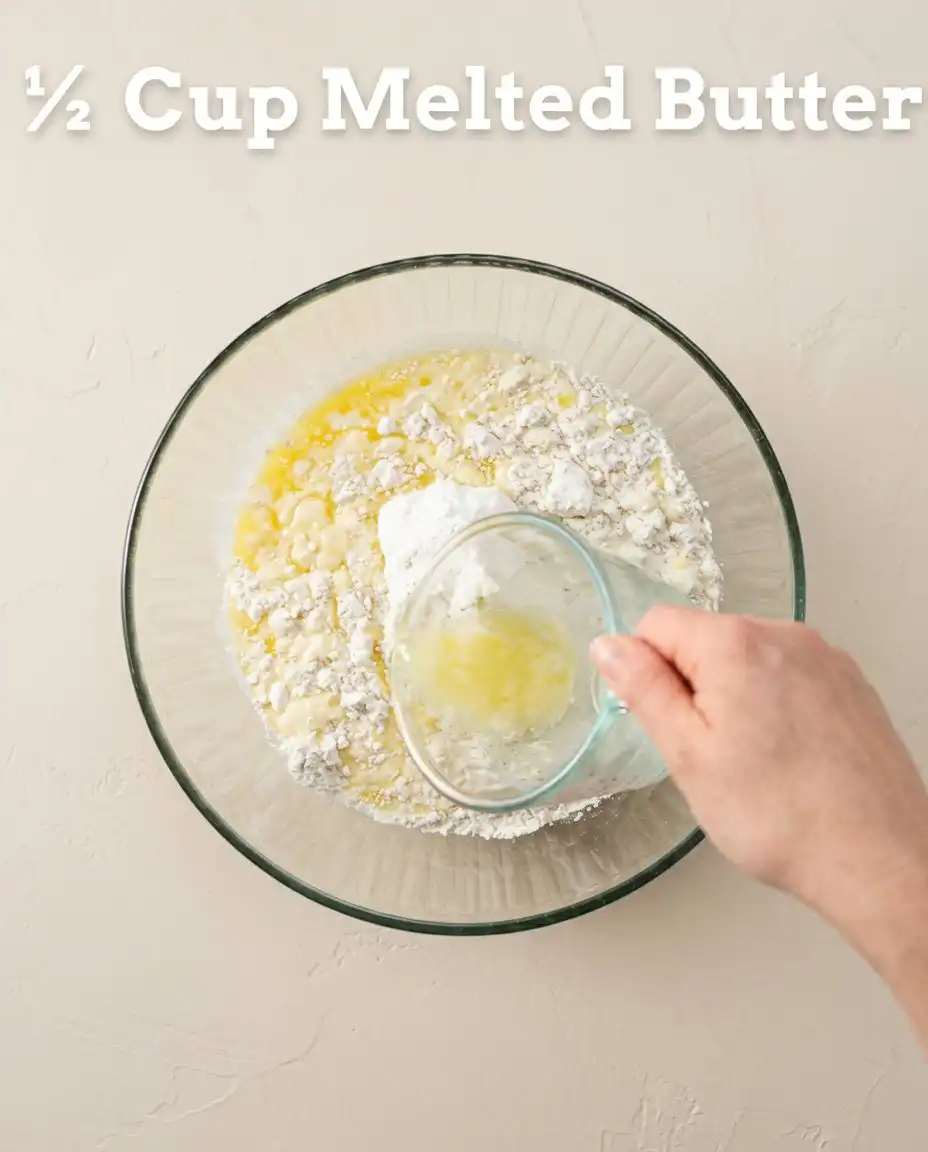
Our selected components work in harmony to build a cake that is both structurally sound and exceptionally tender. Every ingredient must be weighed with a digital scale to prevent dry or heavy results. This precision allows the natural sugars and fats to emulsify cleanly with the flour.
- Grated Zucchini: This ingredient provides essential hydration to the starches, but it must be squeezed dry to prevent waterlogging the batter.
- Unsweetened Applesauce: It acts as a natural humectant, offering fructose and pectin which tenderize the crumb without adding excess fat.
- Brown Sugar: The molasses content in brown sugar introduces acidity, which activates the baking soda and deepens the overall flavor profile.
- Ground Cinnamon and Nutmeg: These warm spices provide the primary aromatic profile, binding to the fats for a long-lasting finish.
- Softened Cream Cheese: The base of our icing, it offers a lactic acidity that balances the sweetness of the baked sponge.
- Toasted Walnuts: These nuts introduce a crisp texture that disrupts the soft crumb, preventing sensory fatigue.
| Ingredient | Why It Matters |
|---|---|
| Grated Zucchini | Supplies controlled moisture to gelatinise starches during the bake. |
| Unsweetened Applesauce | Delivers pectin to soften gluten bonds and keep the crumb tender. |
| Ground Cinnamon | Adds aromatic complexity and coats flour particles to limit gluten. |
| Cream Cheese | Provides a structured, tangy fat medium for a smooth icing. |
The Method
Step 1: Prepare the Baking Pan and Preheat
Set your oven to exactly 176 degrees Celsius (350 degrees Fahrenheit) and let it stabilize for at least fifteen minutes. Lightly coat a nine-inch square baking pan with nonstick spray, then line it with parchment paper leaving a two-inch overhang on the sides. This parchment barrier prevents the delicate edges of the cake from sticking to the metal, guaranteeing clean extraction. The parchment paper must lie flat against the corners to prevent the batter from baking into irregular, thick edges.
Step 2: Sift and Whisk the Dry Components
In a medium bowl, combine the all-purpose flour, baking soda, baking powder, cinnamon, nutmeg, and cloves. Use a fine-mesh sieve to sift these dry ingredients together, which breaks up clumps of baking soda and distributes the spices evenly. Sifting also aerates the flour, which helps create a uniform crumb structure during the baking process. When the mixture is uniform, it will display a pale, sandy-beige hue with tiny flecks of dark nutmeg.
Step 3: Emulsify the Wet Ingredients
In a separate large bowl, combine the granulated sugar, brown sugar, room temperature eggs, unsweetened applesauce, whole milk, and vanilla extract. Whisk these liquid components vigorously for two minutes until the sugars dissolve and the mixture reaches a smooth, light tan emulsion. This step is complete when you see tiny, stable bubbles forming on the surface of the liquid. Proper emulsification at this stage prevents the batter from separating when the flour is introduced.
Step 4: Combine the Wet and Dry Mixtures
Pour the dry ingredients into the bowl containing the wet emulsion all at once. Use a flexible silicone spatula to gently fold the flour mixture into the liquid, stopping the moment the dry pockets disappear. Overmixing at this stage will develop excess gluten, resulting in a tough, rubbery cake rather than a tender crumb. The batter should look thick, slightly textured, and hold its shape briefly when dropped from the spatula.
Step 5: Fold in the Zucchini and Inclusions
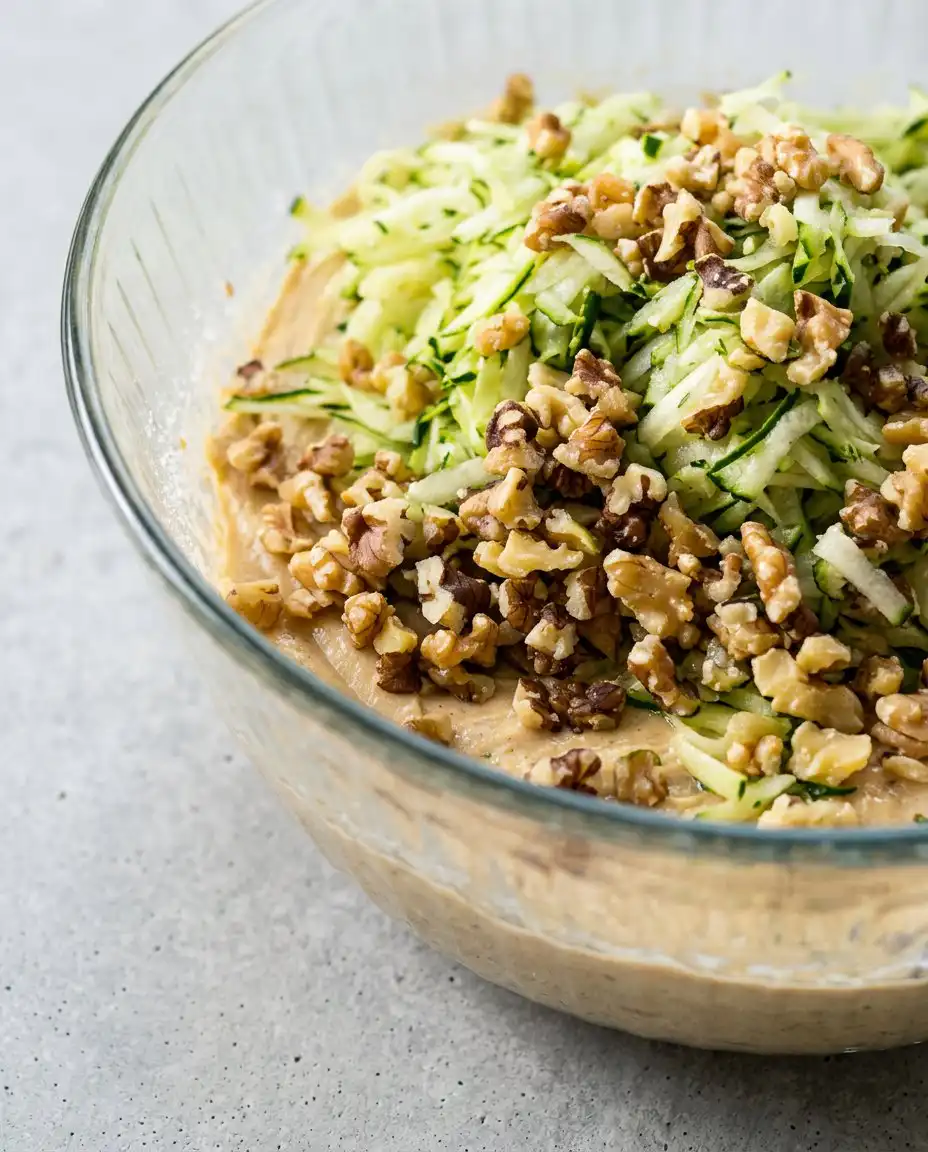
Gently fold the dry-squeezed grated zucchini, sweetened coconut, and half of the toasted walnuts into the batter. This addition must be done quickly using broad, sweeping motions to avoid overworking the flour and developing excess gluten. Verify the zucchini is distributed evenly so that no pockets of concentrated moisture remain. The final batter for our zucchini cake with cinnamon and nutmeg will appear dense and heavily studded with green flecks.
Step 6: Bake the Cake to Set the Structure
Spread the thick batter evenly into your prepared square pan, smoothing the surface with an offset palette knife. Bake at 176 degrees Celsius (350 degrees Fahrenheit) for twenty-five to twenty-eight minutes. Watch for the cake to dome slightly in the center and turn a deep golden brown. The cake is baked when the edges pull away slightly from the parchment and a wooden skewer inserted into the center comes out clean.
Step 7: Cool the Sponge Completely
Place the baking pan on a wire cooling rack and let the cake rest undisturbed for fifteen minutes. Lift the cake out of the pan using the parchment paper handles and let it cool completely on the rack for at least one hour. This cooling period allows the starch structure to set and lock in the moisture. Applying icing to a warm cake will melt the fat structure, causing the icing to run off.
Step 8: Prepare and Apply the Cream Cheese Icing
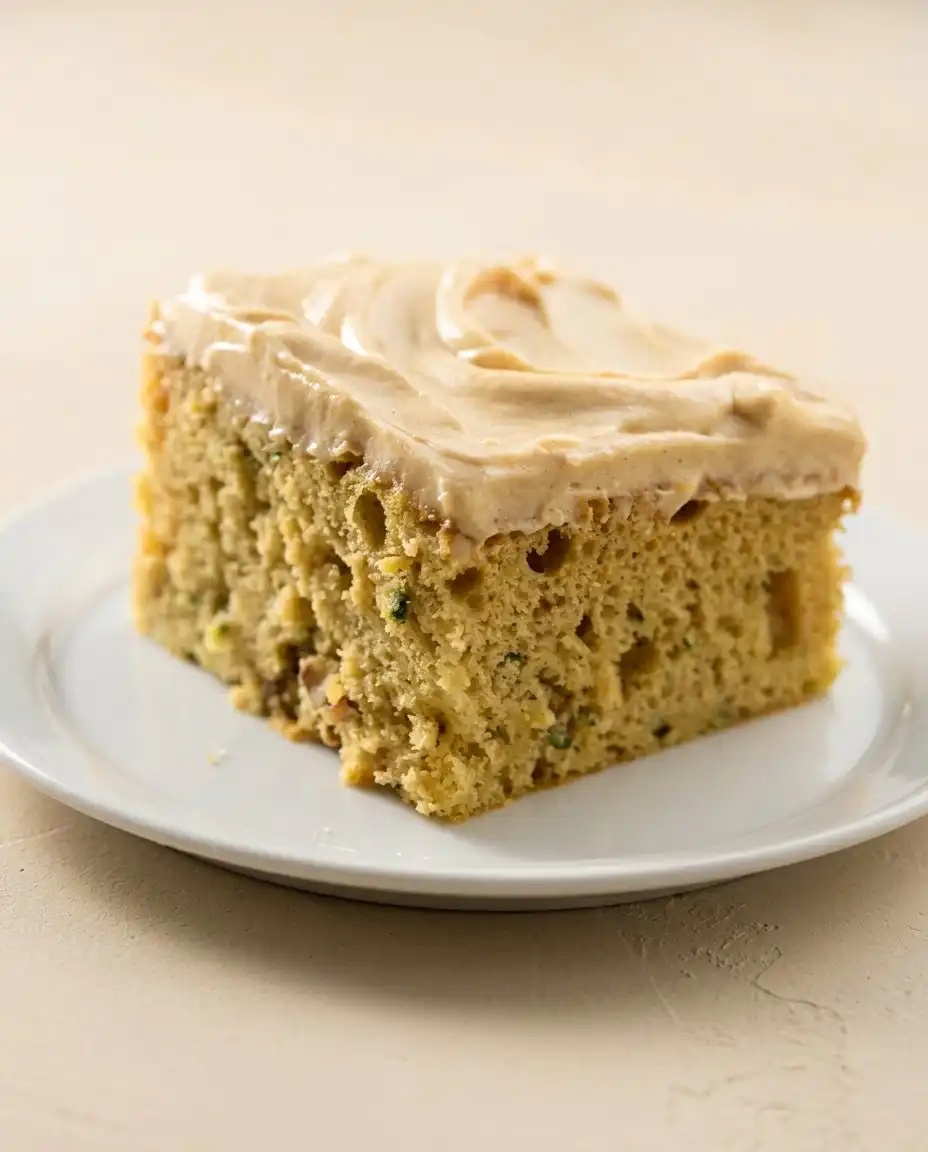
Beat the softened cream cheese and unsalted butter together until the mixture is pale, smooth, and free of lumps. Gradually add the powdered sugar, salt, and milk, beating on medium speed until the icing is thick yet spreadable. The consistency should be rich and velvety, holding its shape without being stiff. Spread the smooth icing over the cooled cake with your offset palette knife, then scatter the remaining toasted walnuts across the surface.
Precision Notes
Squeezing the zucchini requires strict diligence to prevent a soggy bake. Wrap the grated vegetable in a clean kitchen towel and twist it repeatedly over the sink until no more water drips out. This step prevents excess water from disrupting the gelatinisation of the flour starches during baking. If you skip this, the cake will have a gummy layer at the bottom.
Always bring your eggs and milk to room temperature before mixing. Cold ingredients will chill the fats in the applesauce and batter, leading to an uneven emulsion that splits during the bake. To warm them quickly, submerge the eggs in warm water for five minutes. This small step guarantees a uniform batter that rises evenly.
If your icing breaks or looks curdled, the cream cheese and butter were likely at different temperatures. To fix this, warm the bowl gently over a pot of steaming water for ten seconds, then beat the mixture on high speed to re-establish the emulsion. This technique restores a smooth, glossy texture to the frosting. Accurate temperature matching is the key to ideal pastry emulsions.
If you want to read more about the history of vegetable-based bakes, this zucchini spice cake recipe outlines classic home-style approaches. Comparing traditional methods with modern technical steps helps clarify why moisture control is so vital.
For a deeper aromatic profile, toast your walnuts in a dry skillet over medium heat for five minutes before chopping them. You will know they are ready when they release a rich, woody aroma and turn a deep golden brown. Let them cool completely before adding them to the batter to avoid cooking the eggs prematurely. Toasting also crisps the nuts, enhancing their structural contribution.
Weighing your flour with a digital scale is far more accurate than using measuring cups. Too much flour will absorb the natural moisture of the zucchini, turning a tender snack cake into a dry, bread-like loaf. If you must use cups, spoon the flour into the cup and level it off with a flat knife. Precision in measurement is what separates professional pastry from home baking.
If you enjoy experimenting with different vegetable-based sponges, compare this texture to our classic double chocolate zucchini cake recipe. Observing how cocoa powder alters the moisture absorption will refine your understanding of pastry science. Cocoa acts as a drying agent, requiring adjustments to the liquid ratio.
Frequently Asked Questions
Do you need to squeeze the moisture out of zucchini for cake?
Yes, removing excess moisture is critical for the structural integrity of the cake. Unfiltered zucchini releases too much water during baking, which dilutes the batter and prevents the starches from setting properly. Squeezing the grated vegetable in a towel guarantees a tight, tender crumb. This step is the single most important factor in preventing a gummy texture.
Can you taste the zucchini in a zucchini cake?
No, zucchini has a very mild flavor that is completely masked by the cinnamon, nutmeg, and cloves. Its primary role in this recipe is to provide moisture and structural softness rather than flavor. The vegetable melts into the batter during the baking process, leaving only tiny green flecks behind. It is used purely for its structural benefits.
What is the best frosting for zucchini cake?
A traditional cream cheese frosting is the ideal pairing because its lactic acidity cuts through the dense sweetness of the spices. The fat content in the cream cheese also coats the palate, allowing the warm notes of nutmeg and cinnamon to linger longer. For an alternative, a simple vanilla glaze also works well. The frosting must be thick enough to hold its shape on the cake.
Can you freeze zucchini cake?
Yes, this cake freezes beautifully, but it is best to freeze it before applying the cream cheese icing. Wrap the cooled, un-iced cake tightly in plastic wrap, followed by a layer of aluminum foil, and freeze for up to two months. Thaw the cake in the refrigerator overnight, then bring it to room temperature before icing. This preserves the delicate texture of the crumb.
How do you spice up a zucchini cake?
You can enhance the spice profile by adding a pinch of ground ginger or cardamom to the flour mixture. Another method is to use freshly grated nutmeg instead of pre-ground nutmeg, which contains volatile oils that deliver a much more intense aroma. You can also toast your spices in a dry pan for thirty seconds before sifting. These small changes dramatically improve the aromatic complexity.
How do I prevent my zucchini cake from sinking in the middle?
A sunken center is usually caused by too much moisture or underbaking. If the zucchini was not squeezed thoroughly, the excess water will weigh down the gluten network, causing it to collapse as it cools. Ensure your oven is calibrated correctly and that a toothpick inserted into the center comes out completely clean. Let the cake cool completely before slicing.
Tested Variations
For an elegant autumn presentation, you can swap the cream cheese icing for a spiced butter frosting. This variation mimics the warm profile of our pumpkin spice layer cake cinnamon frosting, which relies on brown butter to deliver a nutty, caramelized finish. Simply brown the butter before beating it with powdered sugar and a pinch of ground cardamom. This adjustment adds a deep complexity that pairs beautifully with the nutmeg.
For a dairy-free alternative, replace the whole milk in the batter with unsweetened almond milk and swap the butter for coconut oil. The coconut oil should be melted and cooled slightly before mixing to ensure it incorporates smoothly without solidifying. Top the cake with a simple glaze of powdered sugar and fresh lemon juice to contrast the warm spices. This clean modification preserves the soft crumb structure flawlessly.
If you prefer a fruit-forward profile, fold half a cup of finely diced dried apples into the batter along with the zucchini. The dried fruit will absorb some of the excess moisture from the zucchini during the baking process, creating pockets of concentrated sweetness. This adjustment pairs beautifully with the nutmeg and cloves already present in the spice blend. It also introduces a pleasant, chewy texture to each bite.
How to Serve It
This spiced snack cake is best served at room temperature, which allows the butter in the cake and the cream cheese in the icing to soften completely. Slice the cake into clean, sharp squares using a warm chef’s knife, wiping the blade between each cut to preserve the neat layers of frosting. Accompany each slice with a hot cup of black tea or a pour-over coffee to complement the warm spices. This temperature balance highlights the delicate mouthfeel of the crumb.
For an elegant afternoon gathering, arrange the squares on a vintage ceramic platter alongside our delicate carrot cake cupcakes cream cheese frosting to give your guests a variety of spiced treats. The contrast between the soft, spiced zucchini crumb and the rich cream cheese frosting makes this cake an excellent choice for autumn luncheons or casual weekend brunches. It presents a beautiful display of rustic yet precise baking.
If you are serving this cake as a plated dessert, garnish each portion with a light dusting of freshly grated nutmeg and a few extra toasted walnut halves. A small dollop of lightly whipped cream on the side can add a luxurious texture that contrasts beautifully with the dense, moist crumb of the cake. This presentation emphasizes the careful precision of your baking and refines the humble snack cake.

Final Notes
Baking a zucchini cake with cinnamon and nutmeg is an exercise in moisture control and emulsification. When you balance the wet vegetable elements with a precise blend of flour and fat, the result is a cake of exceptional tenderness. I hope you find this methodical approach as rewarding to bake as it is to eat. It proves that structure is what makes the melt possible.
If you wish to expand your baking repertoire, consult our extensive recipe index for more technically detailed guides. Every recipe is designed to teach you the fundamental principles of pastry science so you can bake with complete confidence. Understanding the chemistry behind your ingredients is the key to consistent baking success.
Please share your baking results with our community by tagging us on social media. You can connect with us and find more structural baking inspiration on our Pinterest and Facebook pages. We love seeing how home bakers apply these precise techniques in their own kitchens.