The precise point where moisture turns to structural collapse is decided by the 30-second window of folding shredded zucchini into your aerated cake batter.

Baking a Zucchini Cake with lemon cream cheese frosting requires managing the high moisture content of fresh squash against a delicate crumb structure. By balancing the oil and butter fats, we can secure a stable emulsion that suspends the vegetable shred without sinking. The resulting cake delivers a dense yet remarkably tender crumb that holds its shape. A silky, balanced cream cheese topping brings sufficient bright acidity to clean the palate between bites.
Why Precision Pays Off for Zucchini Cake with lemon cream cheese frosting
Prep: 45 min · Serves: 12 · Difficulty: Medium
- Balanced fat structure guarantees a tender crumb.
- Zucchini moisture is precisely managed during folding.
- Bright lemon acidity cuts through rich dairy.
- Sturdy crumb holds the thick frosting layer.
Weighing your ingredients precisely guarantees the flawless balance, reminiscent of our finest Velvet Crumb Collection recipes. This methodical approach secures structural stability and a meltingly tender finish. The deliberate balance between fats and flour creates a cake that is neither too greasy nor dry, leaving a clean feel.
Get The Full Cake Recipe
Print
Zucchini Cake with Lemon Cream Cheese Frosting
- Total Time: 1 hour 18 mins
- Yield: 12 servings
Description
This refined zucchini cake features a tender, moist crumb balanced by a bright and silky lemon cream cheese frosting. It is a masterful study in structural baking, ensuring a stable yet light dessert perfect for any occasion.
Ingredients
- 358g All-Purpose Flour
- 120ml Vegetable Oil
- 112g Unsalted Butter
- 270g Fresh Zucchini, shredded
- 120ml Fresh Lemon Juice
- 226g Cream Cheese
- Sugar
- Vanilla extract
- Large eggs
- Baking powder
- Baking soda
- Salt
- Lemon zest
- Milk
- Powdered sugar
Instructions
- Preheat and prep. Preheat your oven to 350°F and grease a 9×13-inch baking pan, lining the bottom with parchment paper.
- Combine dry ingredients. Whisk together the flour, baking powder, baking soda, and salt in a medium bowl until uniformly combined.
- Cream butter and fats. Beat room-temperature butter, oil, sugar, lemon zest, and vanilla on medium speed until the mixture is pale and fluffy.
- Incorporate the eggs. Mix in the eggs one at a time, ensuring a smooth emulsion, and scrape the bowl sides to incorporate all ingredients.
- Assemble the batter. Alternately stir in the dry ingredients and the mixture of milk and lemon juice until the batter is smooth.
- Fold in zucchini. Gently fold the shredded zucchini into the batter using a silicone spatula until just evenly distributed.
- Bake the cake. Pour batter into the prepared pan and bake for 28 to 33 minutes until a skewer comes out clean, then cool completely.
- Emulsify the frosting. Whip room-temperature cream cheese and butter until smooth, then gradually add powdered sugar and vanilla until thick and spreadable.
- Frost and serve. Spread the cream cheese frosting evenly over the cooled cake and slice with a warm knife for clean portions.
Notes
- Use a digital kitchen scale to measure zucchini weight to ensure the moisture levels remain stable.
- Always select brick-style cream cheese rather than tub varieties for better structural integrity in the frosting.
- Avoid squeezing moisture from the zucchini shreds, as this liquid is essential for the cake’s tender crumb.
- Ensure both the butter and cream cheese are at room temperature to prevent the frosting from breaking or separating.
- Cool the cake completely on a wire rack before frosting to prevent the topping from melting or sliding off.
- Prep Time: 45 mins
- Cook Time: 33 mins
- Category: Dessert
- Method: Baking
- Cuisine: American
Weighed & Ready
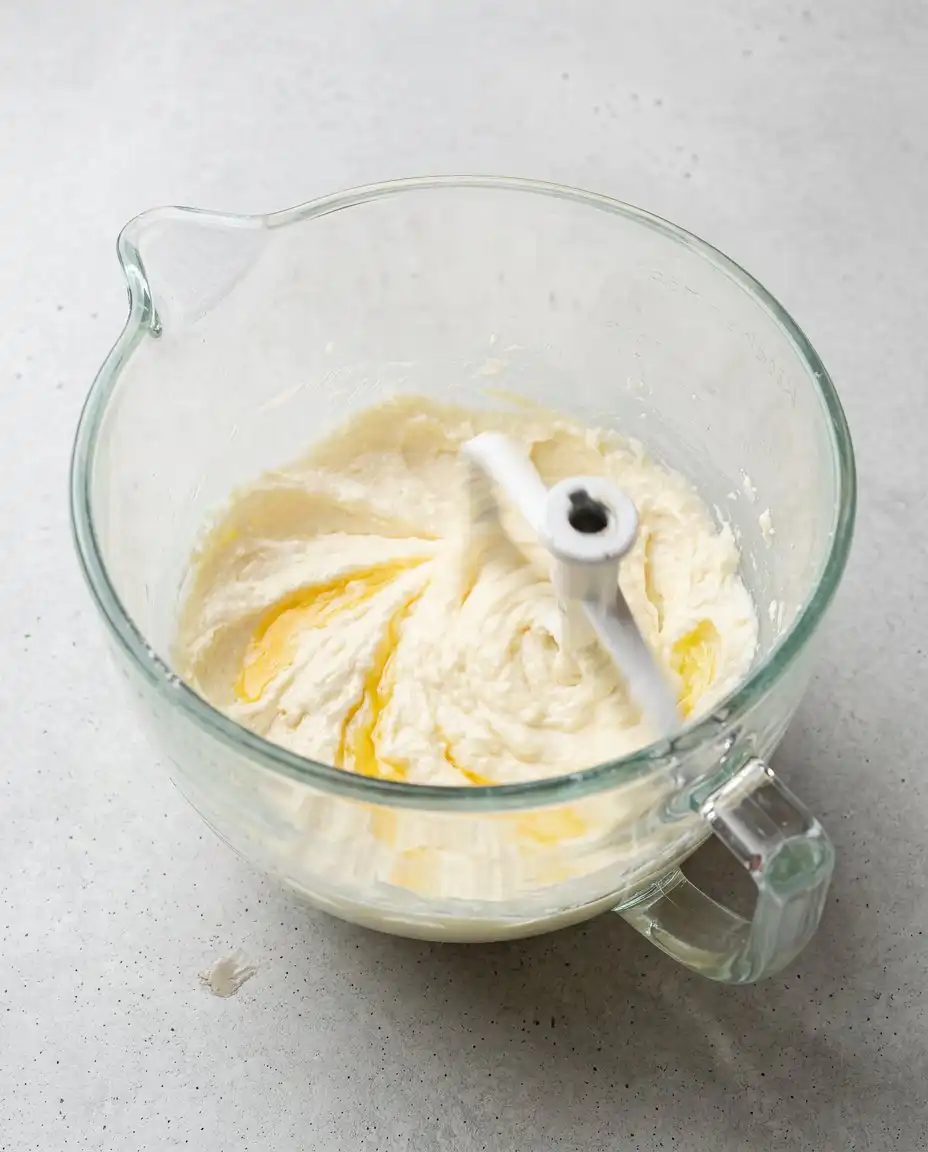
Success in baking relies entirely on understanding how your raw elements interact under heat. This recipe combines liquid fats and fresh vegetables, requiring careful management of starch and moisture to avoid a heavy, collapsed center. By respecting these ratios, we create a stable crumb that carries the rich cream cheese frosting without turning dense or soggy. A proper balance of binding agents and structure-building proteins makes the difference.
- All-Purpose Flour (358g): Provides the gluten structure necessary to hold the weight of the shredded zucchini. By weighing this on a scale, you prevent a dry bake.
- Vegetable Oil (120ml): Keeps the crumb exceptionally tender by coating starch molecules and preventing gluten overdevelopment. This fat remains liquid at room temperature, maintaining softness.
- Unsalted Butter (112g): Contributes essential dairy flavor and structure when creamed with sugar to capture tiny air pockets. This mechanical aeration is crucial for lift.
- Fresh Zucchini (270g): Introduces moisture slowly during the bake, creating a tender crumb that stays soft for days. Use fresh, firm squash for the best results.
- Fresh Lemon Juice (120ml): Reacts with the baking soda to lift the heavy batter while providing sharp citrus flavor. This acidity also brightens the overall profile.
- Cream Cheese (226g): Serves as the rich, tangy base of the frosting, offering structural body that holds its shape. Always select brick-style cream cheese for stability.
| Ingredient | Why It Matters |
|---|---|
| All-Purpose Flour | Builds the structural gluten matrix to lift zucchini flakes |
| Vegetable Oil | Guarantees long-lasting softness and moisture protection |
| Cream Cheese | Provides a rich, dense structural coating |
| Fresh Zucchini | Slow-releases water vapor during baking for tenderness |
The Tested Procedure
Step 1: Prep and Preheat
Preheat your oven to 350°F (176°C) and apply non-stick baking spray to a 9×13-inch baking pan. Lining the base with parchment paper provides extra protection against sticking during removal. The oven must reach temperature before the cake enters to guarantee that the leaveners activate instantly. This rapid heat initiation is what establishes the initial lift of the batter.
Step 2: Combine the Dry Matrix
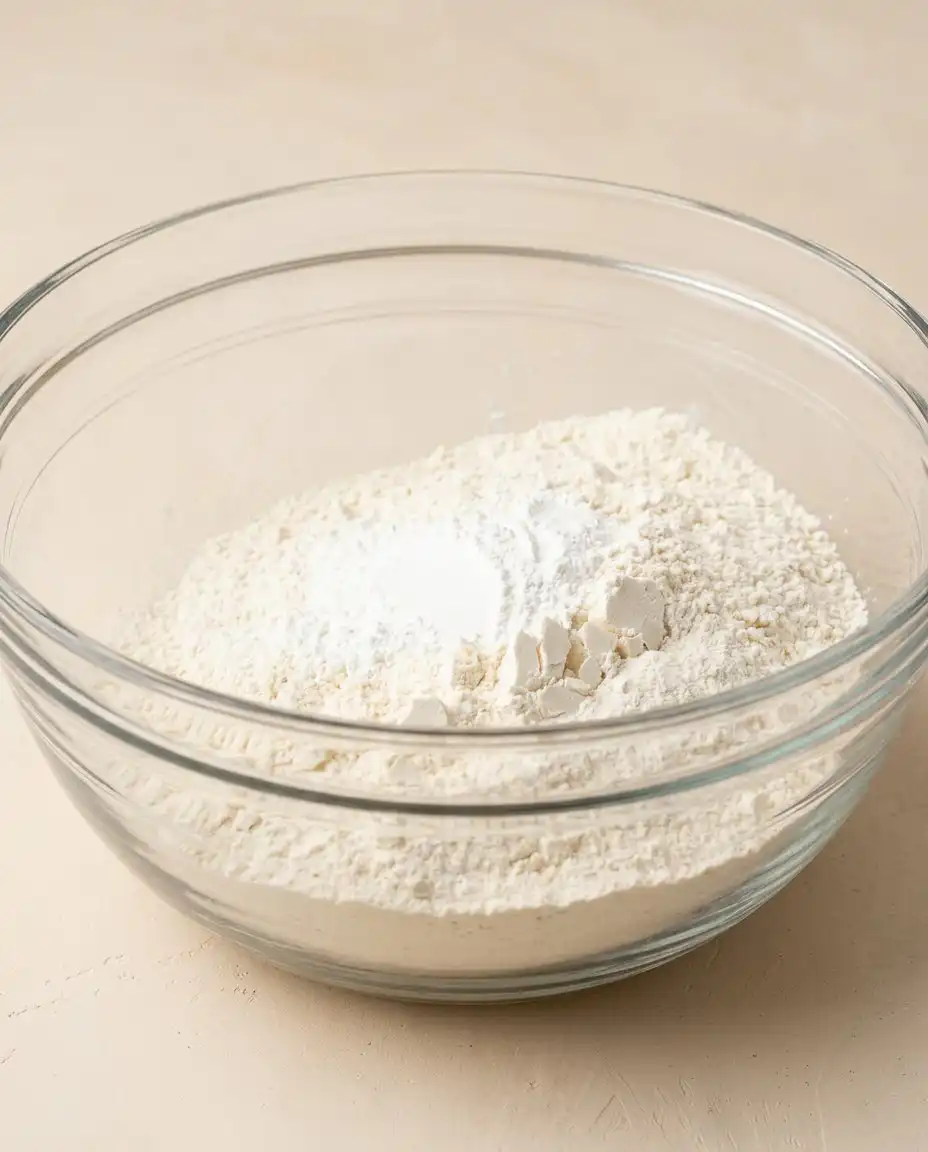
Whisk the flour, baking powder, baking soda, and salt together in a medium-sized mixing bowl. Verify that these dry leaveners are distributed evenly to prevent uneven rising pockets or unsightly tunneling in the baked crumb. The mixture should look uniform and free of visible baking soda clumps. This step establishes the structural framework that will support the heavy squash shreds.
Step 3: Cream the Butter and Fats
Combine the room-temperature butter, oil, sugar, lemon zest, and vanilla extract in a large bowl. Beat these together on medium speed for two to three minutes until the mixture turns pale yellow and holds a fluffy texture. This step builds the air-pocket structure that prevents a dense bake. The mechanical shearing action of the sugar crystals creates millions of micro-cavities within the fat.
Step 4: Incorporate the Eggs
Add the large eggs one at a time, mixing briefly after each addition to maintain the emulsion. If the batter begins to look split or curdled, add a tablespoon of the dry flour mixture to bind the liquid fat. Scrape the sides of the bowl with a flexible spatula to capture all ingredients. A stable emulsion at this stage prevents the cake from sweating oil during the baking process.
Step 5: Assemble the Zucchini Cake with lemon cream cheese frosting Batter
Add half of the whisked dry ingredients to your creamed base and stir on low speed until barely combined. Whisk the milk and fresh lemon juice together, then slowly stream this liquid into the batter while mixing. Once incorporated, fold in the remaining dry mixture until the batter becomes smooth and free of raw flour pockets. This staggered addition prevents the liquids from breaking the fragile fat emulsion.
Step 6: Fold in the Zucchini
Add the shredded zucchini and use a wide silicone spatula to gently fold the mixture together. Treat this step with care; a gentle folding motion avoids overworking the gluten. Stop folding the moment the green shreds are evenly distributed throughout the batter. Overmixing here will release too much water from the zucchini before the heat can set the starches.
Step 7: Bake to Set the Structure
Pour the smooth batter into your prepared pan and bake for 28 to 33 minutes. The cake is baked when the edges pull away slightly and a wooden skewer inserted in the center comes out clean. Allow the cake to cool completely on a wire rack before attempting to frost it. Cooling allows the crumb to set, preventing structural tearing when the frosting is spread.
Step 8: Emulsify the Frosting
Beat the room-temperature cream cheese and butter together in a clean bowl until completely smooth. Add half of the powdered sugar, mixing on low speed until no dry clumps remain, then pour in the vanilla extract. Add the rest of the powdered sugar and whip on medium-high speed until the frosting is thick and spreadable. Maintaining room temperature ingredients prevents the fats from separating into grease.
Step 9: Frost and Finish
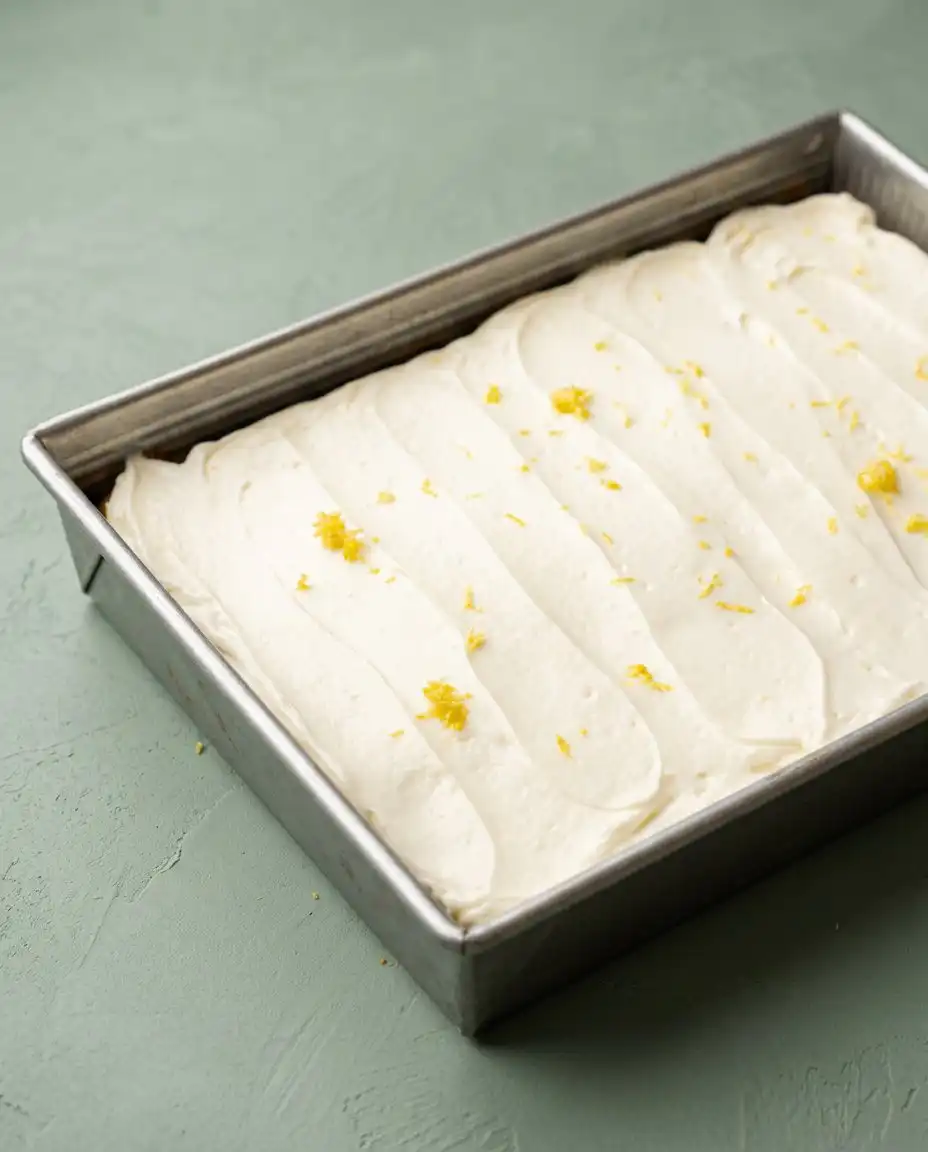
Spread the cream cheese frosting evenly over the surface of the completely cooled cake using an offset spatula. Decorate the top with additional lemon zest or leave it in clean, rustic waves. Slice with a sharp, warm knife for clean portions that display the beautiful interior crumb. A clean cut allows the distinct layers of cake and frosting to remain separate and appealing.
Precision Notes
Always weigh your shredded zucchini on a digital scale to verify exact water contribution to the batter. Excess moisture from unmeasured zucchini will disrupt the flour-to-liquid ratio, leading to a soggy bottom layer. A difference of even thirty grams can cause the crumb to collapse in the oven.
If your cream cheese frosting becomes runny or soupy, the fats have likely warmed too much or the cream cheese was overwhipped, which breaks the emulsion. To fix this, chill the frosting in the refrigerator for twenty minutes, then gently fold in two tablespoons of powdered sugar to rebuild the body. This resting period allows the fats to solidify and regain their structural hold.
Avoid squeezing the liquid out of your shredded zucchini unless specifically directed by a recipe. This particular formula relies on the slow release of that natural moisture during the bake to soften the crumb. Squeezing it out will result in a dry, dense crumb lacking the desired tenderness.
This recipe sits beautifully alongside other celebration showpieces in our Decadent Occasions portfolio, where structural integrity meets dessert excellence. Each recipe in that selection is tested to guarantee repeatable results on your bench.
For additional technical guidance on balancing lemon acidity with cream cheese frosting, consult this citrus baking guide to improve your results. Understanding the chemical reactions of acid in dairy will help you prevent curdled frosting textures.
Use full-fat brick cream cheese rather than spreadable tub varieties for your frosting. Tub products contain added stabilizers and water, which prevent the frosting from holding its signature structural peaks. Brick cream cheese provides the solid fat matrix needed to carry the powdered sugar.
Frequently Asked Questions
Can I use gluten-free flour for this zucchini cake?
Yes, you can substitute the all-purpose flour with a high-quality 1:1 gluten-free baking blend. Verify that your blend contains xanthan gum to provide the necessary structure to support the shredded zucchini. The cake may require an extra three to five minutes in the oven to bake fully because gluten-free flours absorb moisture differently.
Do I need to peel the zucchini before shredding it?
Peeling is completely unnecessary because the skin is tender and melts into the batter during baking. The green specks also provide a beautiful color contrast in the finished crumb. Simply wash the zucchini, trim the ends, and use a medium box grater. Slicing too coarsely can create wet pockets in the cake.
How should I store this frosted cake?
Because the frosting contains cream cheese, this cake must be kept in the refrigerator. Store it in an airtight container or cover the pan tightly with plastic wrap to prevent the cake from drying out. It will remain exceptionally fresh and moist for up to five days. Serve slightly cool or let it sit at room temperature for ten minutes before eating.
Can I bake this recipe in a different pan size?
You can easily divide the batter into two nine-inch round cake pans for a layered presentation. Reduce the baking time to twenty-two to twenty-five minutes, checking with a skewer for doneness. Allow the layers to cool completely before assembling with the frosting so the layers do not slide apart.
Why did my zucchini cake turn out dense and gummy?
This issue usually occurs if the zucchini was shredded too coarsely or if the batter was overmixed after adding the flour. Overmixing develops too much gluten, which traps excess steam and ruins the texture. Use a medium grater and fold the ingredients together gently until barely combined. Correct oven temperature is also critical to set the rise immediately.
Can I freeze this cake for later?
You can freeze the unfrosted cake by wrapping it tightly in plastic wrap and aluminum foil for up to three months. Thaw it overnight in the refrigerator before applying a fresh batch of frosting. We do not recommend freezing the cake once it has been frosted, as the cream cheese texture can separate upon thawing.
Can I substitute the vegetable oil with more butter?
While you can use all butter, the vegetable oil is critical for achieving that signature moist crumb. Oil remains liquid at room temperature, which guarantees the cake stays soft even when chilled. Replacing it entirely with butter will result in a firmer, less tender cake texture that can feel dry when cold.
Variations That Hold
For a deeper, spiced undertone, you can substitute the lemon zest in the cake batter with ground ginger and a pinch of nutmeg. This warming profile pairs exceptionally well with the tangy frosting, turning it into a cozy autumn afternoon bake. It offers a rustic charm that contrasts beautifully with our more delicate, citrus-forward recipes. The spice oils also help to preserve the cake for an extra day.
If you appreciate a darker crumb, fold in sixty grams of high-quality dark chocolate chips along with the zucchini. This modification creates delicious molten pockets of chocolate throughout the moist cake layers. Those looking for chocolate-only profiles should view our dedicated Cocoa Dream Lab creations. The addition of cocoa elements alters the structural density slightly, so do not exceed the recommended weight.
You can also introduce toasted walnuts or pecans to the batter for a crunch that opposes the soft crumb. Fold in fifty grams of finely chopped, toasted nuts during the final step of batter assembly. This contrast in textures highlights the tender zucchini crumb while giving the palate a pleasant, roasted finish. Toasting the nuts beforehand releases essential oils that intensify the overall aromatic experience.
Serving the Structure
Presenting this bake at its optimal temperature is critical for experiencing the exquisite melt-in-the-mouth texture. Slice the cake while it is slightly cool so the cream cheese frosting holds its structural shape. Let the slices sit on the serving plates for ten minutes to reach room temperature before enjoying. This brief window allows the fats to soften slightly, releasing the full lemon aroma.
To balance the rich creaminess of the frosting, serve each slice alongside a selection of fresh raspberries or sliced strawberries. The natural acidity of these berries cleanses the palate and highlights the lemon notes in the cake. You can find similar berry pairings in our Succulent Fruit Fusion collection. The striking visual contrast also adds elegance to your dessert presentation.
For an afternoon setting, serve this dessert with a cup of hot Earl Grey or Darjeeling tea. The bergamot notes in the tea harmonize beautifully with the fresh lemon zest baked into the crumb. This simple pairing creates an elegant dessert course that feels deliberate and deeply satisfying. It provides a quiet moment of pastry appreciation on your bench.
Recipe Recap
Mastering the balance of moisture and structure is the defining triumph of an accomplished home baker. This zucchini cake represents that exact intersection, showing that vegetable-based cakes can be remarkably refined. By applying precision to your measurements and mixing times, you guarantee a flawless bake every single time. It proves that structure is what makes the melt possible.
If you enjoyed working with these precise structural balances, we invite you to discover our Petite Indulgences for more technical baking inspiration. Each recipe is designed to help you build confidence on your baking bench. Our structured approach takes the guesswork out of complex bakes.
We would love to see your beautiful creations and hear about your baking success. Share a photograph of your finished cake with us on Facebook, post a video of your slicing technique on TikTok, or pin your progress on Pinterest. Let us keep refining our pastry craft together.