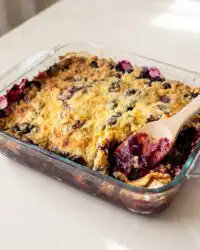
Achieving flawless Oreo Cake Pops requires balancing a crisp chocolate shell with a dense, creamy interior to establish a structurally sound confectionery bite.

Ambitious home bakers understand that texture is the defining element of any fine confectionery creation. These Oreo Cake Pops rely on the clean binding power of softened cream cheese mixed with finely pulverized chocolate cookies. This precise ratio guarantees a rich interior that remains firmly suspended on its stick without crumbling or sliding down. By mastering the dipping temperature, you create an immaculate outer shell where the crisp shell protects the creamy interior.
The Case for This Method: Oreo Cake Pops
Prep: 30 min · Serves: 15 · Difficulty: Medium
- Dense cookie crumbs create an ideal interior emulsion.
- Softened cream cheese provides structural fat binding.
- Thick candy coatings protect the creamy center.
- Precise temperature control prevents cracking or sliding.
Unlike a standard baked oreo cake, this no-bake method relies on the cohesive properties of chilled fats to build structural stability. This technical approach guarantees that your finished confectionery remains completely intact from bench to bite. It removes the guesswork from traditional cake pop assembly, ensuring a neat and orderly baking process.
Get The Full Cake Recipe
Print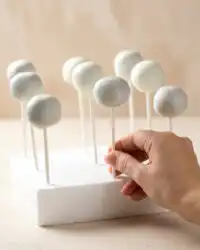
Oreo Cake Pops
- Total Time: 55 mins
- Yield: 15 pops
Description
Master the art of no-bake confectionery with these precise Oreo cake pops, featuring a dense, creamy cookie interior protected by a crisp candy shell. This professional approach ensures perfectly structured treats that remain stable and delicious from first bite to last.
Ingredients
- 24 Oreo cookies
- 4 ounces softened cream cheese
- 12 ounces white candy melts
- 2 tablespoons candy melting aid
- Handful of semisweet chocolate chips
Instructions
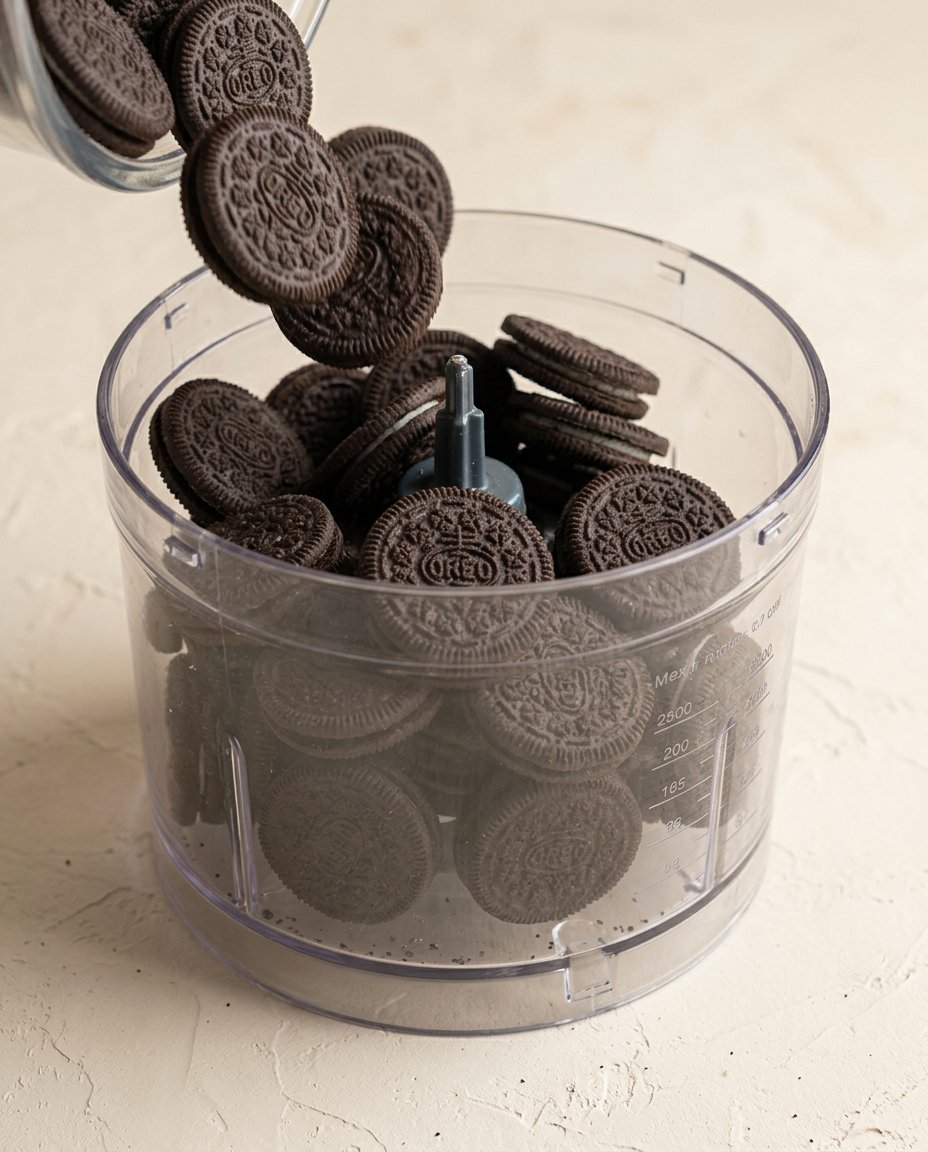
- Pulverize the cookies. Process twenty-four cookies on high speed for forty seconds until they reach a uniform, sand-like texture without any large fragments.
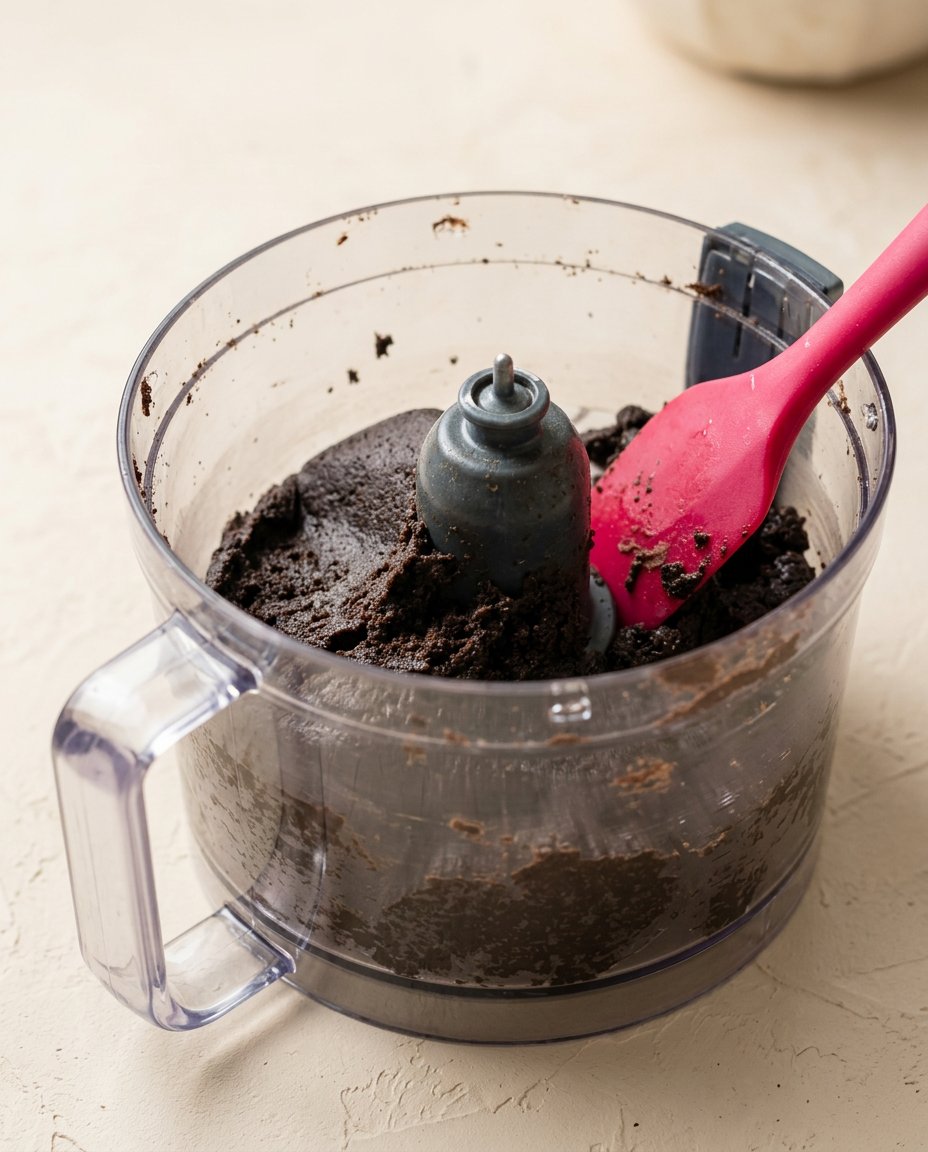
- Form the dough. Add four ounces of softened cream cheese to the crumbs and pulse until a cohesive, shiny, clay-like dough forms.
- Shape the spheres. Portion the dough and roll firmly between your palms to create smooth, crack-free spheres, then place on a parchment-lined tray.
- Chill the spheres. Freeze the formed balls for exactly fifteen minutes to firm the fats, ensuring they remain stable during the dipping phase.
- Secure the sticks. Dip the tip of each stick into melted candy, insert into the chilled spheres, and freeze for an additional five minutes to set the joint.
- Coat the pops. Melt the candy with melting aid, then plunge each chilled pop straight down into the coating, allowing excess to drip off before setting.
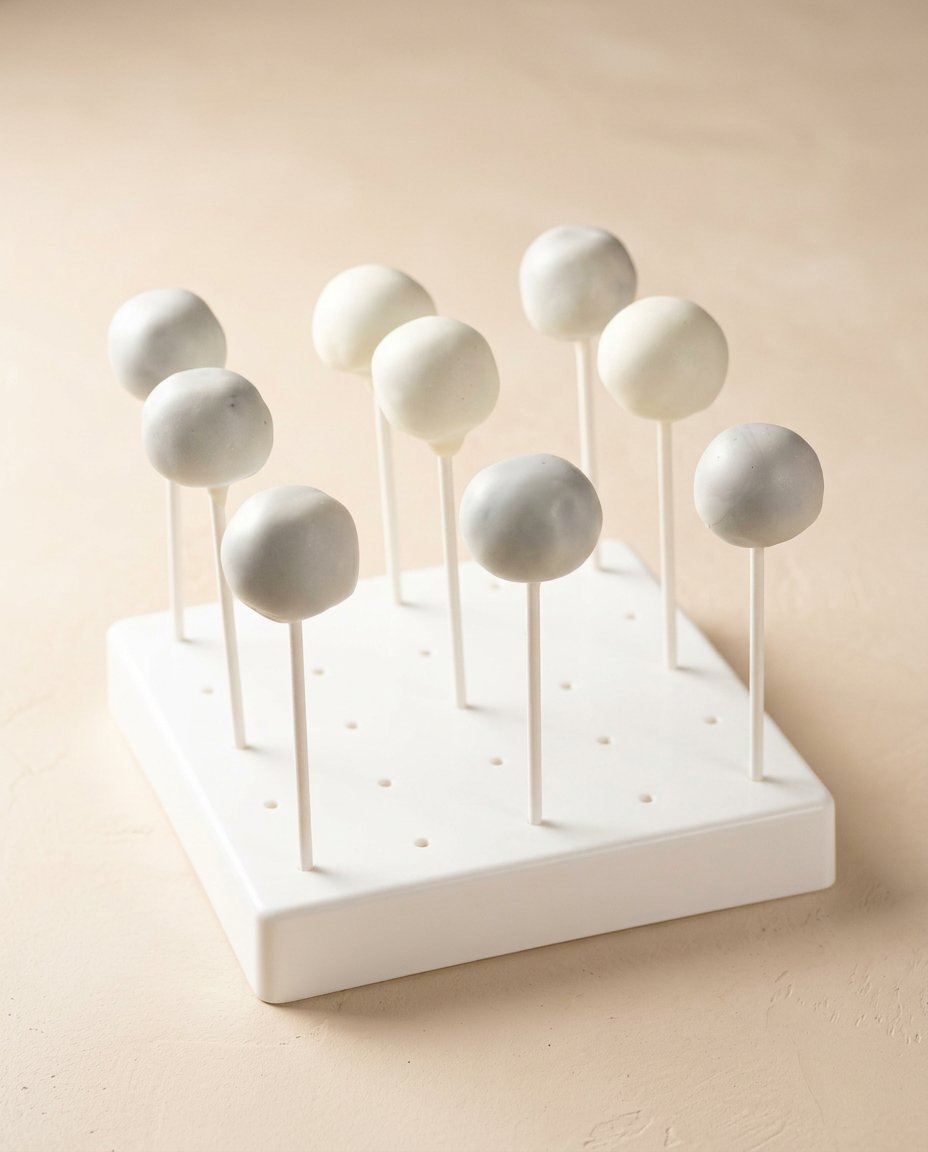
- Decorate the exterior. Arrange pops in a foam block, drizzle with melted semisweet chocolate, and allow the finish to solidify completely before serving.
Notes
- Ensure the cookie crumbs are pulverized to a very fine, sand-like consistency for the best structural integrity.
- Allow the frozen cake balls to sit for two minutes at room temperature before dipping to prevent the candy coating from cracking due to extreme temperature shifts.
- Use a digital scale for measuring ingredients to keep the moisture-to-fat ratio consistent for a perfect dough texture.
- Always plunge the pops straight down into the candy coating rather than swirling to prevent the ball from sliding off the stick.
- Wait until the candy shell appears completely matte rather than glossy to confirm the coating has fully set before adding decorations.
- Prep Time: 30 mins
- Cook Time: 25 mins
- Category: Dessert
- Method: No-Bake
- Cuisine: American
Ingredients & Their Role
Successful pastry work requires understanding how your dry and wet components interact on a molecular level. To build a stable cake ball that resists gravity, we must select ingredients that balance fat binder and dry structural matter. Each component in this list has been weighed and calibrated to guarantee a clean bite without oily leakage.
- Oreo Cookies: The primary structural building block of the pop interior. These sandwich cookies must be pulverized to a uniform, sand-like texture to prevent pocket gaps that cause structural collapse. Using standard cookies provides the exact ratio of dry biscuit to cream filling required for dough stability.
- Softened Cream Cheese: Acts as the binding emulsion agent on the pastry bench. It coats every cookie crumb to build a dense, malleable dough that holds its shape. The acidity of the cheese also balances the intense sweetness of the chocolate cookie base.
- White Candy Melts: Form the outer structural skin of the confectionery. This coating protects the moist center and provides a crisp, satisfying snap when bitten. Proper melting ensures a thin, even coat that sets quickly at room temperature.
- Candy Melting Aid: Lowers the viscosity of the melted coating. Adding this aid allows the candy to flow smoothly, establishing a thin, even shell that does not weigh down the pop. It prevents the coating from becoming thick, heavy, or difficult to work with.
- Semisweet Chocolate Chips: Provide a visually high-contrast decorative finish. When melted and drizzled, they set quickly to add texture to the finished shell. Their bitter notes contrast beautifully with the sweet white candy coating.
| Ingredient | Why It Matters |
|---|---|
| Oreo Cookies | Provide structural crumbs and deep cocoa flavor. |
| Cream Cheese | Forms the cohesive binding emulsion for shaping. |
| Candy Melts | Create a protective, crisp outer shell structure. |
| Melting Aid | Thins the coating for smooth dipping viscosity. |
Step-by-Step Technique
Step 1: Pulverize the Chocolate Cookies
Place twenty-four cookies into the bowl of a food processor. Run the blades on high speed for exactly forty seconds until the mixture resembles uniform black sand. Any remaining large fragments will disrupt the structural integrity of your finished spheres. Touch the crumbs with your fingertips to confirm they feel dry, fine, and entirely free of large chunks.
Step 2: Form the Binding Emulsion
Add four ounces of softened cream cheese directly to the fine crumbs inside the food processor bowl. Pulse the machine in five-second bursts until a cohesive, shiny, clay-like dough begins to pull away from the bowl sides. Touch the dough with clean fingers to confirm it feels malleable and smooth, without leaving any sticky residue on your skin.
Step 3: Portion and Shape the Spheres
Scoop uniform portions of the dough using a mechanical portioner or a dedicated pop former. Roll each portion firmly between your palms with steady, even pressure to form a spherical shape free of surface fissures. Place the formed spheres onto a parchment-lined baking sheet, noting that a smooth exterior guarantees a flawless outer shell during the dipping stage.
Step 4: Chill to Set the Fats
Transfer the sheet of spheres directly into the freezer for exactly fifteen minutes to firm the mixture. This cooling phase solidifies the fats within the cream cheese, which is essential to prevent the dough from collapsing during the dipping process. Feel the exterior of a sphere to verify it is firm to the touch but not completely frozen solid like ice.
Step 5: Secure the Sticks
Gently melt a quarter-cup of white candy melts in a microwave-safe bowl using ten-second bursts. Dip the tip of each paper stick five millimeters into the warm liquid, then insert it exactly halfway into each chilled sphere. Place the assembly back into the freezer for five minutes to allow this adhesive joint to set completely before dipping.
Step 6: Coat Your Oreo Cake Pops in Melted Candy
In a narrow, deep container, melt twelve ounces of candy melts with two tablespoons of melting aid. Dip each chilled pop straight down in one smooth, continuous motion without stirring or swirling. Tap your wrist gently to allow excess coating to cascade back into the container, revealing a flawless, thin shell.
Step 7: Apply the Decorative Finish
Place the coated sticks upright into a firm styrofoam block to cool at room temperature. Melt a handful of semisweet chocolate chips, then use a parchment cone to drizzle delicate lines across the white surface. The dark lines will solidify within two minutes, offering a beautifully clean, high-contrast finish that looks impeccable.
Pastry Bench Tips
Understanding the ratio of cookie starch to dairy fat is critical to confectionery success on the pastry bench. Just as when constructing a layered cookies and cream cake, the moisture levels must be precisely calibrated to avoid sogginess. Excess cream cheese will soften the dough too much, leading to structural failure during dipping.
If your cake pops slide down the stick, here is why and how to fix it. This common failure occurs when the interior dough is too warm or the stick was not dipped in melted candy before insertion. To correct this, return the un-dipped balls to the freezer for ten minutes, then re-dip the sticks to establish a proper physical weld.
Never swirl the pop while it is submerged in the warm coating. Swirling exerts lateral shear forces that can shear the cake ball clean off its paper stick. Instead, plunge the pop straight down and lift it vertically, relying on gravity to spread the coating evenly over the surface.
The difference in temperature between the cold ball and the warm candy coating should not exceed thirty degrees. If the cake ball is too cold, the hot coating will contract rapidly and crack as it sets. Let your frozen cake balls rest on the bench for two minutes before dipping to narrow this thermal gap.
Watch the gloss of the candy shell as it cures to determine when it has set. A glossy, wet appearance means the candy is still warm and malleable. Wait until the surface goes completely matte before applying any decorative chocolate drizzles or handling the pops. Refer to this Oreo cake pops video tutorial to see this exact visual transition in real-time.
Always use a high-quality digital scale to weigh your ingredients rather than relying on volume measurements. Measuring your cream cheese precisely to the gram prevents the interior from becoming greasy. Weigh it, time it, trust it; this approach keeps the bench orderly and the results uniform.
Frequently Asked Questions
How many Oreos do I need for a batch of Oreo Cake Pops?
You will need exactly twenty-four standard cookies to produce fifteen pops of twenty grams each. Do not use more, as this will disrupt the balance of cookie starch to cheese fat. This precise count keeps the dough cohesive and structurally sound.
Can I use Double Stuf or Golden Oreos?
Standard sandwich cookies are highly recommended because Double Stuf varieties contain too much cream filling, making the dough overly soft. Golden varieties work perfectly as long as you maintain the exact weight ratio of cookies to cream cheese. Avoid any filled variations that introduce liquid fillings.
Do I need to crush the cream filling along with the cookies?
Yes, you must grind the entire cookie, including the cream filling, in your food processor. The sugar and fat in the filling are essential elements of the binding emulsion. Removing the filling would dry out the dough, causing the pops to crumble off their sticks.
Do you freeze or refrigerate Oreo balls before dipping?
Freezing the shaped spheres for exactly fifteen minutes is the optimal method to set the cream cheese fats quickly. Refrigeration is too slow and may not firm up the core sufficiently before dipping. However, do not leave them in the freezer for over thirty minutes, or the thermal shock will crack the candy shell.
How do you keep the cake pops from falling off the stick?
You must dip the end of each stick into melted candy coating before inserting it halfway into the chilled sphere. This step acts as a physical weld that secures the stick to the cake core once cooled. Additionally, avoid swirling the pop in the warm coating, as this weakens the structural bond.
Why did my Oreo balls crack after dipping?
Cracking is caused by thermal expansion and contraction when a cold sphere is dipped into warm candy coating. To prevent this, allow your chilled spheres to sit on the bench for two minutes to narrow the temperature differential before dipping. The temperature difference should never exceed thirty degrees.
How long do these cake pops last in storage?
These pops can be stored in an airtight container in the refrigerator for up to seven days. The sugar in the cookies and the acidity of the cream cheese act as natural preservatives. Always store them in a single layer separated by parchment paper to protect the delicate outer shells.
Tested Variations
For a more mature flavor profile, replace the sweet white outer coating with tempered seventy-percent dark chocolate. Infuse the cookie dough with a single gram of finely ground espresso powder during the pulsing stage. This addition highlights the deep cocoa notes of the biscuit base, creating an experience reminiscent of our softest oreo cookies cream cake. The bitter espresso oils cut through the rich dairy fats beautifully.
Substitute classic chocolate cookies with vanilla sandwich cookies to create a golden variety. Mix a tiny pinch of freeze-dried raspberry powder into the cream cheese before blending to add a bright, acidic contrast to the sweet cream filling. This variation relies on the same precise binding ratio but delivers a completely different sensory experience on the palate. You can coat these golden pops in white candy melts colored with a natural pink dye.
Create a salted caramel variety by drizzling the set pops with a reduction of sugar and heavy cream. Sprinkle a single flake of Maldon sea salt on top of each pop before the drizzle solidifies to lock in the savory notes. This simple touch cuts through the heavy sweetness of the white candy, balancing the rich fat profile of the cream cheese interior.
Serving the Structure
Presenting these treats requires an understanding of their physical structure. Because the sticks hold the dense, creamy weight of the cake spheres, they should be displayed upright using a heavy styrofoam block or a custom acrylic stand. If you are serving these alongside classic vanilla cake pops, arrange them in high-contrast clusters to showcase the dark and light elements. This visual contrast highlights the precision of your baking work.
For elegant dinner parties, serve each pop individually on a small, chilled porcelain plate. Lay the pop horizontally with a single edible flower or a light dusting of cocoa powder beside it. This minimalist plating highlights the clean geometry of the sphere and invites guests to appreciate the delicate snap of the outer candy shell.
When planning an outdoor event, keep the ambient temperature below twenty-one degrees to prevent the candy shell from softening. If the venue is warm, display the pops in chilled serving dishes placed over shallow ice baths. This precaution safeguards the structural skin from melting and sliding down the paper stick before guests can enjoy them.
Recipe Recap
Mastering the art of no-bake confectionery is a rewarding step for any ambitious home baker. These treats prove that structure is what makes the melt possible, allowing a simple combination of cookies and cream cheese to taste exceptionally refined. Once you master this dipping technique, you can easily apply your skills to other varieties of cake pops with complete confidence on your baking bench.
We invite you to share your results with our community of pastry enthusiasts. Let us know how your candy shells set and which decorative finishes you decided to apply. Connect with us on our social platforms, including Pinterest, Facebook, and TikTok, to share photos of your completed creations. We look forward to analyzing your technical success and celebrating your pastry precision.