The cold, whipped coconut cream meets the icy sweetness of a freshly carved melon, releasing a scent of pure summer.

In the heat of late afternoon, we seek desserts that cool the palate while lingering gently on the tongue. This No-Bake Watermelon Cake with Coconut Cream offers a sensory escape, pairing the crisp texture of melon with a silky, cloud-like frosting. It is a dessert born of patience, requiring a thorough resting period so the fruit and cream can truly bond. When sliced, the fork should glide through like butter, delivering a bite that is wonderfully sweet but never cloying.
The Heart of the Soak: Why This No-Bake Watermelon Cake with Coconut Cream Melts
Prep: 20 min · Serves: 8 · Difficulty: Medium
- Naturally gluten-free and grain-free for gentle summer digestion.
- Silky coconut cream frosting mimics traditional heavy cream beautifully.
- Succulent watermelon rounds create a meltingly tender mouthfeel.
- Fresh summer berries add a bright, tart contrast.
- Minimal preparation time keeps your hot kitchen calm.
I promise that this refreshing creation will bring a quiet moment of sun-drenched joy to your table. If you appreciate these refreshing fruit creations, you might also enjoy our watermelon cake whipped coconut frosting for your next summer gathering.
Get The Full Cake Recipe
Print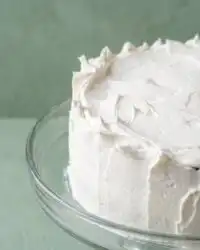
No-Bake Watermelon Cake with Coconut Cream
- Total Time: 2 hours 20 mins
- Yield: 8 servings
- Diet: Gluten-Free, Dairy-Free, Vegan
Description
A refreshing, dairy-free summer dessert featuring crisp watermelon rounds layered with a velvety, whipped coconut cream frosting and fresh, sweet berries.
Ingredients
- 1 medium-large seedless watermelon
- 2 cans Trader Joe’s coconut cream (chilled overnight)
- 1/4 tsp almond extract
- 1/4 tsp vanilla extract
- 1 cup powdered sugar (or 1/4 cup raw honey for paleo)
- 2 cups fresh blueberries
- 1 cup fresh raspberries
- 1/4 cup fresh blackberries
- 1 large fresh strawberry
Instructions
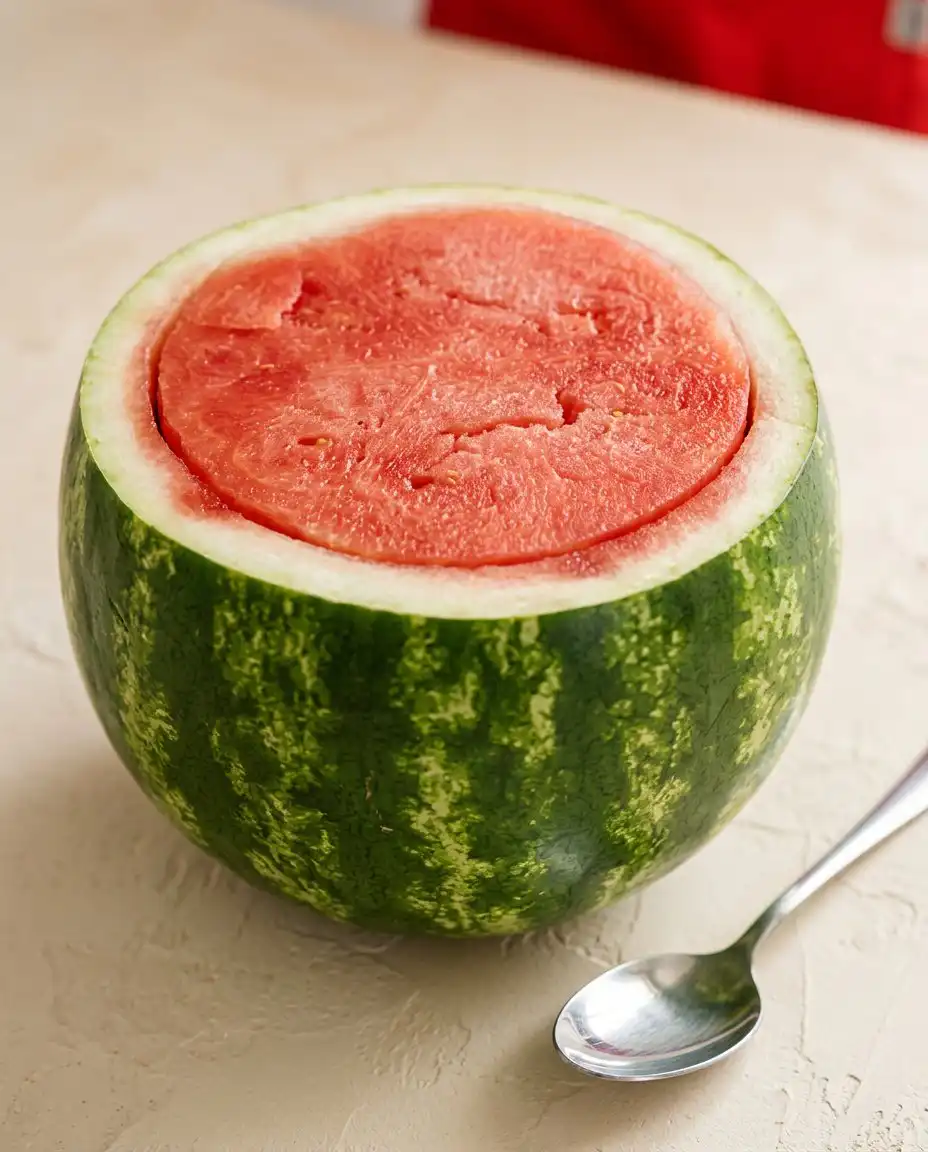
- Shape: Cut the ends off the watermelon, stand it upright, and carve away the green rind and white pith to form a cylinder.
- Slice: Cut the watermelon cylinder horizontally into two equal, stackable rounds, then wrap them in paper towels to absorb excess surface moisture.
- Whip: Whip the chilled coconut cream, almond extract, and vanilla extract in a large bowl until soft peaks form.
- Sweeten: Slowly beat in the powdered sugar on high speed for one minute, then chill the frosting in the refrigerator for one to two hours.
- Assemble: Place the first watermelon round on a platter, spread with half a cup of frosting, and layer with fresh blueberries.
- Finish: Stack the second watermelon round on top, frost the entire cake, and decorate the crown with the remaining fresh berries.
Notes
- Make sure to chill your coconut cream cans for at least 24 hours to separate the solid fat from the liquid.
- Thoroughly drying the watermelon rounds with paper towels is crucial to prevent the frosting from slipping.
- Serve this cake immediately after slicing for the crispest texture.
- Prep Time: 20 mins
- Cook Time: 0 mins
- Category: Dessert
- Method: No-Bake
- Cuisine: Mediterranean
Ingredients for the Cake & the Soak
We gather simple, wholesome elements from the summer pantry to construct this layered masterpiece. Selecting the finest, heavy-bottomed melon and high-fat coconut cream is vital for achieving a stable, luscious structure. The balance of fresh fruit and rich cream creates a dessert that is light yet deeply satisfying.
- Seedless Watermelon: The foundation of our dessert, providing a crisp yet melting base that holds its shape beautifully when carved.
- Coconut Cream: Cold-chilled and whipped to a velvety finish, this dairy-free frosting offers a rich mouthfeel that balances the watery melon.
- Almond and Vanilla Extracts: A delicate pairing of aromatics that infuses the whipped cream with a nostalgic, pastry-shop scent.
- Powdered Sugar: This fine sugar dissolves effortlessly into the cream, providing structural stability and a gentle sweetness.
- Fresh Berries: Blueberries, raspberries, blackberries, and a single strawberry crown the layers, adding tartness and a beautiful mosaic pattern.
| Ingredient | Why It Matters |
|---|---|
| Seedless Watermelon | Forms the sturdy, hydrating layers of our cake |
| Coconut Cream | Provides a rich, velvety fat layer to balance the fruit |
| Almond Extract | Adds a subtle, nutty depth reminiscent of Mediterranean marzipan |
| Fresh Blueberries | Tucked between layers to prevent the watermelon from sliding |
Cake, Syrup, Rest
Step 1: Shape the Watermelon Base
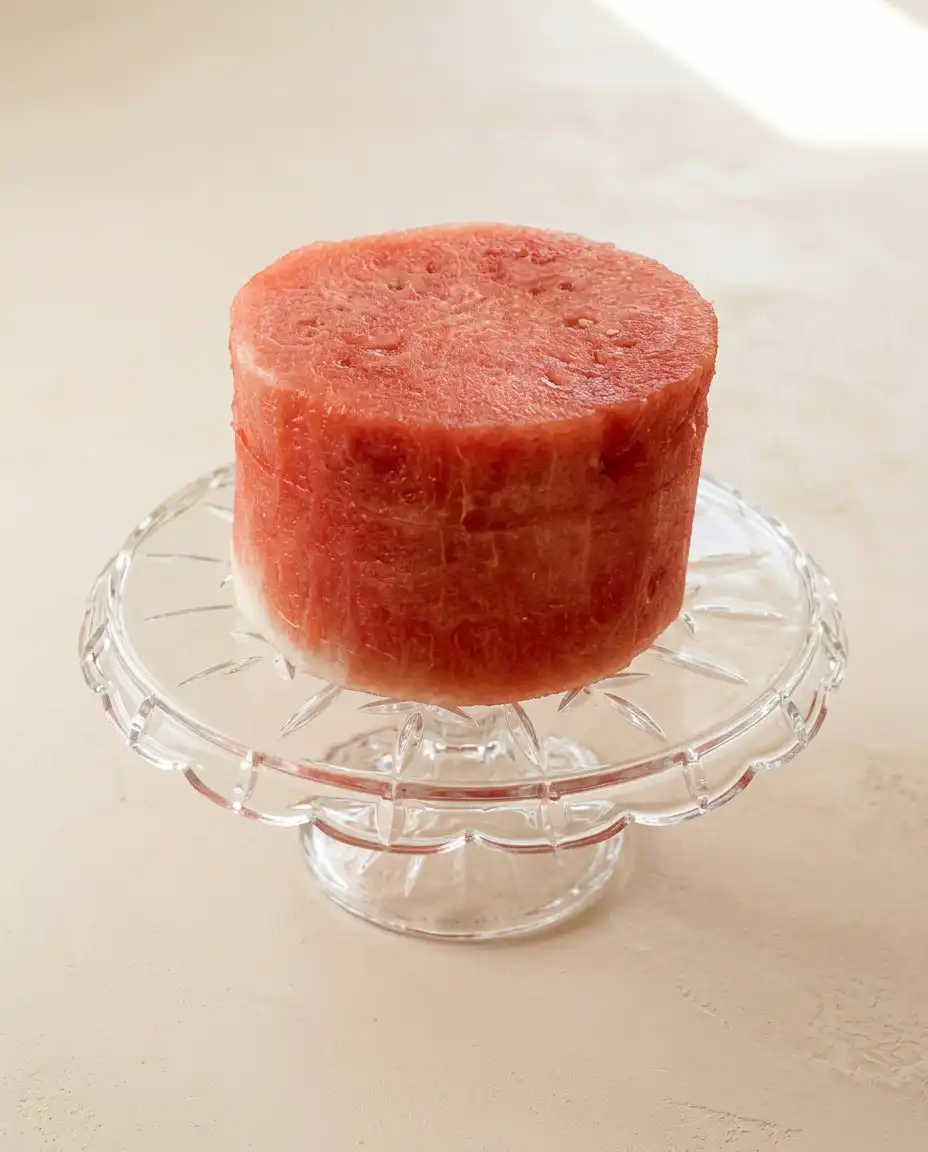
Select a heavy, uniform seedless watermelon that feels dense with water, indicating its crispness. Place it on a steady wooden cutting board and slice off both ends to create flat, stable surfaces. Stand the melon upright on your cutting board, then carefully slide a sharp chef’s knife down the sides to remove the green rind and white pith. Trim the top and bottom until you have a smooth, pink cylinder measuring roughly four inches in height. This process requires a steady hand and a very sharp knife to make sure the sides are even and clean. The carved melon should look like a bright, juicy block of stone, ready to be transformed into a delicate dessert.
Step 2: Slice the Stackable Layers
Divide the watermelon cylinder horizontally into two equal, stackable rounds using a long, steady stroke of your knife. Inspect each round to make sure the surfaces are level, which will prevent your finished cake from leaning or sliding. Gently pat the outer surfaces with clean paper towels to remove excess moisture before assembly. This step is essential for creating a balanced structure that will support the creamy filling. You want to see two perfectly symmetrical rounds that sit flat on top of one another, with no sloping edges that could cause a collapse.
Step 3: Wrap and Rest the Watermelon
Wrap each watermelon round tightly in several layers of thick paper towels to absorb the surface juices. Let them rest on a flat tray at room temperature while you prepare the delicate frosting. This drying phase is crucial, as any excess moisture on the surface will prevent the coconut cream from adhering properly. Patience is the secret during this step, as a dry surface is the only way to guarantee the frosting sticks. Let it soak and melt into the paper towels, leaving a dry, matte surface on the pink flesh.
Step 4: Whip the Coconut Cream Frosting
Open two cans of thoroughly chilled coconut cream and scoop the thick, solid white cream into a large, chilled mixing bowl. Pour in the almond extract and vanilla extract, then use an electric mixer to whip the mixture until it becomes smooth and holds soft peaks. The scent of sweet coconut and warm vanilla will fill your kitchen as the cream aerates. Be careful not to include any of the watery liquid from the bottom of the cans, as this will make your frosting too thin. The whipped cream should look like a fluffy, cloud-like mixture that holds its shape beautifully on the beaters.
Step 5: Sweeten the Frosting
Sift the powdered sugar slowly into the whipped cream, then beat on high speed for one full minute until the frosting is glossy and stiff. Place the bowl of frosting in the refrigerator to chill for at least one to two hours before assembling. This cooling period allows the coconut fats to firm up, promising a stable frosting that will not melt when applied. The cold temperature is key to achieving a spreadable, holdable consistency. When you pull the spatula through the chilled cream, it should leave deep, defined tracks that do not collapse.
Step 6: Assemble the No-Bake Watermelon Cake with Coconut Cream Base
Place the first dried watermelon round onto the center of a flat cake stand or serving platter. Spread approximately half a cup of the chilled coconut cream frosting evenly across the top, smoothing it right to the edges. The cold cream should sit comfortably on the dry melon surface without sliding. Take your time with this step, ensuring an even layer that will support the berries. The contrast of the stark white cream against the pale pink melon is a beautiful sight, hinting at the refreshing flavors to come.
Step 7: Layer the Fresh Blueberries
Press fresh blueberries gently into the layer of frosting, placing them close together in concentric circles until the entire surface is covered. This berry barrier acts as an anchor, helping the second watermelon layer sit securely without slipping. Spread another half cup of frosting over the blueberries to lock them in place. The combination of sweet cream and tart berries creates a delightful contrast in every bite. Each blueberry should be nestled snugly in the cream, creating a textured mosaic that adds structural integrity to the center of the cake.
Step 8: Stack and Frost the Cake
Position the second watermelon round carefully on top of the frosted blueberry layer, pressing down very gently to secure it. Use a spatula to spread the remaining coconut cream frosting over the top and sides of the cake, creating a rustic, textured finish. Decorate the crown with the remaining raspberries, blackberries, and the single strawberry, then chill for another hour before slicing. When sliced, the fork should glide through like butter, revealing the beautiful layers of pink fruit and white cream. The finished cake should look like a snowy mountain peak adorned with summer jewels.
Patience-Pays-Off Tips
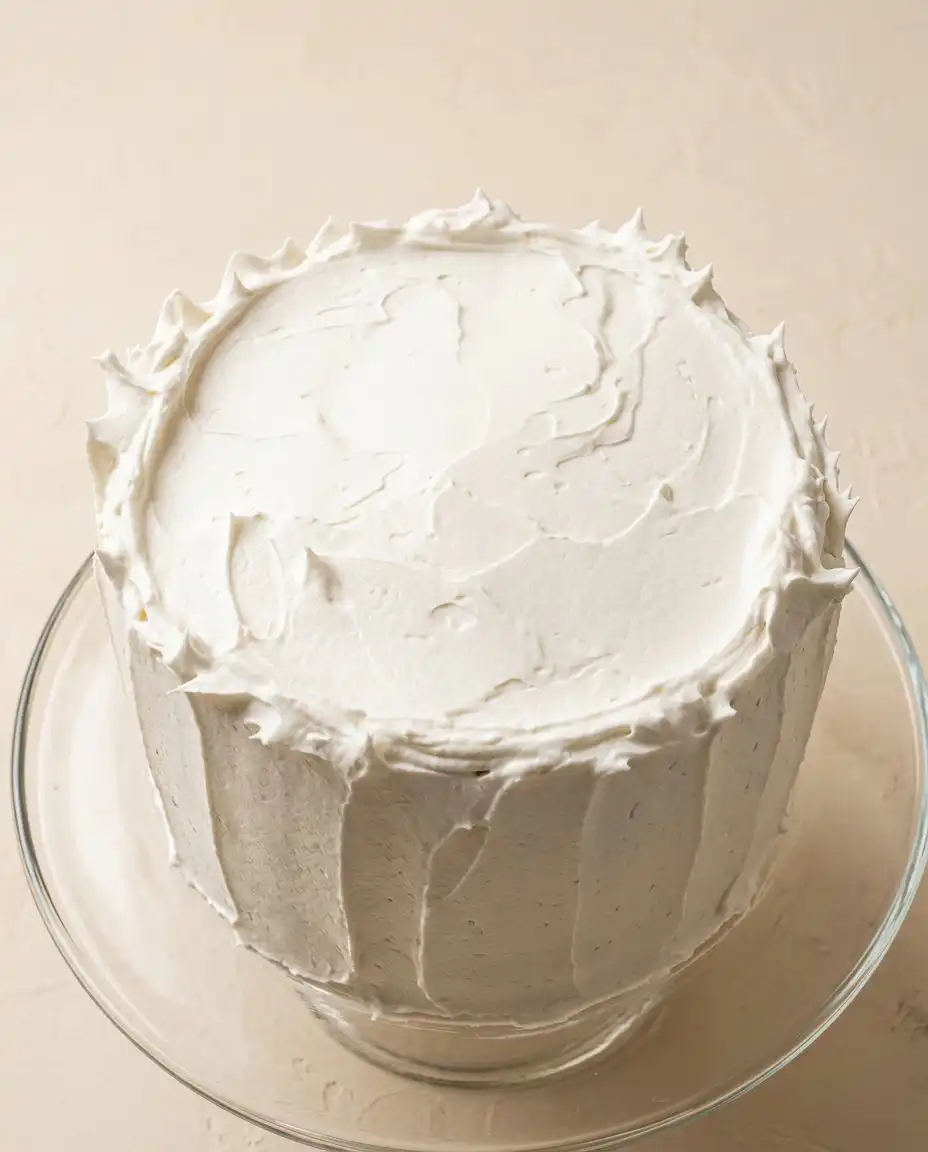
Always chill your coconut cream cans for at least twenty-four hours before whipping. If you skip this step, the fat and liquid will not separate, and you will end up with a runny liquid instead of a fluffy frosting. This overnight chilling is the foundation of the entire dessert, allowing the natural fats to solidify into a thick, workable paste.
If your frosting begins to melt or slide off the melon during assembly, here is why and how to fix it: the watermelon surface was likely too wet, or the kitchen was too warm. To fix this, scrape off the runny cream, dry the watermelon rounds thoroughly with fresh paper towels, and chill both the melon and the frosting in the freezer for fifteen minutes before trying again. This quick chill sets the fats and stops the weeping process.
For a smooth application, use an offset spatula dipped in ice-cold water to smooth the sides of the coconut cream. The cold metal helps set the fats in the cream instantly, giving you a clean, professional finish. For a deeper understanding of working with delicate dairy-free frostings, read our guide on making a three layer coconut cream cake.
Choose a seedless watermelon that feels heavy for its size and has a creamy yellow spot on the bottom, which indicates it ripened fully on the vine. A ripe melon has a tighter cell structure that holds its juices better, preventing excessive weeping after the cake is frosted. Avoid melons with soft spots or dry, hollow centers, as they will collapse under the weight of the frosting.
To guarantee clean, beautiful slices, use a very sharp, thin-bladed slicing knife dipped in warm water and wiped dry before each cut. The warm blade will glide through the chilled coconut cream and the crisp watermelon without tearing the delicate layers. Wipe the blade clean after every single slice to maintain the pristine white appearance of the frosting.
According to food preservation guidelines from Creative Green Living, keeping the assembled cake in the coldest part of your refrigerator until the exact moment of serving is essential for maintaining its structural integrity. The cold environment keeps the coconut fats stable and prevents the melon from releasing its juices too quickly.
Frequently Asked Questions
How do you make coconut cream frosting?
To make this frosting, you must chill cans of high-fat coconut cream overnight so the solids separate from the liquid. Scoop out the hardened cream, add your desired sweeteners and extracts, and whip on high speed until light and fluffy. Make sure to avoid adding any of the liquid from the bottom of the can, as this will make your frosting runny.
How do you get frosting to stick to a watermelon?
The secret to making the frosting adhere is thoroughly drying the carved watermelon rounds. Wrapping the melon in paper towels and letting it rest allows the surface moisture to be absorbed, creating a dry exterior that the coconut cream can cling to. Chilling the watermelon before frosting also helps the fats in the cream set quickly upon contact.
What are the best toppings for a watermelon cake?
Fresh, bright berries such as raspberries, blueberries, blackberries, and strawberries are ideal because they add tartness and rustic beauty. You can also garnish the cake with toasted sliced almonds, chopped pistachios, or fresh mint leaves for added texture and color. A light dusting of lime zest can also add a beautiful pop of citrus aroma.
How long does a watermelon cake last?
This cake is best enjoyed within twenty-four hours of assembly, as the watermelon will naturally begin to weep juice over time. Keep it tightly covered in the refrigerator until you are ready to slice and serve. If you have leftovers, store them in an airtight container, but note that the frosting may soften slightly.
Can I use light coconut milk instead of coconut cream?
No, light coconut milk does not contain enough fat to separate and whip into a stable frosting. Always use full-fat coconut cream or high-quality canned coconut milk that has been thoroughly chilled. The high fat content is what gives the frosting its luxurious, spreadable texture.
Is this watermelon cake suitable for a birthday celebration?
This cake is a spectacular choice for a summer birthday, offering a refreshing, allergen-friendly alternative to traditional baked goods. It looks stunning when sliced and can be decorated with candles just like a standard cake. It is particularly popular for outdoor children’s parties where a cool, hydrating treat is welcomed.
Can I freeze the assembled watermelon cake?
Freezing is not recommended, as the watermelon’s cell structure will break down when frozen and thawed. This results in a mushy, watery texture and causes the coconut frosting to separate. It is always best to serve this dessert fresh and cold from the refrigerator.
Across the Mediterranean
Infuse the coconut cream with a splash of orange blossom water or rose water instead of vanilla extract. This subtle floral twist brings a traditional Levantine aroma to the dessert, pairing beautifully with the fresh berries and crisp melon. The delicate floral notes linger on the palate, elevating the natural sweetness of the watermelon without overpowering it. It is a technique often used in Mediterranean syrup cakes, where aromatics are gently folded into cold creams to create a complex, refreshing finish.
Scatter finely chopped, toasted pistachios over the frosted sides of the cake to add a delightful crunch and a beautiful green hue. The contrast between the creamy coconut, juicy watermelon, and nutty pistachios is reminiscent of classic Sicilian confections. You can also lightly toast the pistachios beforehand to release their natural oils, which intensifies their nutty flavor. For a different take on combining tropical melons with other fruits, try our recipe for a watermelon pineapple tropical fruit cake.
For a rich, caramelized note, substitute the powdered sugar with a high-quality raw honey or maple syrup. This adjustment creates a slightly off-white, rustic frosting with a deep, natural sweetness that pairs wonderfully with a dusting of ground cinnamon. When using honey, make sure to fold it in gently at the very end of the whipping process to maintain the fluffiness of the cream. The resulting frosting has a golden tint and a warm, floral undertone that perfectly complements the summer berries.
Serving the Soaked Slice
Present this stunning cake on a chilled ceramic platter to keep the base cool during serving. Slice it into generous wedges at the table, allowing your guests to admire the beautiful red and white layers. A small cup of unsweetened Turkish coffee or a glass of chilled mint tea makes the perfect companion to this refreshing dessert, balancing the sweetness of the fruit. The warmth of the coffee contrasts beautifully with the icy crispness of the melon, creating a sensory experience that feels like a lazy afternoon in a seaside cafe.
If you are hosting a festive summer gathering, pair this dessert with other light, fruit-forward treats. For inspiration on creating a gorgeous dessert table, view our guide on crafting a mango fresh fruit topped cake. Serving the slices immediately after cutting ensures that each bite remains wonderfully crisp and cool.
To add an extra touch of elegance, garnish each individual plate with a sprig of fresh mint and a light dusting of powdered sugar. You can also drizzle a tiny amount of pomegranate molasses over the plate before placing the slice down, adding a sharp, tangy note that cuts through the rich coconut cream. This thoughtful presentation turns a simple no-bake dessert into a memorable culinary highlight. The slow, unhurried pace of a Mediterranean afternoon is best enjoyed with a dessert that does not rush you. As you sit with friends and family, let the cake rest on the table for just a moment before cutting, allowing the aromas of coconut and fresh berries to mingle with the warm air. This is a dessert meant for sharing, bringing people together around a low table as the sun begins to set.
Let It Rest, Then Slice
There is a unique joy in preparing a dessert that requires no baking, only the gentle art of patience. Letting the watermelon rounds dry and allowing the whipped coconut cream to chill thoroughly is where the magic truly happens. As you share this cool, melting treat with family and friends under the warm afternoon sun, you will appreciate how beautifully simple ingredients can come together. It is a reminder that the best things in life often require us to slow down and wait.
We invite you to browse our extensive recipe index for more traditional and modern dessert inspiration. Share your beautiful creations with us on Pinterest or join our community on Facebook to connect with fellow baking enthusiasts. Let the cake rest, slice it gently, and savor the slow, sweet moments of summer.
In our kitchen, we believe that the process of making a dessert is just as important as the final taste. The careful carving of the melon, the rhythmic whipping of the cream, and the quiet waiting as the cake sets in the fridge are all acts of love. This No-Bake Watermelon Cake with Coconut Cream represents the heart of our baking philosophy—simple, honest, and deeply satisfying.