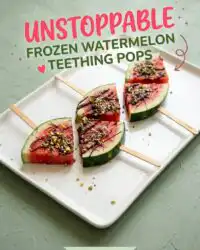
The cold, refreshing juice bursts forward the moment your little one sinks their gums into the frosty fruit, bringing instant cooling relief to a fussy afternoon.

When the evening teething fussiness hits between dinner and bedtime, you need a texture win that calms things down immediately. These Frozen Watermelon Teething Pops deliver a cold, soothing crunch that works wonders on sore little gums without requiring an afternoon of prep work. I keep a batch of these fruit wedges tucked away in the freezer because they require only one main ingredient and take mere minutes to slice. It is a reliable relief that keeps babies happy while you brew a cup of tea or clean up after dinner.
I am a firm believer that weeknight parenting hacks should be as simple as possible without sacrificing the comforting results. Slicing a melon and freezing it is a straightforward task that yields maximum relief when those brand-new teeth start pushing through. There is no need for fancy cooking gear or hours of tedious pureeing when nature provides an ideal canvas right inside a green rind.
What Makes These Frozen Watermelon Teething Pops Quick & Luscious
Prep: 10 min · Serves: 8 · Difficulty: Easy
- Cold temperature soothes sore baby gums.
- Fresh fruit contains no added sugars.
- Slicing takes less than ten minutes.
- Simple cleanup keeps your evening stress-free.
- Fits easily in any freezer space.
You do not have to spend your precious evening hours boiling sugar syrups or washing heavy blender jars to create an effective teething remedy. This method relies on the natural, icy crunch of real fruit to do all the heavy lifting while you take a well-deserved breather. It is a stress-free option that fits easily into your busy routine.
This refreshing snack is much more natural than a store-bought toy, and you can even serve a version of this as a smash cake made from watermelon for special milestones.
This is the reliable treat my family keeps stocked throughout the teething months.
Preparing these cool treats does not require a long list of specialty items or trip to the grocery store. You only need a ripe, juicy melon and a few basic kitchen tools to construct a soothing teething treat.
- Seedless Watermelon: The star of the show, providing natural sweetness and excellent hydration while holding its solid shape once frozen. Since it contains over ninety percent water, it turns into a soothing, icy block that slowly melts as baby gnaws on it.
- Popsicle Sticks: These serve as safe, sturdy handles for little hands to grip firmly while chewing on the cold fruit. Using wooden sticks makes it easy for infants to keep a strong hold even when the fruit begins to melt and slip.
- Parchment Paper: This prevents the wet melon wedges from sticking to your metal baking sheet during the freezing process. It guarantees that you can lift each wedge cleanly off the tray without tearing the delicate red flesh apart.
- Optional Breastmilk or Formula: You can drizzle a small amount over the fruit before freezing to add familiar nourishment and a comforting taste. This simple addition can make the icy wedge feel much more familiar and soothing for a cautious infant.
- Optional Plain Greek Yogurt: A thin dip in yogurt before freezing adds a creamy texture that softens the icy bite and adds a boost of protein. It creates a beautiful marbled pattern on the fruit that looks inviting and tastes delicious.
| Ingredient | Why It Matters |
|---|---|
| Seedless Watermelon | Offers sweet hydration and a cold texture that stays firm when frozen. |
| Popsicle Sticks | Provides an easy-to-hold handle so small hands can control the wedge. |
| Parchment Paper | Keeps the wet fruit from freezing solid onto your metal baking sheet. |
| Yogurt (Optional) | Adds a creamy layer that softens the initial cold bite for sensitive gums. |
Get The Full Cake Recipe
Print
Frozen Watermelon Teething Pops
- Total Time: 6 hours 10 mins
- Yield: 8 servings
Description
These Frozen Watermelon Teething Pops are a simple, cooling remedy for fussy babies during teething. Made with fresh, seedless melon and wooden handles, these icy wedges provide gentle, soothing relief for sore gums with zero added sugar.
Ingredients
- 1 seedless watermelon
- Wooden popsicle sticks
- Parchment paper
- Optional: Plain Greek yogurt
- Optional: Breastmilk or infant formula
Instructions
- Select and inspect. Choose a heavy, ripe melon that sounds hollow when tapped and has a creamy yellow ground spot.
- Clean the exterior. Scrub the watermelon rind thoroughly under cold running water and dry completely with a clean towel.
- Slice into wedges. Halve the melon, cut into thick round disks, and slice each disk into manageable triangles.
- Prepare the rind. Carefully cut a small, narrow slit into the center of the green rind using a small paring knife.
- Insert the stick. Push a wooden popsicle stick through the slit and deep into the red flesh until secure.
- Arrange for freezing. Line a baking sheet with parchment paper and place wedges in a single layer with space between them.
- Freeze until solid. Place the sheet in the freezer for at least six hours until the fruit is rock-hard.
- Store and serve. Remove from parchment, transfer to a freezer-safe bag, and keep stored in the freezer for quick access.
Notes
- Always supervise your infant closely to prevent them from breaking off large, hard chunks of frozen fruit.
- Select a seedless variety of watermelon to ensure the structural integrity of the wedge when frozen.
- Use a sharp paring knife to ensure the rind slit is tight, which prevents the popsicle stick from wobbling.
- Store extra wedges in a double-sealed freezer bag to prevent freezer burn and loss of moisture.
- Prep Time: 10 mins
- Cook Time: 6 hours
- Category: Baby Food
- Method: Freezing
- Cuisine: American
The Quick Method
Step 1: Select a Sweet Ripe Melon
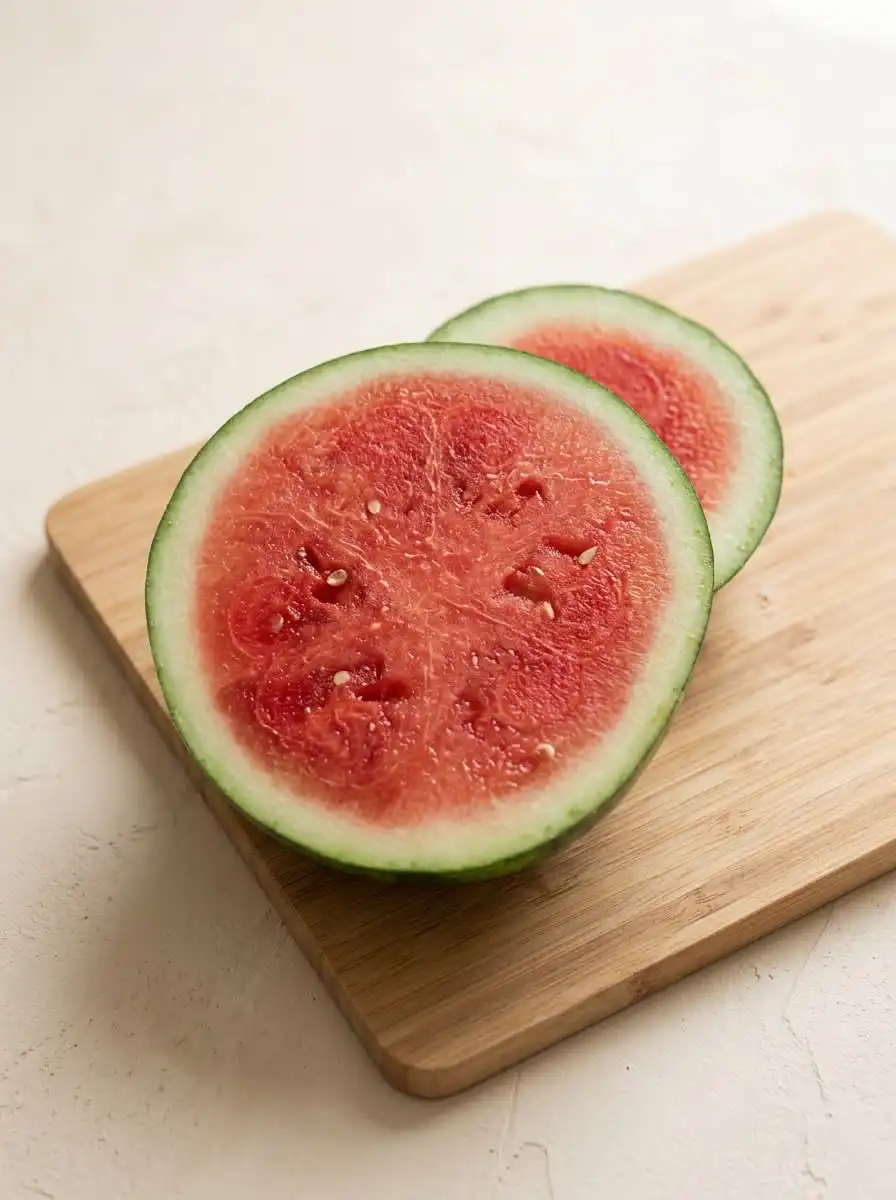
Start by choosing a heavy melon that sounds hollow when you give it a firm tap with your knuckles. The outer rind should feature a creamy yellow spot where it rested on the warm ground, showing it ripened fully in the sun. If you smell the stem end, it should carry a faint, sweet aroma that promises rich flavor inside. Avoid melons with soft spots or bruised green skin, as they will yield mushy results once sliced and frozen.
Step 2: Wash and Prep the Fruit
Place the entire melon under cold running tap water to remove any garden dust or dirt from the outer rind. Scrub the surface gently with a clean produce brush until the green rind shines brightly and feels completely smooth under your fingers. Use a clean kitchen towel to dry the skin thoroughly so it does not slide on your work surface. Cutting a dry melon is much safer and prevents wet hands from slipping during the slicing process.
Step 3: Slice Into Uniform Wedges
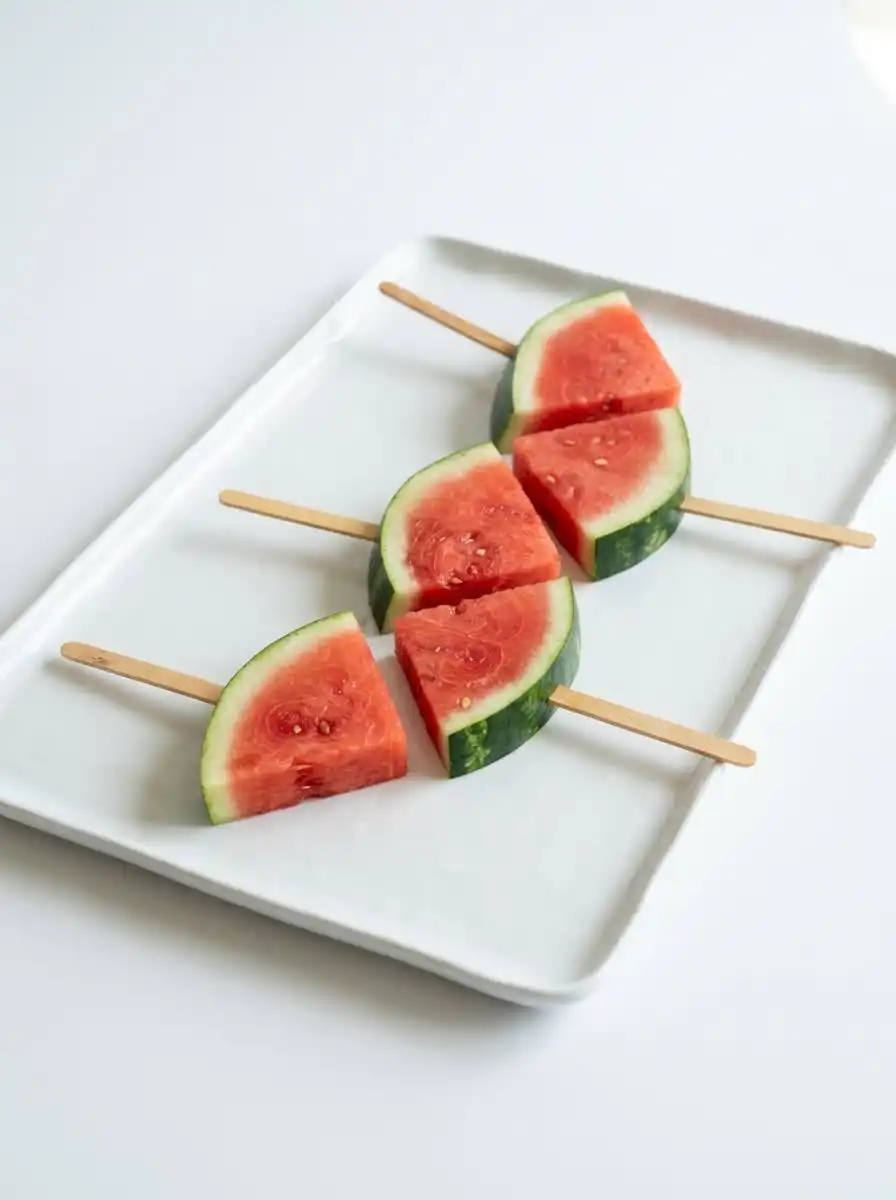
Cut the entire melon in half using a long, sturdy chef knife, revealing the deep red flesh and sweet aroma. Lay each half flat side down on your cutting board to secure the fruit, then slice it into thick round disks. Cut each round disk into small, manageable triangles that are thick enough to support a stick without splitting. The pieces should look like miniature trees with a green base and a bright red top.
Step 4: Create Safe Slits in the Rind
Hold a single melon triangle firmly on your cutting board with your non-dominant hand while keeping your fingers clear of the blade. Using a small, sharp paring knife, gently press a narrow slit directly into the center of the green skin. You will feel the tough rind give way to the softer white flesh as the knife slides inside. Keep this opening narrow so the wooden handle fits snugly without wobbling around later.
Step 5: Insert the Wooden Sticks for Frozen Watermelon Teething Pops
Slowly push a clean wooden popsicle stick through the newly carved opening and deep into the red flesh of the melon. Slide the stick in about halfway up the wedge so it feels anchored and does not tear through the sides of the fruit. The wedge should feel balanced and secure when you lift it by the wooden handle. If the wood slides out too easily, you can squeeze the rind slightly to secure the connection.
Step 6: Prepare the Freezing Tray
Line a large rimmed baking sheet with a clean sheet of white parchment paper to prevent any sticking. Arrange the prepared wedges in a single layer on the tray, leaving a small gap of space between each piece of fruit. If the wedges touch each other, they will freeze together into a solid block that is difficult to separate. The tray should look organized and flat, ready to slide smoothly into your freezer.
Step 7: Freeze Until Solid
Set the loaded baking sheet flat on a level shelf in your freezer where it will not be disturbed. Let the fruit freeze for at least six hours, during which the red flesh will turn solid and frosted. When ready, the flesh will feel rock-hard to the touch and develop a light, icy sheen across the surface. Make sure there are no loose items nearby that could fall and crush the delicate handles during this time.
Step 8: Store for Easy Weeknight Grab
Once the wedges are frozen solid, peel them gently off the parchment paper and transfer them to a freezer-safe zip-top bag. Squeeze out as much excess air as possible before sealing the bag to prevent ice crystals from building up on the fruit. Label the bag with the current date so you can keep track of freshness over the coming weeks. Store the bag flat on a shelf so you can reach in and grab a single wedge whenever teething fussiness begins.
Keep It Luscious
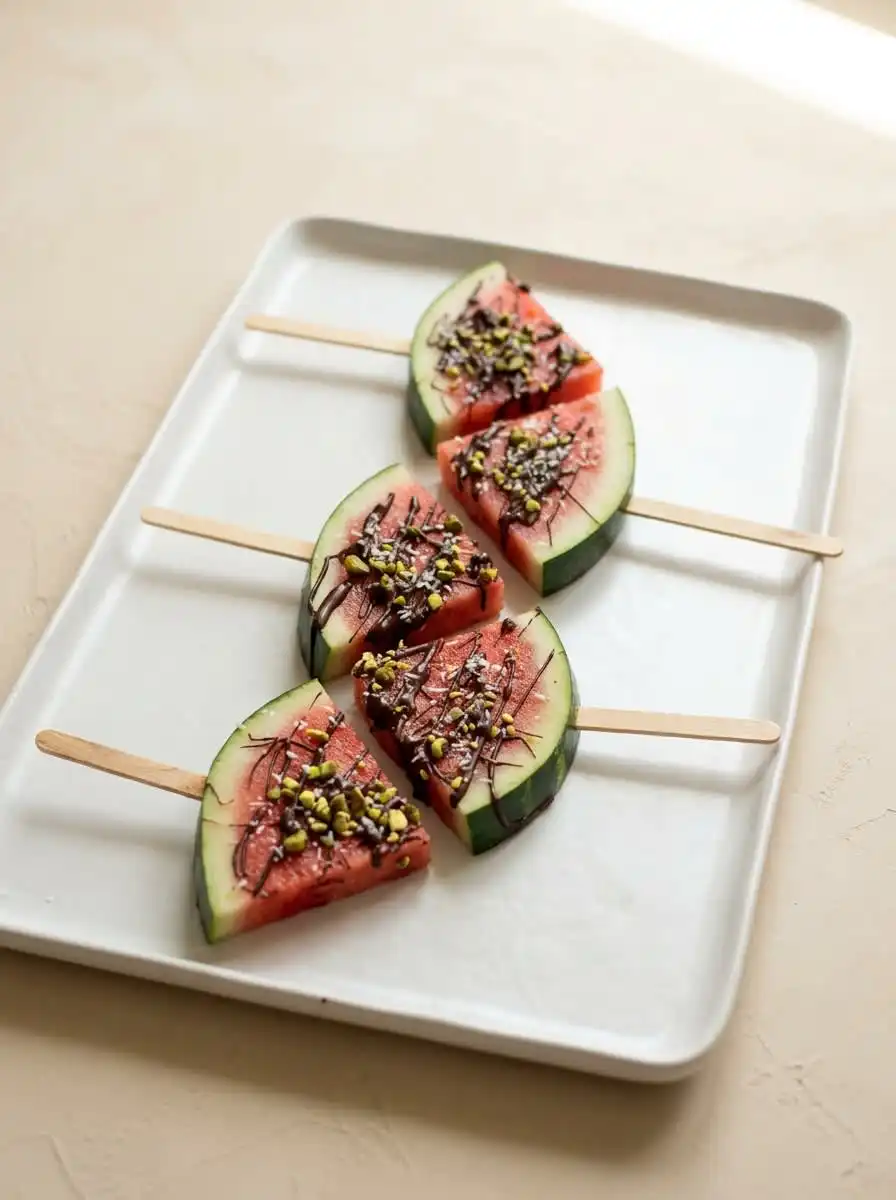
If your melon wedges split open when you insert the sticks, the initial knife slit was likely too small or the stick was pushed in too quickly. To fix this, make sure you cut the slit exactly the width of the stick, and gently wiggle the wood as you slide it into the fruit. Selecting a firm, seedless melon also prevents structural cracks along natural seed pockets. This simple troubleshooting step keeps your preparation smooth and waste-free.
For younger babies who are beginning on solid foods, you can try offering a soft, chilled alternative like a babys first watermelon yogurt cake to ease them into different textures. This provides a softer consistency while still delivering that cool, soothing feeling they crave. It is a fantastic option if they find the solid frozen wedges too cold for their sensitive mouths. You can prepare this alternative in under twenty minutes to keep your evening peaceful.
To prevent freezer burn from spoiling the sweet flavor of the melon, wrap the storage bag in an extra layer of foil. The cold air in a standard freezer can dry out the fruit quickly, making it taste bland and icy. Double-wrapping keeps the natural juices sealed tight inside the flesh of the melon. It is a smart step that preserves the quality for up to a month.
Should you want to read more about how other parents safely offer these cold treats, you can check out this guide on frozen watermelon popsicles for helpful safety advice. This method shows how versatile simple summer fruits can be when you need a wholesome snack. It is a great resource to keep bookmarked for the warm summer months. Learning from other experienced parents helps make your kitchen adventures feel much more secure.
Always supervise your child closely while they enjoy these treats to make sure they do not bite off large frozen chunks. As the fruit warms up, it becomes softer and can break apart under strong gums. Keep a close eye on the wooden handle to make sure it remains firmly anchored inside the rind. This careful supervision prevents any safety issues and keeps snack time relaxed.
Try cutting a variety of wedge sizes during your prep session so you have different options on hand. Smaller, thinner wedges are excellent for younger infants who have smaller hands and mouths, while larger triangles work beautifully for toddlers. This variety makes sure you always have the right size ready to soothe any sudden teething flare-up. It is a practical trick that saves you from having to slice more fruit mid-week.
Fast Flavor Swaps
Before freezing, dip the lower half of each sliced melon wedge into plain, unsweetened Greek yogurt. This creates a soft, creamy barrier that reduces the initial icy shock to baby’s gums while adding a touch of healthy protein. You can find similar creamy fruit ideas in our guide on creating a watermelon cake whipped coconut frosting for celebratory family gatherings. The contrast between the cold melon and the creamy dairy is satisfying for busy little chewers.
Pour a small amount of expressed breastmilk or prepared formula over the top of the melon wedges before putting them into the freezer. This infuses the snack with a familiar, comforting flavor that can help soothe an upset infant even faster. The milk freezes into a thin, delicate glaze over the red flesh, melting quickly upon contact with warm gums. It is a simple way to combine nourishment and comfort in one single treat.
Brew a cup of organic chamomile tea, let it cool completely, and spray a light mist over the melon wedges before freezing. Chamomile is known for its soothing properties, which work beautifully with the cold temperature of the fruit. This herbal touch adds a layer of relaxation to their evening snack without any added sugars. It is an easy step that turns a simple fruit into a calming treat.
Frequently Asked Questions
At what age can a baby have frozen watermelon pops?
Most babies can safely enjoy these cold treats around six months of age, which is when they typically start showing readiness for solid foods. It is important that they can sit up unsupported and have good head control before trying frozen snacks. Always check with your pediatrician before introducing new textures to your child’s routine. This careful approach makes sure your little one stays safe and happy.
Is frozen watermelon a choking hazard for babies?
Yes, frozen melon can become a choking hazard if large, hard chunks break off in the baby’s mouth. To minimize this risk, always supervise your child while they are eating and hold the stick yourself if necessary. As the fruit melts, it becomes soft and mushy, making it much safer to chew. Taking these simple precautions allows you to offer this treat with complete peace of mind.
Can a 4-month-old have watermelon teething pops?
It is generally not recommended to offer solid or frozen foods to a four-month-old unless advised by a pediatrician. At this stage, their digestive systems are still developing, and they are not yet ready for solid textures. Cold washcloths or silicone teething rings are much safer alternatives for younger infants. Waiting until the six-month mark makes sure their bodies are fully ready for real fruit.
Should I leave the rind on frozen watermelon slices for a baby?
Leaving the green rind on is helpful because it acts as a sturdy natural handle that does not slip out of wet hands easily. However, you must make sure the baby does not try to chew on the tough outer skin itself, as it is too hard. Always monitor them closely to make sure they only chew on the soft red flesh. If you prefer, you can cut the rind off entirely and slide the stick directly into the flesh.
Does frozen watermelon actually help with teething pain?
The cold temperature of the frozen fruit helps temporarily numb sore, swollen gums, which provides fast comfort. Additionally, the gentle pressure of chewing on the firm flesh helps relieve the tension of emerging teeth. It is a natural and delicious way to calm a fussy baby without relying on medicine. Many parents find this method to be a lifesaver during the difficult teething months.
Why is watermelon better than traditional popsicles for teething?
Whole fruit is a wonderful alternative because it contains no added sugars, artificial dyes, or preservatives that are common in store-bought options. It also melts into a thin, hydrating juice rather than sticky syrup, making cleanup much simpler for parents. This keeps the experience wholesome and mess-free for everyone involved. You can feel good about offering a 100% natural treat to your growing child.
Do I need to strain watermelon juice before freezing it for a baby?
Since this recipe uses whole sliced wedges rather than juice, there is no need to strain anything before freezing. If you decide to blend the melon into liquid pops, straining out the pulp can create a smoother texture. For these simple wedges, just make sure you remove any large seeds before serving. This step prevents any choking risks and keeps the texture smooth.
How long do frozen watermelon pops stay good in the freezer?
When stored in an airtight, freezer-safe bag, these treats will stay fresh and tasty for up to one month. After that time, they may begin to lose their bright color and develop ice crystals that alter the texture. It is best to prepare them in small, fresh batches as needed throughout the season. This makes sure your baby always gets the best flavor and texture possible.
Quick Serving Ideas
When bringing these icy treats to the table, present them on a colorful platter alongside other fresh, baby-friendly items. You can set up a refreshing summer spread by serving these alongside a soft fresh watermelon layer cake for the older kids in the family. This creates a fun, fruit-centered snack time that everyone can enjoy together in the backyard. It is a simple way to keep the whole family happy and cool during hot afternoons.
Keep a damp cloth nearby because the melting red juice can drip down little chins and hands quite rapidly as they chew. You can minimize the mess by letting your baby enjoy their treat while wearing a waterproof bib or sitting outdoors on a blanket. The cold juice will wash out of clothing easily, but taking these simple steps keeps cleanup fast and stress-free. It is all about making the experience enjoyable for the baby without creating extra work for you.
For a fun family gathering or weekend barbecue, arrange the frozen wedges in a circle to mimic a playful fruit platter. This setup resembles a simple watermelon pizza cake which always brings smiles to both kids and adults. It is a beautiful way to keep the younger guests entertained and cool while the grown-ups chat around the grill. It turns a basic teething remedy into a fun party feature.
The Weeknight Wrap-Up
Managing the fussy phases of teething does not have to feel overwhelming or keep you busy in the kitchen all evening. With just a single ripe melon and ten minutes of prep, you can stock your freezer with a reliable source of cooling comfort. If you are looking for more creative ways to introduce this fruit to your little one, consider reading about a simple watermelon pizza cake to spark new ideas for healthy summer snacks.
This simple recipe proves that wholesome, comforting solutions are often the easiest to make right at home. Your baby will love the sweet, icy texture, and you will love how fast you can tidy up the kitchen when they are done. It is the kind of practical, stress-free routine that makes parenting during these developmental milestones just a little bit smoother. You can rest easy knowing you are offering a safe, single-ingredient treat.
If you tried making these cool treats, we would love to hear how your little one enjoyed them on their teething journey. Please share your photos and stories with our community on our social channels! You can follow us on Pinterest, Facebook, and TikTok to stay connected with other busy families. We love sharing quick, texture-focused ideas that bring joy to your kitchen.