In Mediterranean baking, we know that the gentlest crumb is born from patience and dairy, a quiet truth that shines in this beautifully tender Mango Yogurt Cake.

We often look to dairy to bring a soft, moist quality to our baking, allowing the crumb to hold its structure while remaining melt-in-your-mouth tender. This classic Mango Yogurt Cake relies on that very balance, infusing a simple sponge with the bright, tropical sweetness of fruit and the rounded tang of curd. As the cake bakes, the kitchen fills with a sweet, citrusy aroma that promises a delicate slice suitable for a warm afternoon. It is a humble dessert, yet its plush texture makes it feel like a quiet celebration of simple ingredients.
Why Our Mango Yogurt Cake Makes the Texture Sing
Prep: 15 min · Serves: 8 · Difficulty: Easy
- The crumb remains exceptionally soft and tender.
- Lemon zest brings a bright, sun-soaked finish.
- Simple pantry staples make assembly very easy.
- Sweet mango flavor balances the citrus notes.
- Every slice offers a beautifully glossy appearance.
Creating a cake that balances moisture with a light rise requires careful attention to the fats we use. By combining rich butter with mango-infused yogurt, we achieve a crumb that stays fresh and soft for days without feeling heavy. It is a formula that respects the slow, patient process of baking while yielding a highly rewarding outcome.
We designed this cake for those quiet afternoons when you want something sweet but light. If you love a tropical fruit finish, this recipe provides a delicate alternative to our mango fresh fruit topped cake while keeping the focus on a soft, yogurt-infused crumb. This tender crumb will gently ease its way into your regular baking rotation.
Get The Full Cake Recipe
Print
Mango Yogurt Cake
- Total Time: 50 mins
- Yield: 8 servings
- Diet: Vegetarian
Description
This tender Mango Yogurt Cake combines the brightness of citrus with the creamy richness of mango-infused yogurt for a perfectly moist, melt-in-your-mouth crumb. It is a simple, elegant dessert that delivers a soft texture and a refreshingly tropical finish, perfect for afternoon tea.
Ingredients
- Softened butter, for the tin and the cake
- Caster sugar
- Lemon rind, finely grated
- Eggs
- Self-raising flour
- Mango yogurt
- Lemon juice
- Icing sugar
- Boiling water
Instructions
- Prepare oven and tin. Preheat your oven to 180ºC (350ºF) and grease a 20cm round cake tin with butter, lining the bottom with baking paper for an easy release.
- Cream butter and sugar. In a spacious mixing bowl, beat the softened butter, caster sugar, and lemon rind until the mixture becomes pale, light, and smooth.
- Emulsify the eggs. Add the eggs one at a time, beating thoroughly after each addition until the batter is creamy and cohesive.
- Incorporate remaining ingredients. Stir in the lemon juice, then alternate adding the sifted flour and the mango yogurt in two batches, mixing gently until just combined.
- Bake the cake. Spoon the batter into your tin, smooth the surface, and bake for 35 minutes or until a skewer inserted in the center comes out clean.
- Cool the cake. Let the cake rest in the tin for 10 to 15 minutes before turning it out onto a wire rack to cool completely.
- Glaze the cake. Whisk the icing sugar, butter, lemon juice, and boiling water together until smooth, then pour over the cooled cake and let it set.
Notes
- Ensure all dairy and egg ingredients are at room temperature to prevent the batter from splitting during the creaming process.
- Keep the oven door closed for the first twenty-five minutes of baking to prevent the delicate crumb structure from collapsing.
- Sift your icing sugar twice before preparing the glaze to achieve a perfectly smooth and glossy finish.
- Allow the finished cake to rest for at least thirty minutes after glazing to ensure the icing sets into a delicate, firm shell.
- Prep Time: 15 mins
- Cook Time: 35 mins
- Category: Dessert
- Method: Baking
- Cuisine: Mediterranean
From the Mediterranean Pantry
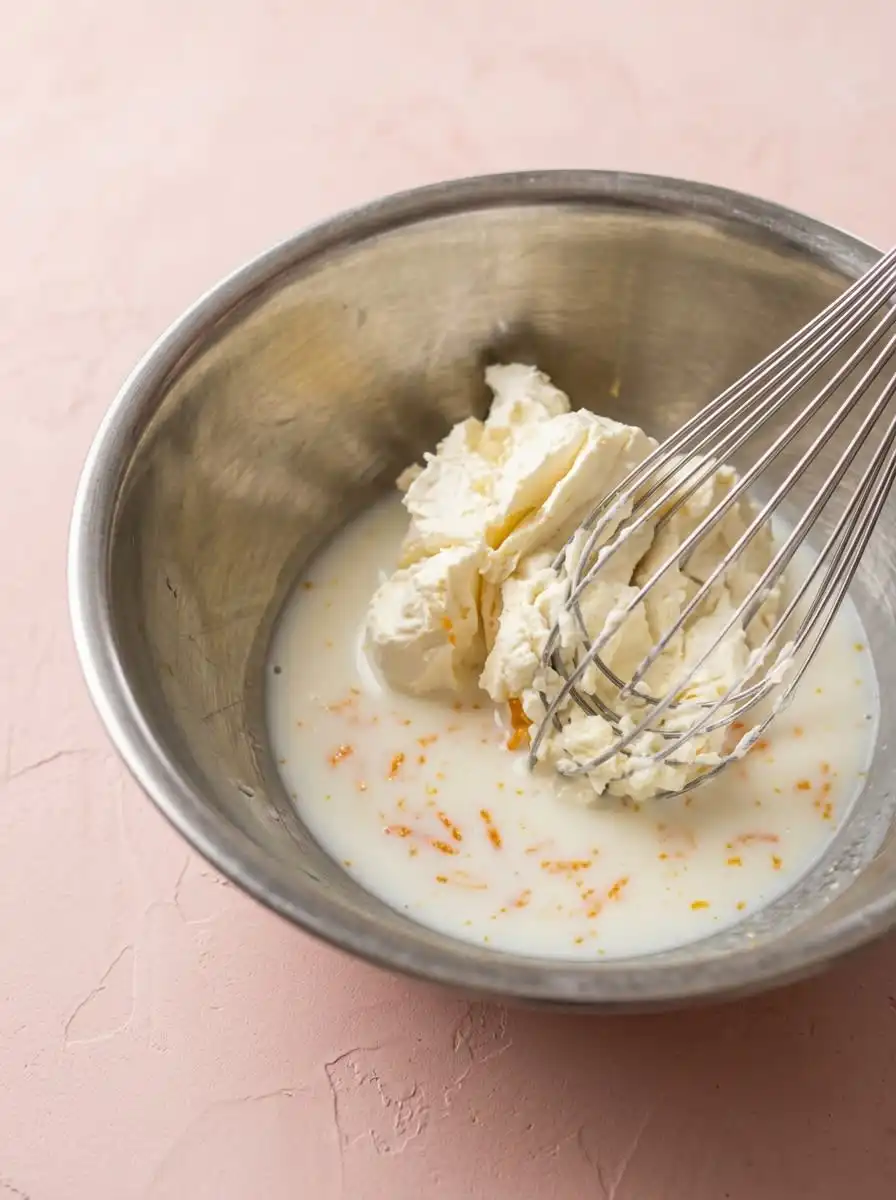
Our ingredients are straightforward, focusing on dairy, fat, and fruit to construct a sponge that resists drying out. Selecting a high-quality, rich yogurt is essential for achieving the melt-in-the-mouth finish we desire. Let us look at what makes this crumb so uniquely soft.
- Mango Yogurt: This ingredient provides the essential acidity and moisture that softens the flour gluten, guaranteeing a tender, melt-in-your-mouth crumb. It acts as the hydrating core of our recipe, distributing the natural sweetness of mango evenly through every bite.
- Softened Butter: Creamed thoroughly with sugar, butter incorporates tiny air pockets that help the cake rise evenly without losing its rich structure. It is the foundation of the fat profile, lending a classic dairy richness that complements the tropical fruit notes.
- Lemon Rind and Juice: The citrus oil in the zest cuts through the sweetness, adding a bright contrast to the tropical fruit. The fresh juice also reacts with the flour, helping to keep the crumb airy and beautifully balanced.
- Eggs: Added slowly, they bind the batter together, offering structure and a beautiful golden color to the baked sponge. They work to lock in the moisture from the yogurt, preventing the cake from becoming crumbly or dry.
- Self-Raising Flour: Sifted gently to keep the batter light, this flour acts as the foundation of our soft, rising cake. It absorbs the liquids slowly, forming a stable batter that rises beautifully in the heat of the oven.
- Icing Sugar: Blended with a touch of butter and lemon juice, this sugar creates a thin, delicate glaze that coats the top of the cooled cake. It provides a sweet, glossy finish that makes the dessert look elegant.
| Ingredient | Why It Matters |
|---|---|
| Mango Yogurt | Yields a soft, moist texture and rich fruit flavor. |
| Softened Butter | Creates a tender, classic cake structure. |
| Lemon Rind | Adds bright aromatic notes to contrast the mango sweetness. |
| Eggs | Binds and lifts the sponge for an airy crumb. |
| Self-Raising Flour | Provides the structural framework for a light rise. |
| Icing Sugar | Blends with lemon and butter for a smooth, glossy finish. |
From Bowl to Soak
Step 1: Preparing Your Oven and Tin
Begin by preheating your oven to 180ºC (350ºF) so the heat is steady and welcoming when the cake enters. Grease a 20cm round cake tin with a thin layer of butter, then line the bottom with baking paper to make sure you get an easy release. The pan should look neat and ready, with no dry flour patches remaining on the sides. Taking care during this preparatory stage guarantees that your baked cake will slide out effortlessly, preserving its neat edges.
Step 2: Creaming the Butter and Sugar
In a spacious mixing bowl, beat the softened butter, caster sugar, and finely grated lemon rind together until the mixture turns pale and smooth. You will see the texture become light and slightly whipped as air is incorporated into the fat. This step is complete when the citrus scent releases into the room, signaling that the lemon oils have fully bound with the sugar. A patient creaming process is the foundation of a light, delicate sponge.
Step 3: Emulsifying the Eggs
Add the eggs one at a time, beating thoroughly after each addition to prevent the batter from splitting. The mixture should remain creamy and cohesive as each egg disappears into the whipped butter. Taking your time here guarantees a uniform, light rise in the oven by keeping the emulsion stable. If the batter begins to look slightly curdled, do not worry; it will come back together when the flour is introduced.
Step 4: Incorporating the Mango Yogurt Cake Batter
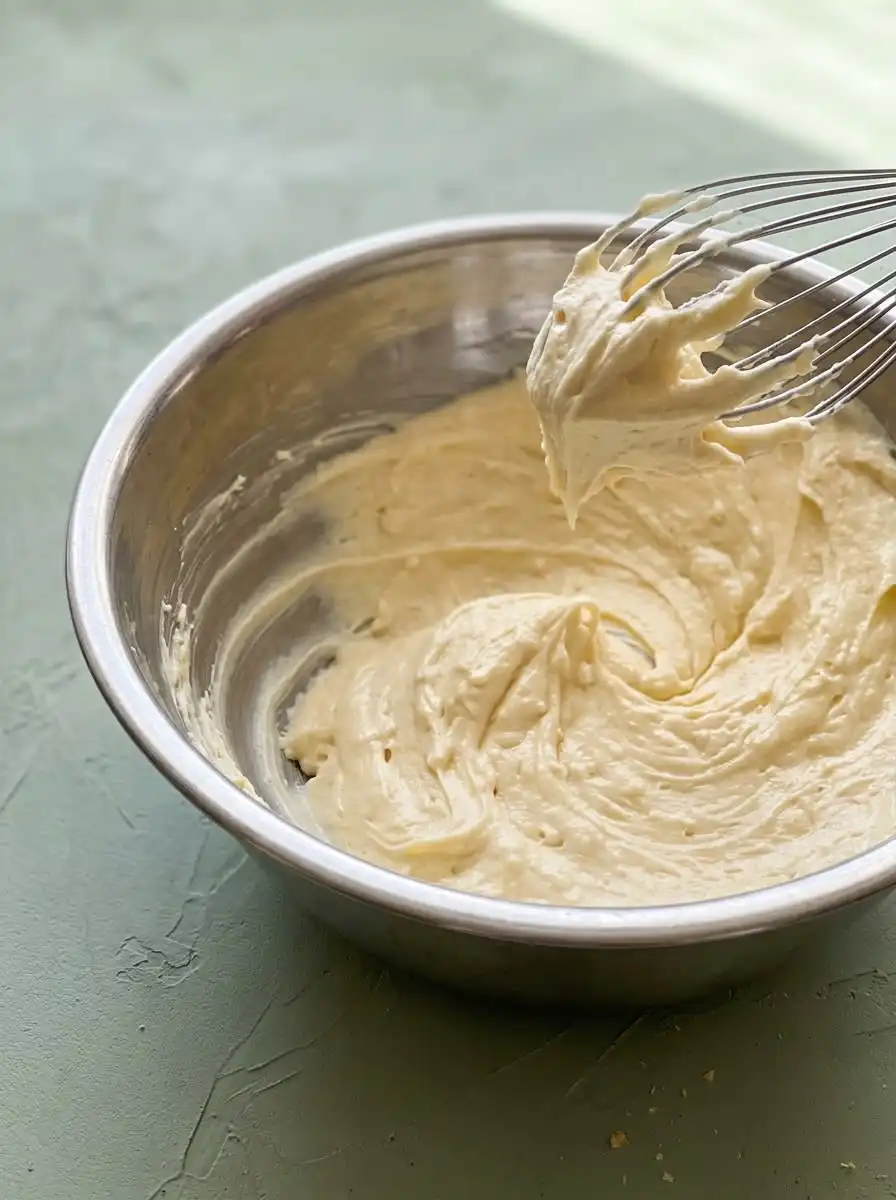
Pour in the lemon juice and stir gently with a wooden spoon, noticing how the bright citrus blends into the sweet cream. Alternate adding half of the sifted self-raising flour and half of the rich mango yogurt, mixing gently until barely combined. Repeat with the remaining flour and yogurt, stirring until a smooth, thick batter forms. This alternating method keeps the batter from losing its incorporated air, preserving the soft structure.
Step 5: Baking to a Golden Finish
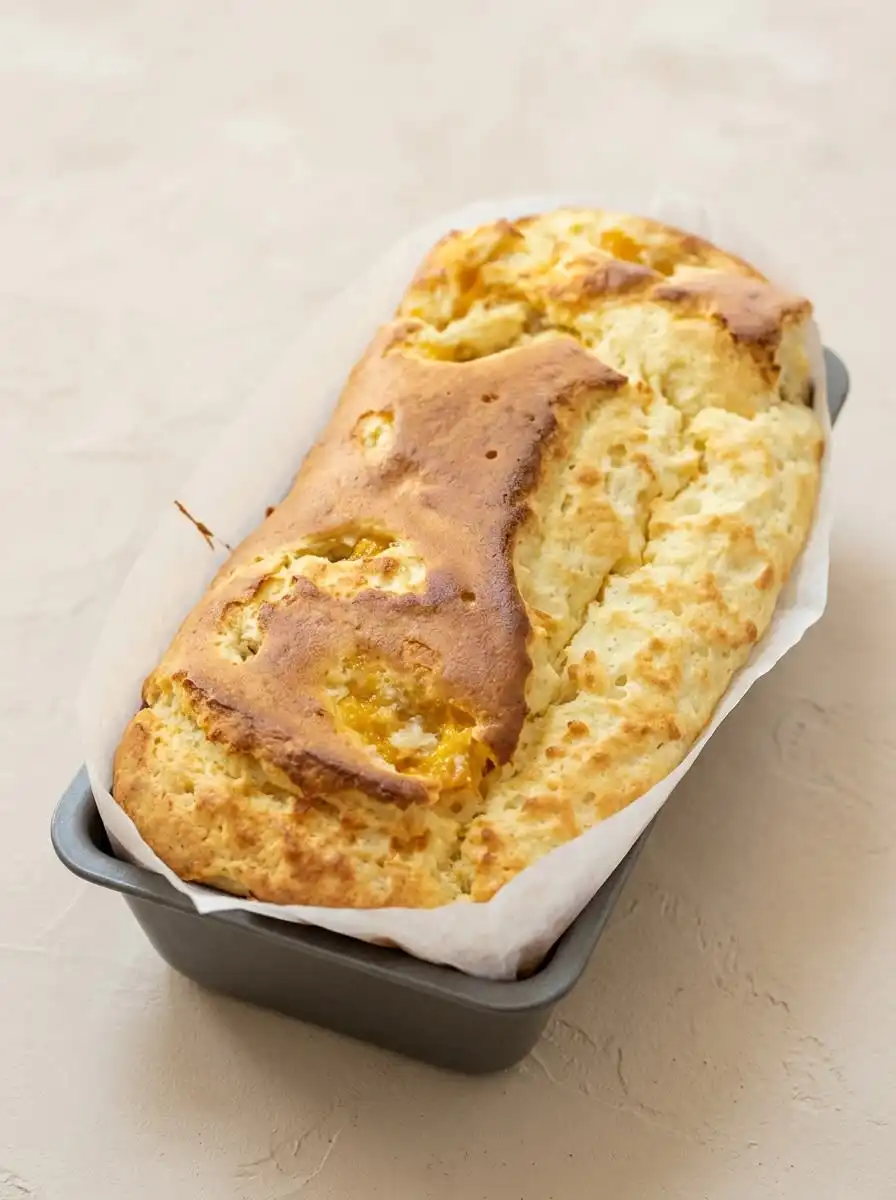
Spoon the thick batter into your prepared tin, smoothing the surface with a spatula so it bakes evenly across the pan. Transfer the tin to the center rack of your preheated oven and bake for 35 minutes without opening the door. You will know it is ready when the top is golden-brown and a skewer inserted into the center comes out clean. The kitchen should fill with a warm, comforting aroma of baked fruit and vanilla.
Step 6: Cooling on the Wire Rack
Allow the hot cake to rest in its tin for 10 to 15 minutes, letting the delicate crumb settle and firm slightly before handling. Carefully run a thin knife around the edges before turning the cake out onto a wire cooling rack. The sponge must cool completely before you apply the icing, as any residual warmth will cause the glaze to run off the sides. This rest is essential for locking in the moisture of the mango yogurt.
Step 7: Glazing with Sweet Lemon Icing
Whisk the icing sugar, softened butter, lemon juice, and boiling water together in a small bowl until smooth and glossy. Slowly pour the glaze over the top of the cooled cake, allowing it to pool slightly and drip down the sides. Let the icing set for a few minutes before slicing into the cake with a sharp knife. The glossy white glaze provides a beautiful, sweet contrast to the golden, fruit-infused crumb beneath.
Mediterranean Baker’s Notes
Room temperature ingredients are vital for a smooth batter. Cold eggs or cold yogurt will cause the creamed butter to seize, resulting in a dense sponge. If your batter curdles slightly, fold in a tablespoon of flour early to bind the emulsion.
If your cake sinks in the middle, it is usually because the oven door was opened too early during baking, or the leavening agent lost its potency. Always check your baking powder freshness and keep the oven door closed for at least the first twenty-five minutes of baking. This protects the delicate air pockets from collapsing.
To achieve an even moister result, you can study these traditional yogurt baking guidelines which discuss balancing dairy fats with citrus elements. This resource helpfully explains how different yogurt varieties interact with flour proteins to produce a soft crumb.
For a beautiful, glossy presentation, sift your icing sugar twice before mixing it with the liquid. This eliminates tiny lumps that can ruin the smooth look of your finished glaze. It is a small step, but it makes a noticeable difference in the final appearance of your cake.
If you prefer a more pronounced fruit presence, you might want to try our mango birthday layer cake which incorporates luscious fruit fillings between the sponges. For this yogurt cake, however, keeping the glaze simple allows the subtle crumb to shine without competing with heavy frostings.
Let the glazed cake sit for at least thirty minutes before serving. This brief rest allows the lemon glaze to set into a delicate shell, making your slices much cleaner. The crumb also benefits from this settling time, allowing the moisture to distribute evenly throughout the loaf.
Frequently Asked Questions
Can I use Greek yogurt instead of plain yogurt?
Yes, you can use Greek yogurt in this recipe, provided it is a full-fat variety. Because Greek yogurt is thicker and less acidic than regular yogurt, you may want to add an extra teaspoon of lemon juice to balance the moisture and activate the flour’s rising agents. This adjustment helps maintain the light, airy structure of the crumb.
How can I make the mango flavor stronger?
To intensify the tropical taste, you can fold a few tablespoons of highly concentrated mango puree directly into the yogurt before mixing. Alternatively, serving each slice with fresh, ripe mango slices on the side will highlight the natural fruit flavor. Avoid adding too much wet puree directly to the batter, as this can make the cake heavy and soggy.
Can I substitute butter with oil in this cake?
Replacing the butter with a neutral oil like canola or a mild olive oil is possible and will yield a very moist sponge. However, you will lose the delicate, buttery flavor and the light rise that comes from creaming butter and sugar together. If you choose to use oil, whisk it with the sugar and eggs directly rather than trying to cream it.
How do you store mango yogurt cake?
This cake stores exceptionally well due to the moisture provided by the yogurt. Keep it in an airtight container at room temperature for up to three days, or store it in the refrigerator for up to five days if your kitchen is warm. If refrigerated, let the slices come to room temperature before serving to restore their soft texture.
Can I use frozen or canned mango puree?
Yes, high-quality canned mango puree works wonderfully when mixed into plain yogurt as a substitute for pre-flavored mango yogurt. If using frozen mango, thaw it completely and blend it until smooth before incorporating it so there are no icy pockets. Make sure to drain any excess water from thawed fruit to keep the batter consistency correct.
Why did my mango cake sink in the middle?
A sunken center typically occurs if the oven temperature is too low, or if the cake is moved before the center has fully set. Make sure to preheat your oven thoroughly and avoid opening the door during the first twenty-five minutes of baking. Double-check that your self-raising flour is fresh, as expired leaveners cannot support the weight of the yogurt.
Can I make this recipe dairy-free?
To make a dairy-free version, you can substitute the butter with a plant-based block butter and use a high-quality coconut-based mango yogurt. Make sure the plant butter is suitable for baking and has a similar fat content to traditional butter. The resulting cake will have a lovely coconut undertone that pairs beautifully with the mango.
Flavor Swaps
To introduce a dramatic presentation, you can turn this recipe into a stunning mango upside down cake by layering fresh mango slices at the bottom of the tin before pouring the batter on top. The fruit caramelizes in its own sugars as it bakes, creating a beautiful glaze when inverted.
If you want to lean into Mediterranean tradition, replace a quarter of the self-raising flour with fine semolina. This swap gives the crumb a pleasant, rustic bite that catches the lemon icing beautifully, offering a texture reminiscent of classic syrup-soaked bakes.
For a richer, creamier dessert that acts as a showstopper, you might consider baking a classic mango mousse cake instead. This light alternative combines airy layers with tropical fruit puree, making it ideal for warm summer celebrations where a heavier sponge might feel too substantial.
You can also introduce a hint of spice by folding half a teaspoon of ground cardamom into the flour. Cardamom paired with mango is a classic combination that adds a warm, aromatic depth to the cake, making it pair wonderfully with hot tea.
Coffee & Cake Pairings
To truly appreciate the delicate crumb of this cake, serve it in the late afternoon as the sun begins to set. A small cup of Turkish coffee or a bitter black tea offers the perfect contrast to the sweet, citrusy glaze. Present each slice on a rustic ceramic plate, allowing the yellow crumb to stand out against the stoneware.
If you are hosting a formal gathering and want to offer guests more options, consider pairing this simple bake with a mango flower crown cake on your dessert table. The contrast between the rustic loaf and the elegant floral presentation creates a beautiful spread for any celebratory occasion. It allows your guests to experience different expressions of the same wonderful fruit.
For an extra touch of richness, a dollop of unsweetened whipped cream or a scatter of toasted, unsalted pistachios adds a delightful textural contrast. The fork should glide through like butter, catching a bit of the lemon icing and the soft, fruit-scented crumb in every bite. This slow savoring is exactly how we enjoy our sweets in the Mediterranean.

Let It Rest, Then Slice
In our kitchen, the most rewarding step is often the quiet period of waiting after the bake is done. Giving the cake time to cool completely allows the mango yogurt to fully hydrate the sponge, resulting in a texture that melts beautifully. Patience is the secret to a cake that is sweet, never cloying, and always memorable.
If this recipe brings a touch of warmth to your kitchen, we hope you will try our other mango creations, such as our classic mango upside down cake. Each dessert represents our dedication to rich, moist textures and the simple joy of baking from the heart. Taking the time to share these bakes with friends and family makes the effort truly worthwhile.
We invite you to share your baking journey with us and let us know how your cake turned out. Connect with our community on Pinterest or follow our kitchen updates on Facebook and TikTok to stay inspired for your next bake.