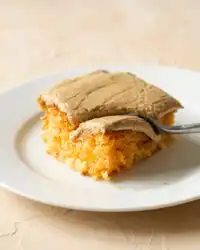
In the golden light of a Mediterranean afternoon, the most cherished moments often begin with the rhythmic sound of a wooden spoon against a ceramic bowl. Growing up, the simple cake was our steady companion, a humble yet magnificent presence that transformed a standard coffee break into a celebration of texture and warmth. It is a dessert that relies not on complexity, but on the honest quality of butter and the patient creaming of sugar until the mixture looks like pale sea foam.

This recipe captures that timeless spirit, offering a crumb so tender it almost dissolves upon the tongue, leaving behind the rich, comforting essence of vanilla and cream. We focus on the delicate balance of moisture and air, creating a sponge that is sturdy enough to hold its shape yet soft enough to yield to the slightest pressure of a dessert fork. It is the ultimate expression of home baking, where every slice tells a story of tradition and the quiet joy of a well-spent hour in the kitchen.
Melt-in-Your-Mouth Perfection
You will fall in love with this recipe because it celebrates the true soul of a butter cake—a texture that is at once dense and airy, providing a sensory experience that modern, chemically-leavened cakes often miss. The magic lies in the way the fine grains of sugar interact with the fat, creating a structure that traps tiny pockets of air which then expand in the heat of the oven to create a magnificent lift.
There is a profound beauty in its versatility; it serves as a quiet, elegant end to a heavy meal or a vibrant center-piece for a weekend brunch. The golden crust offers a very slight resistance before revealing a heart that is impossibly moist and fragrant. It is the kind of cake that invites you to slow down, to appreciate the way the steam rises from a fresh slice, and to savor the genuine flavors of a Mediterranean pantry.
Furthermore, this cake stays remarkably fresh, its moisture settling into the crumb as the hours pass, making the second day’s slice perhaps even more delightful than the first. It is a reliable treasure, a recipe you will return to whenever you crave the tactile satisfaction of a cake that feels like a warm embrace. No fancy equipment or exotic additions are required—just your hands, your heart, and the simple desire to create something beautiful.
Print
Simple Cake
- Total Time: 50 mins
- Yield: 8 servings
- Diet: Vegetarian
Description
This classic Mediterranean-style butter cake offers a tender, melt-in-your-mouth crumb and a delicate golden crust. Perfect for afternoon tea, it relies on simple, high-quality ingredients to create a timeless dessert that is both elegant and comforting.
Ingredients
- 120g Unsalted Butter, softened
- 170g Chelsea White Sugar
- 2 Fresh Eggs, room temperature
- 240g All-Purpose Flour
- 2 tsp Baking Powder
- ¾ cup Whole Milk, room temperature
Instructions
- Preheat your oven to 180°C (350°F) and grease a round cake tin with butter and a light dusting of flour.
- In a large bowl, cream the softened butter and sugar together until the mixture is pale, airy, and no longer gritty.
- Beat in the eggs one at a time, ensuring each is fully incorporated and the batter is glossy before adding the next.
- Sift the flour and baking powder together, then gently fold them into the batter in three additions, alternating with the milk.
- Transfer the batter to the prepared tin and bake for 30 to 35 minutes until the cake is golden and the edges pull away from the sides.
- Cool the cake in the tin for 10 minutes before transferring to a wire rack to cool completely.
Notes
For the best results, ensure all your dairy and eggs are at room temperature to prevent the batter from curdling and to achieve a superior emulsion. If you prefer a citrus touch, adding fresh lemon zest can provide a bright contrast to the rich butter flavor.
- Prep Time: 15 mins
- Cook Time: 35 mins
- Category: Dessert
- Method: Baking
- Cuisine: Mediterranean
The Mediterranean Pantry Foundation

To achieve the perfect texture, we must look at our ingredients as the building blocks of a sensory masterpiece, where each item plays a specific role in the final mouthfeel.
- Unsalted Butter (120g): This is the heart of the cake. It must be soft enough to yield to a thumbprint but still hold its shape, providing the fat that coats the flour proteins and produces a velvety crumb.
- Chelsea White Sugar (170g): This specific sugar provides a clean sweetness and fine crystals that assist in the aeration process during creaming, leading to a more refined texture.
- Fresh Eggs (2): Eggs provide the structural integrity and the rich, golden hue we desire. Using room-temperature eggs helps them emulsify perfectly with the butter.
- All-Purpose Flour (240g): The foundation of the sponge. We look for a moderate protein content to give the cake enough strength to rise without becoming tough or bread-like.
- Baking Powder (2 tsp): Our gentle lifting agent that works in tandem with the air we beat into the batter to create a light, approachable sponge.
- Whole Milk (¾ cup): Milk adds the necessary hydration and a touch of richness, helping the cake achieve its signature ‘melt’ factor as it soaks into the dry ingredients.
The Method of Patience and Precision
Step 1: Preparing the Sanctuary
Before you begin, preheat your oven to 180°C (350°F) and prepare a round cake tin with a generous coating of butter and a dusting of flour. This creates a non-stick barrier and contributes to the beautiful, slightly crisp exterior of the cake. Set your butter and eggs on the counter well in advance; a cold ingredient is the enemy of a smooth emulsion.
Step 2: The Art of Creaming
In a large bowl, combine the softened butter and the Chelsea White Sugar. Use a whisk or a mixer to beat them together until the mixture is no longer gritty and has turned a pale, almost white color. This process is not just about mixing; it is about folding air into the fat, creating the thousands of tiny bubbles that will eventually give your cake its height and lightness.
Step 3: Incorporating the Eggs
Add the eggs one at a time, beating thoroughly after each addition. You want to see the batter become glossy and smooth. If the mixture looks like it is curdling, add a tablespoon of your flour to help bind the fats and liquids back together. This step is vital for a cake that doesn’t feel heavy or greasy on the tongue.
Step 4: Sifting and Folding
Sift your flour and baking powder together to remove any lumps and further aerate the dry ingredients. Begin adding the flour to the butter mixture in three parts, alternating with the milk in two parts. Start and end with the flour. Fold gently with a spatula rather than beating; you want to maintain those precious air bubbles you worked so hard to create.
Step 5: The Golden Bake
Pour the silky batter into your prepared tin, smoothing the top with a spatula. Place it in the center of the oven and bake for 30 to 35 minutes. Resist the urge to open the oven door too early, as a draft can cause the delicate structure to collapse. The cake is ready when it is golden brown and the edges have begun to pull away slightly from the sides of the tin.
Step 6: The Cooling Ritual
Allow the cake to rest in the tin for ten minutes before turning it out onto a wire rack. This brief pause allows the internal structure to set, preventing the cake from breaking. The scent of warm vanilla and toasted butter will fill your home—this is the moment of peak anticipation. Let it cool completely if you plan to frost it, or serve it slightly warm for a truly comforting experience.
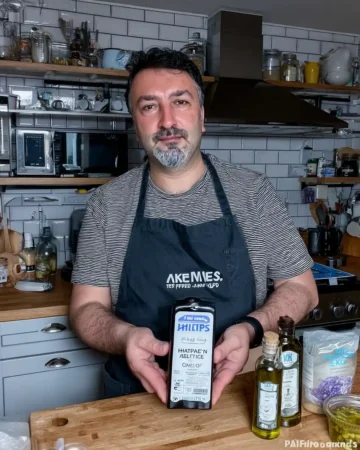
Mehmet’s Secrets for Texture Mastery
The secret to a truly spectacular crumb is the temperature of your milk. Always use room-temperature milk; cold milk can cause the butter in your batter to seize, leading to a pebbly texture rather than a smooth, uniform sponge. If you find yourself in a hurry, you can gently warm the milk for a few seconds until the chill is gone. For those looking to master the art of the perfect bite, I recommend looking through our velvet crumb collection to understand how different mixing methods impact the final density of your bakes.
Another vital tip is the ‘hiss’ test. When you pull the cake from the oven, listen closely; a perfectly baked cake has a very faint, soft sizzle as the internal steam settles. If it sounds loud or wet, it likely needs another few minutes. Always use a wooden skewer to check the center; it should come out clean or with just a few moist crumbs clinging to it. Precision in the early stages leads to a cake that melts away the moment it hits your tongue.
Mediterranean Options and Flavor Twists
While this simple cake is a masterpiece in its own right, it serves as a wonderful canvas for regional variations. You might consider adding the zest of a large lemon and a teaspoon of poppy seeds to the batter for a bright, citrusy lift that reminds me of the coastal bakeries in Izmir. If you prefer a more rustic approach, you can follow the Seriously Simple Cake method which focuses on a one-bowl technique for those busy mornings.
For a truly Mediterranean twist, try replacing the milk with a thick Greek yogurt; this adds a pleasant tang and an even denser, more moist crumb. You can also press fresh seasonal berries into the top of the batter before baking; our guide to a perfect fruit cake offers excellent advice on how to prevent fruit from sinking to the bottom of the tin. A handful of crushed pistachios or walnuts added to the batter can also provide a delightful textural contrast to the soft sponge.
Mediterranean Traditions at the Table

In my home, we serve this cake in the late afternoon when the sun begins to dip. It is best enjoyed with a small cup of strong Turkish coffee or a fragrant glass of black tea. The bitterness of the coffee perfectly balances the clean sweetness of the Chelsea sugar. For a more indulgent presentation, dollop a spoonful of thick clotted cream or labneh on the side, which adds a beautiful creamy dimension to every bite.
If you are hosting a larger gathering, you can browse our full recipe index for pairing ideas, but often a simple dusting of powdered sugar is all this cake needs to look spectacular. I also love to serve it with a side of macerated strawberries or a light drizzle of honey to emphasize the Mediterranean soul of the dessert. The key is to keep the accompaniments simple so the texture of the cake remains the star of the show.
The Sweet Truth of Simplicity
There is a certain gratitude that comes from baking a cake that doesn’t hide behind layers of frosting or complex fillings. This Simple Cake is a testament to the power of tradition and the sensory joy of a perfect soak and a tender crumb. It reminds us that the most beautiful things in life are often the ones that require the least artifice—just good butter, a bit of sugar, and the patience to let the oven do its magic.
I hope this recipe becomes a staple in your kitchen, a reliable friend for those moments when you need a little sweetness in your day. For another timeless addition to your repertoire, do not miss our old-fashioned chocolate cake, which offers a deeper, darker take on the classic sponge. Please share your baking photos with us on Instagram and Facebook, and let us know how your simple cake turned out. Until next time, keep your oven warm and your heart full. Happy baking!