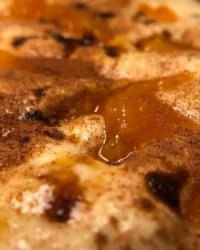
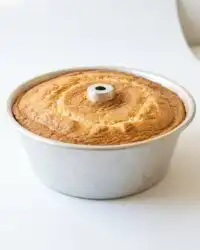
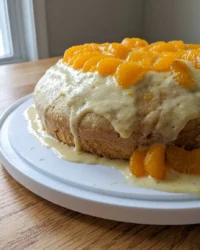
Imagine a fork gliding through a warm crumb so soaked with spiced fruit and glossy butter that it melts before you can even speak. This is the promise of our latest kitchen creation.

This Buttery Peach Cobbler Pound Cake brings together the deep, comforting warmth of caramelized summer fruit and the rich, velvet weight of a traditional cream cheese cake. We slow down the process, allowing the sugars to meld and the batter to settle into something truly memorable. As the warmth of the oven coaxes the natural sweetness from the peach slices, a glossy, caramelized syrup pools at the bottom of the pan. Each slice offers a texture that is tender and deeply satisfying, inviting you to sit back and savor every bite with a cup of coffee.
Why This Buttery Peach Cobbler Pound Cake Melts the Way It Does
Prep: 15 min · Serves: 12 · Difficulty: Medium
- Tender crumb melts in your mouth instantly
- Rich cream cheese keeps the crumb moist
- Caramelized brown sugar topping creates deep flavor
- Sweet summer peaches yield a glossy syrup
- Patience during cooling guarantees beautiful clean slices
We believe that a true dessert should be sweet, never cloying. If you enjoy a classic peach pound cake recipe, this spiced version will become your ideal companion for lazy Sunday afternoons.
Get The Full Cake Recipe
Print
Buttery Peach Cobbler Pound Cake
- Total Time: 1 hour 25 mins
- Yield: 12 servings
- Diet: Vegetarian
Description
Experience the perfect harmony of a dense, velvet-textured cream cheese pound cake topped with luscious caramelized peaches. This slow-baked delight offers a buttery, golden crumb that perfectly balances the sweetness of sun-ripened fruit.
Ingredients
- 1 cup unsalted butter, softened
- 1 1/2 cups granulated sugar
- 8 ounces cream cheese, softened
- 4 large eggs
- 1 teaspoon vanilla extract
- 2 cups all-purpose flour
- 1/2 teaspoon salt
- 2 cups sliced peaches, drained and patted dry
- 1/4 cup melted butter
- 1/2 cup brown sugar
- 1/2 cup confectioners’ sugar
- 2 tablespoons milk
Instructions
- Preheat the oven. Set your oven to 300 degrees F and generously coat a large bundt pan with cooking spray.
- Cream butter and sugars. Beat the butter, granulated sugar, and softened cream cheese in a bowl until light and ivory-colored.
- Add eggs and vanilla. Incorporate the large eggs one at a time, mixing well, then stir in the vanilla extract.
- Combine dry ingredients. Gradually mix in the all-purpose flour and salt on low speed until just combined.
- Fold in peaches. Gently fold the drained, diced peaches into the batter using slow, sweeping motions.
- Prepare the topping. Mix the melted butter and brown sugar in a small bowl until it forms a smooth paste.
- Arrange fruit base. Lay peach slices in the bottom of the pan and pour the butter-sugar mixture evenly over the fruit.
- Bake the cake. Spread the batter over the peaches, tap the pan to remove air, and bake for 60 to 70 minutes.
- Cool and glaze. Rest the cake for 30 minutes before inverting, then drizzle with a glaze of confectioners’ sugar, vanilla, and milk.
Notes
- Ensure all dairy and eggs are at room temperature to prevent the batter from splitting during mixing.
- Pat the peach slices thoroughly with paper towels to avoid excess moisture, which can cause a soggy texture at the base.
- Use a light-colored metal or light-colored ceramic bundt pan for the most even browning of the cake edges.
- If the top of the cake browns too rapidly, tent the pan loosely with aluminum foil for the final 20 minutes of baking.
- Prep Time: 15 mins
- Cook Time: 70 mins
- Category: Dessert
- Method: Baking
- Cuisine: Southern
From the Mediterranean Pantry
Sourcing high-quality ingredients is the first step toward baking a masterpiece that lingers in your memory. We gather simple pantry staples that transform under the gentle heat of the oven into a moist, sun-soaked treat. Every element plays a deliberate role in defining the final, melt-in-your-mouth texture.
- Fresh or Canned Peaches: Slices of golden fruit offer juicy, jammy pockets of natural sweetness that balance the density of the buttery batter.
- Cream Cheese: An essential component that provides a rich, velvety structure, keeping the crumb tight yet incredibly tender.
- Unsalted Butter: Quality butter delivers the classic rich flavor and creates the caramelized, golden edges of the cake.
- Brown Sugar: Melded with melted butter in the pan, this creates a sticky, comforting glaze reminiscent of traditional cobbler toppings.
- Large Eggs: Added patiently one by one, they bind the rich ingredients together and provide the necessary lift.
- Vanilla Extract: A generous splash infuses the golden cake with a warm, comforting fragrance that fills your entire home.
| Ingredient | Why It Matters |
|---|---|
| Cream Cheese | Adds richness and a soft, velvety texture |
| Sliced Peaches | Creates a beautiful caramelized topping |
| Unsalted Butter | Delivers a traditional golden, buttery crumb |
| Brown Sugar | Melts into a sticky, comforting glaze |
Cake, Syrup, Rest
Step 1: Prepare the Oven and Bundt Pan
Before mixing the batter, preheat your oven to 300 degrees F to guarantee an even, gentle bake. Take your time coating a large bundt pan generously with cooking spray to prevent the delicate fruit from sticking. The pan must be completely covered to make sure the golden exterior releases beautifully later.
Step 2: Cream the Butter and Sugars
In a spacious bowl, beat together the butter, granulated sugar, and softened cream cheese. Mix patiently until the texture becomes light, airy, and pale ivory in color. This process is where we trap the tiny air bubbles that give the dense cake its signature tenderness.
Step 3: Add the Eggs and Vanilla
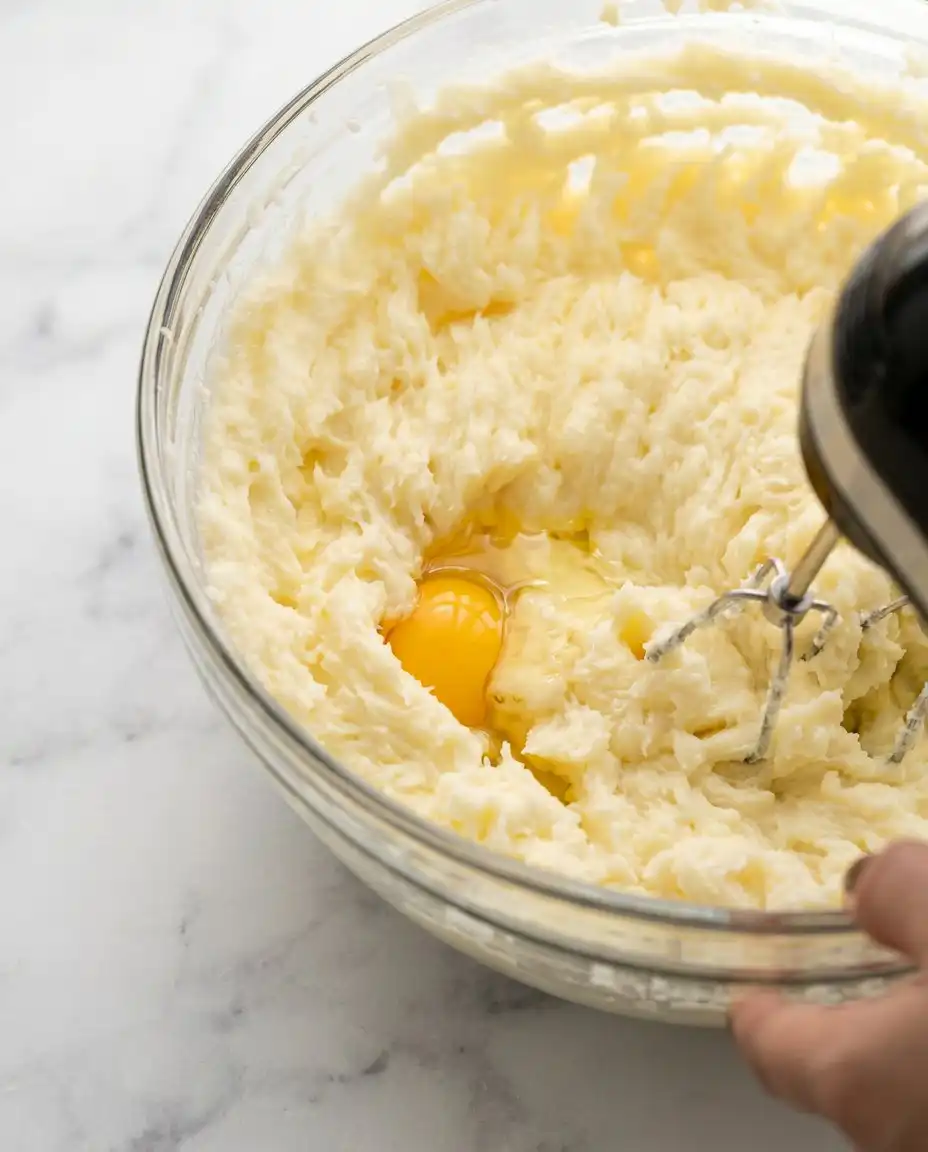
Incorporate the large eggs one at a time, mixing gently after each addition to keep the batter smooth. Pour in the vanilla extract, letting its sweet scent fill your kitchen. The mixture should look rich, smooth, and fully emulsified before you move forward.
Step 4: Fold in the Flour and Salt
Gradually add the all-purpose flour, half a cup at a time, keeping your mixer on low speed. Scrape down the sides of the bowl with a flexible spatula to make sure everything is fully combined without overworking the gluten. Finally, stir in the salt to balance the deep sweetness of the batter.
Step 5: Fold Peaches into the Buttery Peach Cobbler Pound Cake Batter
Gently fold the drained, diced peaches into the thick cake batter using slow, sweeping motions. In a separate small bowl, melt the remaining butter and stir it together with the rich brown sugar until it forms a smooth paste. This sweet mixture will create the caramelized crust that defines the dessert.
Step 6: Arrange the Peach Base
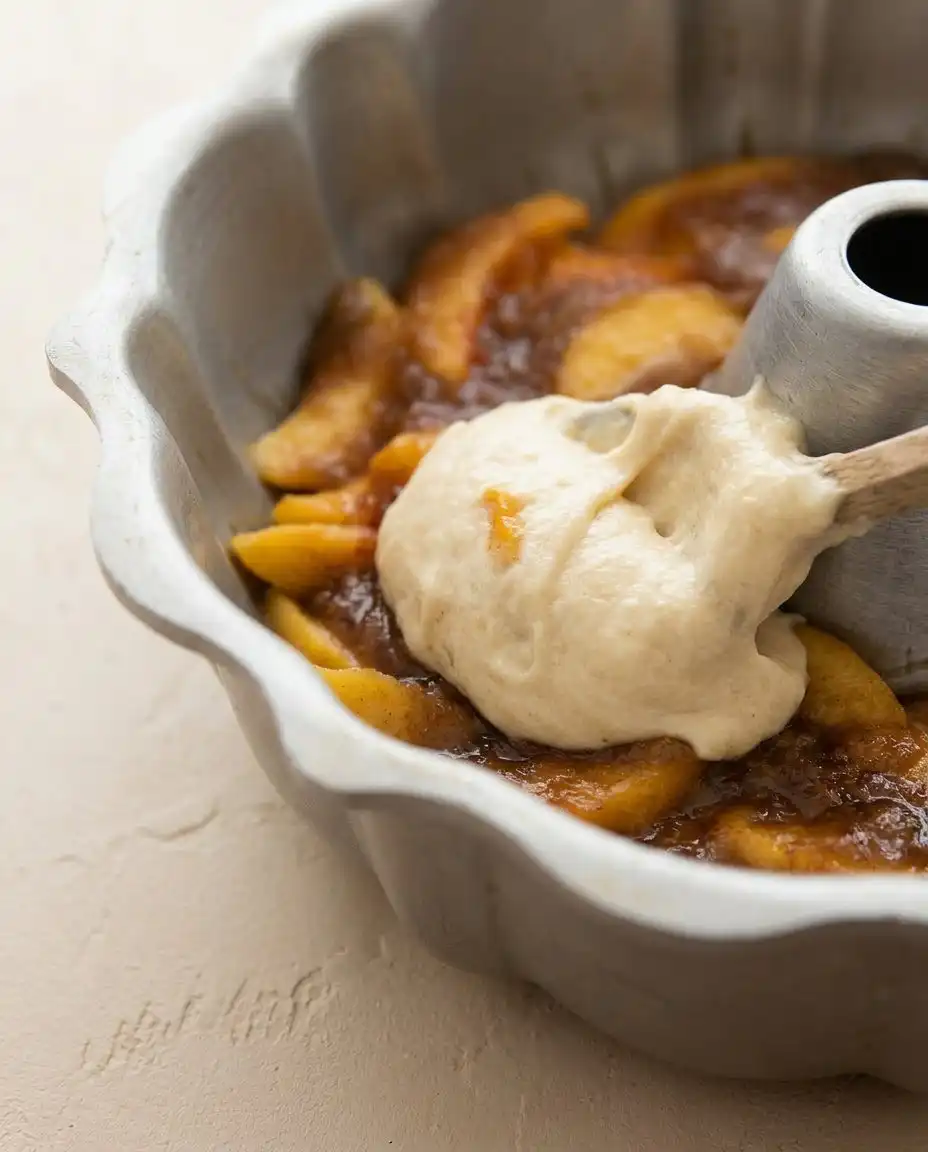
Lay the fresh peach slices neatly in the bottom of your prepared bundt pan in a decorative ring. Pour the melted butter and brown sugar mixture directly over the fruit, coating each slice. This layer will transform into a glossy, caramelized topping as the cake bakes in the oven.
Step 7: Pour the Batter and Bake
Spoon the thick batter evenly over the peach layer, smoothing the top with a spatula. Gently tap the bundt pan against your work surface several times to release any trapped air pockets. Bake at 300 degrees F for 60 to 70 minutes, until a tester inserted into the middle emerges clean and dry.
Step 8: Cool and Apply the Glaze
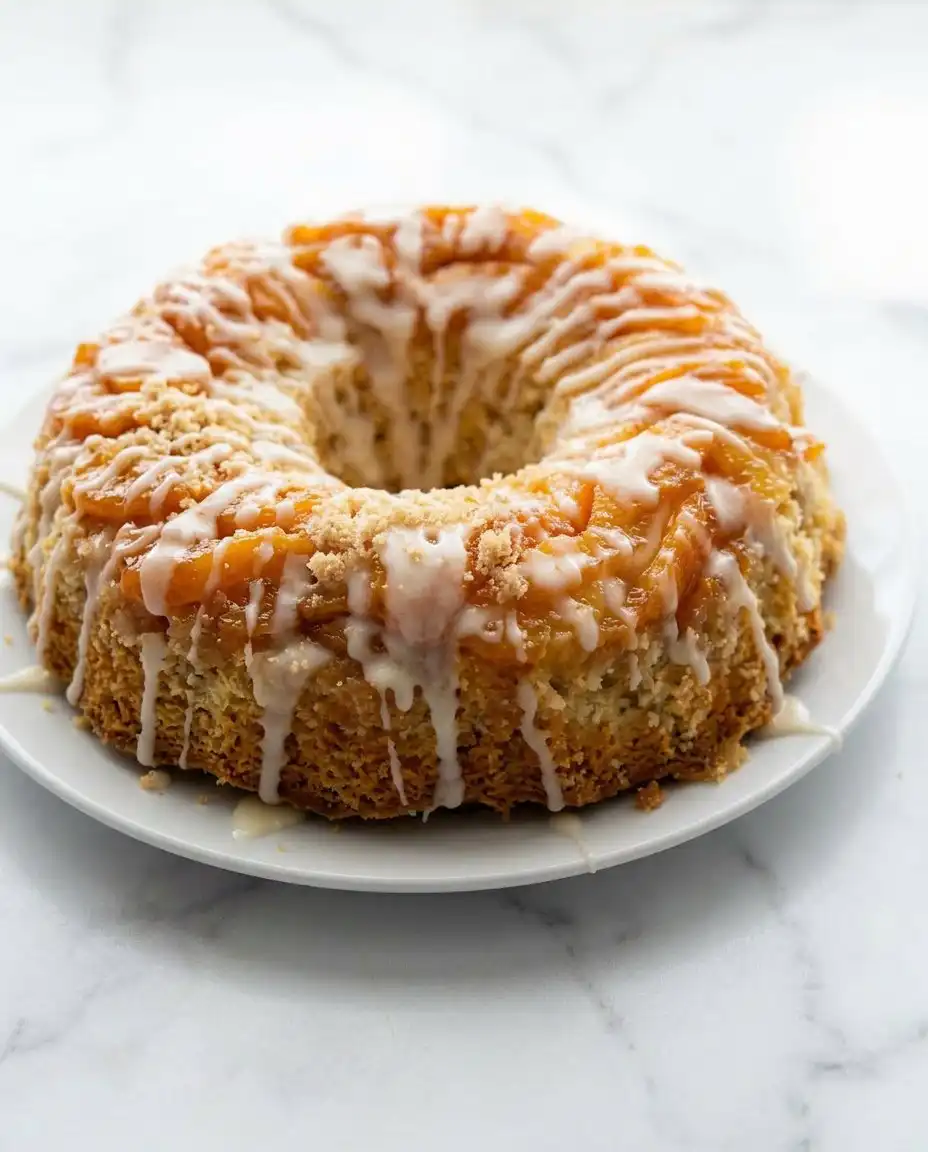
Let the baked cake rest on a wire cooling rack for 20 to 30 minutes to let the crumb set. While it cools, whisk the confectioners’ sugar, vanilla, and milk in a small bowl until it reaches a thick, pourable consistency. Invert the cake onto a plate, drizzle the glaze over the warm top, and prepare to slice.
Tips for the Perfect Soak
Always bring your cream cheese, eggs, and butter to room temperature before you begin. Cold ingredients do not emulsify properly, which can cause your cake batter to split and bake unevenly.
If the top of your cake begins to darken too quickly in the oven, drape a loose sheet of aluminum foil over the bundt pan. This protects the delicate sugars from scorching while allowing the center of the deep cake to finish cooking through.
For a variation that incorporates these careful steps, you can try our cream cheese peach cobbler pound cake to compare the texture.
Make sure your diced peaches are thoroughly drained and patted dry with a paper towel before folding them in. If your peaches are too wet, the excess moisture will sink to the bottom, creating a soggy layer.
Should your Buttery Peach Cobbler Pound Cake stick to the Bundt pan when you try to invert it, the cause is usually inverting it while it is still steaming hot or waiting until it is completely cold. To fix this, wrap a warm, damp towel around the outside of the pan for five minutes to loosen the caramelized brown sugar before gently lifting the pan away.
Allowing the baked cake to cool entirely before slicing allows the structure to settle, ensuring your knife cuts clean, elegant portions.
Frequently Asked Questions
Can I use canned or frozen peaches for this Buttery Peach Cobbler Pound Cake?
Yes, you can use canned or frozen peaches when fresh ones are out of season. Be sure to drain canned peaches thoroughly and pat them dry, or thaw frozen peaches completely and squeeze out any excess liquid to keep the batter from becoming watery.
Should I use cake flour or all-purpose flour?
All-purpose flour is the best choice for this recipe because it provides the structure needed to hold the heavy fruit slices. Cake flour would create a crumb that is too delicate, causing the cake to crumble under the weight of the caramelized peaches.
How do I stop the peaches from sinking to the bottom?
Tossing the diced peaches in a tablespoon of flour before folding them into the batter helps them stay suspended. For the sliced peaches, placing them directly at the bottom of the greased pan before pouring the batter ensures they form a beautiful, caramelized top layer once inverted.
What pan size is best for this recipe?
A classic 10-inch or 12-cup Bundt pan is ideal for this generous amount of batter. Using a smaller pan might cause the batter to overflow during the long, slow baking process, which ruins the golden crust.
Why did my cake stick to the Bundt pan?
This usually happens if the pan was not greased thoroughly or if the cake was left to cool inside the pan for too long, causing the sugar to harden like glue. Always grease every crevice of your pan and invert the cake while it is still slightly warm to the touch.
How do I know when the cake is completely baked?
Insert a long wooden skewer or toothpick into the thickest part of the cake, avoiding the fruit layer at the bottom. It should emerge clean or with a few dry crumbs attached. If it has wet batter on it, bake the cake for another five to ten minutes.
Can this cake be made ahead of time?
Yes, this cake actually improves in flavor and texture if you let it rest overnight. The fruit juices and caramel glaze seep deeper into the crumb, making each slice incredibly tender and flavorful the following day.
Can I freeze this Buttery Peach Cobbler Pound Cake?
We do not recommend freezing this cake because the baked fruit tends to become watery and soft upon thawing. This extra moisture ruins the dense texture of the crumb and can cause the cake to spoil quickly.
Across the Mediterranean
You can grate the fresh zest of a lemon or a sweet orange directly into the cake batter. This brightness cuts through the rich butter and pairs beautifully with the warm, baked peaches.
Try adding half a teaspoon of almond extract to the batter and scattering toasted, sliced almonds over the brown sugar layer. For another classic take, check out our peach cobbler pound cake or read about traditional southern baking techniques to find new inspiration for your baking days.
When the peach season fades into the cool air of autumn, swap the peaches for thin slices of crisp apples. Sprinkle a pinch of ground cinnamon and nutmeg over the apple slices before pouring the batter to create a cozy, spiced alternative.
Coffee & Cake Pairings
When the afternoon sun begins to dip low, there is nothing quite like presenting this golden Buttery Peach Cobbler Pound Cake to your loved ones. Place the sliced cake in the center of a simple wooden table, letting the caramelized glaze catch the light. The fork should glide through like butter, offering a mouthful of rich, golden crumb and warm, jammy fruit.
For a truly comforting treat, serve each slice slightly warm with a generous dollop of unsweetened whipped cream or a scoop of vanilla bean ice cream. The cold cream melts into the warm, spiced crumbs, creating a beautiful harmony of temperatures and textures. If you appreciate these vintage flavors, you might also enjoy our old fashioned peach cobbler pound cake recipe for your next gathering.
Let It Rest, Then Slice
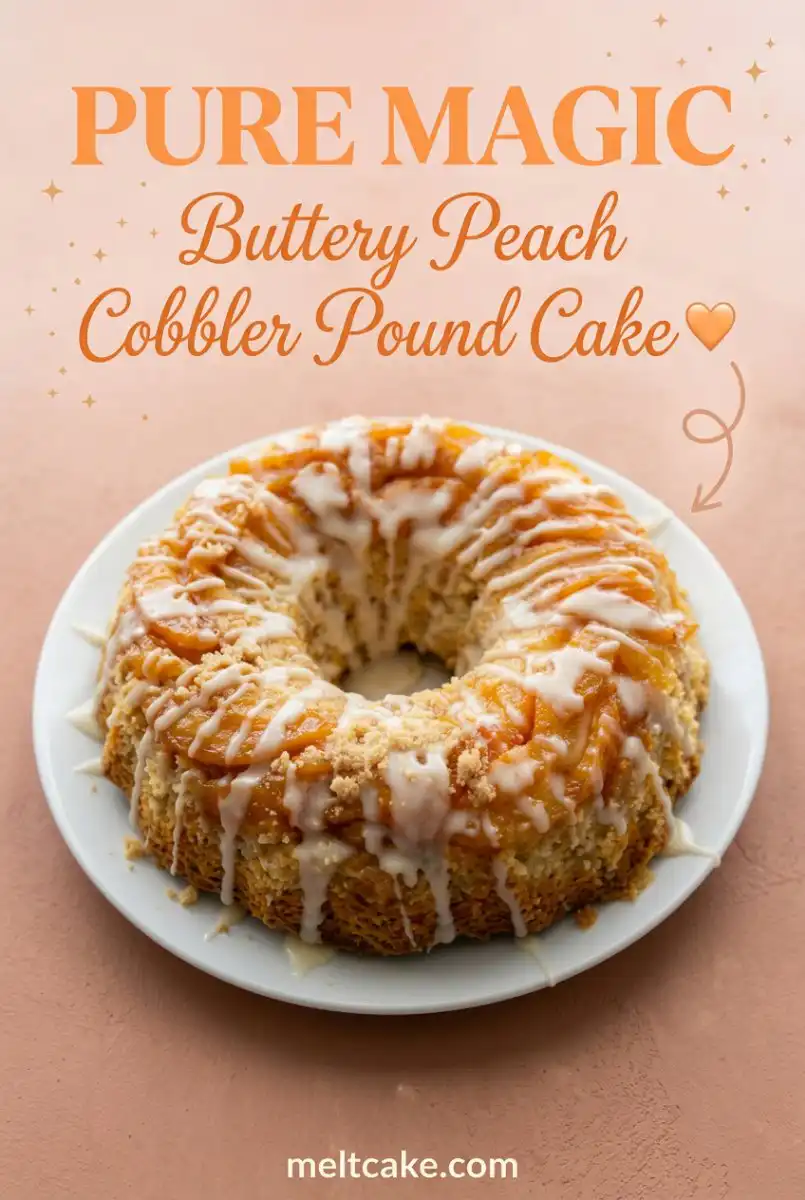
Baking a cake like this is an exercise in mindfulness and patience. The magic does not happen when you mix the flour or slice the fruit, but rather during those quiet minutes when the warm cake rests on the cooling rack, absorbing the rich, caramelized juices. When you finally invert the pan and see the golden, glossy peaches, you will realize that every second of waiting was entirely worth it.
We invite you to step into your kitchen, preheat your oven, and let the comforting aroma of sweet peaches fill your home. Share your baking journey with us and let us know how your cake turned out. For more baking inspiration and similar recipes, discover our peach cobbler pound cake 2 or join our community online.
Connect with other home bakers and save your favorite recipes on Pinterest, join our discussions on Facebook, or receive direct updates through our channel on Telegram. Let us keep the beautiful tradition of slow, sensory baking alive together.