My British pastry training taught me that acidity dictates structure. This Lemon Chantilly Cake uses citrus to tighten proteins, creating a crumb that is both sturdy and melt-in-the-mouth.

Achieving the perfect balance between a cloud-like texture and a reliable structure is a technical triumph. We use a hybrid fat method to provide moisture while maintaining the cake’s architectural integrity for clean slicing.
Structure Meets Texture
This Lemon Chantilly Cake represents the pinnacle of citrus-based pastry. Unlike standard sponges that rely solely on chemical leavening, this recipe uses the mechanical aeration of eggs and the structural stability of cake flour to create a superior mouthfeel. The hybrid use of butter and olive oil is a deliberate choice for the discerning baker. Butter provides the traditional high-note flavor and structural firmness when chilled, while olive oil remains liquid at room temperature, guaranteeing a moist crumb that never feels dry or crumbly.
The lemon profile is not merely a top note; it is integrated into the very foundation of the cake. By rubbing the zest into the sugar, we initiate an osmotic process that releases essential oils, creating a deep, resonant citrus flavor that persists through the baking process. The result is an exquisite balance where the bright acidity of the lemon cuts through the rich, velvety cream cheese frosting, proving that technical precision is the key to sensory perfection. This is not just a dessert; it is a study in how fat, acid, and protein interact to create a professional-grade crumb.
Print
Lemon Chantilly Cake
- Total Time: 2 hours 30 mins
- Yield: 12 servings
Description
This recipe elevates the classic lemon cake using precision techniques, including a hybrid fat mixture of butter and olive oil, to achieve a perfectly moist yet structurally sound crumb. Layered with a light, tangy cream cheese Chantilly frosting, this dessert is a study in balancing rich texture with bright, intense citrus flavor.
Ingredients
- 3 cups Cake Flour
- 1 1/4 cups Granulated Cane Sugar
- Zest of 2 large Lemons
- 8 tbsp Unsalted Butter, softened (for cake)
- 1/2 cup Olive Oil
- 3 large Eggs, room temperature
- 1 tsp Vanilla Extract
- 1/2 cup Whole Milk
- 1 tbsp Baking Powder
- 1 tsp Baking Soda
- 1/2 tsp Sea Salt (for cake)
- 1/4 cup Fresh Lemon Juice (for cake)
- 8 oz Cream Cheese, softened (for frosting)
- 1/2 cup Unsalted Butter, softened (for frosting)
- 4 cups Powdered Sugar
- 1 cup Heavy Cream, chilled
- 1 tsp Fresh Lemon Juice (for frosting)
- Pinch of Sea Salt (for frosting)
Instructions
- Preheat your oven to 350F (175C). Oven accuracy is paramount; use a standalone thermometer to confirm the internal temp. Butter two 9-inch cake pans and line the bottoms with parchment paper. This creates a non-stick barrier that guarantees a clean release, preserving the delicate edges of your cake.
- In the bowl of a stand mixer, combine the lemon zest and granulated sugar. Use your fingertips to rub the zest into the sugar for at least 60 seconds. You will notice the sugar becomes fragrant and slightly damp; this is the essential oils being released and coating the sugar crystals, which distributes flavor more effectively than simply mixing.
- Add the softened butter to the lemon sugar. Using the paddle attachment, cream on low speed until just incorporated, then increase to high for 2 minutes. Switch to the whisk attachment. Add the eggs one at a time, beating for 2 minutes after the addition until the volume has doubled. This mechanical aeration is critical for a light structure.
- Slowly pour in the lemon juice, olive oil, and vanilla extract. Whisk on high speed for another 2 minutes. We are looking for a pale, thick emulsion. Finally, stir in the whole milk on low speed to avoid splashing. The mixture may look slightly curdled due to the acid—this is normal and will resolve once the dry ingredients are introduced.
- Sift together the cake flour, baking powder, baking soda, and sea salt. Add the dry mixture to the wet ingredients in two batches. Mix just until no streaks of flour remain. Over-mixing at this stage activates gluten, which will turn your tender cake into bread. Stop the moment the batter is smooth.
- Divide the batter equally between the prepared pans. Bake for 25-30 minutes. Use a wooden skewer to test the center; it should come out clean with a few moist crumbs. Let the cakes rest in their pans for 10 minutes to allow the cell walls to set before transferring them to a wire rack to cool completely.
- In a chilled bowl, beat the softened butter and cream cheese on high for 3 minutes until perfectly smooth. Gradually add the powdered sugar on low. Once incorporated, add the heavy cream, lemon juice, and salt. Whip on high for 5 minutes until the frosting is light, fluffy, and holds a stiff peak.
- Slice each cooled cake layer horizontally to create four thin layers. Place the first layer on a stand and apply 3/4 cup of frosting. Repeat for all layers. Apply a very thin layer of frosting—the crumb coat—to the exterior. Chill for 20 minutes. This ‘locks in’ loose particles, allowing for a professional, smooth finish when you apply the final frosting.
Notes
To ensure a superior ‘Chantilly’ texture in your frosting, make sure all of the cream cheese and butter are thoroughly softened before beating them together, but keep the heavy cream very cold until the moment you incorporate it into the mix. If you are baking at a higher altitude, consider slightly reducing the chemical leaveners and increasing the liquid slightly to compensate for the lower air pressure.
- Prep Time: 45 mins
- Cook Time: 30 mins
- Category: Dessert
- Method: Baking
- Cuisine: Modern American
Ingredient Precision for Lemon Chantilly Cake

Success in the pastry kitchen begins with an understanding of your raw materials. Each component in this Lemon Chantilly Cake is selected for its specific contribution to the final structural integrity and flavor profile.
- Cake Flour (3 cups): This is non-negotiable for a refined crumb. Cake flour has a lower protein content (approx. 7-8%) compared to all-purpose flour. This lower protein means less gluten development, which results in a tender, fine-grained texture that literally melts. If you must substitute, use a mix of all-purpose and cornstarch to mimic this protein level.
- Unsalted Butter (8 tbsp) & Olive Oil (1/2 cup): This combination is our secret to a perfect fat profile. Butter contributes to the structural wall of the cake cells, while the olive oil provides a fluid mouthfeel. Use a high-quality, extra-virgin olive oil for a peppery finish, or a neutral olive oil for a pure citrus focus.
- Fresh Lemon (Zest & Juice): We use both the zest for aromatic intensity and the juice for acidity. The acid reacts with the baking soda, creating a rapid carbon dioxide release that provides the initial lift in the oven.
- Granulated Cane Sugar (1 1/4 cups): Beyond sweetness, sugar is a tenderizer. It interferes with gluten formation and holds onto moisture, ensuring the cake stays fresh for days.
- Cream Cheese & Heavy Cream: For the frosting, the cream cheese provides a structural base with a slight tang, while the heavy cream, when whipped to stiff peaks, introduces the airy ‘Chantilly’ quality that defines this cake.
The Technical Process
Step 1: Preparatory Precision and Oven Calibration
Preheat your oven to 350F (175C). Oven accuracy is paramount; use a standalone thermometer to confirm the internal temp. Butter two 9-inch cake pans and line the bottoms with parchment paper. This creates a non-stick barrier that guarantees a clean release, preserving the delicate edges of your cake.
Step 2: Essential Oil Extraction
In the bowl of a stand mixer, combine the lemon zest and granulated sugar. Use your fingertips to rub the zest into the sugar for at least 60 seconds. You will notice the sugar becomes fragrant and slightly damp; this is the essential oils being released and coating the sugar crystals, which distributes flavor more effectively than simply mixing.
Step 3: Aeration and Fat Integration
Add the softened butter to the lemon sugar. Using the paddle attachment, cream on low speed until just incorporated, then increase to high for 2 minutes. Switch to the whisk attachment. Add the eggs one at a time, beating for 2 minutes after the addition until the volume has doubled. This mechanical aeration is critical for a light structure.
Step 4: Emulsification of Liquids
Slowly pour in the lemon juice, olive oil, and vanilla extract. Whisk on high speed for another 2 minutes. We are looking for a pale, thick emulsion. Finally, stir in the whole milk on low speed to avoid splashing. The mixture may look slightly curdled due to the acid—this is normal and will resolve once the dry ingredients are introduced.
Step 5: Dry Ingredient Incorporation
Sift together the cake flour, baking powder, baking soda, and sea salt. Add the dry mixture to the wet ingredients in two batches. Mix just until no streaks of flour remain. Over-mixing at this stage activates gluten, which will turn your tender cake into bread. Stop the moment the batter is smooth.
Step 6: The Bake and Thermal Stabilization
Divide the batter equally between the prepared pans. Bake for 25-30 minutes. Use a wooden skewer to test the center; it should come out clean with a few moist crumbs. Let the cakes rest in their pans for 10 minutes to allow the cell walls to set before transferring them to a wire rack to cool completely.
Step 7: Preparing the Chantilly Frosting
In a chilled bowl, beat the softened butter and cream cheese on high for 3 minutes until perfectly smooth. Gradually add the powdered sugar on low. Once incorporated, add the heavy cream, lemon juice, and salt. Whip on high for 5 minutes until the frosting is light, fluffy, and holds a stiff peak.
Step 8: Assembly and The Crumb Coat
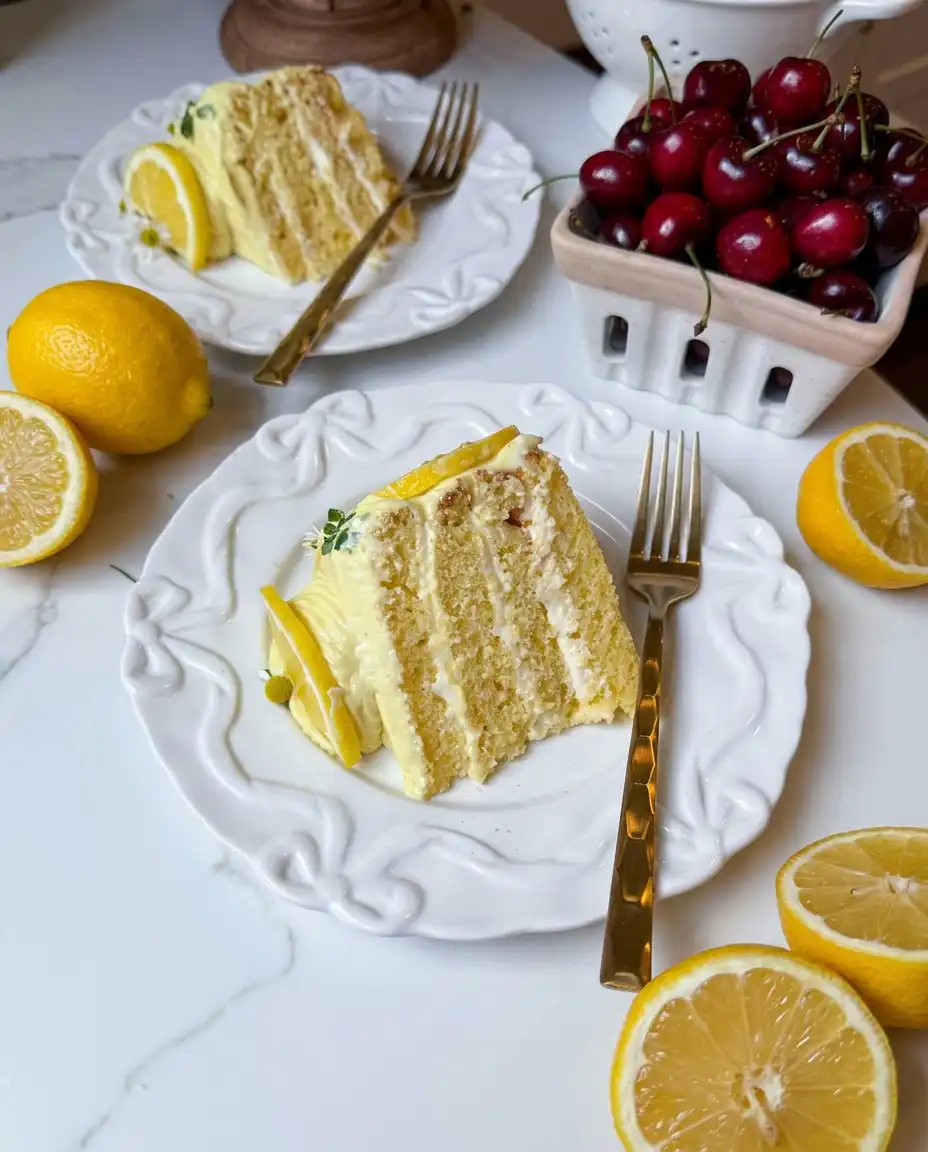
Slice each cooled cake layer horizontally to create four thin layers. Place the first layer on a stand and apply 3/4 cup of frosting. Repeat for all layers. Apply a very thin layer of frosting—the crumb coat—to the exterior. Chill for 20 minutes. This ‘locks in’ loose particles, allowing for a professional, smooth finish when you apply the final frosting.
Precision Secrets for Perfect Results
To achieve the ultimate texture, always ensure your eggs and milk are at room temperature (approx 21C/70F). Cold ingredients can cause the fats in the batter to seize, leading to an uneven bake and a dense crumb. If you find your frosting is too soft, it is likely the cream cheese was too warm or over-whipped; a 15-minute stint in the refrigerator will restore its structural integrity. For those looking to master different citrus profiles, our lemon-velvet-cake provides an excellent comparison in crumb density and moisture control. Furthermore, always weigh your flour if possible; 3 cups of cake flour should weigh exactly 300 grams to maintain the correct hydration ratio.
Technical Variations and Precision Tweaks
While this Lemon Chantilly Cake is a masterpiece in its original form, you can adjust the profile to suit specific architectural needs. For a more intense citrus punch, you might consider brushing the layers with a lemon-infused simple syrup, similar to the method used in our limoncello-mascarpone-cake. If you prefer a more rustic texture, substitute half of the cake flour with finely ground almond flour; this will increase the fat content and create a more delicate, friable crumb. For a visual variation, fold a half-cup of fresh blueberries tossed in flour into the batter to prevent sinking, ensuring even distribution throughout the cake structure.
Presentation Precision and Textural Balance
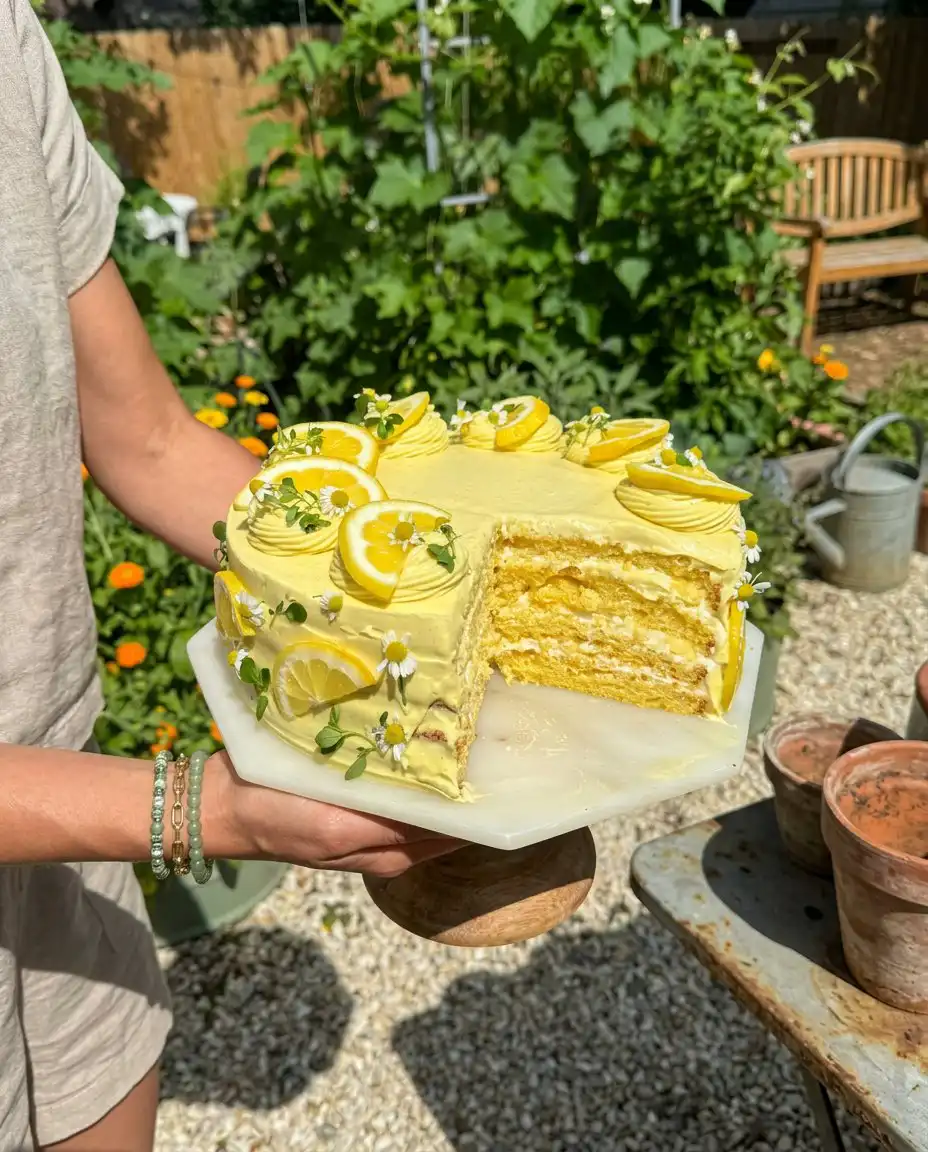
When serving this Lemon Chantilly Cake, temperature is your best friend. For the best flavor release, allow the cake to sit at room temperature for 20 minutes before slicing. This softens the butter in the frosting and the crumb, making it feel significantly more tender. Use a sharp, thin-bladed knife dipped in hot water and wiped dry between every cut to achieve those professional, clean edges. For a spectacular visual display, pair a slice with fresh raspberries or a sprig of mint. If you enjoy fruit-forward desserts, you might also appreciate the textural contrast found in our lemon-blueberry-cake.
Master the Craft
This recipe is more than just a sweet treat; it is a demonstration of how precise technique and high-quality ingredients produce a superior result. By understanding the science of aeration and the importance of fat emulsification, you have created a dessert that stands far above the standard fare. For more citrus inspiration and to refine your skills with another classic, check out our lemon-drizzle-cake. We would love to see your technical triumphs! Share your beautiful creations with us on Instagram, Pinterest, Facebook, and TikTok. Happy baking, and remember: precision is the path to perfection.