A dense, heavy crumb often ruins the Italian Cream Cake, but precise aeration and protein control ensure a structural lift that remains light rather than collapsing under its own weight.

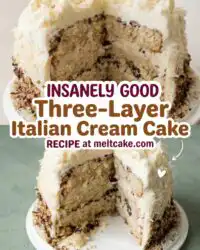
The Three-Layer Italian Cream Cake is a masterclass in texture, balancing the crunch of toasted pecans against a tender, coconut-infused crumb. Achieving this requires a stable emulsion of fats and a careful fold of whipped proteins to prevent a collapsed center during the bake. By following this method, you create a sophisticated dessert that holds its height while offering a delicate melt in every bite.
What Makes the Three-Layer Italian Cream Cake Texture Right
Prep: 15 min · Serves: 12 · Difficulty: Advanced
- High-fat crumb remains remarkably tender and moist.
- Toasted pecans provide essential structural contrast and crunch.
- Shredded coconut adds a unique, chewy mouthfeel throughout.
- Stable cream cheese frosting provides the necessary acidic balance.
- Precision mixing ensures a light and airy internal structure.
Structure is what makes the melt possible when building a tall classic vanilla butter cake or this complex layered classic.
This method ensures the structural skin protects the creamy interior for a professional finish.
Get The Full Cake Recipe
Print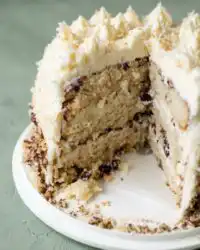
Three-Layer Italian Cream Cake
- Total Time: 2 hours
- Yield: 12 servings
- Diet: Vegetarian
Description
This refined Italian Cream Cake features a light, aerated sponge infused with coconut and toasted pecans. By balancing precise fat emulsification and mechanical protein aeration, this recipe achieves a stable, elegant crumb perfect for any sophisticated occasion.
Ingredients
- All-purpose flour
- Cornstarch
- Unsalted butter
- Vegetable oil
- Sugar
- 4 large eggs, separated
- Buttermilk
- Vanilla extract
- Almond extract
- Baking powder
- Baking soda
- Salt
- Shredded coconut
- Pecans, toasted and chopped
Instructions
- Prepare for baking. Preheat the oven to 180°C and grease two 8-inch cake pans, lining them with parchment paper for easy removal.
- Combine dry ingredients. Sift together the all-purpose flour, cornstarch, baking powder, baking soda, and salt in a medium bowl and whisk until well distributed.
- Emulsify fats. Cream the room temperature butter, vegetable oil, and sugar in a mixer on medium-high speed for two minutes until light and fluffy.
- Add wet ingredients. Beat in the egg yolks, vanilla, almond extract, and buttermilk, scraping the sides of the bowl to ensure a smooth, uniform emulsion.
- Fold dry mixture. Gently fold the sifted dry ingredients into the wet base by hand, stopping immediately once no streaks remain to preserve cake volume.
- Add inclusions. Fold in the shredded coconut and chopped toasted pecans using only a few light strokes to maintain the airy structure.
- Whip egg whites. In a separate, grease-free bowl, beat the egg whites until stiff peaks form to act as a secondary leavening agent.
- Final gentle fold. Lighten the batter with a portion of the egg whites before folding in the remainder using a gentle figure-eight motion.
- Bake the layers. Distribute the batter into prepared pans and bake for 30-35 minutes until a toothpick comes out clean and the edges pull away slightly.
- Cool completely. Allow the cakes to rest in the pans for 20 minutes, then invert onto a wire rack to cool entirely before applying any frosting.
Notes
- Use a digital scale for ingredient measurements to guarantee the structural integrity of the cake layers.
- Ensure all dairy and egg components are at room temperature to prevent the emulsion from breaking during the mixing process.
- Toast the pecans before folding them into the batter to intensify their flavor and provide a distinct crunch.
- Avoid over-mixing the batter once the flour and egg whites are added to maintain the delicate lift of the sponge.
- Always cool the cake layers fully to room temperature before frosting to avoid melting the icing and causing the layers to slide.
- Prep Time: 45 mins
- Cook Time: 35 mins
- Category: Dessert
- Method: Baking
- Cuisine: Italian-American
Weighed & Ready
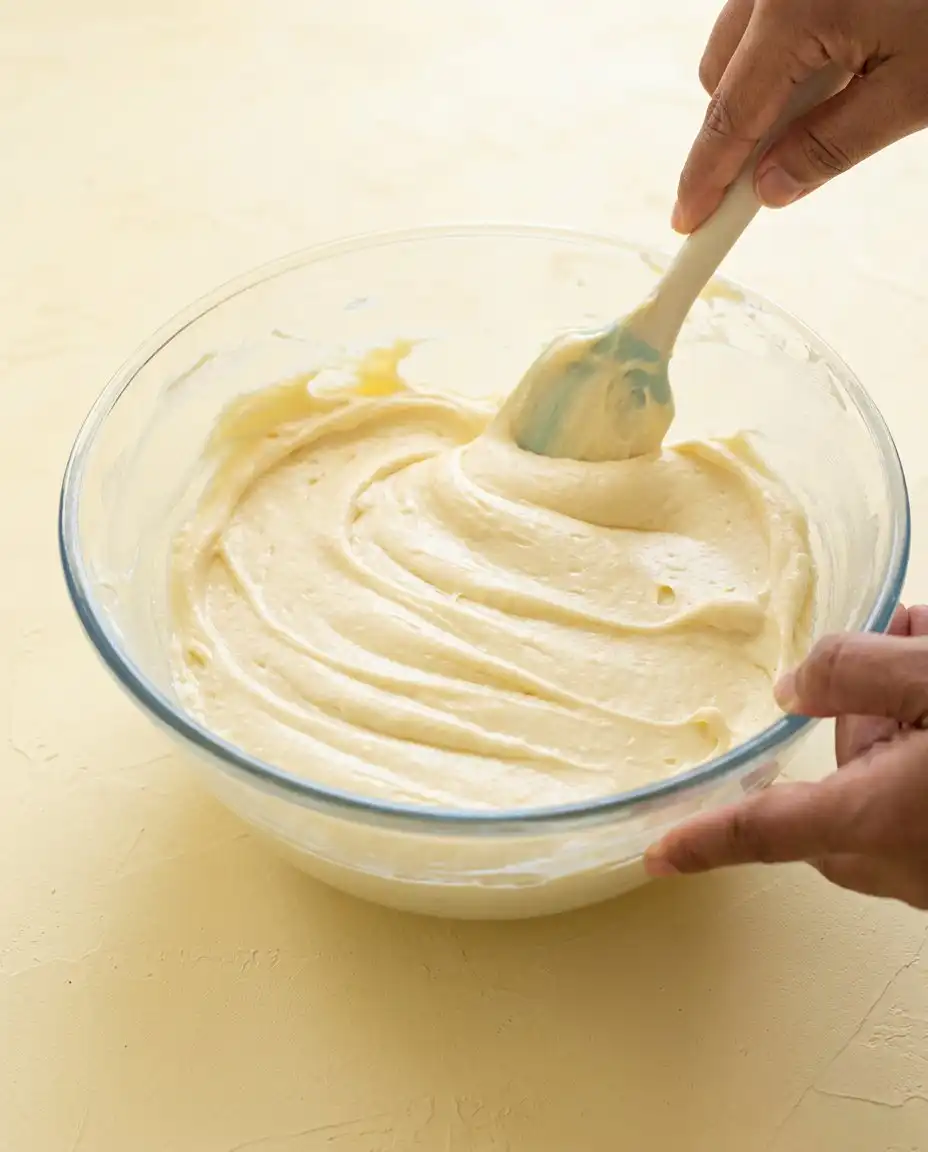
Success begins with the bench. Every gram of fat and protein is calculated to ensure the Three-Layer Italian Cream Cake maintains its delicate crumb without sacrificing the stability needed for a tiered presentation. Using a digital scale is non-negotiable for these specific ratios.
- All-purpose flour: Provides the primary gluten network for the cake layers.
- Cornstarch: Lowers the overall protein content to ensure a tender, soft mouthfeel.
- Unsalted butter: Adds necessary fat for flavor and the initial creaming volume.
- Vegetable oil: Ensures the crumb remains moist even when the cake is chilled.
- Separated eggs: The yolks provide richness while the whites provide mechanical aeration.
- Buttermilk: Its acidity reacts with the leaveners and tenderizes the flour proteins.
- Shredded coconut: Adds textural complexity and holds moisture within the crumb.
- Pecans: Roughly chopped pieces provide a structural snap against the soft sponge.
| Ingredient | Why It Matters |
|---|---|
| Cornstarch | Interferes with gluten to produce a soft crumb. |
| Vegetable Oil | Keeps the cake moist and prevents a dry texture. |
| Egg Whites | Provide the structural lift through mechanical aeration. |
| Buttermilk | Triggers the baking soda and breaks down tough proteins. |
| Almond Extract | Enhances the natural sweetness of the coconut and pecans. |
The Tested Procedure
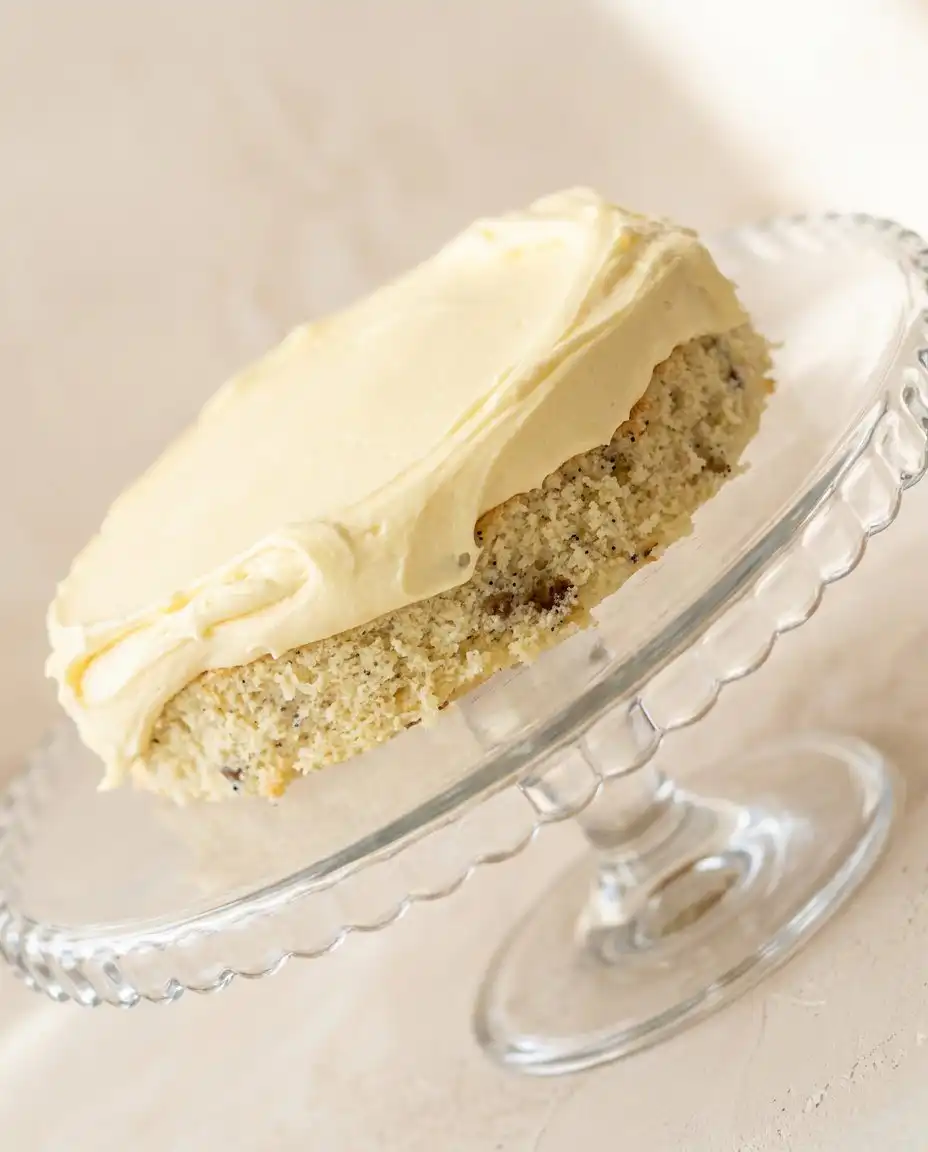
Step 1: Mise en Place and Oven Calibration
Preheat the oven to 180C (350°F) conventional, or 160C (320°F) for convection models to prevent premature crust setting. Prepare two 8-inch cake pans with grease and parchment paper to ensure a clean release after the bake. Having all ingredients at room temperature is vital for achieving a proper emulsion during the creaming stage.
Step 2: Sifting and Dry Component Integration
Sift the all-purpose flour, cornstarch, baking powder, baking soda, and salt into a medium bowl. This process removes clumps and aerates the dry mixture for even distribution of the leavening agents. Use a whisk to combine thoroughly, ensuring the cornstarch is evenly dispersed to regulate the protein strength of the flour.
Step 3: Establishing the Fat Emulsion
Combine the room temperature butter, vegetable oil, and sugar in a large mixing bowl. Use a stand mixer on medium-high speed for exactly two minutes until the mixture appears light, pale, and fluffy. This step incorporates micro-bubbles of air into the fat, which is the foundation of the cake’s final volume.
Step 4: Adding the Yolks and Liquid Flavor
Add the four egg yolks to the creamed fat and mix on low speed until fully incorporated. Follow with the vanilla extract, almond extract, and buttermilk, continuing to mix until the liquids are combined. Scrape the sides of the bowl to ensure no pockets of unmixed fat remain, as this would create uneven holes in the crumb.
Step 5: The Gentle Fold of Dry Ingredients
Add the presifted dry ingredients to the wet base and use a large spatula to gently fold by hand. Stop mixing the moment no streaks of flour remain to prevent gluten development, which would make the cake tough. A gentle touch here preserves the air bubbles created during the creaming stage.
Step 6: Incorporating Textural Elements
Add the shredded coconut and roughly chopped pecans to the batter. Fold them in with only three or four strokes to ensure they are distributed without overworking the delicate mixture. These inclusions provide the signature bite that defines this specific cake style.
Step 7: Reaching the Stiff Peak Stage
In a separate, meticulously cleaned bowl, whip the egg whites on medium speed until they reach stiff peaks. The bowl and whisk must be free of any fat or yolk residue, or the proteins will fail to bond and create the necessary foam. This foam acts as a secondary leavening agent for the Three-Layer Italian Cream Cake.
Step 8: The Final Fold for the Three-Layer Italian Cream Cake
Add one-third of the whipped egg whites to the heavy batter and stir gently to lighten the consistency. Carefully fold in the remaining whites using a figure-eight motion until just combined. This technique introduces air without deflating the structure, which is critical for a Three-Layer Italian Cream Cake that stands tall.
Step 9: Baking and Structural Monitoring
Distribute the batter evenly between the prepared pans and bake for 30-35 minutes. Monitor the cakes for a slight pull-away from the sides of the pan and a clean toothpick test. The internal structure must be fully set to support the weight of the cream cheese frosting later.
Step 10: The Cooling and Setting Phase
Allow the cakes to rest in their tins for 20 minutes to allow the crumb to stabilize before inversion. Transfer to a wire rack to cool completely for at least one hour. Applying frosting to a warm cake will cause the emulsion to break, leading to a collapsed and messy presentation.
Pastry Bench Tips
Precision for the sake of mouthfeel requires that you toast your pecans before adding them to the batter. Placing them in a 170C oven for 6-8 minutes releases the natural oils and deepens the flavor profile, which provides a sharper contrast to the sweet coconut. This small technical adjustment changes the entire aromatic experience of the bake.
If the batter appears curdled after adding the buttermilk, the ingredients were likely at different temperatures. To fix this, place the bowl over a pot of steaming water for 10 seconds and whisk gently to restore the emulsion. A broken batter will result in a greasy, dense crumb that lacks the professional lift we aim for in a red velvet cake or this Italian classic.
Always use a digital scale to measure the egg whites specifically if you find your cakes vary in height. While we call for four large eggs, the actual weight of the whites can fluctuate significantly. Aiming for 120-130 grams of whites ensures the structural lift is consistent every time you step to the bench.
Avoid using pre-shredded coconut that is too moist or sweetened for this recipe. Dried, unsweetened shredded coconut provides the best structural integrity without adding unregulated sugar that could interfere with the chemical leavening. The goal is a controlled texture where the coconut adds chew without making the sponge soggy.
When preparing the frosting, ensure the cream cheese is slightly cooler than the butter. This temperature differential prevents the frosting from becoming too soft to hold the weight of the layers. If your frosting is soupy, chill it for 15 minutes before attempting to assemble the stack.
For more information on the science of chemical leaveners, you can study how baking soda and acid interact to create lift in heavy batters. Understanding the chemistry behind the bubbles will help you troubleshoot why a cake might fail to rise in a humid environment.
Frequently Asked Questions
What is in Italian cream cake?
A traditional Italian cream cake consists of a tender sponge cake flavored with vanilla and almond, filled with shredded coconut and chopped pecans. It is distinguished by the use of buttermilk and whipped egg whites for a light texture. The entire structure is then encased in a rich, tangy cream cheese frosting.
What was Pope John Paul II’s favorite dessert?
While often debated, many culinary historians and bakers associate the Italian cream cake with the Pope’s preferences during his travels. It is said that he enjoyed the combination of nuts and cream, which led to the recipe’s surge in popularity in the United States. This association has cemented the cake’s status as a classic for special celebrations.
How long to cook a 3 layer cake?
A three-layer cake typically requires 30 to 35 minutes of baking at 180C (350°F). If you are using three separate pans for a Three-Layer Italian Cream Cake, the thinner layers may bake faster, possibly in 25 minutes. Always use a toothpick to check for moist crumbs rather than relying solely on the clock.
Is Italian wedding cake and Italian cream cake the same thing?
They are often used interchangeably, but there are subtle regional differences in the inclusion of fruits or different nuts. Generally, the Italian cream cake is the more specific name for the coconut and pecan variety topped with cream cheese. Both serve as a centerpiece for celebratory events due to their impressive height and rich flavor.
Can I freeze the cake layers before frosting?
Yes, freezing the layers is an excellent way to handle the delicate crumb of the Three-Layer Italian Cream Cake. Wrap the completely cooled layers tightly in plastic wrap and freeze for up to one month. Frosting a partially frozen cake actually makes the assembly easier and prevents crumbs from mixing into the icing.
Why did my cake sink in the middle?
A sunken center usually occurs if the egg whites were not whipped to the correct stiff-peak stage or if the oven door was opened too early. The structural skin needs time to set before it can support the weight of the cooling air inside. Ensure your leavening agents are fresh and your oven temperature is accurate using a probe thermometer.
Considered Adjustments
For those seeking a more streamlined approach, the quick italian cream cake offers a faster method while maintaining the core flavor profile. This variation often utilizes a different mixing method that prioritizes speed over the extreme aeration found in the traditional whipped egg white version.
To increase the structural complexity, you may substitute half of the pecans with toasted walnuts. Walnuts provide a slightly more bitter note that cuts through the richness of the cream cheese frosting beautifully. Ensure the pieces are chopped to a similar size to maintain an even distribution throughout the crumb.
If you prefer a lighter finish, a whipped mascarpone frosting can replace the traditional cream cheese version. Mascarpone offers a more subtle acidity and a silkier mouthfeel that emphasizes the delicate almond notes in the sponge. This change requires careful temperature control as mascarpone can over-whip and turn to butter quickly.
Serving the Structure
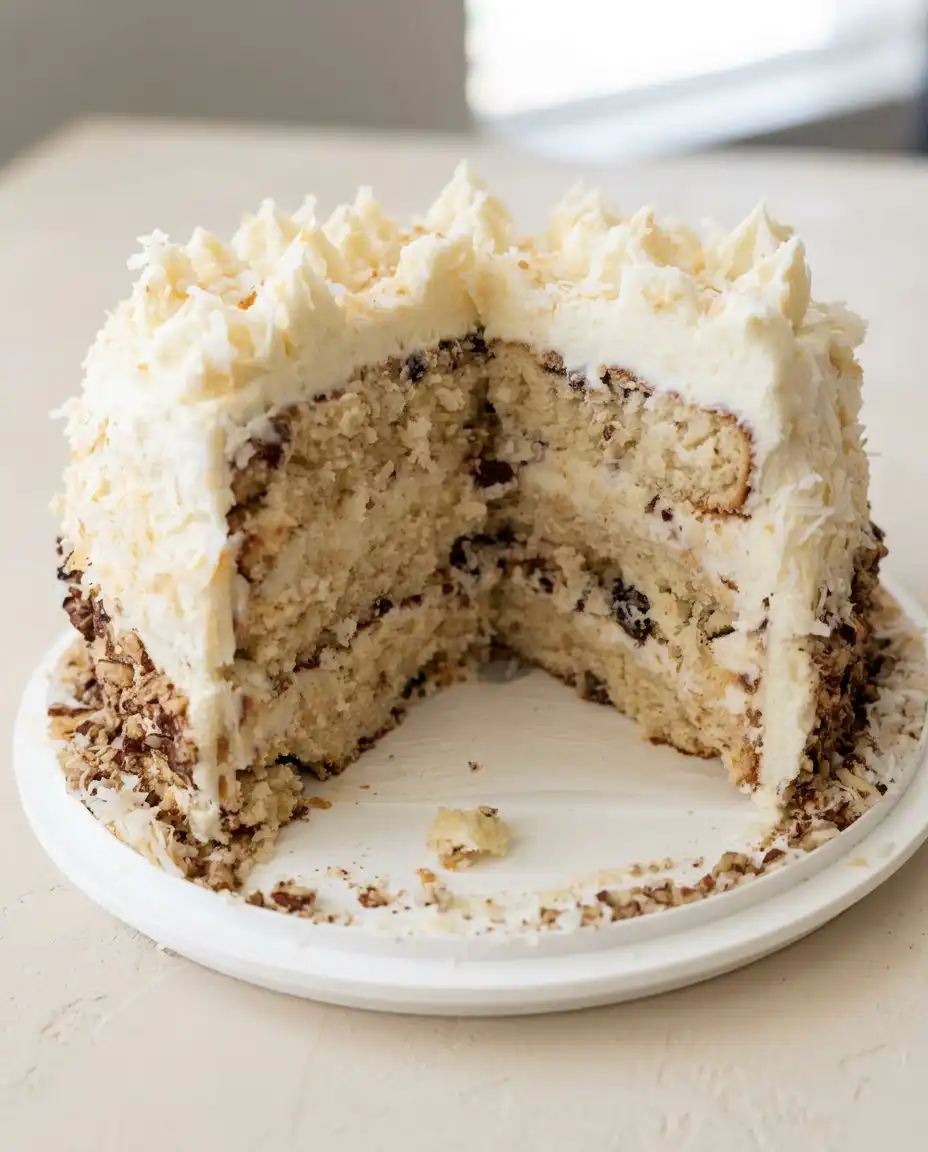
When plating the Three-Layer Italian Cream Cake, use a sharp, thin-bladed knife dipped in hot water to achieve clean, professional slices. This prevents the cream cheese frosting from tearing the delicate sponge as you cut through the layers. A clean cut reveals the internal architecture of pecans and coconut that defines this dessert.
This cake pairs exceptionally well with a strong, unsweetened Earl Grey tea or a dark roast coffee to balance the sweetness of the frosting. For a more formal presentation, consider a light dusting of extra toasted pecan dust around the base of the cake stand. This adds a visual cue to the ingredients within and provides a refined finish to the table.
If you are looking for a different profile for your next event, the chocolate layer cake provides a deeper, more robust texture. Serving the Italian Cream Cake at a slightly cool room temperature—about 20 minutes after removing it from the refrigerator—allows the fats to soften just enough for the ideal melt.
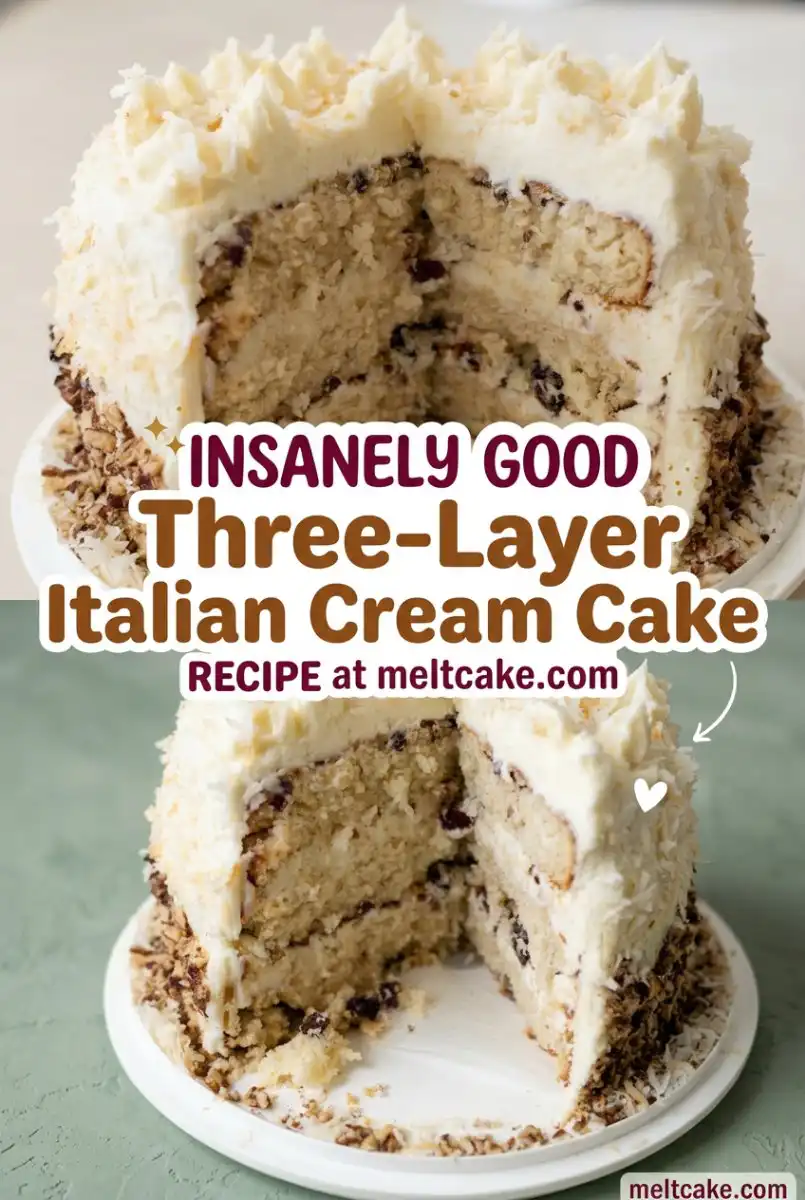
What the Technique Gives You
Mastering the Three-Layer Italian Cream Cake is a significant milestone for any baker interested in the precision of pastry. The balance of mechanical aeration from the egg whites and the chemical leavening of the buttermilk creates a crumb that is both sturdy and ethereal. It is the kind of recipe that proves how small technical decisions—like the temperature of your butter or the speed of your whisk—decide the final success of the bake.
I encourage you to take your time at the bench, weighing every ingredient and observing the changes in the batter at each stage. This methodical approach ensures that your towering creation will hold its shape and impress your guests with its sophisticated texture. For more structural baking inspiration, consider trying the old fashioned peanut butter cake which offers its own unique challenges in fat management.
Once you have successfully baked this classic, I invite you to share your results with our community of precision bakers. We find that seeing the progress of others helps everyone refine their technique. You can follow our latest structural experiments on Pinterest, Facebook, TikTok, and Telegram.