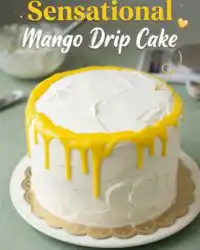
The moment your spoon glides through that cloud-like sponge and hits the pool of golden mango nectar, the rush of tropical sweetness makes every minute in the kitchen worth it.

This Mango Drip Cake is the answer when you need a dessert that looks like it belongs in a bakery window but fits into your Tuesday schedule. By combining a light-as-air sponge with a luscious shortcut mango drip, you get a textured masterpiece that melts in your mouth without requiring all day to assemble. We are focusing on that vibrant, gooey center and the glossy finish that makes this treat feel like a high-end celebration in under two hours. Fast and luscious results are the hallmark of this recipe, proving that you can have a bakery-style finish between dinner and bedtime.
Why This Mango Drip Cake Works on a Weeknight
Prep: 60 min · Serves: 12 · Difficulty: Easy
- Gooey mango center melts in your mouth
- Professional drip finish takes five minutes
- Airy sponge cake provides the perfect base
- Whipped cream layers keep every bite light
- Fresh mango balls add a beautiful pop
This is the recipe my family requests every single weekend because it delivers a gooey center on a weeknight timeline. If you enjoy a light texture, you might also find success with this chantilly cake recipe for your next gathering.
Get The Full Cake Recipe
Print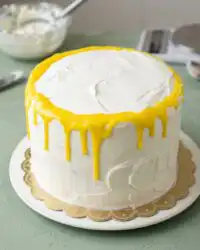
Mango Drip Cake
- Total Time: 1 hour 45 mins
- Yield: 12 servings
- Diet: Vegetarian
Description
This Mango Drip Cake features a light, airy sponge layered with fresh mango chunks and whipped cream, finished with a professional, glossy white chocolate and mango drip. It is a stunning, bakery-style dessert that can be prepared in under two hours, making it perfect for both weeknight treats and elegant celebrations.
Ingredients
- 4 large eggs, room temperature
- 1/2 cup hot water
- 1 cup granulated sugar
- 1 tsp vanilla extract
- 1 cup all-purpose flour
- 2 tbsp corn starch
- 1 tsp baking powder
- 1 cup Alphonso mango puree
- 1 1/2 cups heavy whipping cream
- 1/4 cup powdered sugar
- 1/4 cup white chocolate chips
- 1/2 tsp gelatin powder
- Fresh mango, diced or balled
Instructions
- Prep the oven. Preheat the oven to 350°F and line the base of a 9-inch springform pan with parchment paper.
- Whisk the eggs. Beat room-temperature eggs with hot water for one minute until pale and foamy.
- Create the ribbon. Gradually add sugar and vanilla, whisking on high for 8–12 minutes until the batter reaches the ribbon stage.
- Fold dry ingredients. Gently fold in sifted flour, corn starch, and baking powder in three batches to maintain volume.
- Bake the sponge. Transfer to the pan and bake for 25–30 minutes until the cake springs back when touched.
- Cool and layer. Cool the cake, remove from the pan, and slice horizontally into three even layers.
- Whip the cream. Whisk cold heavy cream, powdered sugar, and vanilla until stiff, glossy peaks form.
- Prepare the drip. Heat mango puree with gelatin, then stir in white chocolate until melted and smooth.
- Assemble the cake. Layer the cake with mango puree, fresh mango chunks, and whipped cream.
- Drip and decorate. Frost the exterior, apply the mango glaze as drips, and top with fresh mango balls.
Notes
- Avoid greasing the sides of the springform pan to allow the sponge to grip the metal and rise evenly.
- Ensure the white chocolate mango drip has cooled to a thick syrup consistency before applying to prevent excessive running.
- Use an offset spatula to achieve a clean, smooth finish on the cream-frosted sides before adding the drip.
- Chilling the cake thoroughly before applying the final glaze helps the drips set quickly and maintain a professional appearance.
- Prep Time: 60 mins
- Cook Time: 30 mins
- Category: Dessert
- Method: Baking
- Cuisine: Tropical
Shortcut-Friendly Pantry
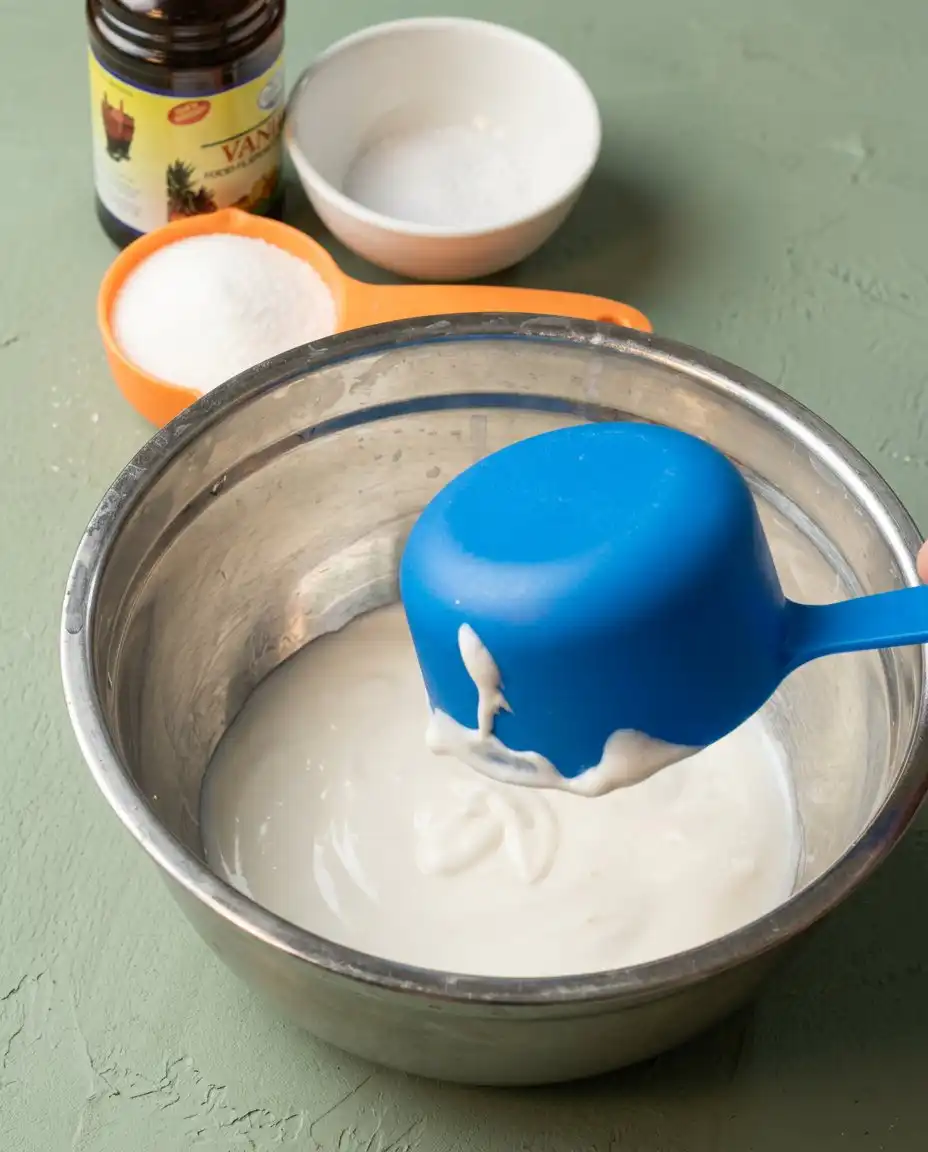
Gathering these staples ensures your tropical creation comes together without a frantic trip to the store. Most of these ingredients are already tucked away in your pantry or fridge, waiting for a little transformation. The combination of airy sponge and rich fruit ensures every slice is balanced.
- Large Eggs: These are the engine of your sponge cake, providing all the lift and structure needed for a cloud-like texture.
- Alphonso Mango: Known for its deep orange hue and floral sweetness, this variety creates the most flavorful filling and drip.
- Heavy Whipping Cream: High fat content is essential here to ensure the frosting holds its shape against the juicy mango chunks.
- Corn Starch: Adding a small amount to your flour mixture ensures the crumb remains incredibly tender and prevents a rubbery finish.
- White Chocolate: This acts as a stabilizer for the mango puree drip, giving it a professional sheen and a creamy mouthfeel.
- Gelatin: A tiny amount goes a long way in making sure your decorations and drips stay exactly where you want them.
| Ingredient | Why It Matters |
|---|---|
| Large Eggs | Provide the structure and lift for the airy sponge. |
| Corn Starch | Ensures the crumb remains tender and silky. |
| Alphonso Mango | Offers a deep, floral sweetness and intense color. |
| Gelatin | Stabilizes the drip so it stays perfectly placed. |
| White Chocolate | Adds a creamy richness to the golden mango glaze. |
| Heavy Cream | Creates a light, airy frosting that balances the fruit. |
From Bowl to Spoon
Step 1: Prep the Pan and Oven
Begin by preheating your oven to 350 degrees F and preparing your 9-inch springform pan. Line only the base with a parchment paper circle to ensure the cake releases cleanly after baking. Avoid greasing the sides of the pan, as the sponge needs to grip the metal to climb and reach its full height. You will notice the parchment creates a smooth foundation that prevents the delicate base from sticking or tearing.
Step 2: Whisk the Eggs for Volume
Crack four large, room-temperature eggs into your mixing bowl and add the hot water. Use the whisk attachment of your stand mixer to beat the eggs on high speed for exactly one minute until they are foamy and pale. This initial burst of air is the secret to a sponge that never feels heavy or dense. The mixture should look like frothy sea foam before you proceed to the next addition.
Step 3: Reach the Thick Ribbon Stage
Gradually stream in the sugar and vanilla while continuing to whisk at maximum speed for eight to twelve minutes. This process is finished when the batter reaches the ribbon stage, meaning it falls from the whisk in a thick, trailing line that sits on the surface for several seconds. If the batter disappears instantly, keep whisking until it holds its shape. This stage is where the magic of the light texture truly begins.
Step 4: Fold in the Dry Ingredients
Sift the flour, corn starch, and baking powder together and fold them into the egg mixture in three separate batches. Use a large metal spoon or a silicone spatula to gently cut through the center and scrape the bottom of the bowl. Be careful not to deflate the air you spent ten minutes building, as the batter should remain voluminous and light. You will see small streaks of flour disappear into the golden batter with every gentle turn.
Step 5: Bake the Mango Drip Cake to Perfection
Transfer the batter into your prepared pan and slide it into the center of the oven for 25 to 30 minutes. The surface of the Mango Drip Cake should feel soft and spring back like a sponge when touched lightly with your palm. It will smell like sweet vanilla and toasted sugar as it nears completion. Avoid opening the oven door too early, as the sudden temperature drop can cause the delicate center to sink.
Step 6: Cool and Slice the Layers
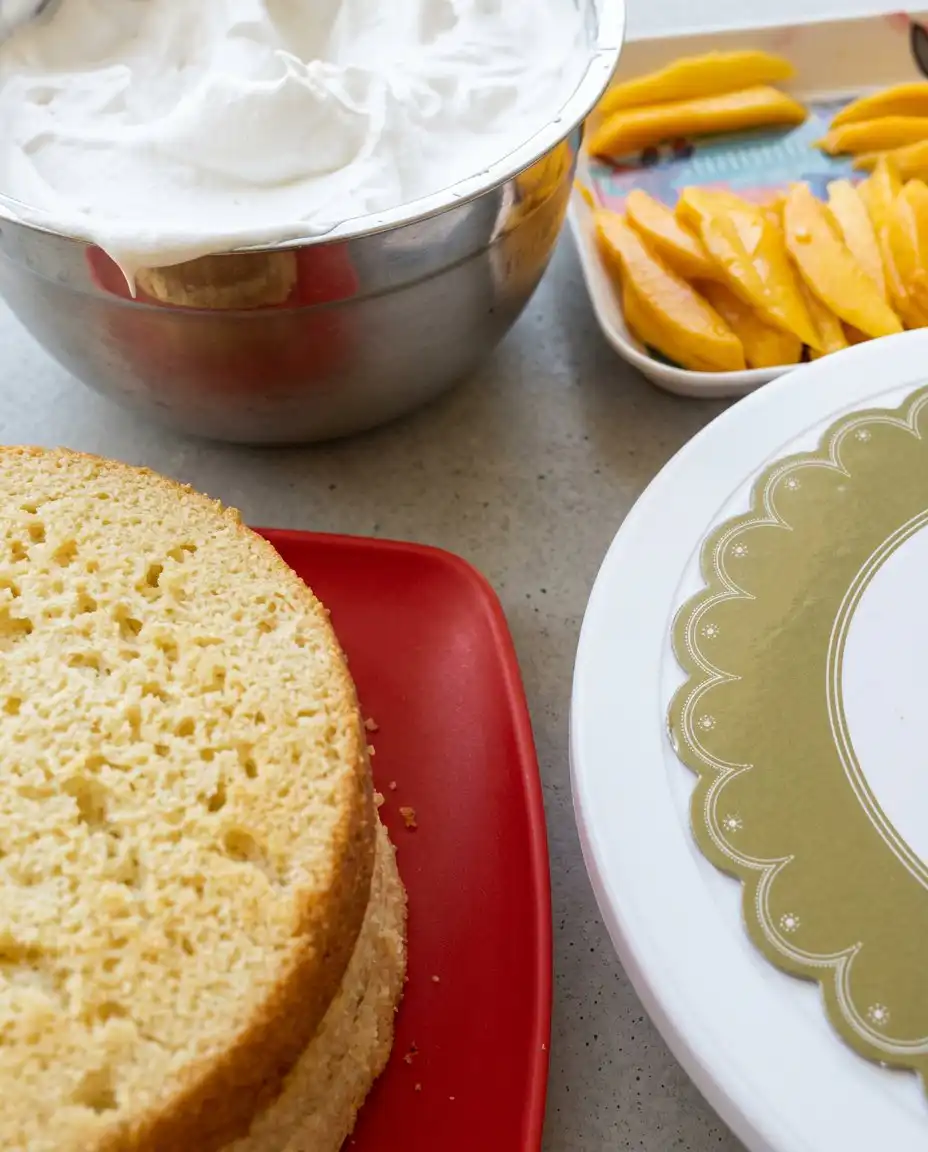
Allow the cake to cool for a few minutes in the pan before running a thin spatula around the edges to loosen it. Invert the sponge onto a wire rack and remove the parchment paper once it is completely cold to the touch. Use a long, sharp knife to saw horizontally through the cake, creating three even layers. Marking the edges first with a small knife helps keep your cuts level and professional.
Step 7: Whip the Cream Frosting
Place your mixing bowl and whisk in the freezer for fifteen minutes before adding the chilled heavy cream. Whisk until soft peaks form, then add the powdered sugar and vanilla to finish the frosting. Stop the mixer the moment the cream holds a stiff peak to avoid overworking it into butter. The frosting should look glossy and smooth, ready to hold the weight of the fresh fruit layers.
Step 8: Prepare the Golden Mango Drip
Heat a small amount of mango puree over a water bath and dissolve the gelatin into the warm liquid. Stir in the white chocolate pieces until they melt completely, creating a thick and lustrous glaze. This mixture needs to cool slightly so it becomes viscous enough to crawl slowly down the sides of the cake. When it reaches the consistency of heavy syrup, transfer it to a squeezable bottle for the final assembly.
Step 9: Assemble the Fruit and Cream
Place your bottom layer on a cake stand and spread a thin layer of pure mango puree across the surface. Top this with a generous amount of whipped cream folded with fresh mango chunks, smoothing it to the edges. Repeat this process for the second layer, ensuring the fruit is evenly distributed for a consistent bite. The height of the cake will begin to look impressive as the cream stabilizes the fruit.
Step 10: Drip and Decorate
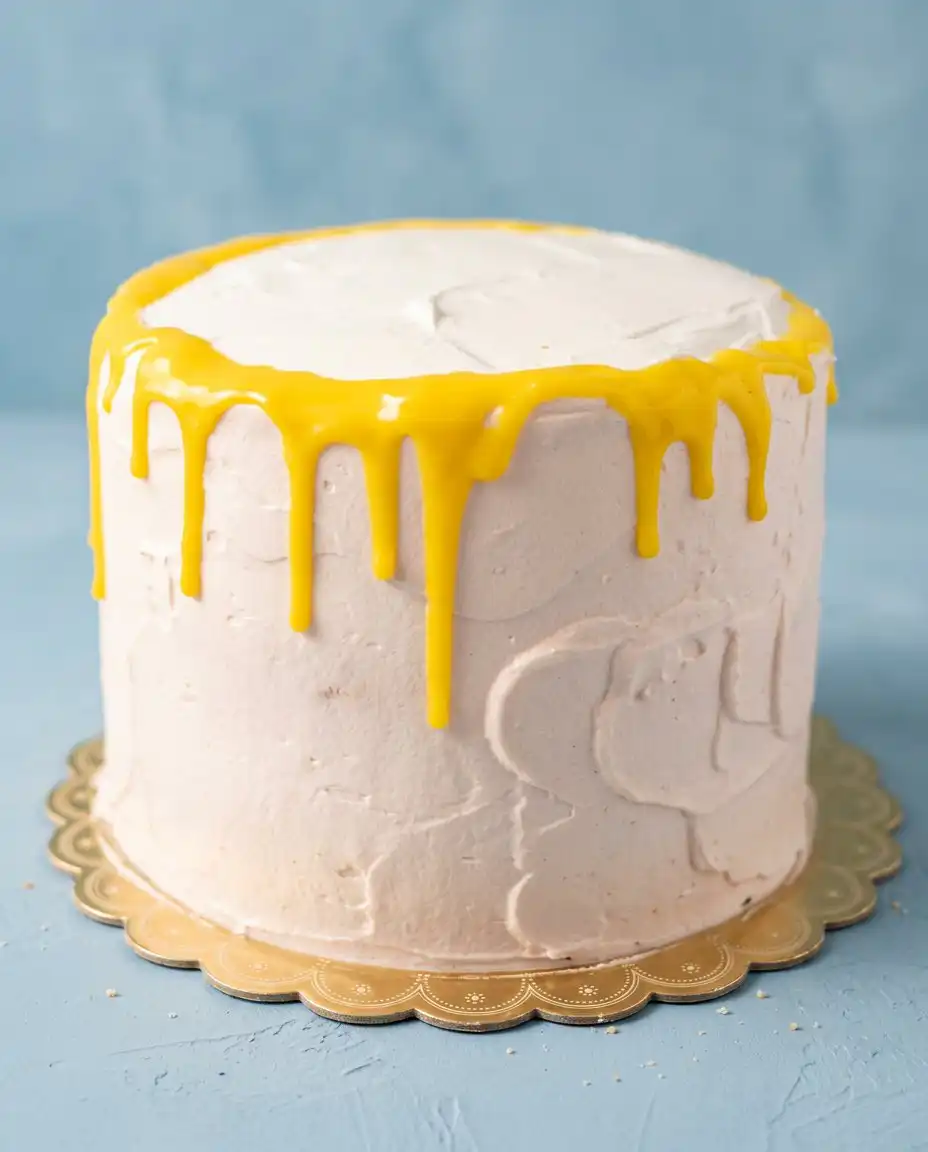
Spread a final layer of plain whipped cream over the top and sides, smoothing it with an offset spatula for a clean finish. Hold your squeezable bottle at the top edge and gently push the mango glaze over the side to create random, beautiful drips. Pipe small puffs of cream around the top perimeter and nestle a fresh mango ball into each one. The contrast of the golden drips against the white cream creates an instant centerpiece.
Easy-Baker Texture Tricks
Always use room-temperature eggs when making a sponge to ensure you capture the maximum amount of air during the whisking process. Cold eggs will not expand nearly as much, leading to a flatter and denser cake that lacks the characteristic bounce. If you forgot to take them out of the fridge, place them in a bowl of warm water for five minutes.
If your whipped cream starts to look grainy or separated, add a tablespoon of liquid heavy cream and whisk it gently by hand. This often pulls the fats back together and restores the smooth, silky texture required for a professional look. You can learn more about managing textures in our guide for a peach cake brown sugar frosting which requires similar attention to detail.
For the best drip results, make sure your cake is thoroughly chilled before you apply the mango glaze. A cold surface helps the glaze set quickly, preventing the drips from running all the way to the bottom of the stand and pooling. Test one small drip on the back of the cake first to see if the consistency is correct.
To get perfectly round mango balls, use a melon baller and press it firmly into the fruit before rotating it in a full circle. Choose mangoes that are ripe but still slightly firm so they hold their shape when placed on top of the cream puffs. Soft, overripe mangoes are better suited for the internal puree and filling layers.
If the sponge cake fails to rise, it is usually because the dry ingredients were folded in too vigorously or the eggs were not whisked long enough. Ensure you see those thick ribbons in the batter before stopping the mixer to guarantee a successful bake. Check this reference for fruit-based cakes to see how different fruit moisture levels can affect your batter consistency.
Always sift your flour and corn starch at least twice to remove any tiny clumps that could weigh down the batter. This extra minute of effort results in a much more uniform crumb that feels like silk on the tongue. It is a small step that makes a massive difference in the final mouthfeel of the dessert.
Frequently Asked Questions
What is drip cake made of?
A drip cake usually consists of a stable base cake, like a sponge or butter cake, covered in a smooth frosting such as whipped cream or buttercream. The signature drip is made from a ganache or a thickened fruit puree, often stabilized with gelatin or chocolate. This combination provides a beautiful visual contrast between the clean sides and the flowing glaze.
How to bake a drip cake?
Baking a drip cake starts with creating a sturdy but light sponge that can handle multiple layers of filling. You must bake the cake in a high-sided pan and allow it to cool completely before slicing it into even rounds. The key is ensuring the cake is level so the glaze drips evenly down all sides during the final decoration stage.
How to make a mango cake?
Making a mango cake involves incorporating fresh fruit into both the filling and the decoration to maximize the tropical flavor. You begin with a vanilla or citrus sponge and layer it with a mixture of whipped cream and fresh mango chunks. A final coating of cream provides a canvas for a vibrant mango glaze made from reduced fruit puree.
What kind of mango is best for cake?
Alphonso mangoes are widely considered the best choice for baking due to their intense sweetness and lack of fibrous texture. They provide a smooth puree and a bright orange color that makes the cake look professionally made. If you cannot find Alphonso, honey mangoes or Kent mangoes are excellent substitutes that still offer great flavor.
Can I use frozen mango chunks for the filling?
Yes, frozen mango chunks work perfectly for the filling and the puree as long as they are fully thawed and drained of excess moisture. Pat the chunks dry with a paper towel before folding them into the whipped cream to prevent the frosting from becoming runny. For the top decorations, fresh mango is still recommended for the best visual appeal.
How do I stop the whipped cream from melting?
To prevent whipped cream from melting, ensure your cake layers are completely cold before you begin the assembly process. You can also add a stabilizer like mascarpone, cream cheese, or a specialized whip-fix powder to the cream while beating it. Keeping the finished cake refrigerated until the moment of serving is the best way to maintain its structure.
Fast Flavor Swaps
For a tropical twist that pairs beautifully with the fruit, try substituting half of the heavy cream with chilled mascarpone cheese. This creates a much more stable and tangy frosting that stands up well to warmer weather. You can also sprinkle toasted coconut flakes between the layers for an added crunch that contrasts the soft sponge, similar to the textures found in our fresh peach cake recipe on the site.
If you prefer a citrus kick, add the zest of two limes to the cake batter and a squeeze of lime juice to the mango puree. The acidity cuts through the sweetness of the Alphonso mango and brightens the overall flavor profile of the dessert. This variation is particularly refreshing during the peak of summer when you want something that feels light and zingy.
For a boozy adult version, soak the sponge layers in a light syrup made from sugar, water, and a splash of dark rum. This adds a deep warmth to the cake that complements the tropical fruit and makes the dessert feel even more indulgent. Just a small amount of syrup is needed to keep the layers moist without making them soggy or structuraly unsound.
Quick Serving Ideas
This tropical treat is best served chilled, allowing the whipped cream and mango layers to firm up for clean, beautiful slices. Use a long, thin knife dipped in hot water and wiped dry between each cut to ensure the cream layers remain distinct and sharp. Placing each wedge on a chilled white plate allows the golden mango drip to stand out as the star of the show.
For an extra touch of indulgence, serve each slice with a small side of extra mango puree or a few sprigs of fresh mint. The mint adds a pop of color and a refreshing aroma that balances the rich white chocolate in the drip. If you are hosting a larger party, you might consider pairing this with a classic two layer yellow cake chocolate frosting to provide guests with both fruity and chocolate options.
A light, sparkling Moscato or a cold glass of jasmine tea makes an excellent beverage pairing for this dessert. The floral notes in the tea or wine echo the natural fragrance of the Alphonso mango without overwhelming the palate. Serving this cake at a mid-afternoon garden party or as a refreshing finish to a heavy dinner ensures your guests leave on a bright, sweet note.
The Weeknight Wrap-Up
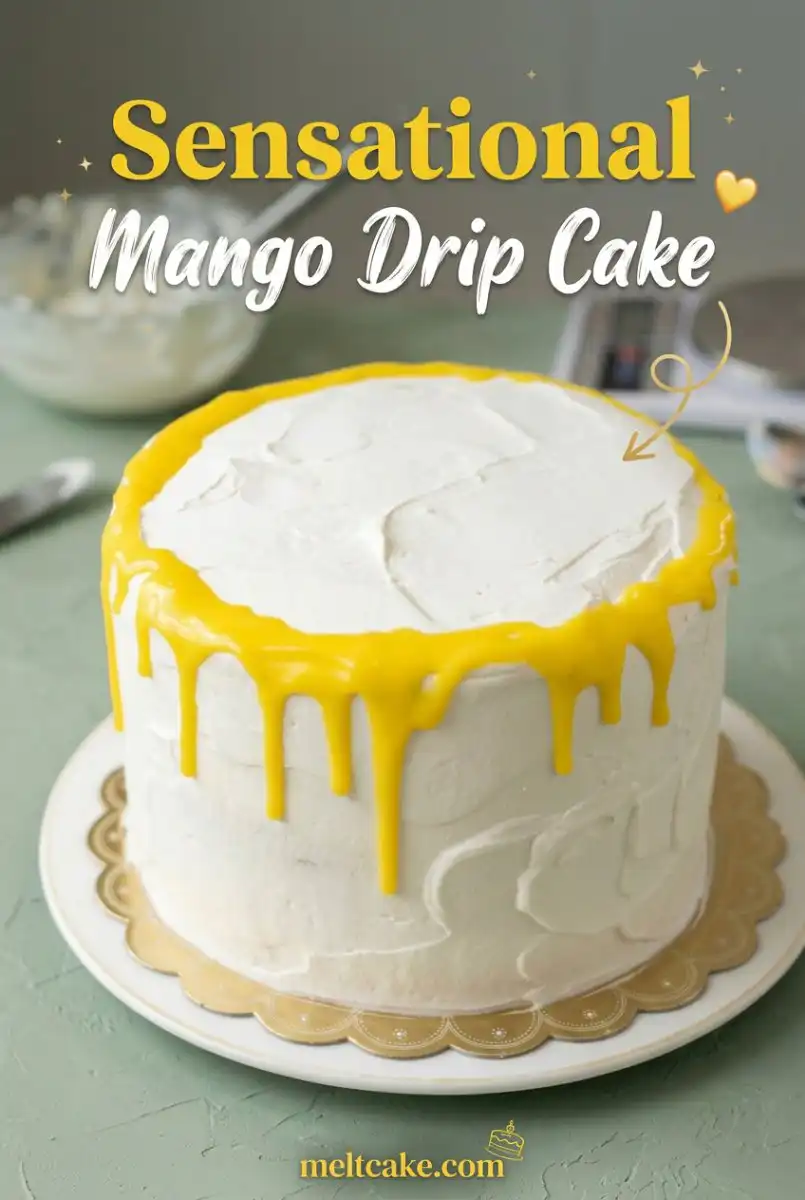
Creating a masterpiece like this Mango Drip Cake proves that you don’t need a whole day to produce a stunning dessert. By focusing on the texture of the sponge and the simple magic of a fruit-based glaze, you can turn a regular Tuesday into a celebration. This cake is quick on the clock but slow on the spoon, inviting everyone to savor the tropical layers and the airy whipped cream.
If you enjoyed this method of layering fruit and cream, you should check out our two layer watercolor buttercream cake for more decoration inspiration. We love seeing how these recipes come to life in your kitchens, so please share your results with us. Happy baking and enjoy the luscious taste of summer in every bite.
Follow us for more shortcut-friendly treats on Pinterest, Facebook, and TikTok.