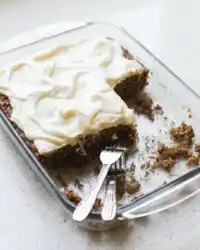
At the late afternoon table, a quiet hum of conversation blends with the dark scent of Turkish coffee, while a golden cake waits patiently at the very center of our gathering.

This Mango Butter Cake offers a texture that is wonderfully tender and melting, carrying the true warmth of the sun in every single crumb. When you slide a fork through its rich, golden sponge, you find a crumb that is dense yet feels remarkably light as it rests on your tongue. We do not rush this bake; instead, we let the butter and sweet fruit meld together in their own time. It is a slow, beautiful dance of tropical sweetness and rich pastry tradition.
Why This Mango Butter Cake Melts the Way It Does
Prep: 15 min · Serves: 12 · Difficulty: Easy
- Tender crumbs melt slowly on the tongue.
- Fragrant mango slices add sweet, moist layers.
- Rich creamed butter creates a golden sponge.
- Delightful balance remains sweet, never cloying.
- Patience during the rest yields deeper flavor.
If you cherish the deep, nostalgic comfort of a classic vanilla butter cake, you will find that this tropical variation brings that same rich crumb to a new, sun-soaked level.
This is the cake that teaches us how beautiful waiting can be.
Get The Full Cake Recipe
Print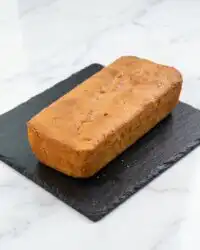
Mango Butter Cake
- Total Time: 1 hour 10 mins
- Yield: 12 servings
Description
This Mango Butter Cake is a tender, golden-crusted loaf featuring layers of fresh mango slices that melt into the sponge. It offers a perfect balance of tropical fruit sweetness and rich, traditional butter cake texture, making it an ideal companion for afternoon coffee.
Ingredients
- Softened unsalted butter
- Granulated sugar
- Large eggs, room temperature
- All-purpose flour
- Baking powder
- Salt
- Whole milk
- Fresh mango, peeled and thinly sliced
Instructions
- Prepare the oven. Preheat the oven to 350 F (180 C) and line a small loaf pan with parchment paper.
- Slice the mango. Peel the mango and cut the flesh into thin slices about one-quarter of an inch thick.
- Cream butter and sugar. Beat the softened butter and granulated sugar in a stand mixer on high speed until pale, light, and fluffy, scraping down the bowl as needed.
- Add wet ingredients. Reduce the mixer to medium speed and gradually add the eggs, then slowly pour in the milk until the batter is smooth.
- Fold in flour. Sift the flour, baking powder, and salt together, then add to the batter in small batches on low speed, finishing by folding by hand with a spatula.
- Layer the batter. Spread one-third of the batter into the loaf pan, arrange mango slices on top, and repeat the layering process ending with fruit on top.
- Bake the cake. Bake on the middle rack for 50 to 55 minutes until deep golden brown and a tester comes out clean.
- Cool and rest. Cool in the pan for ten minutes, remove to a wire rack, and let it rest completely before wrapping and waiting 24 hours to slice.
Notes
- Bring all refrigerated ingredients to room temperature to ensure the batter emulsifies perfectly.
- Use firm, ripe mangoes rather than overripe ones to prevent soggy patches in the cake.
- Always scrape the sides of your mixing bowl thoroughly during the creaming process for an even texture.
- Resting the finished cake for a full day allows the moisture and butter to distribute evenly for the best crumb.
- Tent the loaf with foil halfway through baking if the fruit on top begins to brown too quickly.
- Prep Time: 15 mins
- Cook Time: 55 mins
- Category: Dessert
- Method: Baking
- Cuisine: Mediterranean-inspired
From the Mediterranean Pantry
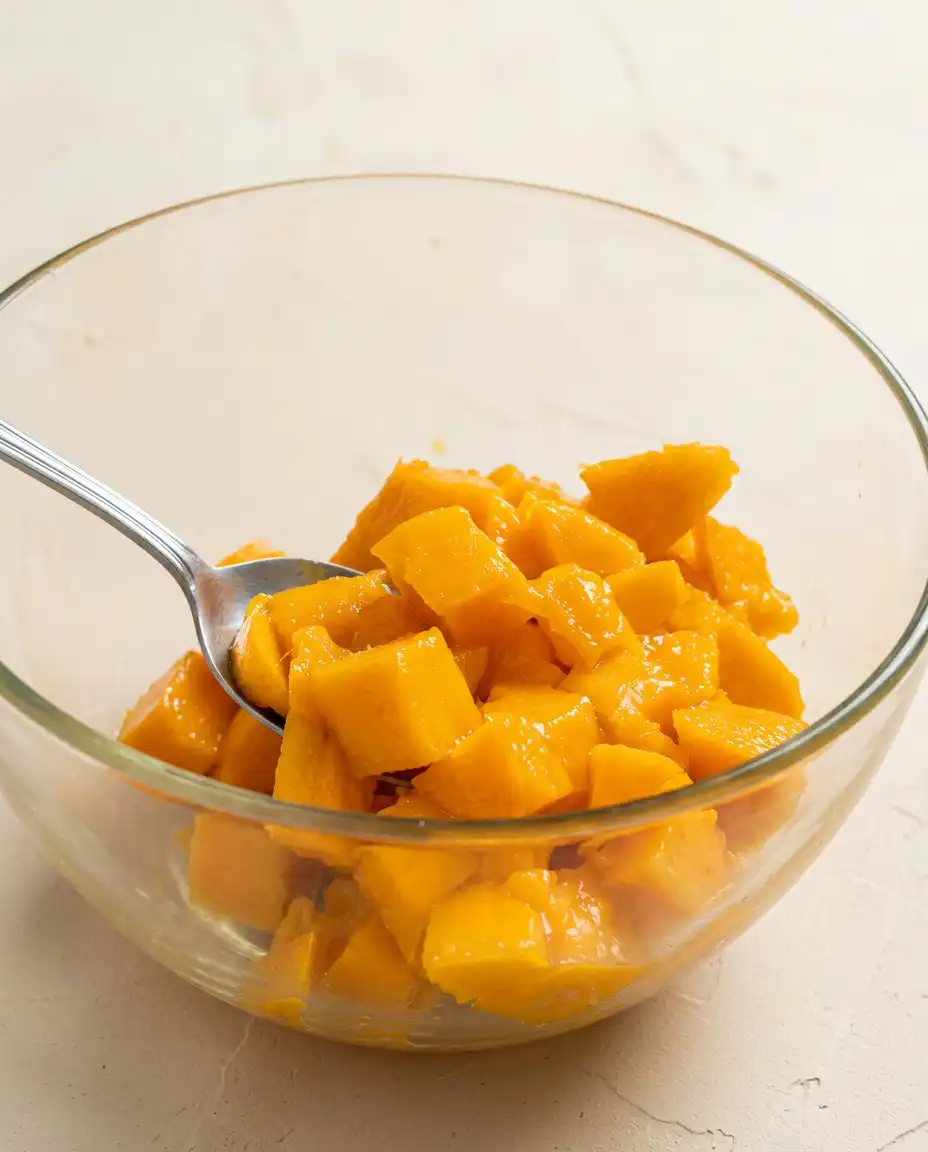
To bake this cake, we gather simple, honest ingredients from our pantry. Each element must be kept at room temperature to make sure they combine into a smooth, emulsified batter without separating. Sifting the dry ingredients carefully is the key to maintaining a light, delicate feel in the final loaf.
- Softened Butter: We use unsalted butter, softened until it yields to a gentle finger press, providing the rich, melting base.
- Fresh Mango: Peeled and sliced thinly, the sweet fruit sinks into the batter, offering moist pockets of tropical warmth.
- Large Eggs: Kept at room temperature so they blend smoothly into the creamed butter without causing it to curdle.
- All-Purpose Flour: This forms the tender structure of our crumb, sifted gently to keep the loaf light.
- Whole Milk: A small splash adds necessary moisture, helping the crumb remain soft rather than dense.
- Granulated Sugar: This sweetens the crumb and helps cream the butter into a fluffy, pale cloud.
| Ingredient | Why It Matters |
|---|---|
| Softened Butter | Creams with sugar to build an airy, melting crumb structure |
| Fresh Mango | Infuses the sponge with moist fruit juices and tropical sweetness |
| Large Eggs | Bind the flour and butter while providing rich rise and structure |
| Whole Milk | Softens the dry flour to keep the crumb tender and light |
The Method, Step by Step
Step 1: Prepare the Oven and Pan
Begin by heating your conventional oven to 350 F (180 C), making sure the heat comes gently from the bottom. Line a small loaf pan with parchment paper, smoothing the corners so the batter will release effortlessly. Slicing the parchment with sharp kitchen shears allows it to lie flat, preventing any wrinkles in your finished loaf.
Step 2: Slice the Sweet Mango
Peel your mango with a sharp knife, working close to the large flat stone at the center. Cut the sweet, orange flesh into thin slices, about one-quarter of an inch thick. You will notice the rich, tropical perfume of the fruit filling your kitchen as you work, promising a deep flavor in the final bake.
Step 3: Cream the Butter and Sugar
Place your softened butter and granulated sugar in the bowl of your stand mixer fitted with the whisk attachment. Beat on high speed until the mixture turns pale, light, and wonderfully fluffy. This process takes several minutes, and stopping to scrape down the sides of the bowl is essential to prevent a hard, dense crumb.
Step 4: Layering the Mango Butter Cake Batter
Lower your mixer to medium speed and gradually add your beaten eggs, pouring in a small stream about one-quarter at a time. Slow down to let each addition fully combine before pouring the next, preventing the emulsion from breaking. Once the eggs are absorbed, pour the milk in slowly, watching the batter become smooth and fragrant.
Step 5: Fold the Flour Mixture Gently
Sift your flour, baking powder, and salt together, then add this dry mixture to your wet batter in small batches on low speed. Stop the mixer while some flour is still visible and use a soft rubber spatula to gently fold the rest by hand. Swipe down and fold over with a calm, unhurried motion so you do not overmix the batter.
Step 6: Pour the Layers in the Pan
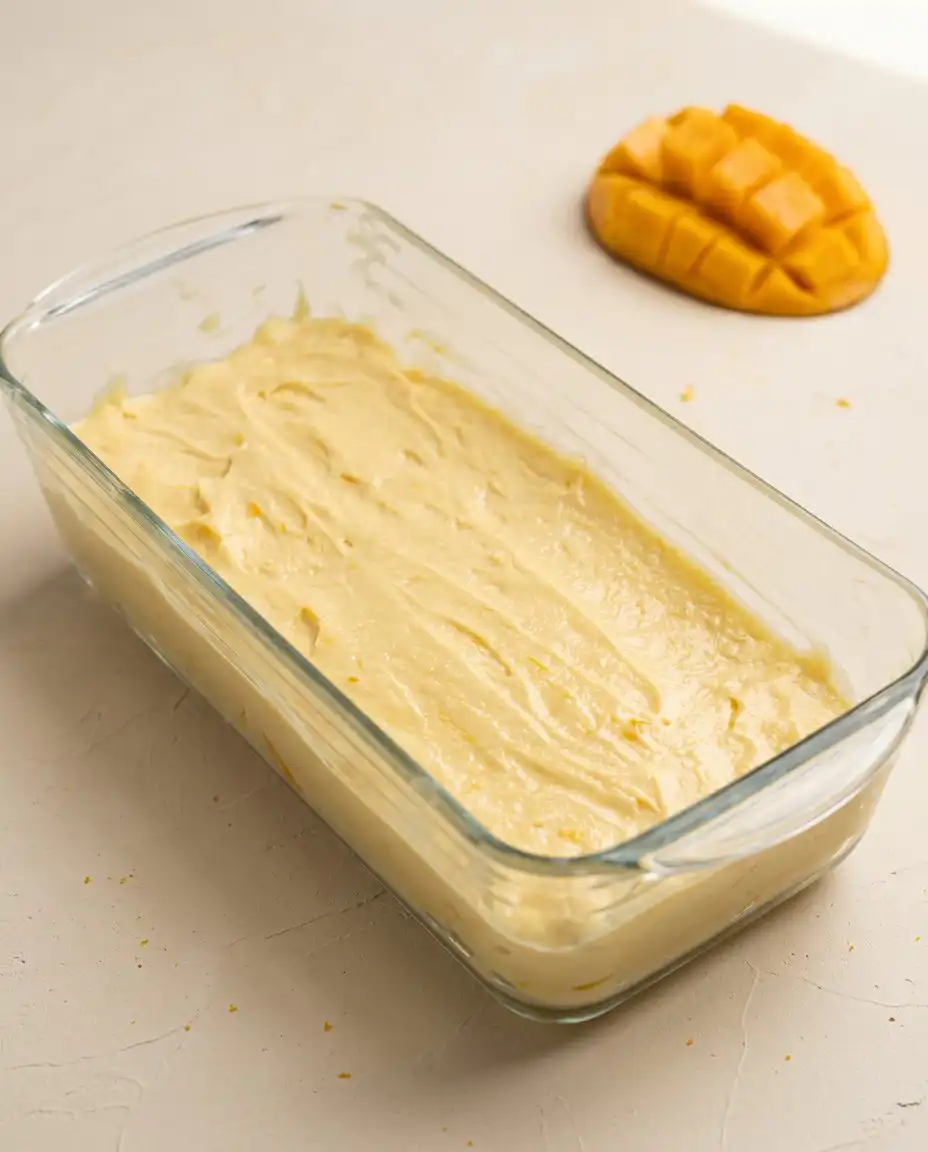
Pour one-third of your thick, glossy batter into the bottom of the prepared loaf pan and smooth it with your spatula. Arrange a few thin mango slices on top, then cover them with another third of the batter. Repeat this process, finishing with the remaining batter and a beautiful fan of mango slices on the very top.
Step 7: Bake to Golden Perfection
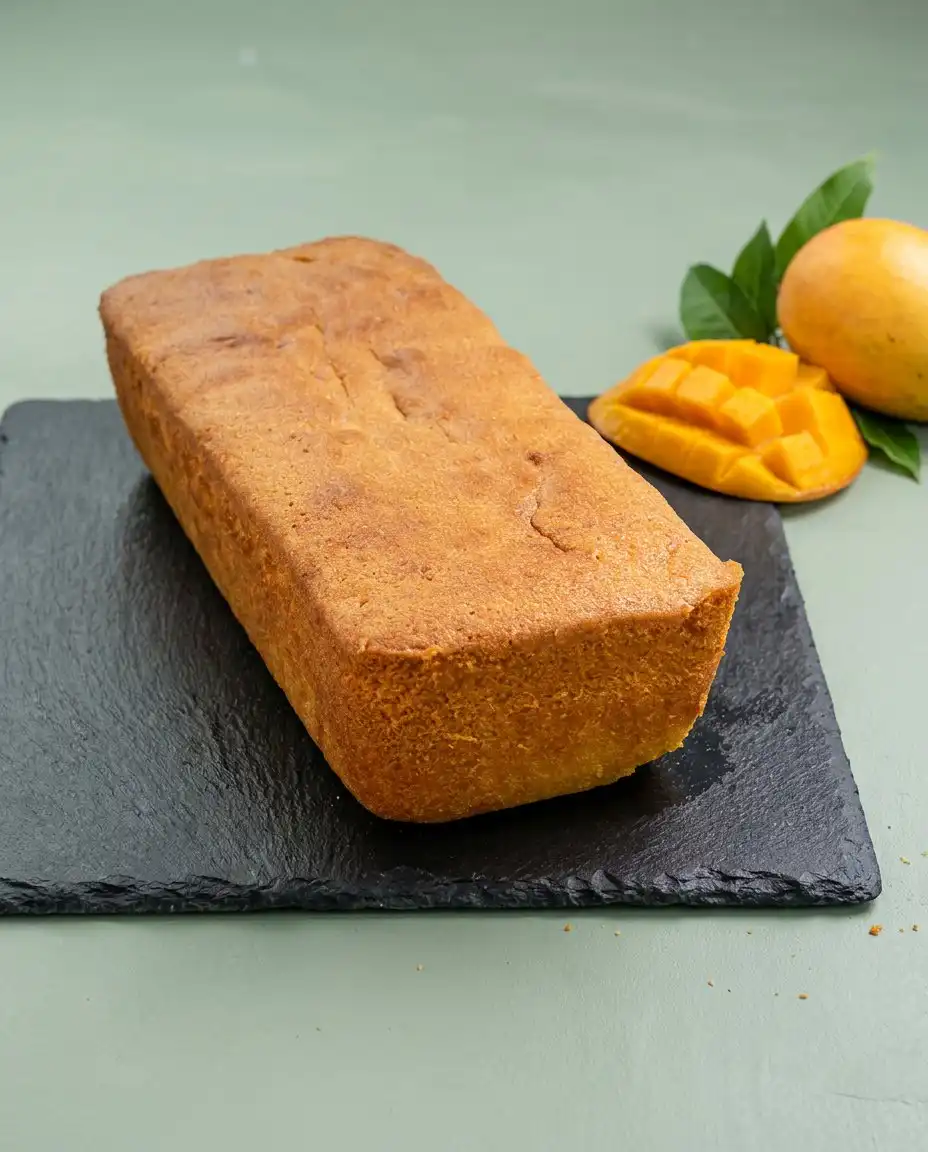
Slide the pan onto the middle rack of your preheated oven and let it bake undisturbed for 50 to 55 minutes. You will know it is done when the top is a deep golden brown and a tester inserted into the center comes out clean. The sweet scent of caramelized butter and warm fruit will fill your home during the final minutes.
Step 8: Cool and Wrap for the Rest
Let the hot pan rest on a wire rack for ten minutes, allowing the structure to firm up slightly. Carefully loosen the sides of the cake and slide it out onto the rack to cool completely. Once cold, wrap the loaf tightly in cling wrap and wait twenty-four hours before slicing, allowing the rich butter to distribute evenly.
Getting the Texture Right
Temperature is everything when you are working with rich fats. If your eggs or milk are cold from the refrigerator, they will cause the creamed butter to seize and curdle. To fix this, place cold eggs in a bowl of warm water for ten minutes before you begin cracking them.
For a crumb that feels like velvet, you must master the creaming stage. Unlike a dense, heavy lemon pound cake, this tropical loaf relies on thousands of microscopic air pockets beaten into the fat. Spend a full five to seven minutes on this step, observing the mixture turn from yellow to a pale, ivory cream.
If your cake turns out dense and greasy at the bottom, your batter likely broke during the egg addition. Adding the eggs too fast causes the fat and liquid to separate, leading to a heavy layer at the base of the pan. Correct this by adding a single tablespoon of your measured flour to the butter if you see it start to curdle.
Selecting the right fruit is crucial for the moisture balance of the sponge. A mango that is overripe will release too much water, causing soggy pockets that collapse during the bake. Choose a fruit that is fragrant and ripe but still firm to the touch, holding its shape when sliced.
We must also consider the mixing technique. Using the traditional whole-egg mixing method helps stabilize the structure of the batter, making sure that the fruit does not sink straight to the bottom of the pan. Hand-folding the final flour additions is the safest way to preserve those precious air bubbles.
The position of your oven rack can change the way the heat rises around the loaf. If your oven has a strong top element, the top mangoes might scorch before the center of the cake is fully baked. Placing a sheet of aluminum foil loosely over the top after thirty minutes protects the delicate fruit from burning.
Frequently Asked Questions
Can I use frozen mango for this recipe?
While fresh fruit is always preferred for its firm texture, you can use frozen mango slices if you thaw them completely first. Be sure to pat them dry with a clean paper towel to remove any excess water. Too much moisture will make the batter around the fruit soggy.
Why did my mango slices sink to the bottom of the cake?
If the mango slices are too thick or heavy, they will slip through the batter during the bake. Slicing the fruit into thin, delicate pieces helps them float within the cake layers. Additionally, make sure your batter is thick and properly creamed to support the weight of the fruit.
Can I make this cake gluten-free?
You can substitute the all-purpose flour with a high-quality gluten-free baking blend that contains xanthan gum. Keep in mind that gluten-free flour absorbs moisture differently, so you might need to add a tablespoon of milk if the batter feels too stiff. The texture will still be soft, though slightly less springy.
How should I store the leftovers?
This cake keeps beautifully at room temperature when wrapped tightly in plastic wrap for up to three days. For longer storage, keep it in an airtight container in the refrigerator for up to a week. Bring the slices back to room temperature before serving to allow the butter to soften and melt.
Why did my butter cake turn out dry?
Overbaking is the most common cause of a dry crumb. Start checking your cake at the fifty-minute mark, and remove it from the oven as soon as a tester comes out clean. Overmixing the flour can also develop too much gluten, which leads to a tough, dry texture.
Can I freeze this loaf for later?
Yes, you can freeze the entire baked loaf or individual slices wrapped in plastic wrap and a layer of aluminum foil. It will keep well in the freezer for up to two months. Thaw it overnight in the refrigerator, then let it sit on the counter to warm up before enjoying.
What can I use instead of whole milk?
You can easily use coconut milk or any unsweetened plant-based milk as a direct substitute. Coconut milk pairs exceptionally well with the tropical notes of the mango, adding a subtle richness. Avoid low-fat milks, as the fat content is key to keeping the crumb tender.
Flavor Swaps
For a warm, spiced variation, you can whisk a pinch of ground cardamom or nutmeg into the dry flour before mixing. This adds a subtle, exotic depth that pairs beautifully with the tropical sweetness of the mango. The aroma reminds me of spices lingering in a coastal market at dusk.
If you prefer a stone fruit flavor, you can swap the mango for fresh summer peaches. This variation yields a crumb that is remarkably soft and fragrant, much like our traditional peach cake. Simply slice the fruit to the same thickness and layer them patiently between the thick batter.
To introduce a nutty crunch, scatter a handful of sliced almonds or raw pistachios over the top layer of mangoes before baking. As the cake bakes, the nuts toast in the oven’s heat, creating a beautiful contrast with the melting crumb beneath. It offers a wonderful textural play that our family loves.
Coffee & Cake Pairings
We believe that the way you serve a cake is just as important as the way you bake it. This golden loaf deserves a slow afternoon, sliced into thick portions and set upon a wooden table as the sun begins to dip. The rich butter and sweet fruit pairs beautifully with a small cup of strong, unsweetened Turkish coffee or a fragrant black tea.
For an elegant presentation, you can dust the top lightly with powdered sugar or serve each slice with a dollop of unsweetened whipped cream. If you are hosting a summer gathering, a side of fresh berries or a splash of lime zest over the top brings out the tropical brightness. If you enjoy reading about fruit desserts, you might also enjoy our classic mango sponge cake story which celebrates this fruit.
Always remember to let the cake rest before you slide your knife through the golden crust. Slicing too early, while the loaf is still warm from the oven, can cause the delicate crumb to tear. A clean, sharp knife slipped through a rested cake will glide like butter, creating beautiful, smooth slices that show off the colorful layers of fruit.
Let It Rest, Then Slice
Patience is the secret that turns a simple bake into something truly memorable. By letting this loaf rest wrapped on your counter overnight, you allow the rich butter and sweet mango juices to fully meld together. When you finally cut into it the next day, the crumb will have achieved that melting, tender quality we always strive for.
I hope you find peace in the quiet process of creaming, layering, and waiting for this golden cake to rise. If you are looking for more inspiration on combining beautiful fruits with light, airy sponges, please read our mango drip cake guide story. Each recipe is a celebration of texture and slow, patient craftsmanship.
We would love to see how your golden loaf turned out at your own afternoon table. Share your baking moments with our community of pastry lovers and follow our journeys on Pinterest, Facebook, and TikTok. Let us keep the sweet traditions alive, one patient slice at a time.