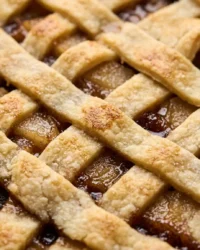
Precisely baking at 177°C for twenty-five minutes represents the exact pivot point between a dry, sandy disc and a cohesive, molten-centered sugar cookie structure.

To build a successful Funfetti Birthday Cookie Cake, we must balance flour hydration with butter fat to prevent structural collapse. This formula relies on cornstarch to disrupt gluten formation, yielding a tender crumb that holds its shape. When executed with precision, you obtain a crisp outer crust protecting a soft, butter-scented interior.
Why the Technique Works for This Funfetti Birthday Cookie Cake
Prep: 25 min · Serves: 12 · Difficulty: Medium
- Starch gelatinisation yields a tender, stable center crumb.
- Controlled fat levels prevent excess spread during baking.
- Thick borders provide a structurally sound baking frame.
- Creamed butter traps air for light, soft texture.
- Sugar recrystallization yields crisp, caramelized exterior edges.
This balance of structure and melt yields a satisfying texture in every slice of this cookie cake.
Get The Full Cake Recipe
Print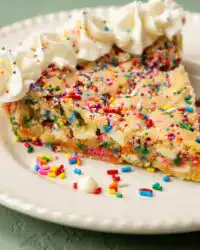
Funfetti Birthday Cookie Cake
- Total Time: 2 hours 25 mins
- Yield: 12 servings
- Diet: Vegetarian
Description
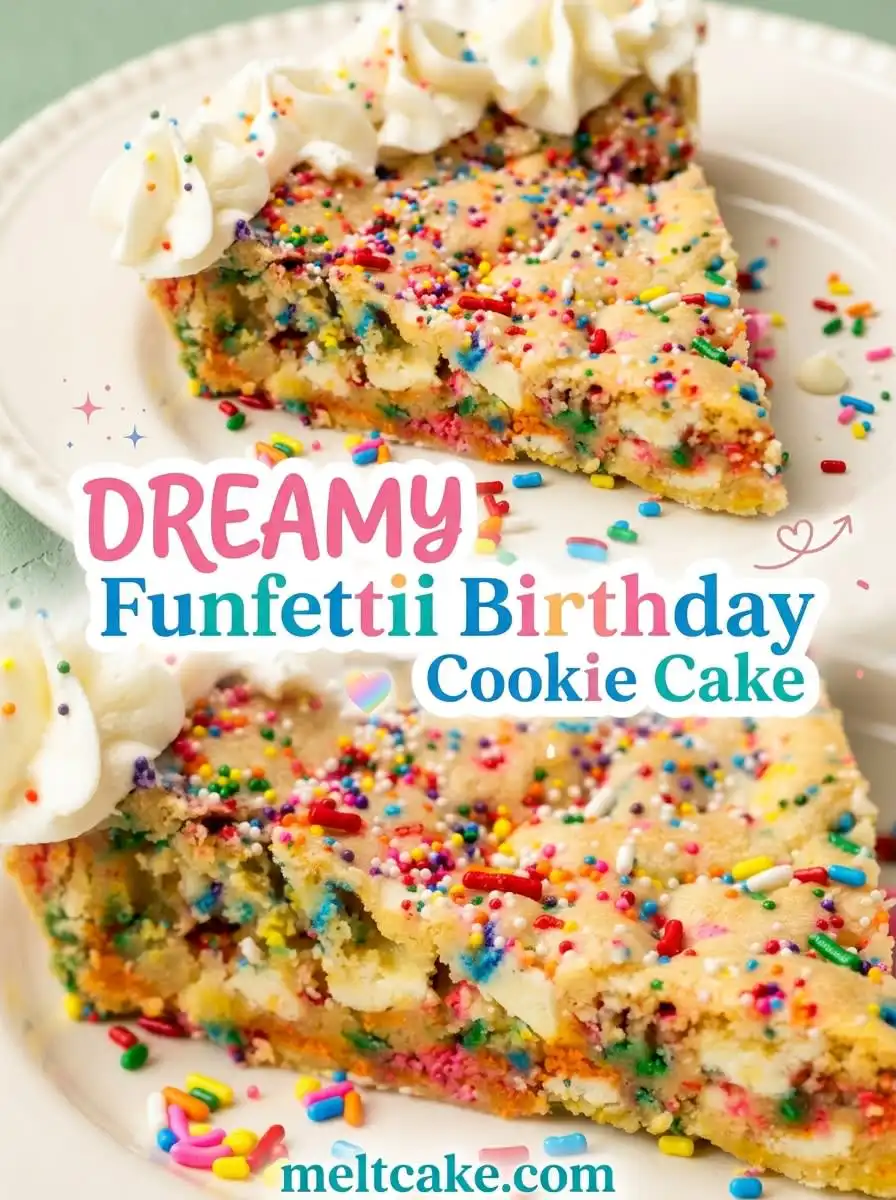
This indulgent Funfetti Birthday Cookie Cake features a perfectly crisp exterior with a soft, molten center. Enhanced with white chocolate and vibrant sprinkles, it is a masterclass in cookie chemistry designed for celebratory occasions.
Ingredients
- 188g All-purpose flour
- 113g Unsalted butter, softened
- 150g Granulated sugar
- 1.5 teaspoons Cornstarch
- 1 Large egg
- 1 Large egg yolk
- 2 teaspoons Pure vanilla extract
- 80g Rainbow sprinkle jimmies
- 120g White chocolate chips
- 113g Butter, softened (for frosting)
- 150g Confectioners’ sugar
- 1 tablespoon Cream
- 1 teaspoon Vanilla extract
- 1/4 teaspoon Almond extract
Instructions
- Calibrate and prepare. Preheat the oven to 177°C and lightly coat a 9-inch round pan with nonstick spray while weighing all ingredients.
- Cream butter mixture. Beat the softened butter until smooth, then add granulated sugar and whip for two minutes until light and aerated.
- Integrate wet ingredients. Add the egg, egg yolk, and vanilla extract, beating until a stable, smooth emulsion is achieved.
- Combine dry ingredients. Whisk flour, salt, baking powder, baking soda, and cornstarch together, then gradually mix into the butter base.
- Fold in inclusions. Gently fold in the white chocolate chips and rainbow sprinkles using a spatula to ensure even distribution without crushing them.
- Bake the cake. Press dough into the prepared pan and bake for 25 to 30 minutes until the edges are golden but the center remains slightly soft.
- Cool completely. Allow the cake to rest in the pan for ninety minutes so the structure can set and the starches can crystallize.
- Prepare the frosting. Cream butter until fluffy, then gradually beat in confectioners’ sugar, cream, and extracts until reaching a pipeable consistency.
- Pipe and finish. Fit a pastry bag with a star tip to pipe decorative swirls around the cooled cake and add extra sprinkles before slicing.
Notes
- Ensure your butter is at exactly 18-20°C before mixing to maintain the ideal aeration and final texture.
- Always use cylinder-shaped jimmies rather than round nonpareils to prevent the dyes from bleeding into your dough.
- Allow the completed dough to rest in the refrigerator for twenty minutes before baking to minimize excess spreading.
- Remove the cake from the oven while the center still jiggles slightly; residual heat will finish the cooking process perfectly.
- Use a digital kitchen scale for measuring flour to avoid packing, which can lead to a dry and crumbly end result.
- Prep Time: 25 mins
- Cook Time: 30 mins
- Category: Dessert
- Method: Baking
- Cuisine: American
Weighed & Ready
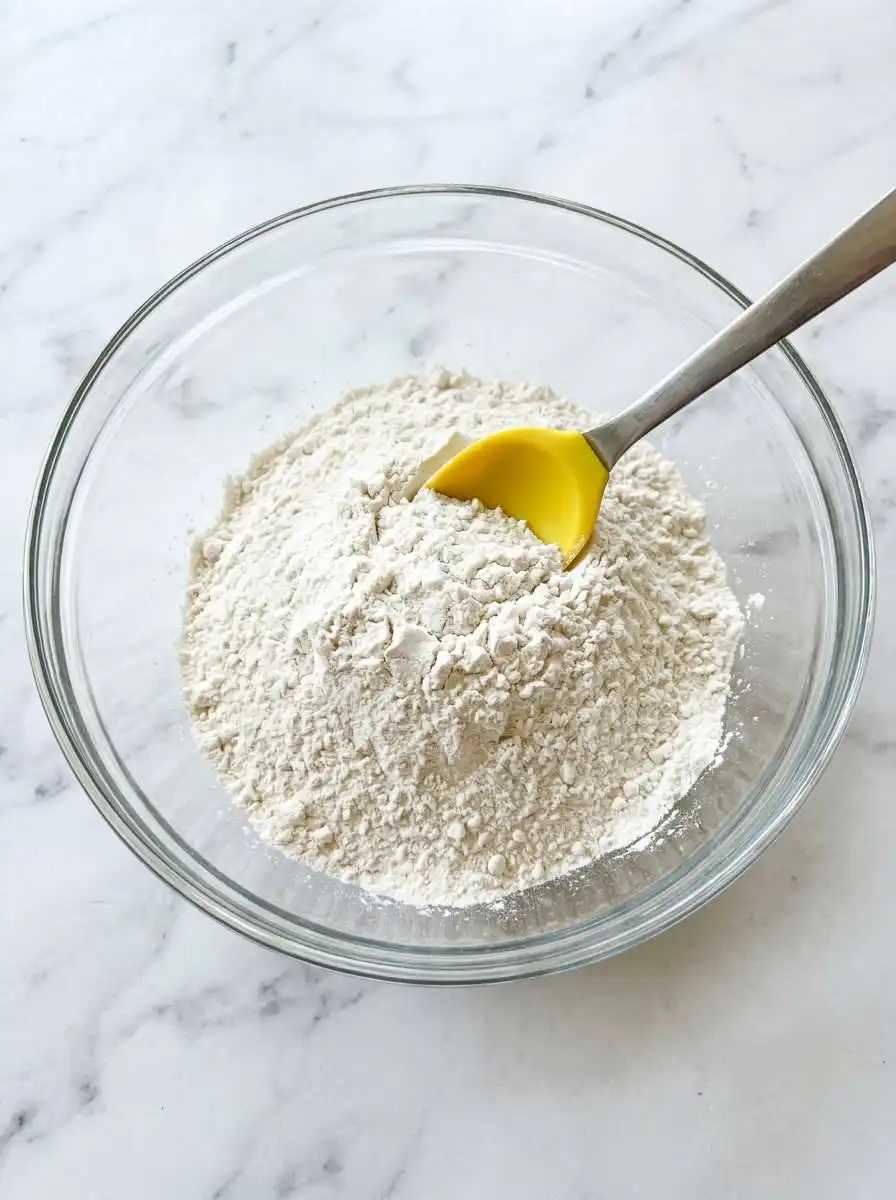
A successful bake depends on the chemical harmony of each raw component. We must measure every ingredient by weight to manage hydration and fat ratios. This careful approach establishes the foundation for a stable cookie structure that remains remarkably tender.
- All-Purpose Flour (188g): Serves as the structural skeleton of our dough. The protein levels establish a network that captures moisture without turning tough or leathery.
- Unsalted Butter (113g): Provides the fat content that coats flour proteins, limiting gluten development. Softening to 18°C permits correct air pocket expansion during the initial creaming phase.
- Granulated Sugar (150g): Sweetens while acting as a tenderizer by binding water. It delays starch gelatinisation, allowing the dough to expand correctly before setting in the heat.
- Cornstarch (1.5 teaspoons): Interferes with the flour’s gluten network to guarantee a delicate, melt-in-the-mouth texture. This addition mimics low-protein pastry flour for a soft interior.
- Egg and Egg Yolk: One whole egg provides structure through protein coagulation, while the extra yolk adds fat for a rich mouthfeel. Using room-temperature eggs prevents the creamed butter from curdling.
- Rainbow Sprinkles (80g): Adds the signature festive color without bleeding into the batter. Selecting cylinder-shaped jimmies rather than tiny round nonpareils prevents unwanted color bleeding.
- White Chocolate Chips (120g): Offers sweet pockets of fat that melt slightly, helping to hold the internal moisture after cooling.
| Ingredient | Why It Matters |
|---|---|
| All-Purpose Flour | Establishes the structural skeleton and regulates gluten density. |
| Unsalted Butter | Controls the expansion of air pockets and limits protein bonds. |
| Cornstarch | Softens the crumb structure by physically disrupting gluten links. |
| Egg Yolk | Enriches the crumb with emulsifiers for a buttery mouthfeel. |
| Rainbow Sprinkles | Supplies stable color pockets without bleeding into the base dough. |
The Method
Step 1: Calibrate Temperature and Prepare the Vessel
Preheat the oven to 177°C (350°F). Lightly coat a 9-inch round pan with nonstick release spray, creating a clean surface that prevents sticking. Weigh all ingredients on a digital scale to establish precise ratios before beginning the assembly.
Step 2: Cream the Butter and Sugar Emulsion
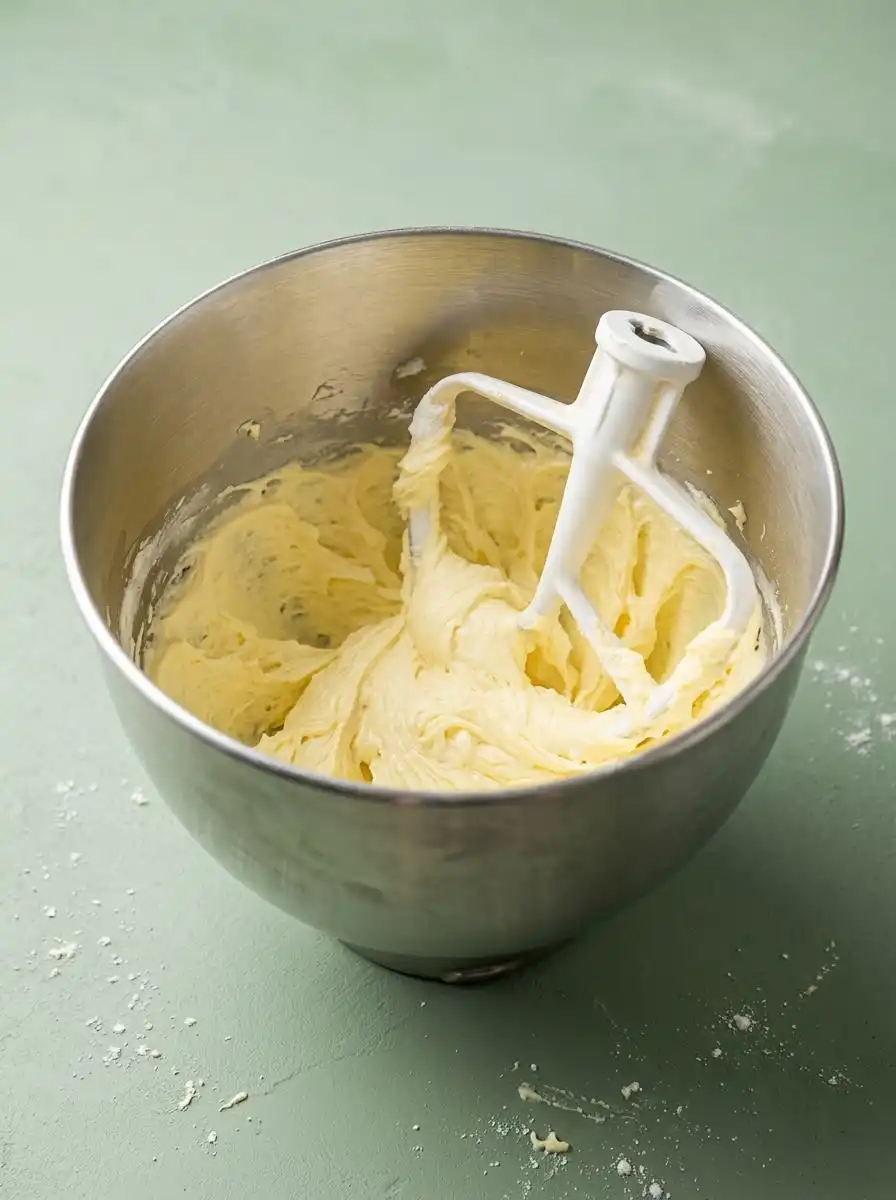
Place 113 grams of room-temperature unsalted butter in the bowl of a stand mixer. Run the paddle attachment on medium speed for sixty seconds until the fat becomes a smooth, pale mass. Introduce 150 grams of granulated sugar, beating on medium speed for two minutes until the mixture looks fluffy and aerated.
Step 3: Integrate the Eggs and Extract
Add one room-temperature egg, one egg yolk, and 2 teaspoons of pure vanilla extract to the creamed mixture. Beat on medium-low speed for forty-five seconds to establish a stable emulsion where fat and liquid bind smoothly. Scrape the sides of the bowl with a flexible spatula to prevent unmixed pockets of fat.
Step 4: Whisk and Combine the Dry Matrix
In a separate glass bowl, combine 188 grams of flour, salt, baking powder, baking soda, and cornstarch using a wire whisk. Set the mixer to low speed and slowly add these dry components to the butter mixture in three distinct additions. Stop mixing when the flour streaks disappear to avoid overworking the gluten network.
Step 5: Incorporate the Sweet Inclusions
Add 120 grams of white chocolate chips and 80 grams of rainbow sprinkles into the thick dough. Use a flexible silicone spatula to fold the inclusions gently, distributing them evenly without crushing the fragile starch pieces. This manual folding preserves the round shape of the sprinkles and prevents premature color bleeding.
Step 6: Press and Bake Your Funfetti Birthday Cookie Cake
Press the firm cookie dough evenly into the bottom of the prepared 9-inch pan, smoothing the surface with an offset palette knife. Bake at 177°C for exactly 25 to 30 minutes until the edges turn pale golden and pull slightly away from the sides. The center must remain soft and look underbaked, as carryover heat will finish setting the structure.
Step 7: Transfer the Hot Pan to a Wire Cooling Rack
Leave the baked pan undisturbed for ninety minutes to establish a structural skin. During this period, the starch molecules crystallize, and the middle portion will sink slightly, creating a dense, chewy center. Do not attempt to frost the surface while it remains warm, or the butter-based topping will melt.
Step 8: Whip the Buttercream Border
Beat 113 grams of softened butter on medium speed for two minutes until light and creamy. Sift 150 grams of confectioners’ sugar and gradually add it to the bowl along with cream, vanilla, and almond extract. Beat on high speed for 180 seconds until the frosting reaches a pipeable consistency with soft peaks.
Step 9: Load the Whipped Buttercream Into a Pastry Piping Bag
Fit the piping bag with a star tip and fill it with your prepared frosting. Pipe decorative swirls around the cooled perimeter of the cake, adding a final scatter of colorful sprinkles for contrast. Cut the cake with a long, heated chef’s knife to yield clean, distinct slices.
Pastry Bench Tips
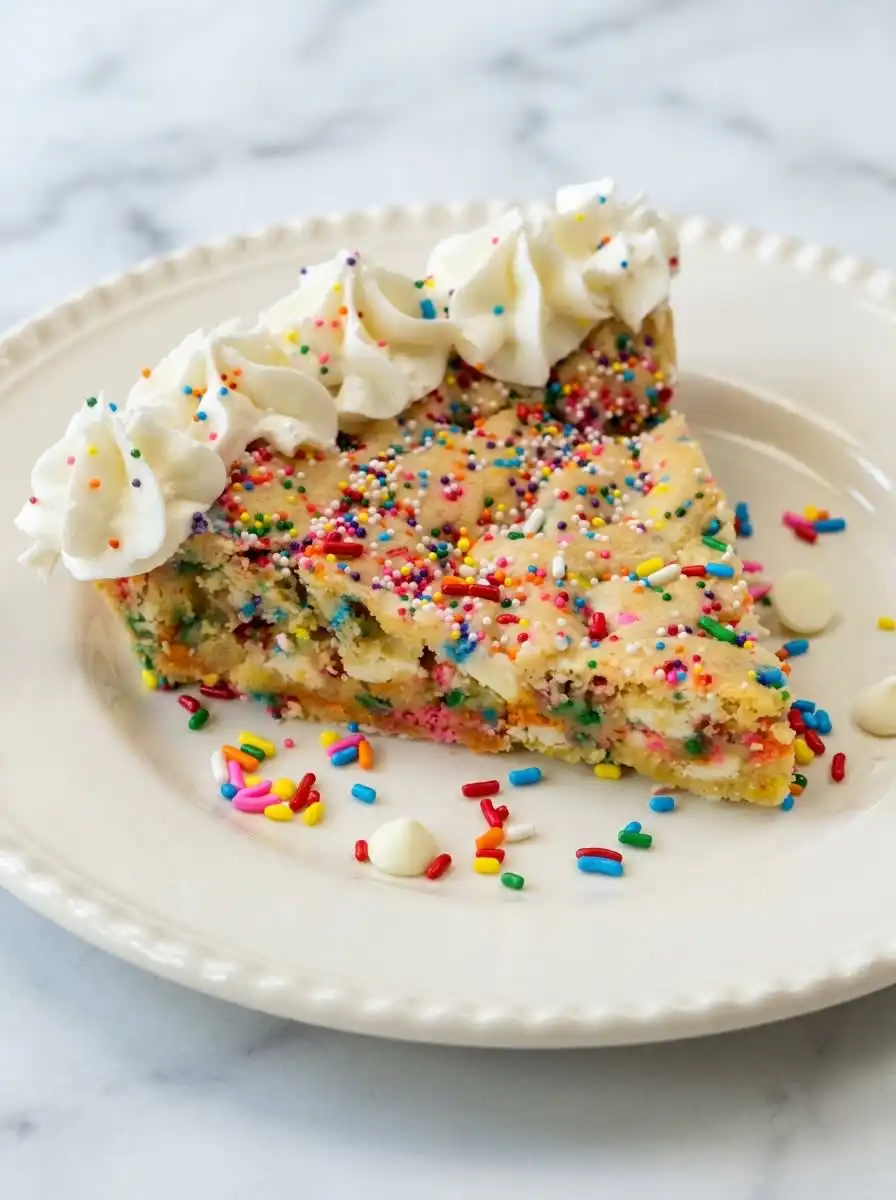
Maintaining butter temperature between 18°C and 20°C is critical to the physics of the creaming stage. If the fat rises above 22°C, it loses the structural integrity required to hold tiny pockets of trapped air. This lack of aeration results in a heavy, greasy cookie disk rather than a soft, melt-in-the-mouth slice. Use a digital probe thermometer to verify the temperature of the butter before beating.
Flour hydration happens when proteins absorb moisture from the eggs and butter. Allowing the completed dough to sit in the refrigerator for twenty minutes before pressing it into the baking pan lets the starch granules swell completely. This rest stage controls the spread in the oven and yields a uniform, thick border that frames the gooey center. Our examination of baking physics reveals that resting also intensifies the sweet, buttery notes.
The physics of sprinkle dye stability dictates that only wax-coated cylinder sprinkles should enter the wet dough. Round nonpareils possess a thin sugar coating that dissolves immediately upon contact with moisture, causing green and purple swirls to stain your batter. For those who want more color on the crust, reserve a handful of sprinkles to press into the top surface of the raw dough before baking. If you enjoy this colorful aesthetic, you might also appreciate trying our recipe for funfetti cake mix cookies which uses a similar approach.
If the middle of your Funfetti Birthday Cookie Cake collapses into a deep, wet crater, this is caused by a premature loss of oven heat or insufficient flour structure. Opening the oven door during the first fifteen minutes of baking drops the ambient temperature, interrupting the rise and structural setting of the egg proteins. To repair a collapsed center, fill the depression with extra vanilla buttercream to level the surface, and ensure next time that your oven thermometer reads a stable 177°C throughout the entire bake.
Thirty seconds decides everything when working with cookie dough. To capture the signature soft center, you must remove the cake from the oven when the middle looks slightly wet and moves like gelatin when shaken. The residual heat trapped in the dense metal of the pan will continue cooking the starches for ten minutes after removal. Leaving the pan in the oven until the center is dry and set will produce a hard, crumbly disc that lacks the desired melt.
Weighing flour on a digital scale remains the only reliable way to guarantee structural accuracy. Scooping flour directly from a bag compresses the powder, introducing up to thirty percent more starch than required. This excess starch absorbs too much moisture, leaving the baked cake dry, heavy, and prone to cracking across the surface. Sift your flour before weighing to break up compacted lumps and ensure clean incorporation. Weigh it, time it, trust it.
Frequently Asked Questions
What makes it a Funfetti (or birthday cake) flavor?
The distinct birthday cake flavor comes from the blend of high-quality pure vanilla extract and a touch of sweet almond extract. This combination mimics the nostalgic aroma of classic bakery cakes. When mixed with butter and sugar, these extracts create a specific sweet profile that sets it apart from ordinary sugar cookies.
What is the best type of sprinkle to use?
Cylinder-shaped jimmies are the absolute best choice for the dough. These sprinkles are coated in food-grade wax, which prevents the colors from dissolving into the wet dough. Tiny round nonpareils should be reserved exclusively for decorating the top frosting, as their thin shells bleed instantly.
How do I keep my cookie cake from getting hard or dry?
Keeping the cookie cake tender requires precise baking and airtight storage. Remove the cake from the oven when the edges are set but the center remains slightly soft and glossy. Once cooled, store the cake in an airtight container at room temperature to prevent the dry air from drawing out the internal moisture.
Can I make a cookie cake ahead of time?
You can easily prepare this dessert in advance. Wrap the baked, un-frosted cookie base tightly in plastic wrap and store it at room temperature for twenty-four hours. Pipe the fresh buttercream frosting onto the surface on the day you plan to serve it to maintain the clean structure.
Can you use box cake mix to make a cookie cake?
Box cake mix is formulated with soft cake flour and chemical leaveners that create a light, airy sponge. Attempting to compress this mix into a dense cookie shape results in a crumbly, dry structure that cannot hold its shape. For a proper cookie cake texture, you must build the dough from scratch using all-purpose flour.
How do I make the cake release cleanly from the pan?
Properly prepping the pan is the key to a clean release. Apply a uniform layer of nonstick baking spray, or line the bottom of the pan with parchment paper cut to fit. Allow the cake to cool completely in the pan for ninety minutes before attempting to lift or slice it, as the warm starches are fragile.
Tested Variations
To shift this Funfetti Birthday Cookie Cake toward a deeper, cocoa-forward profile, we can adjust the dry starch ratios. Swap thirty grams of all-purpose flour for twenty-five grams of Dutch-processed cocoa powder. This alkali-treated cocoa provides a rich, dark color and a soft texture without altering the hydration requirements of the dough. For a classic variation of this format, you can follow our detailed guide on making a classic chocolate chip cookie cake which balances chocolate fat with flour structure.
For a sophisticated flavour profile inspired by traditional French pastry, we can adjust the liquid extracts. Replace the pure vanilla with a combination of orange flower water and sweet almond extract. This pairing complements the sweet white chocolate chips while adding a delicate floral note to the buttery base. Keep the wet-to-dry ratios identical to preserve the delicate emulsion of the batter, ensuring the cake remains chewy.
Browning the unsalted butter before mixing introduces rich, nutty notes from milk-solid caramelization. Heating 113 grams of butter over medium heat until the water evaporates and golden flecks appear changes the fat density. Because water is lost through evaporation, you must add fifteen grams of heavy cream back into the dough during the egg integration step to restore the balance. This adjustment replicates the moisture profile found in the original sugar cookie sheet cake method while offering deep flavor notes.
Finishing & Plating
Serving temperature affects how the fat melts on the palate. For the best sensory experience, slice and serve this Funfetti Birthday Cookie Cake at a stable room temperature of 21°C. At this temperature, the butter-rich interior remains soft and chewy, while the vanilla-almond buttercream maintains its smooth, spreadable texture. If the cake is served too cold, the butter solidifies, masking the subtle almond notes.
Pair each slice with a scoop of high-fat vanilla bean ice cream to create a delightful temperature contrast. The cold creaminess of the ice cream balances the rich, dense crumb of the cookie cake. To offer a modern alternative, serve this alongside a platter of fresh berries and a slice of our classic funfetti cake for guests who appreciate a variety of sweet textures at a celebration.
For beverage pairings, serve this sweet dessert alongside a cup of hot black tea or a bitter espresso. The natural bitterness of the tea or coffee cuts through the sweetness of the white chocolate chips and sugary sprinkles. This cleanses the palate between bites, allowing the buttery notes of the cookie cake to shine with every taste. It is a composed, unhurried way to enjoy a decadent birthday treat.
Final Notes
Achieving the ideal balance between a soft, molten center and a stable, sliceable border is the reward of precise baking. By managing the creaming stage, monitoring oven temperatures, and weighing your dry ingredients, you master the variables that govern cookie chemistry. This systematic approach guarantees your celebratory bake delivers both structural beauty and an unforgettable melt. Structure is what makes the melt possible.
Whether you are celebrating a milestone or solely honing your pastry skills, this recipe offers a reliable blueprint for success. Share your baking triumphs with other home pastry chefs on our social channels. We invite you to post pictures of your creations and follow our pages on Pinterest, Facebook, TikTok, and Telegram.
Hostesses planning larger gatherings might consider pairing this bake with a classic funfetti birthday layer cake recipe to create a stunning dessert display. Developing a deep understanding of your ingredients transforms home baking from a guessing game into a precise science. With patience, precision, and the right tools, you will consistently yield results that impress every guest at your table.