In Mediterranean kitchens, we honor the magic of hot oil and sweet lace, a patience that transforms simple batter into the crisp, chocolate-kissed loops of this beloved chocolate funnel cake.

This crispy Chocolate Funnel Cake brings the nostalgic joy of the seaside boardwalk straight to your home stove. We whisk deep Dutch cocoa into a velvety batter, creating lace-like ribbons that puff instantly in the hot oil. The result is a contrast of deep chocolate flavor and light, airy crunch that melts beautifully on the tongue. It is a simple pleasure that rewards the patient baker with every single bite.
What Makes the Texture of Chocolate Funnel Cake Sing
Prep: 10 min · Serves: 4 · Difficulty: Medium
- Deep Dutch cocoa adds an elegant, bittersweet depth.
- An exquisite crisp exterior contrasts with a tender center.
- Standard pantry staples transform into an indulgent chocolate treat.
- Brings the beloved classic carnival funnel cake experience home.
- Keeps the whole family gathering around a warm table.
Your kitchen will smell of rich chocolate and warm sugar, bringing everyone together for the first hot bite.
Get The Full Cake Recipe
Print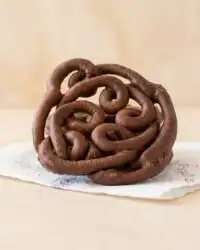
Chocolate Funnel Cake
- Total Time: 25 mins
- Yield: 4 servings
Description
Experience the nostalgic joy of the boardwalk with this decadent chocolate funnel cake, featuring a crisp, lace-like exterior and a tender, airy interior. Deep Dutch-process cocoa provides a sophisticated, rich flavor that perfectly balances with a light dusting of powdered sugar.
Ingredients
- 1 large egg
- 1/4 cup granulated sugar
- 1 cup whole milk
- 1/2 teaspoon vanilla extract
- 1 1/4 cups all-purpose flour
- 1/4 cup Dutch-process cocoa powder
- 1 teaspoon baking powder
- 1/4 teaspoon fine sea salt
- Neutral oil for frying
- Powdered sugar for dusting
Instructions
- Whisk the base. Crack the egg into a bowl, add sugar, and whisk until pale; blend in the milk and vanilla until smooth.
- Sift dry ingredients. Sift the flour, cocoa powder, baking powder, and salt into a separate bowl, then gradually incorporate into the wet mixture until glossy and lump-free.
- Prepare the dispenser. Pour the batter into a squeeze bottle and let it rest at room temperature for five minutes.
- Heat the oil. Pour oil into a heavy-bottomed pan to a depth of 1.5 inches and heat to 350-375°F.
- Form the cakes. Squeeze the batter into the hot oil in circular, overlapping patterns to create a lace-like funnel cake.
- Fry the cakes. Fry for two minutes on the first side, flip carefully, and fry for another 60 to 90 seconds until crisp and mahogany in color.
- Drain and cool. Lift the cake from the oil, drain briefly, and place on a wire rack to cool for one minute.
- Dust and serve. Dust generously with powdered sugar while still warm and serve immediately.
Notes
- Use a squeeze bottle rather than a funnel for superior control over the lace pattern.
- Keep a candy thermometer clipped to the pan to maintain the oil temperature between 350-375 degrees.
- Always use a wire cooling rack to prevent steam from softening the crisp exterior of the cake.
- Sift the cocoa powder thoroughly to avoid bitter, dense clumps in your finished batter.
- Fry only one funnel cake at a time to keep the oil temperature consistent and ensure a light crunch.
- Prep Time: 10 mins
- Cook Time: 15 mins
- Category: Dessert
- Method: Deep Frying
- Cuisine: Mediterranean
From the Melt Cake Pantry
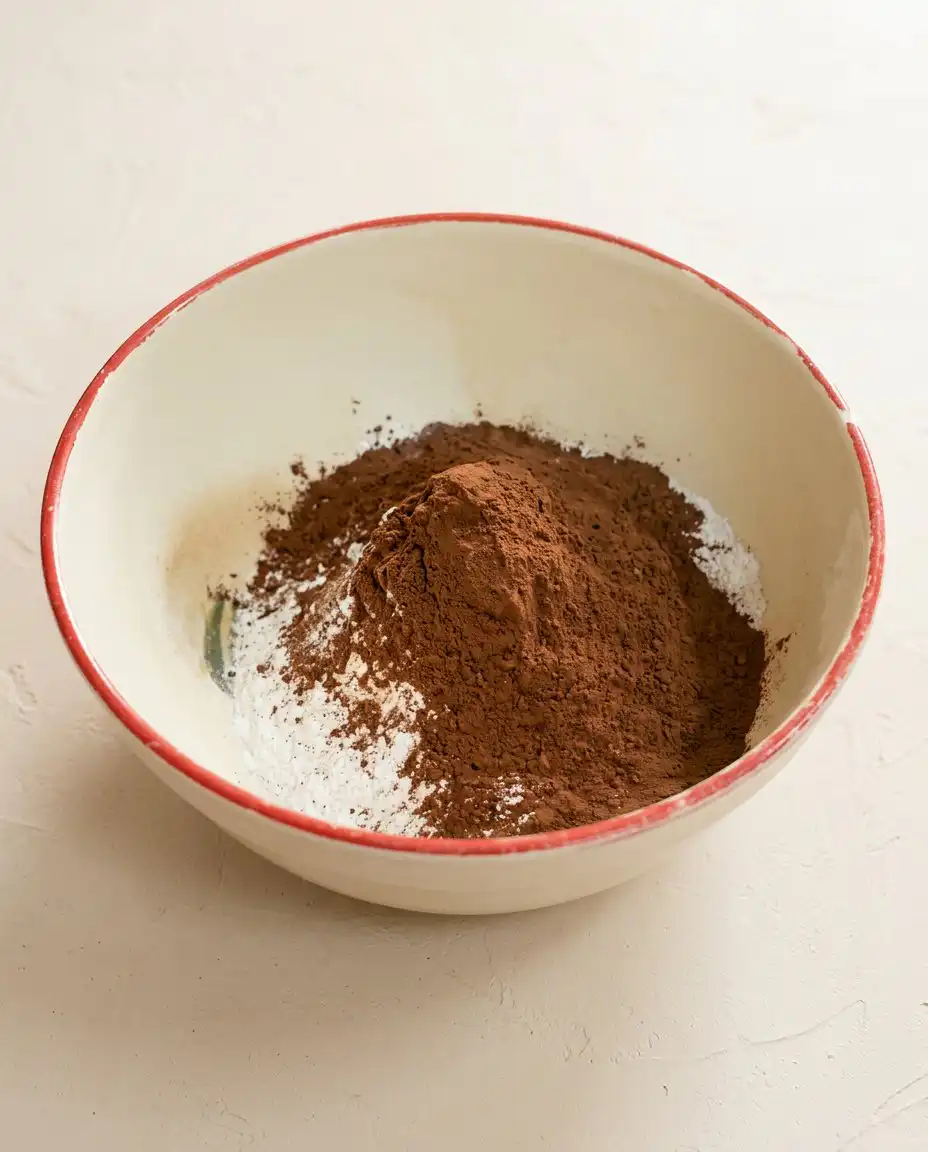
The beauty of this chocolate-infused batter lies in the simplicity of its components, which you likely already have tucked away in your kitchen. Every ingredient performs a quiet, necessary job to produce that signature crispy exterior and tender, airy crumb inside. When we combine these elements, they transform under the heat of the oil into a sweet, never cloying treat that melts in your mouth.
- All-purpose flour: This provides the structural skeleton of the cake, developing just enough gluten to hold the lacy loops together in the hot oil.
- Dutch-process cocoa powder: We use Dutch-process cocoa because its neutralized acidity yields a deeply rich, smooth, and dark chocolate flavor without any bitter harshness.
- Granulated sugar: Beyond adding a gentle sweetness, sugar helps to tenderize the batter by drawing moisture away from the gluten bonds, contributing to a lighter texture.
- Baking powder: The essential leavener that reacts instantly when it hits the hot oil, releasing tiny carbon dioxide bubbles that cause the dark chocolate batter to puff up into light ribbons.
- Whole milk: The fat and liquid in whole milk hydrate the flour while providing richness, ensuring the interior of each loop remains tender and soft.
- Egg: A single egg binds the batter together, adding richness, structure, and helping the batter puff up beautifully as it fries.
- Neutral oil: Selecting an oil with a high smoke point, like canola or sunflower oil, allows you to fry at the correct temperature without imparting any unwanted heavy flavors.
| Ingredient | Why It Matters | Detailed Culinary Role |
|---|---|---|
| Dutch-process cocoa | Neutralized acidity for smooth taste | Delivers deep mahogany color and smooth, rich flavor |
| All-purpose flour | Provides the essential gluten structure | Holds the intricate, lace-like loops together in oil |
| Baking powder | Chemical leavening agent | Creates instant lift and airy pockets upon frying |
| Whole milk | Hydration and fat content | Ensures a tender, soft interior crumb structure |
| Granulated sugar | Sweetness and tenderization | Softens the gluten structure for a lighter bite |
The Method, Step by Step
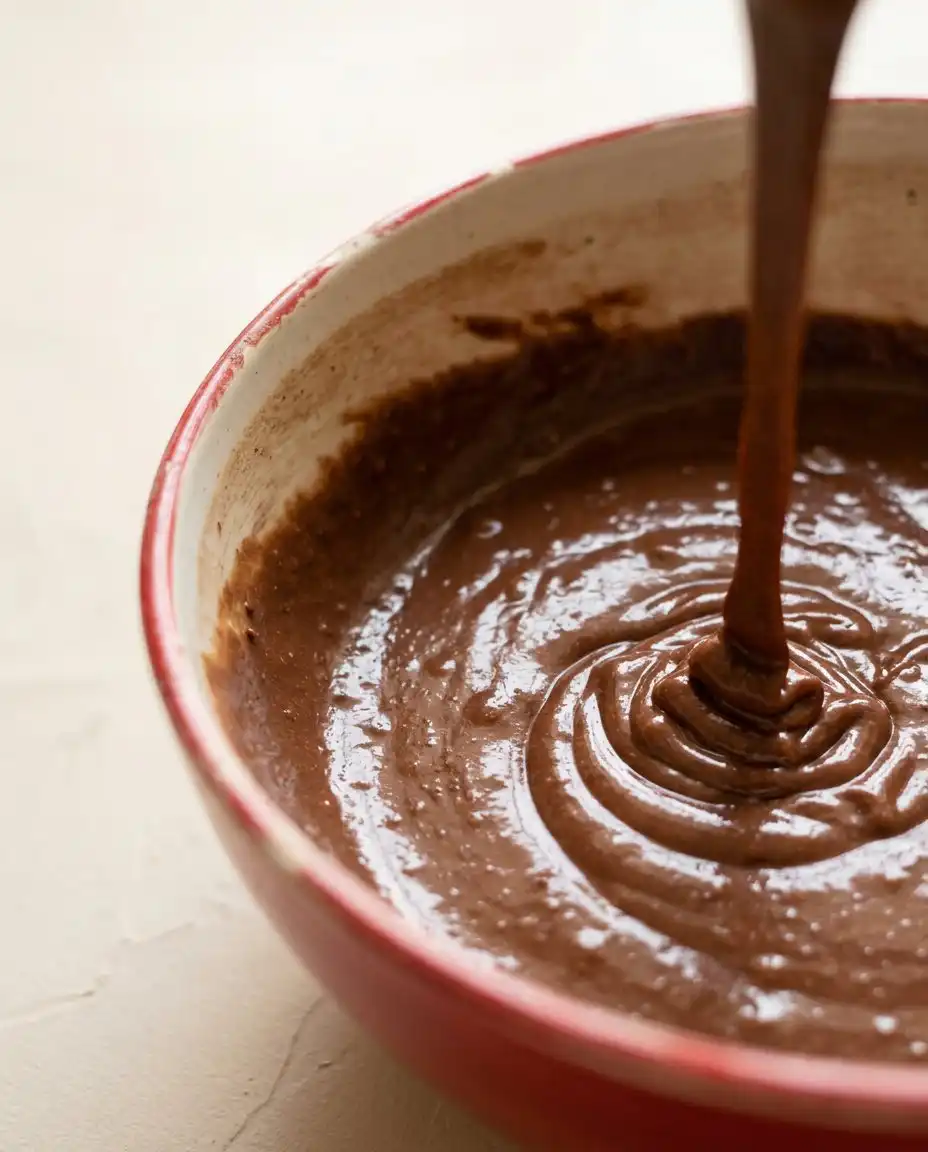
Step 1: Whisking the Liquid Foundation
Begin by cracking the egg into a wide, shallow mixing bowl and adding the granulated sugar. Whisk them together with a steady, unhurried hand until the mixture becomes pale yellow, slightly thick, and falls in gentle ribbons from the whisk. Slowly pour in the whole milk and the vanilla extract, continuing to blend until the liquid is completely smooth and unified. This wet mixture serves as the hydrating base that will eventually carry our rich cocoa and flour.
Step 2: Sifting the Dry Components
Place a fine-mesh strainer over a separate mixing bowl and add the all-purpose flour, Dutch-process cocoa, baking powder, and fine sea salt. Shake the strainer gently to sift the dry ingredients, which breaks up any stubborn lumps of cocoa that might otherwise ruin the texture of your batter. Gradually add this sifted mixture into the wet ingredients, whisking slowly from the center outward to avoid overworking the gluten. You want to achieve a glossy batter that has the consistency of heavy cream, flowing smoothly without any lumps.
Step 3: Preparing the Squeeze Bottle Dispenser
Pour the dark chocolate batter carefully into a clean, dry squeeze bottle or a funnel with a narrow, controlled spout. A squeeze bottle is highly recommended for home cooks because it offers superior control when drawing the intricate lace patterns in the hot oil. Once filled, set the bottle aside to rest at room temperature for about five minutes before you begin frying. This brief resting period allows the starch molecules in the flour to hydrate fully, resulting in a more cohesive and tender cake.
Step 4: Heating the Oil for Your Chocolate Funnel Cake
Pour your neutral frying oil into a heavy-bottomed cast-iron skillet or deep Dutch oven until it reaches a depth of approximately one and a half inches. Clip a reliable candy thermometer to the side of the pan and heat the oil over medium heat until it registers between 350 and 375 degrees Fahrenheit. Maintaining this temperature range is crucial because oil that is too cool will make your chocolate funnel cake greasy, while oil that is too hot will burn the cocoa before the interior cooks through. Keep the heat steady and patient, adjusting the flame as needed to keep the temperature locked in.
Step 5: Pouring the Chocolate Lace
Position your squeeze bottle just a few inches above the surface of the hot oil, holding it steady to keep things safe. Squeeze the bottle gently but firmly, moving in a circular motion around the perimeter of the pan to create an outer border that will hold the cake together. Quickly fill the center by swirling the batter back and forth in overlapping zig-zag and circular patterns, making sure that the streams connect with each other. Watch with delight as the dark chocolate batter immediately puffs, bubbles, and floats to the top of the shimmering oil.
Step 6: The Gentle Turn
Allow the cake to fry undisturbed on the first side for about two minutes, watching for the edges to firm up and turn a deep, beautiful mahogany color. Carefully slide a pair of long wooden chopsticks or metal tongs beneath the cake and flip it over with a smooth, confident motion. Fry the second side for another sixty to ninety seconds, allowing the heat to cook the core of the batter while maintaining that flawless, delicate crispness. The kitchen will fill with the rich, intoxicating scent of warm chocolate and sweet fried dough.
Step 7: Draining and Resting
Carefully lift the hot, golden cake from the oil using your tongs, holding it over the skillet for a few seconds to let any excess oil drain back into the pan. Transfer the cake immediately to a wire cooling rack set over a baking sheet lined with paper towels. Placing the cake on a rack instead of directly on paper towels allows air to circulate around it, which prevents steam from softening the crisp exterior. Let it rest for a single minute so the structure can set and the texture can reach its peak.
Step 8: The Finishing Powdered Sugar
While the cake is still warm, dust it generously with a pristine layer of powdered sugar using a small, fine-mesh sieve. The white sugar will cling beautifully to the dark chocolate ridges, creating a stunning visual contrast that looks like freshly fallen snow on dark soil. Serve this sweet, crispy masterpiece immediately while the interior remains warm and tender. Let your guests pull off pieces with their fingers, enjoying the contrast of textures that makes this treat so memorable.
Getting the Texture Right
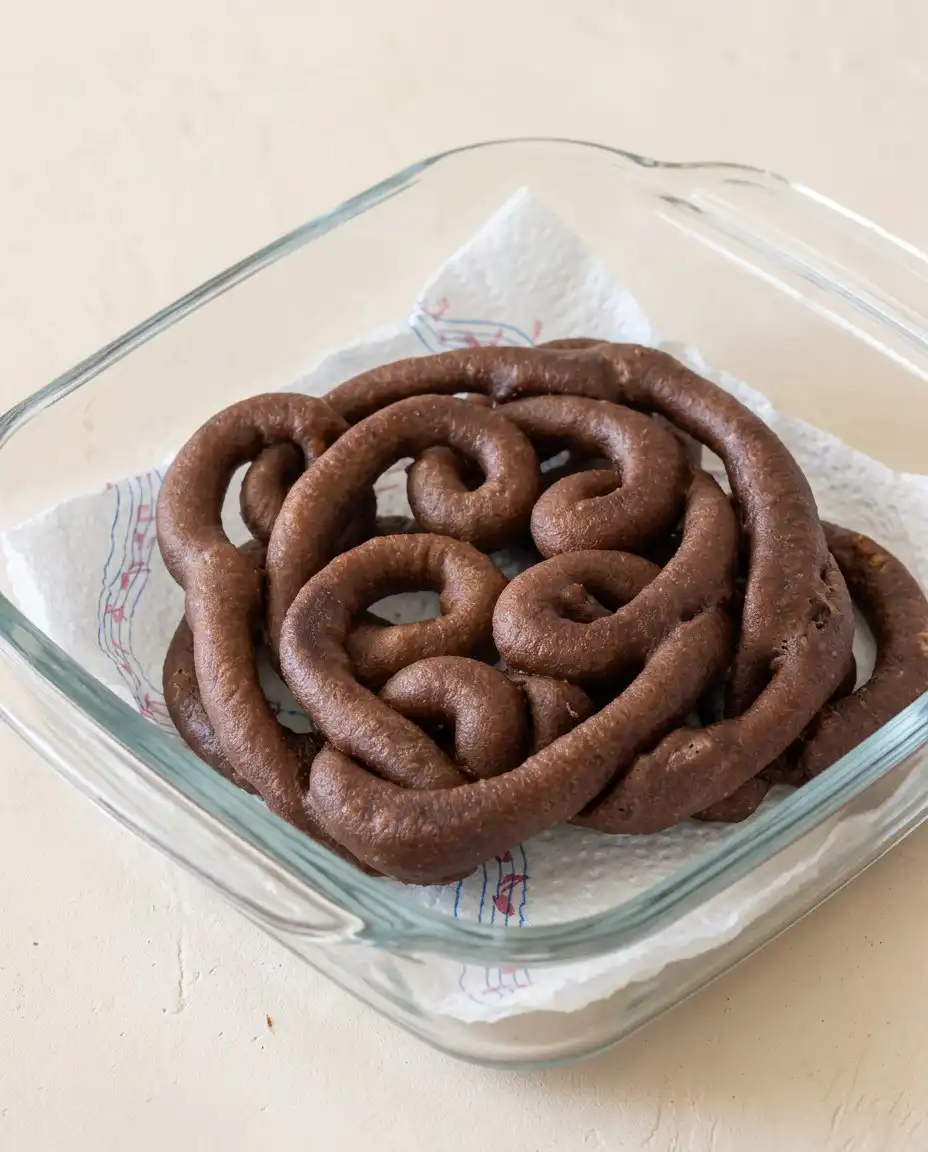
The secret to a beautifully formed cake is the viscosity of your batter, which should resemble a thin pancake batter. If your batter is too watery, it will separate into small, oily droplets as soon as it hits the skillet, while thick batter will clog your squeeze bottle and make heavy, doughy lumps. To check the consistency, let a spoon drizzle back into the bowl; it should leave a trail that disappears after two seconds.
Keep a close eye on your oil thermometer throughout the entire frying process. If your chocolate funnel cake turns soggy and greasy, the oil temperature has likely dropped below 350 degrees, causing the batter to absorb oil rather than fry. Let the oil reheat between batches to maintain that beautiful, light crunch.
Always choose a heavy cast-iron skillet or a dutch oven rather than a thin stainless steel pan for frying. Heavy pans distribute heat more evenly and retain it much longer, which prevents sudden drops in temperature when the cold batter hits the oil. This stability makes it much easier to achieve a consistent, golden fry across multiple batches without constantly adjusting your stove burner.
Sifting your dry ingredients, especially the cocoa powder, is an absolute necessity that should never be skipped. Cocoa powder naturally contains small, dense clumps that are highly resistant to whisking, and if they remain in the batter, they will create bitter pockets of dry powder in your finished cake. Spending an extra minute to run everything through a fine-mesh sieve yields a smooth batter and an elegant crumb.
Avoid crowding the pan by frying only one cake at a time, no matter how tempted you are to speed up the process. Adding too much batter at once lowers the oil temperature rapidly, resulting in a heavy, grease-soaked dessert instead of a delicate, crispy treat. If you want to refine your frying technique further, you can read our traditional funnel cake recipe to master this art.
Always cool your fried cakes on a metal wire rack instead of placing them directly onto a flat plate lined with paper towels. When hot, fried dough sits on a flat surface, the rising steam has nowhere to escape and becomes trapped underneath the cake, quickly turning the bottom soggy. A wire rack allows air to circulate freely around the entire cake, making sure that every single loop remains wonderfully crisp.
Frequently Asked Questions
How do you make a chocolate funnel cake from scratch?
Making this delicious treat from scratch is surprisingly simple and requires only basic pantry staples. You start by whisking an egg, sugar, milk, and vanilla, then gently folding in sifted flour, baking powder, and high-quality cocoa powder. Once you have a smooth, pourable batter, you dispense it into hot oil using a squeeze bottle to create beautiful, crispy chocolate laces.
Can you use regular pancake mix for chocolate funnel cake?
Yes, you can use regular pancake mix as a convenient shortcut, but you will need to adjust the liquid ratio and add cocoa powder. Pancake batter is typically thicker than funnel cake batter, so you should add a little extra milk to ensure it flows easily through a squeeze bottle. Easily whisk in two tablespoons of Dutch-process cocoa and a tablespoon of sugar to get that rich chocolate flavor.
Does chocolate funnel cake require yeast?
No, this recipe does not require yeast, which means there is no need to wait hours for dough to rise. Instead, it relies on baking powder as a chemical leavening agent to provide immediate lift and airy pockets when the batter hits the hot oil. This makes it an incredibly quick and satisfying dessert that you can prepare from start to finish in under twenty minutes.
How do you get the perfect funnel cake shape?
Getting the ideal shape comes down to using a squeeze bottle and maintaining a steady, confident pouring motion. Start by creating a circular border around the edge of your pan to act as an outer frame, then quickly swirl the batter back and forth across the middle to create connecting lines. Make sure your streams overlap frequently so the cake holds together as a single unit when you flip it.
What is the best oil temperature for frying funnel cakes?
The ideal oil temperature for frying is between 350 and 375 degrees Fahrenheit. It is highly recommended to use a candy thermometer to monitor the temperature closely, as even a small drop can lead to greasy results. If the oil is too cool, the batter will absorb too much oil; if it is too hot, the chocolate will burn and become bitter before cooking through.
How long do you fry a funnel cake?
A standard-sized funnel cake takes about three minutes in total to fry to perfection. You should let the first side cook for approximately two minutes until it becomes firm and crisp enough to flip safely. Once flipped, fry the second side for an additional sixty to ninety seconds until it is cooked through and beautifully crispy.
What are the best toppings for chocolate funnel cakes?
While a simple dusting of powdered sugar is classic and delicious, chocolate funnel cakes pair wonderfully with a variety of indulgent toppings. You can top them with a scoop of vanilla bean ice cream, a dollop of fresh whipped cream, or a generous drizzle of warm chocolate sauce. Fresh berries like raspberries or strawberries also add a lovely tartness that cuts through the rich cocoa.
How do you store leftover funnel cakes?
Leftover funnel cakes are best stored in an airtight container at room temperature for up to two days, though they are always best enjoyed fresh. To restore their signature crispness, avoid using the microwave, which will make them rubbery and soft. Reheat them in a 350-degree oven or an air fryer for three to five minutes until they are hot and crispy again.
Across the Mediterranean
To bring a touch of the sun-drenched Mediterranean coast to this classic fairground treat, you can infuse the chocolate batter with the finely grated zest of a fresh orange. The bright, aromatic citrus oils cut through the rich Dutch cocoa beautifully, offering a sophisticated contrast that balances the sweetness. This simple addition elevates the flavor profile, making it feel less like street food and more like a carefully crafted pastry from a coastal bakery.
Another delightful approach is to abandon the traditional powdered sugar and instead drizzle the hot, crispy cake with a warm, fragrant orange blossom syrup. This technique borrows from traditional Mediterranean syrup-soaked sweets, where the hot cake absorbs the floral syrup to create a texture that is meltingly tender yet remains wonderfully crisp on the outer ridges. If you love experimenting with unique chocolate bases and floral notes, our cocoa dream lab is filled with ideas on how to pair deep cocoa with delicate botanical syrups.
For a satisfying textural contrast, you can drizzle the warm cake with a glossy dark chocolate ganache and scatter a handful of finely chopped toasted pistachios or sliced almonds over the top. The earthiness of the toasted nuts pairs magnificently with the deep cocoa notes of the cake, while the silky ganache adds a layer of luxurious richness. This variation transforms the rustic dessert into a stunning centerpiece perfect for an evening gathering with friends.
Coffee & Cake Pairings
There is something beautiful about serving these crispy chocolate loops when they are still warm from the stove. Arrange the freshly dusted cake on a wide wooden board at the center of the table, letting everyone pull off crispy pieces with their fingers in a relaxed, communal style. To complete the experience, serve it alongside a small cup of strong Turkish coffee or a rich espresso to balance the sweet, chocolatey lace.
For a warm afternoon gathering, pair this hot dessert with a scoop of mastic ice cream or vanilla bean gelato. The contrast between the cold, melting cream and the hot, crispy chocolate creates an unforgettable mouthfeel that will delight your guests. If you are hosting a larger gathering, you can also offer classic funnel cake bites alongside the main cake to give your guests a variety of sizes to enjoy.
A final scatter of fresh raspberries or sliced strawberries adds a beautiful touch of acidity that cuts through the rich Dutch cocoa. The bright red berries look stunning against the dark chocolate, making this simple fried dough feel elegant enough for any special occasion.
From My Kitchen
Frying these sweet, dark loops of chocolate batter is a quiet joy that brings the warmth of the carnival straight to your stove. It asks for just a little patience, a steady hand with the squeeze bottle, and a watchful eye on the shimmering oil. When you lift that crisp, cocoa-scented cake from the pan, you will see that the effort is entirely worth it.
If you want to try an even simpler version next time, our 3 ingredient funnel cake is a wonderful way to satisfy a sudden sweet craving with minimal prep. No matter which recipe you choose, the secret is always in the patience of the fry and the joy of sharing it warm with the people you love.
I would love to see how your chocolate creations turn out in your home kitchen. Please share your beautiful, lacy cakes and join our community of passionate bakers on Pinterest, Facebook, TikTok, and Telegram.