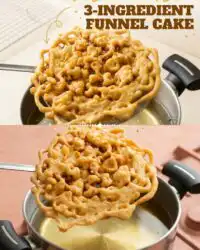
A low table rests under the afternoon sun where dark Turkish coffee brews, its bitter aroma blending with the sweet scent of golden dough frying nearby.

There is a quiet joy in watching simple ingredients transform under the gentle heat of oil. This crisp, golden 3-Ingredient Funnel Cake captures that warmth, offering a delicate texture that melts in your mouth with every sweet bite. We do not need complicated techniques or a crowded pantry to create moments of pure, sweet comfort. Instead, we rely on a steady hand, a patient spirit, and the beautiful science of simple baking.
Why This 3-Ingredient Funnel Cake Melts the Way It Does
Prep: 5 min · Serves: 4 · Difficulty: Easy
- Only three basic pantry ingredients required.
- Delicate lacy layers that shatter softly.
- Crisp golden exterior hides tender center.
- Quick preparation satisfies sudden sweet cravings.
- Tastes like a warm carnival memory.
This rustic recipe yields a crisp, airy treat that melts beautifully on the tongue with every bite. This lacy dessert carries the same nostalgic charm as our beloved classic carnival funnel cake story told around summer tables.
We often think that delicious pastries require hours of standing in a warm kitchen. This quick method proves that a beautiful dessert can come together in the time it takes to brew a fresh pot of coffee. The thin batter forms delicate crispy webs that trap the sweet powdered sugar in every single pocket.
As we watch the dough expand in the clean oil, we see the simple chemistry of baking happen before our eyes. There is a deep satisfaction in making something so comforting with such little effort. It is the ideal sweet bite to share when friends arrive unexpectedly on a warm afternoon.
Get The Full Cake Recipe
Print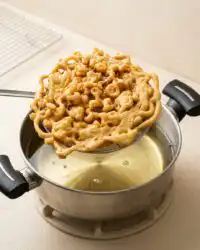
3-Ingredient Funnel Cake
- Total Time: 15 mins
- Yield: 4 servings
- Diet: Vegetarian
Description
This easy, three-ingredient funnel cake transforms pantry staples into a crisp, golden-brown treat. Perfect for satisfying sudden cravings, this nostalgic dessert offers a delicate texture that melts perfectly with a dusting of sweet powdered sugar.
Ingredients
- 1 1/2 cups pancake mix
- 3/4 cup water
- 1/2 cup powdered sugar
- Vegetable oil for frying
Instructions
- Prepare the batter. Whisk the pancake mix and water in a bowl until smooth, ensuring no dry spots remain, then let the mixture rest for three minutes.
- Heat the oil. Pour two inches of vegetable oil into a heavy-bottomed pan and heat over medium until a drop of batter sizzles immediately.
- Fill the funnel. Seal the bottom of a funnel with your finger and carefully pour the prepared batter inside.
- Pour the spirals. Position the funnel over the hot oil and release your finger, moving your hand in steady, concentric circles to form an interlocking lattice pattern.
- Fry until golden. Cook for two minutes per side until the cake turns a uniform golden color, then flip carefully using a skimmer.
- Drain and dust. Remove the cake from the oil, drain on paper towels to remove excess fat, and generously dust with powdered sugar while still warm.
Notes
- Ensure the oil remains at a consistent depth of two inches to prevent the dough from flattening against the pan.
- If the batter spreads too thinly, whisk in an additional tablespoon of pancake mix to improve its structural hold.
- Use a squeeze bottle as an alternative to a funnel if you prefer more precise control over the pouring motion.
- Avoid overcrowding the pan by frying only one cake at a time to keep the oil temperature stable.
- Let the oil cool for a few minutes if it becomes too hot to prevent the exterior from burning before the inside sets.
- Prep Time: 5 mins
- Cook Time: 10 mins
- Category: Dessert
- Method: Frying
- Cuisine: American Carnival
From the Mediterranean Pantry
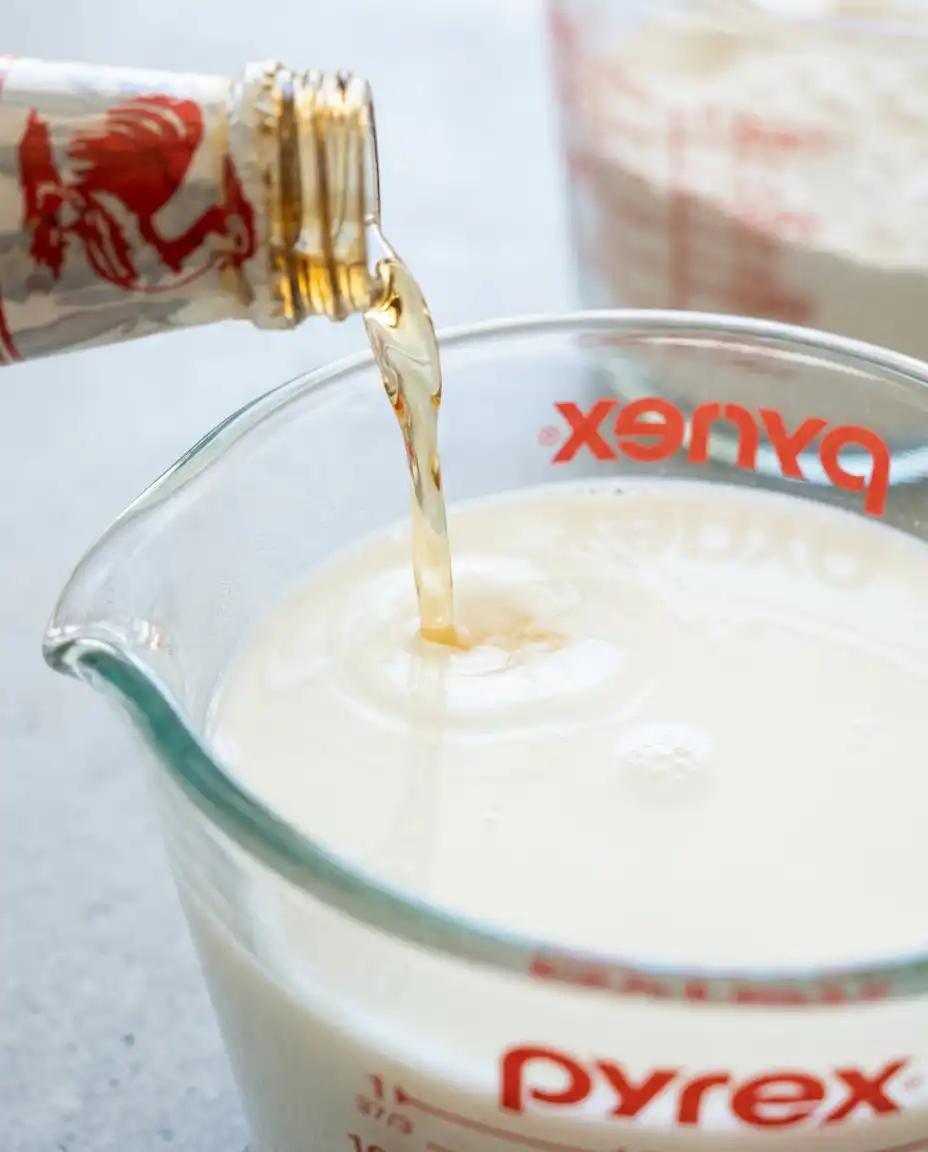
Great baking does not require a long list of rare ingredients. We only need three basic items to create a delicate batter that crisps beautifully in the warm oil. Each component plays an essential role in giving the fried dough its light, airy structure.
- Pancake Mix: This serves as our structured base, containing the wheat flour and rising agents that allow the batter to puff into hollow, tender paths.
- Water: A clean, neutral liquid that binds the dry mixture without heavy fats, keeping the fried dough exceptionally light and crisp.
- Powdered Sugar: This fine white dust coats the hot, golden ridges, melting slightly to create a sweet, delicate glaze.
- Vegetable Oil: Choosing a neutral oil with a high smoke point allows the batter to cook cleanly, creating a crisp outer shell without any heavy residue.
| Ingredient | Why It Matters |
|---|---|
| Pancake Mix | Provides the structure and rising power |
| Water | Hydrates the mix for a smooth pour |
| Powdered Sugar | Adds a delicate sweetness that melts |
| Vegetable Oil | Creates a golden, crisp exterior shell |
By relying on a pre-mixed base, we bypass the need for measuring separate leaving agents and salt. The starch in the flour absorbs the liquid quickly, creating a smooth batter that pours easily without clogging your tools. This balanced hydration is what allows the dough to expand instantly when it touches the hot fat.
We must choose our frying oil with care, as a heavy or flavored oil will mask the delicate sweetness of the dough. A neutral frying medium allows the clean taste of the wheat and the sweet sugar to shine. The contrast between the hot, crisp dough and the cool, melting sugar is the true heart of this dessert.
The Method, Step by Step
Step 1: Prepare the Smooth Pancake Batter
To begin this process, we gather our clean glass bowl and pour in the structured pancake mix, which already holds the rising power we need. Slowly add the measured water while whisking with a calm, steady rhythm until the dry spots disappear completely into a smooth cream. The batter should resemble a heavy pourable cream, thick enough to hold its shape for a brief moment but thin enough to flow in a steady, unbroken stream.
We must avoid overworking the mixture, as too much stirring can develop the gluten and make the dough tough instead of tender. Let this mixture rest for three minutes in a quiet corner of your kitchen, allowing the flour to fully hydrate and soften before it meets the hot oil. This brief rest is the key to achieving a light, airy texture that shatters softly under your fork.
Step 2: Heat the Frying Oil Slowly
Pour your neutral vegetable oil into a wide, heavy-bottomed pan until it reaches a depth of about two inches. Set the burner to medium heat and allow the oil to warm slowly, which prevents hot spots from forming in the pan. We want the heat to distribute evenly across the bottom of the vessel, establishing a stable frying environment.
You can test the readiness of the oil by dropping a small dot of batter into the pan to see how it reacts. If the dough sinks and stays at the bottom, the oil is too cold and will make your dessert greasy. If it sizzles instantly and rises to the surface surrounded by tiny bubbles, you have found the ideal temperature.
Step 3: Fill Your Funnel with the 3-Ingredient Funnel Cake Batter
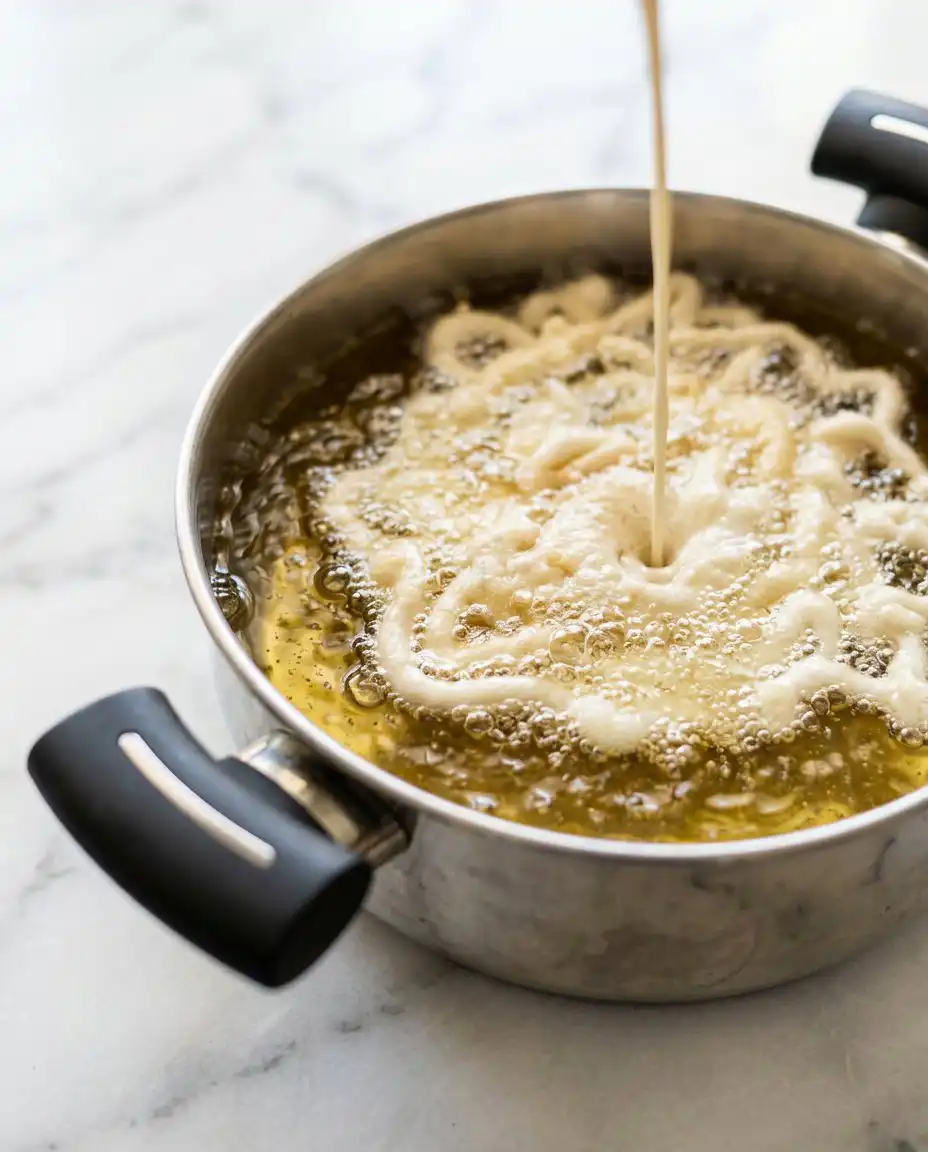
Hold a clean funnel over a small plate or cup, placing your finger firmly over the bottom opening to seal it. Slowly pour the hydrated pancake batter into the funnel until it is almost full, keeping your hand steady and relaxed. Feel the weight of the batter in your hand as it waits to be released into the warm oil.
Having a plate nearby is a helpful trick to catch any stray drips as you move the funnel over the stove. This keeps your workspace clean and prevents any sudden oil splashes from stray drops of batter hitting the pan early. Take a slow breath, clear your mind, and prepare to pour your first beautiful spiral.
Step 4: Pour the Spirals Gently
Position your hand directly over the center of the hot oil, carefully releasing your finger from the funnel opening. Move your hand in steady, concentric circles, letting the batter flow into the pan in an overlapping, lace-like pattern. Create a network of intersecting lines that lock together, forming a sturdy circular cake that holds its shape.
Keep your movements slow and deliberate, enjoying the soft sizzling sound as the dough hits the heat. The stream of batter should be continuous, weaving back and forth to connect the outer rings to the center of the cake. This interlocking structure makes the cake easy to flip and keeps it from breaking apart in the oil.
Step 5: Fry Until Lightly Golden
Let the batter fry undisturbed for about two minutes, watching as the pale dough puffs up and turns a gentle, warm gold. Use a wide metal skimmer or flat tongs to gently slide under the cake, checking that the underside has fully set. Carefully flip the cake over in one smooth motion, avoiding any sudden splashes of hot oil.
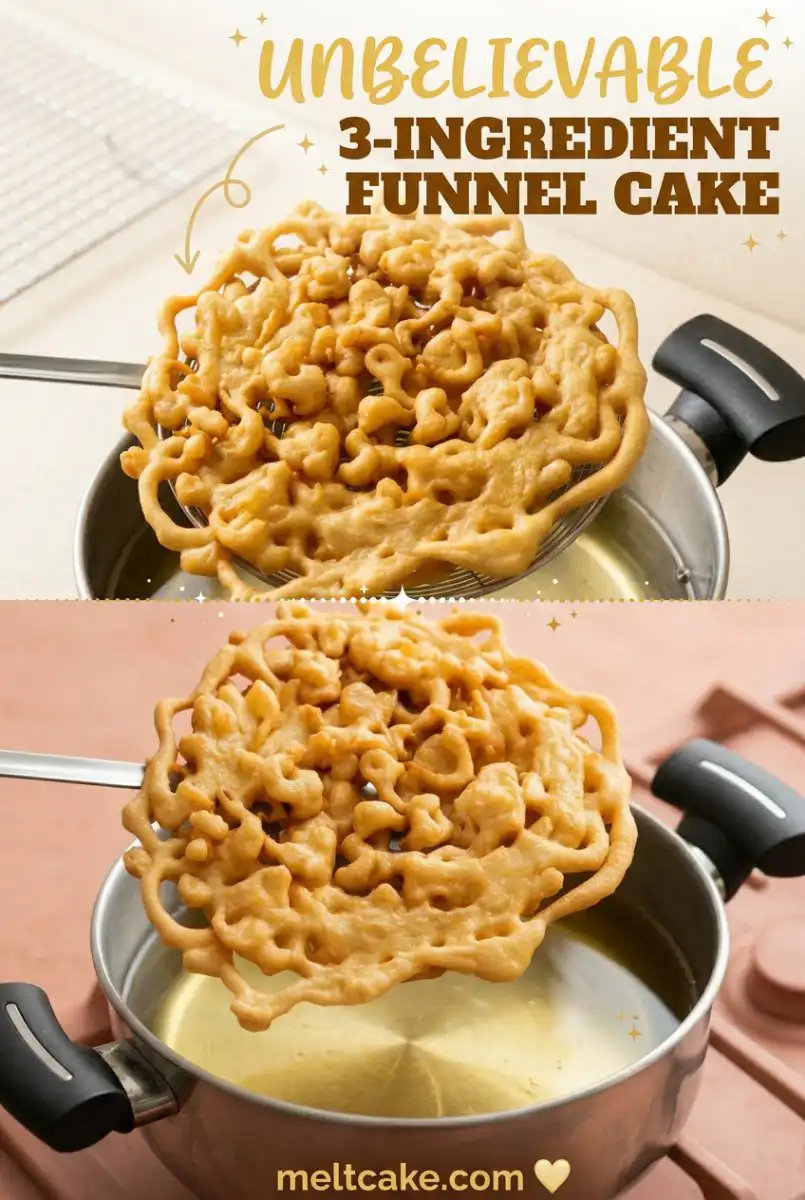
Cook the second side for another minute until both sides match the color of late-afternoon sunlight. You want to see a beautiful golden hue, which indicates that the flour has cooked through and the outer shell is crispy. Do not rush this stage, as a pale cake will turn soft and soggy once it cools down.
Step 6: Drain and Dust with Sweet Sugar
Lift the golden cake from the oil, holding it over the pan for a few seconds to let any excess oil drip back down. Transfer the hot cake to a plate lined with thick paper towels to drain, keeping the texture delightfully crisp and clean. Let it rest for just a moment so the surface oil is fully absorbed by the paper.
While the dough is still warm, dust it generously with a cloud of powdered sugar so it melts slightly into the crevices. The sugar should cling to the warm ridges, forming a sweet white glaze that contrasts beautifully with the golden pastry. Serve this warm treat immediately, watching the fork glide through the crispy layers with ease.
Mediterranean Baker’s Notes
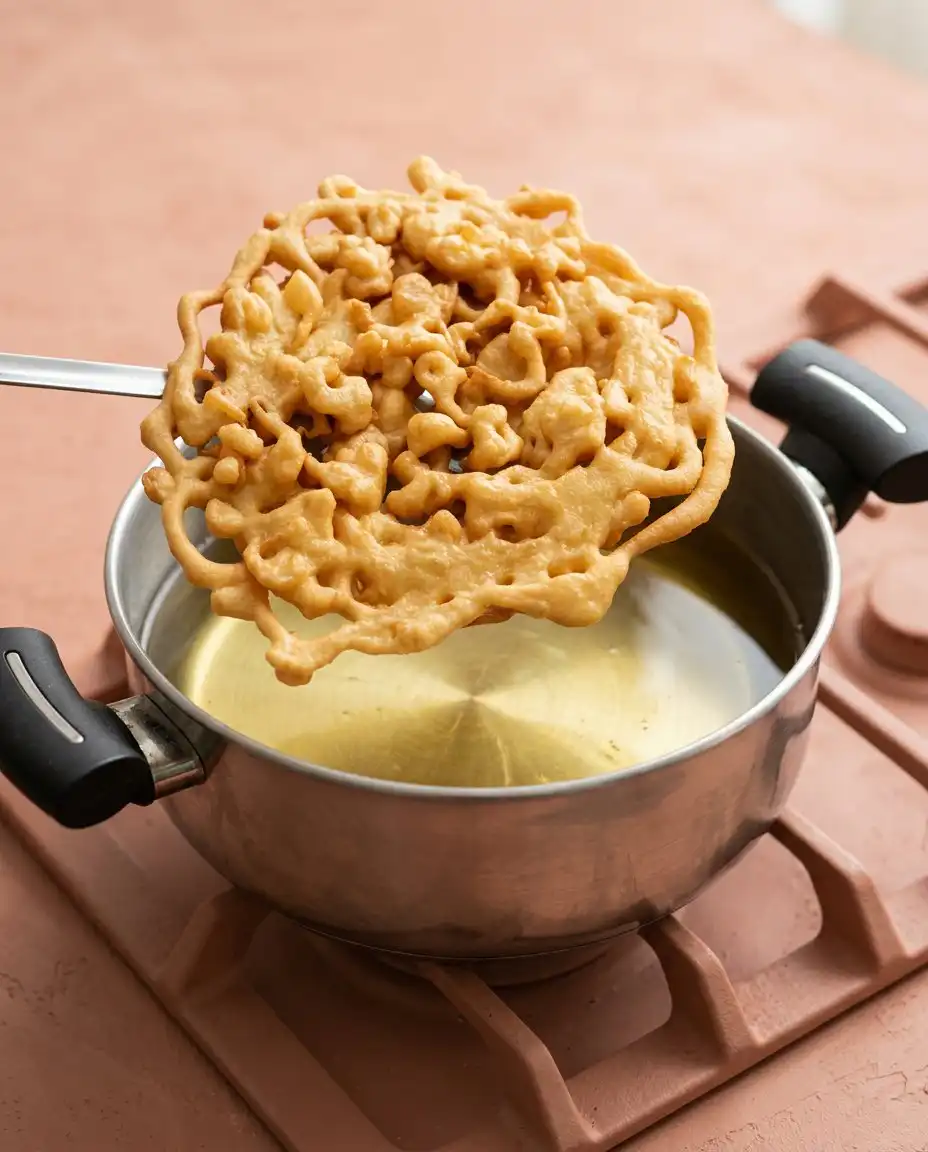
Keep the oil depth consistent throughout your baking session. Frying in too little oil causes the batter to flatten against the bottom of the pan, losing its characteristic airy volume. Maintaining at least two inches of clean oil allows the batter to float freely as it puffs and expands into beautiful, light shapes.
If your batter is too thin, it will disperse into tiny droplets when it hits the oil instead of forming cohesive lines. To fix this common mistake, smoothly whisk in an extra tablespoon of pancake mix until the batter coats the back of your spoon. This structural adjustment keeps your spiral intact and prevents the cake from breaking apart.
Using a squeeze bottle is a wonderful alternative if you find a traditional funnel difficult to control. A squeeze bottle with a wide opening allows you to start and stop the flow of batter with simple hand pressure. This tool is especially helpful for beginners learning the circular pouring motion for the first time.
Make sure to browse through our reliable collection of cake mix recipes to understand how different flour starch blends behave under heat. Knowing how starch absorbs liquid will make you a more intuitive baker at the stove, helping you adjust your batter consistency with confidence.
Avoid overcrowding the frying pan with multiple cakes at once. Frying one cake at a time keeps the oil temperature stable, ensuring every single spiral cooks evenly and crisps beautifully. Patience at the stove yields the finest results, giving you that beautiful melting mouthfeel we crave.
If your oil becomes too hot and burns the outside of the cake while leaving the inside raw, remove the pan from the heat source immediately. Let the oil cool for five minutes, then return the pan to a lower setting. Slow, gentle heat is always better than rushed, aggressive flames when working with delicate batters.
When purchasing your frying staples, you can consult how to shop for funnel cake ingredients to select the most reliable oils and flour mixes. Having the right tools on hand prevents simple errors during your baking session, making the process smooth and enjoyable.
Frequently Asked Questions
Can I use different types of pancake mix?
Yes, you can use complete pancake mixes or buttermilk varieties for this recipe. Standard mixes work best as they already contain the correct balance of leaveners and flour to make the batter puff beautifully in the oil. Avoid using mixes that require adding eggs or milk unless you adjust the water content accordingly.
Can I make these ahead of time?
These crispy cakes are best enjoyed fresh and warm straight from the frying pan. If you must make them ahead, store them uncovered at room temperature and reheat them in a hot oven for a few minutes to restore their crisp texture. Avoid wrapping them in plastic, as this traps moisture and makes the dough soggy.
Can I use a different type of oil?
You can use any neutral oil with a high smoke point, such as canola, corn, or sunflower oil. Avoid using extra virgin olive oil, as its low smoke point and strong flavor will overpower the delicate sweetness of the dough. Clean, neutral oil is key to achieving that clean, golden finish.
Can I add toppings?
Classic powdered sugar is traditional, but you can add chocolate syrup, whipped cream, or fresh sliced strawberries. A light drizzle of caramel sauce or a sprinkle of toasted almonds also adds a wonderful texture. Let your creativity guide you as you decorate the warm, crispy layers.
Why did my funnel cake break apart in the oil?
If the batter breaks apart, it is usually because the oil is not hot enough or the batter is too thin. Make sure your oil reaches the correct temperature before pouring, and thicken the batter slightly with a spoonful of mix if needed. Pouring the batter in a continuous, overlapping pattern also helps the lines lock together.
Can I make this recipe gluten-free?
You can easily make a gluten-free version by substituting your favorite gluten-free pancake mix in the same proportions. Keep in mind that gluten-free flour blends may require a tiny bit more water to achieve a smooth, pourable texture. Let the batter rest for an extra minute to allow the alternative starches to hydrate fully.
How do I store leftover funnel cakes?
Keep any leftovers in an airtight container lined with paper towels to absorb excess moisture. Reheat them in an air fryer or toaster oven for two minutes to bring back that delightful hospitality before serving. Avoid using the microwave, as it will make the fried dough soft and rubbery.
Make It Yours
Add a pinch of warm ground cinnamon or fresh orange zest directly to the batter before whisking. This subtle addition infuses the crispy dough with a fragrant aroma that reminds one of old-world Mediterranean kitchen tables. The zest melts into the warm oil, releasing its aromatic oils throughout the entire cake during the fry.
For those who prefer a deeper, fruit-filled dessert, you can create a simple fruit compote to spoon over the crispy top. If you enjoy quick sweet bakes, you might also like our easy 3 ingredient dump cake which relies on similar pantry shortcuts. Warm berries complement the light, sugary crunch of the fried dough beautifully, offering a wonderful contrast of textures.
Drizzle warm honey and scattered toasted sesame seeds over the top instead of using powdered sugar. This variation brings a rich, nutty flavor profile that echoes traditional Greek and Turkish fried doughs. The honey clings to the hot, crispy ridges, keeping every single bite glossy and moist without turning cloying.
At the Table
We believe that a sweet fried treat is best enjoyed with a strong, dark beverage to balance the sugars. Serve a warm portion of this crispy cake alongside a small cup of Turkish coffee or a bitter black tea. The contrast between the rich, dark brew and the sweet, airy dough creates an ideal afternoon ritual.
If you are hosting a casual gathering, place a large wooden platter in the center of the table filled with freshly fried cakes. Let your guests choose their own toppings, offering small bowls of fresh berries, whipped cream, and warm sauces. If you appreciate simple desserts, you can also serve our popular 3 ingredient peach cobbler dump cake alongside this fried favorite.
Plate each portion on a warm ceramic dish to keep the base of the cake from cooling down too quickly. A slow sprinkle of toasted pistachios or shaved almonds adds a delightful crunch that highlights the melting texture of the sugar. Enjoy the process of sharing, letting the conversation flow as naturally as the warm batter.
A Quiet Last Note
There is a beautiful simplicity in turning humble pantry staples into a warm, comforting dessert. By focusing on temperature, oil depth, and gentle pouring, you can recreate the magic of the carnival right in your quiet kitchen. Remember that patience is the secret to getting that light, airy texture that shatters softly under your fork.
We hope this simple recipe brings a moment of sweet peace and shared joy to your table today. You can find more inspiration by visiting our guide on how to master the classic funnel cake recipe for your next gathering. Take your time, let the batter rest, and enjoy every sweet bite.
Please share your baking journey with us and post your beautiful golden creations on our social channels. You can join our growing community of home bakers on Pinterest, Facebook, TikTok, and Telegram. Let us keep the sweet traditions alive, one simple recipe at a time.