True baking reveals itself in the quiet hours after the oven goes cold, when a golden crust surrenders its heat and the dense crumb beneath slowly settles into a melting, butter-scented loaf.

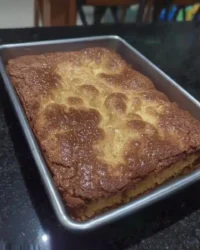
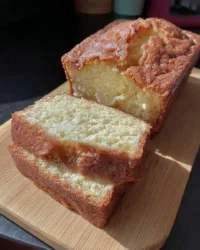
This Classic Pound Cake represents the true test of a baker’s restraint, demanding that we let the crumb rest before taking that first luxurious slice. Beneath its beautifully cracked, caramelized exterior lies a tender density that feels wonderfully creamy on the tongue. By allowing the butter and sugar to fully marry over several quiet hours, we achieve a texture that is rich, grounded, and deeply satisfying. It is a quiet masterpiece that honors the slow, patient traditions of home baking.
What Makes the Classic Pound Cake Texture Sing
Prep: 10 min · Serves: 12 · Difficulty: Easy
- Rich butter flavor that coats the tongue beautifully.
- Tender, velvety crumb that slices incredibly clean.
- Golden caramelized crust that offers subtle chew.
- Essential pantry ingredients you already have at home.
- Keeps beautifully for days, growing softer with time.
This gentle bake yields a crumb so soft that the fork should glide through like butter. If you enjoy a fruity twist on this traditional texture, you might also adore our classic peach pound cake recipe.
Get The Full Cake Recipe
Print
Classic Pound Cake
- Total Time: 80 mins
- Yield: 12 servings
- Diet: Vegetarian
Description
This traditional pound cake features a rich, buttery flavor and a dense, velvety crumb that melts in your mouth. Perfect for a quiet afternoon treat, this recipe relies on simple, high-quality ingredients for a truly sophisticated bake.
Ingredients
- 1 cup unsalted butter, softened
- 1 1/2 cups granulated sugar
- 4 large eggs, room temperature
- 1/2 cup sour cream, room temperature
- 2 cups all-purpose flour
- 1/2 teaspoon salt
- 1 teaspoon baking powder
- 1 tablespoon vanilla extract
Instructions
- Prepare the oven. Preheat your oven to 350°F and grease a standard loaf pan thoroughly with butter and a dusting of flour.
- Whisk dry ingredients. In a medium bowl, gently whisk together the all-purpose flour, salt, and baking powder until evenly distributed.
- Cream butter and sugar. Beat the softened butter and granulated sugar in a stand mixer on medium speed for two minutes until light and fluffy.
- Incorporate the eggs. Add the eggs one at a time, mixing well after each addition and scraping down the sides of the bowl as needed.
- Mix in wet ingredients. Add the sour cream and vanilla extract, mixing on low speed until the batter is just combined.
- Fold in flour. Gradually add the flour mixture to the wet base, mixing on the lowest setting until just incorporated, then finish by hand with a spatula.
- Bake the cake. Pour the batter into the prepared loaf pan and bake for approximately 65 minutes, or until a wooden skewer inserted in the center comes out clean.
- Cool the cake. Allow the loaf to rest in the pan for 10 minutes before transferring it to a wire rack to cool completely before slicing.
Notes
- Ensure all dairy and egg components are at room temperature to prevent the batter from curdling during the mixing process.
- Use high-quality unsalted butter for the most authentic flavor and texture.
- Avoid overmixing the batter once the flour is added to ensure the cake remains tender rather than tough.
- Wait for the loaf to cool fully on a rack to allow the crumb structure to set before serving.
- Prep Time: 15 mins
- Cook Time: 65 mins
- Category: Dessert
- Method: Baking
- Cuisine: American
From the Mediterranean Pantry
Selecting the right components for this traditional bake is a quiet exercise in patience and quality. Because there are no complex spices to hide behind, each element must speak clearly of fresh cream, sweet sugar, and rich butter. The interaction between these basic pantry staples creates the signature dense crumb we cherish.
- Unsalted butter: This provides the foundational richness and structure, so using high-quality butter at room temperature is essential for a velvety melt-in-your-mouth feel.
- Granulated sugar: Beyond adding a clean sweetness that is sweet, never cloying, the sugar crystals cut tiny pockets of air into the butter during the creaming stage.
- Large eggs: Operating as the primary structural binder, eggs give the dense crumb its beautiful golden hue and natural lift.
- Sour cream: Introducing thick sour cream brings a gentle acidity that tenderizes the gluten, providing a deep, lingering moisture that keeps the loaf soft for days.
- All-purpose flour: Providing the essential framework, flour must be measured with absolute precision to keep the crumb dense without becoming dry or heavy.
- Vanilla extract: A generous splash of pure vanilla rounds out the buttery notes, filling your kitchen with a warm, comforting aroma as the oven does its work.
| Ingredient | Why It Matters |
|---|---|
| Room Temperature Butter | Creates a smooth, aerated base when creamed, promoting a soft rise. |
| Sour Cream | Adds natural acidity and moisture to keep the crumb meltingly tender. |
| Fresh Eggs | Provide structure and natural leavening without relying on heavy chemical agents. |
| Granulated Sugar | Caramelizes the exterior edges to produce that prized, deep golden crust. |
The Method, Step by Step
Step 1: Preparing Your Tools and Ingredients
Begin by bringing all of your cold ingredients to true room temperature, allowing the butter, eggs, and sour cream to rest on the counter for at least an hour. This patience guarantees they emulsify smoothly without curdling. Butter and flour your loaf pan with care, making sure every corner is coated so the delicate crust releases without tearing later.
Step 2: Sifting the Dry Foundations
In a quiet bowl, gently whisk together the all-purpose flour, salt, and baking powder. Sifting these dry elements together distributes the leavening evenly, preventing any unwanted pockets of salt in your finished slice. You want a uniform, cloud-like mixture that will incorporate effortlessly into the wet batter later on.
Step 3: Creaming the Butter and Sugar
Using your stand mixer fitted with the whisk attachment, beat the softened butter on medium speed for about two minutes until it becomes pale and creamy. Slowly stream in the granulated sugar, letting the machine run for another two minutes until the mixture looks fluffy and resembles whipped cream. This stage incorporates the delicate pockets of air that will help our heavy batter rise beautifully.
Step 4: Incorporating the Eggs One by One
With the mixer running on medium-low speed, slip the eggs into the bowl one at a time, allowing each to fully disappear before adding the next. Stop to scrape down the sides of the bowl with a flexible spatula to promote a completely uniform batter. The mixture should look glossy, smooth, and slightly thickened as the eggs emulsify with the sweet butter.
Step 5: Folding in the Sour Cream and Vanilla
Add the room-temperature sour cream and the vanilla extract to the whipped cream base, mixing on low speed until barely combined. The batter will release a warm, sweet perfume of vanilla and dairy as these rich ingredients unite. Do not overmix here; you want to preserve all the delicate air you have spent the last few minutes building up.
Step 6: Gently Blending the Flour
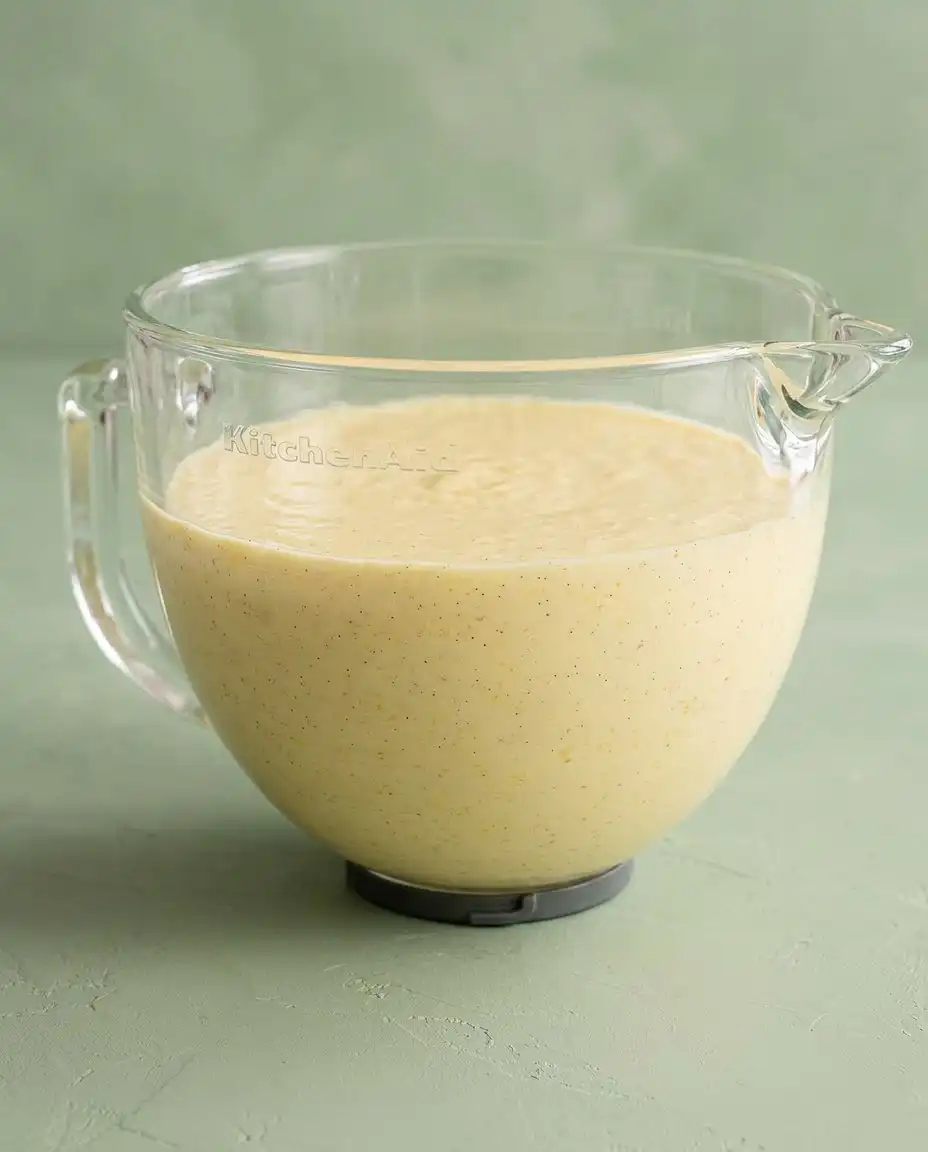
Pour the flour mixture into the wet batter, turning the mixer to its lowest setting to gently combine the ingredients. Stop the machine while there are still a few visible streaks of flour, finishing the mixing by hand with your spatula to prevent gluten development. The finished batter should be thick, smooth, and fall from the spatula in a heavy, luxurious ribbon.
Step 7: Bake Your Classic Pound Cake to Golden Perfection
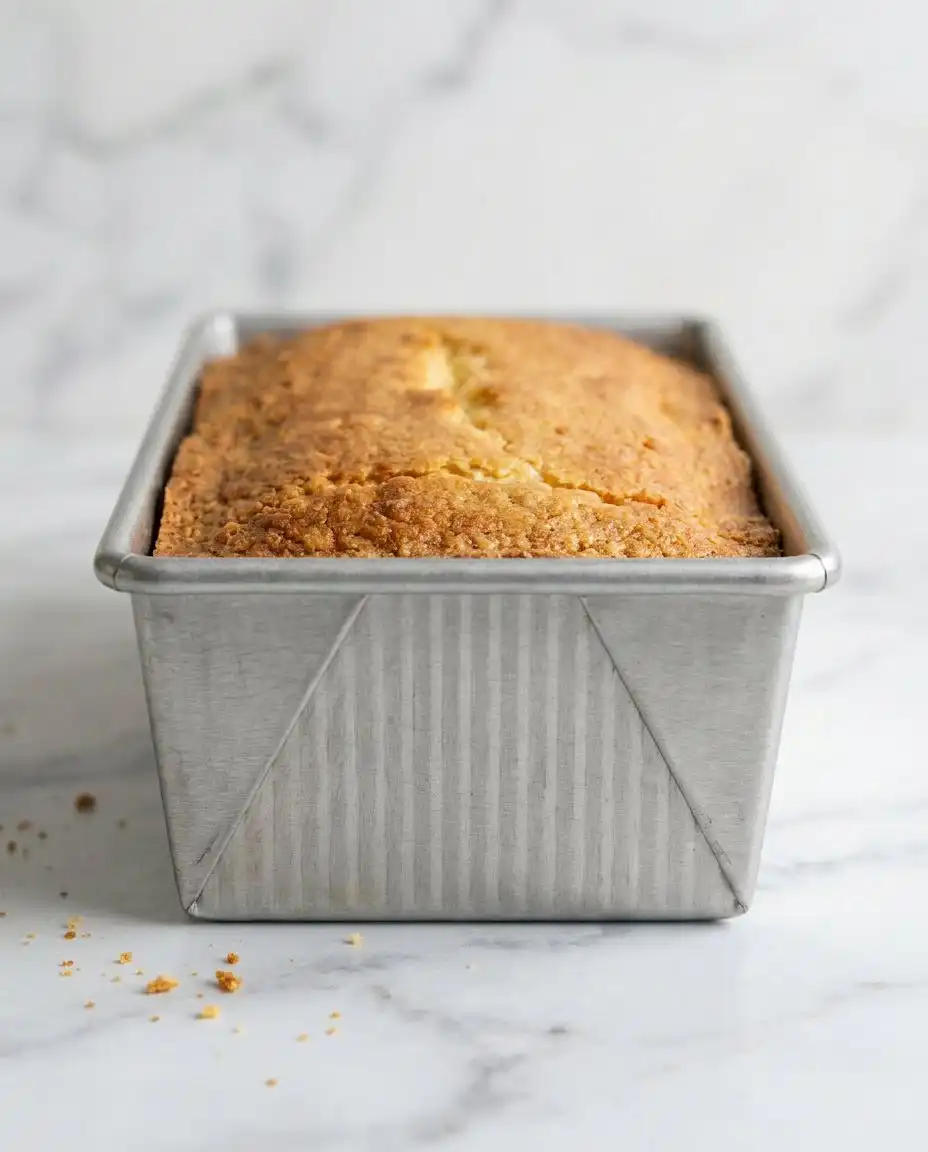
Transfer the thick batter into your prepared loaf pan, smoothing the surface into an even layer with the back of a spoon. Place two thin strips of butter lengthwise down the center of the batter to encourage that beautiful, signature bakery-style crack. Slide the pan into a preheated oven at 350°F and let it bake undisturbed for about 65 minutes, filling your home with the golden scent of toasted sugar and rich butter.
Step 8: Testing for Doneness and the Rest
Insert a long wooden skewer into the very center of the loaf; it should emerge clean or with a few moist, tender crumbs clinging to it. The crust should be a deep golden brown, yielding gently to a soft press of your fingertip. Let the cake rest in its warm pan for exactly ten minutes before gently turning it out onto a wire cooling rack to cool completely.
Mediterranean Baker’s Notes
To achieve a truly tender crumb, avoid using cold ingredients straight from the refrigerator. Cold dairy will cause the butter to seize and curdle during mixing, which ruins the delicate emulsion needed for a soft texture.
For those who prefer a slightly more traditional, tight crumb rather than a lighter one, consider exchanging the whisk attachment for a paddle. Using a paddle incorporates less air into the butter, resulting in a wonderfully heavy, traditional slice that feels comforting and substantial.
If your cake sinks in the center during baking, this is usually caused by opening the oven door too early in the baking cycle. The sudden rush of cool air disrupts the delicate rise before the structure has fully set, so keep the door firmly closed for the first 45 minutes of baking.
If you find your edges are browning too quickly while the center remains wet, gently tent the top loosely with a sheet of aluminum foil. This clever technique shields the surface from direct heat, allowing the dense interior of your lemon pound cake or classic loaf to bake through evenly.
To understand the foundational ratios of this historic bake, you can refer to this helpful guide on traditional pound cake ratios. It explains how the traditional weight-based approach evolved into the modern volume measurements we use in home kitchens today.
Patience is the secret when it comes to slicing this masterpiece. Slicing into a hot loaf will tear the delicate crumb and release steam, leaving the interior feeling wet and gummy rather than velvety.
Frequently Asked Questions
What is the original pound cake?
The traditional recipe dates back to the early eighteenth century and was defined by its straightforward, weight-based formula. It called for exactly one pound each of four basic ingredients: butter, sugar, flour, and eggs. This ratio ensured that home bakers could easily memorize the recipe and achieve a dense, satisfying loaf without the need for scales or modern measuring cups.
Why is it called a pound cake?
The name comes directly from the historic recipe that required a literal pound of butter, sugar, eggs, and flour. This generous proportion yielded a very large, heavy loaf that was designed to feed large families or keep for long periods. Today, we scale down the portions to fit standard loaf pans, but the name remains a tribute to this classic ratio.
What are the 4 ingredients in pound cake?
The classic four ingredients are unsalted butter, granulated sugar, all-purpose flour, and fresh eggs. Modern recipes often introduce small additions like sour cream or baking powder to enhance the moisture and texture. However, the soul of the recipe still rests entirely on those four foundational elements.
How do you store leftover pound cake?
To keep the crumb incredibly soft and moist, wrap the completely cooled loaf tightly in plastic wrap and store it at room temperature for up to four days. Avoid refrigerating the cake, as the cold temperature will dry out the butter and make the texture feel crumbly and heavy. If you must keep it longer, freezing is a much better alternative.
Can you freeze pound cake for later?
Yes, this buttery cake freezes beautifully and retains its tender moisture remarkably well. Wrap individual slices or the entire loaf in plastic wrap, followed by a sturdy layer of aluminum foil, and freeze for up to three months. To serve, let the cake thaw slowly in its wrapping at room temperature overnight, allowing the moisture to reabsorb into the crumb.
Why did my pound cake turn out dry?
A dry cake is almost always the result of overmeasuring the flour or overbaking the loaf. To prevent this, use a digital scale to measure your flour precisely, or spoon it gently into your measuring cup and level it with a knife. Additionally, start testing the center of the cake with a skewer a few minutes before the baking time is up.
Can I substitute the sour cream?
If you do not have sour cream on hand, you can substitute it with an equal amount of full-fat Greek yogurt. The natural acidity of the yogurt performs the same tenderizing function, keeping the crumb beautifully melting and soft. Avoid low-fat or fat-free varieties, as the fat content is essential to achieving that rich, luxurious texture.
Make It Yours
To bring a touch of the sunny Mediterranean coast into your kitchen, fold the fresh zest of two organic lemons directly into the sugar before creaming. This simple addition infuses the entire loaf with a bright, aromatic oil that cuts through the rich butter beautifully.
If you crave the sweet warmth of summer stone fruits, you can easily adapt this base into our beloved old fashioned peach cobbler pound cake recipe. By folding caramelized peaches and a touch of warm cinnamon into the batter, you create an incredibly moist dessert that marries the best of two nostalgic worlds.
For a traditional eastern Mediterranean variation, replace the vanilla extract with a splash of orange blossom water or delicate rose water. Scatter a generous handful of finely ground raw pistachios over the top of the batter before baking to create a beautiful, pale green crown that toasts to a sweet, nutty richness in the oven’s heat.
Coffee & Cake Pairings
Serving this traditional loaf is an art of simplicity that honors the slow cadence of a late Mediterranean afternoon. Squeeze a thick, golden slice onto a small ceramic plate, and let it stand at room temperature so the butter is completely soft and melting. A small cup of hot Turkish coffee or dark, unsweetened tea makes the ideal companion, as the rich bitterness cuts through the sweet, dense crumb in a harmonious dance of flavors.
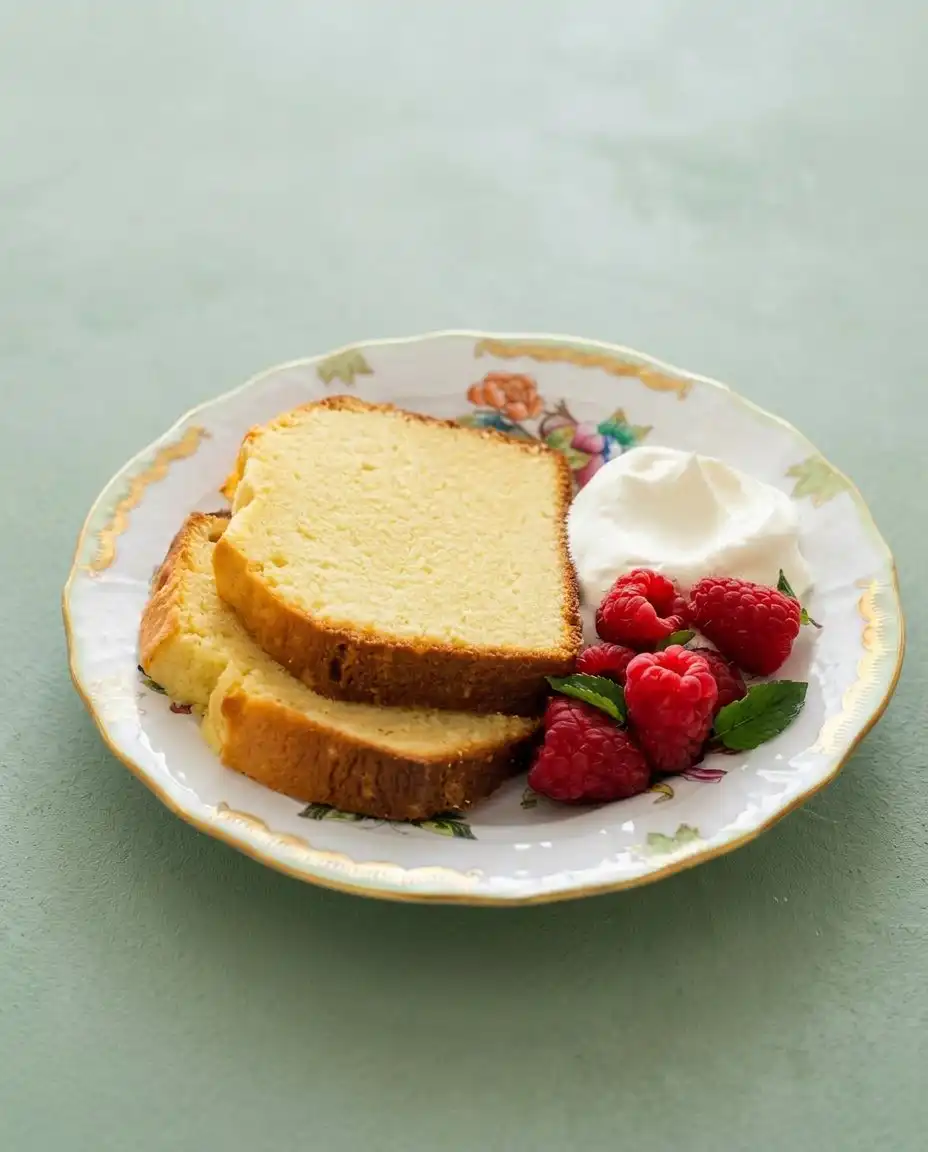
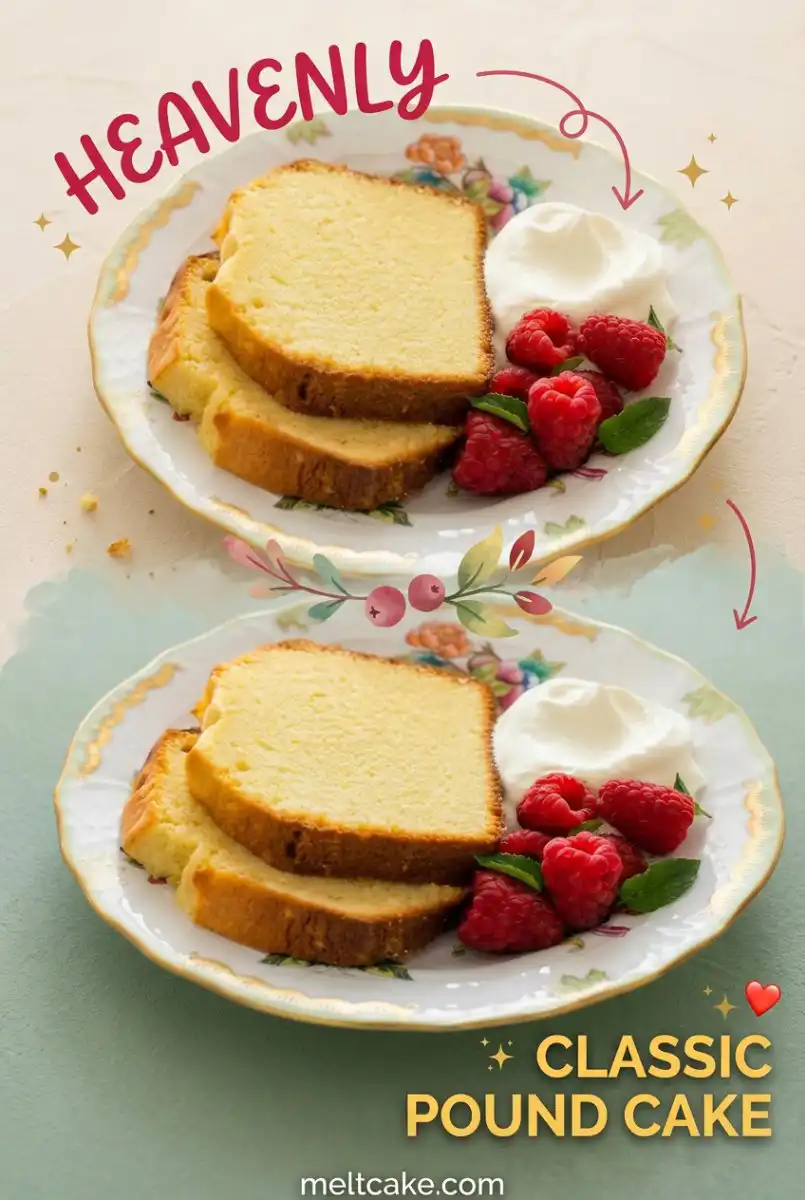
For a special gathering under the warm sun, garnish each plate with a light spoonful of fresh, unsweetened whipped cream and a handful of ripe summer berries. If you wish to offer your guests a beautiful variation of flavors at the table, consider pairing this classic with a plate of our fragrant lemon pound cake 3. The bright citrus notes of the lemon loaf contrast beautifully with the warm vanilla and butter tones of this traditional recipe.
Let It Rest, Then Slice
As the warm aroma of sweet butter fades from your kitchen, the real transformation begins. It is the waiting, the quiet rest on the cooling rack, that allows the crumb to settle into its final, velvet state. This patient rest is the secret to a slice where the fork should glide through like butter, offering a sweet, never cloying bite that makes every second of waiting worthwhile.
Bring this cake to your next family gathering at sunset, and watch how a simple, honest slice can bring people together in quiet conversation. If you find yourself dreaming of other rich, buttery bakes, do try our wonderful peach cobbler pound cake 2 for a truly comforting treat. I invite you to share your baking journey with our warm community on Pinterest, Facebook, and Telegram.