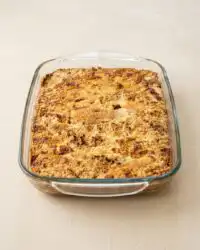
In Mediterranean baking, we know that true sweetness is never rushed; it is slowly folded and soaked until it melts, much like this delicate mango cake.

When you slice into a properly chilled Classic Mango Mousse Cake, you realize that some desserts are meant to be felt as much as tasted. This cake balances a light, syrup-moistened sponge with a cloud of tropical cream that feels like cool silk on the tongue. We do not rush this process because the reward is a beautiful texture that glides effortlessly with every forkful. Let us take our time today to build these gorgeous layers of fruit, sponge, and cream.\n\nIn my kitchen, we treat the assembly of this dessert as a quiet ritual. The golden hue of the fruit brings to mind late afternoon sun warming a stone terrace. By combining a light sponge with a velvety fruit cream, we create a dessert that is light, satisfying, and deeply refreshing. Every slice tells a story of temperature, patience, and careful preparation.
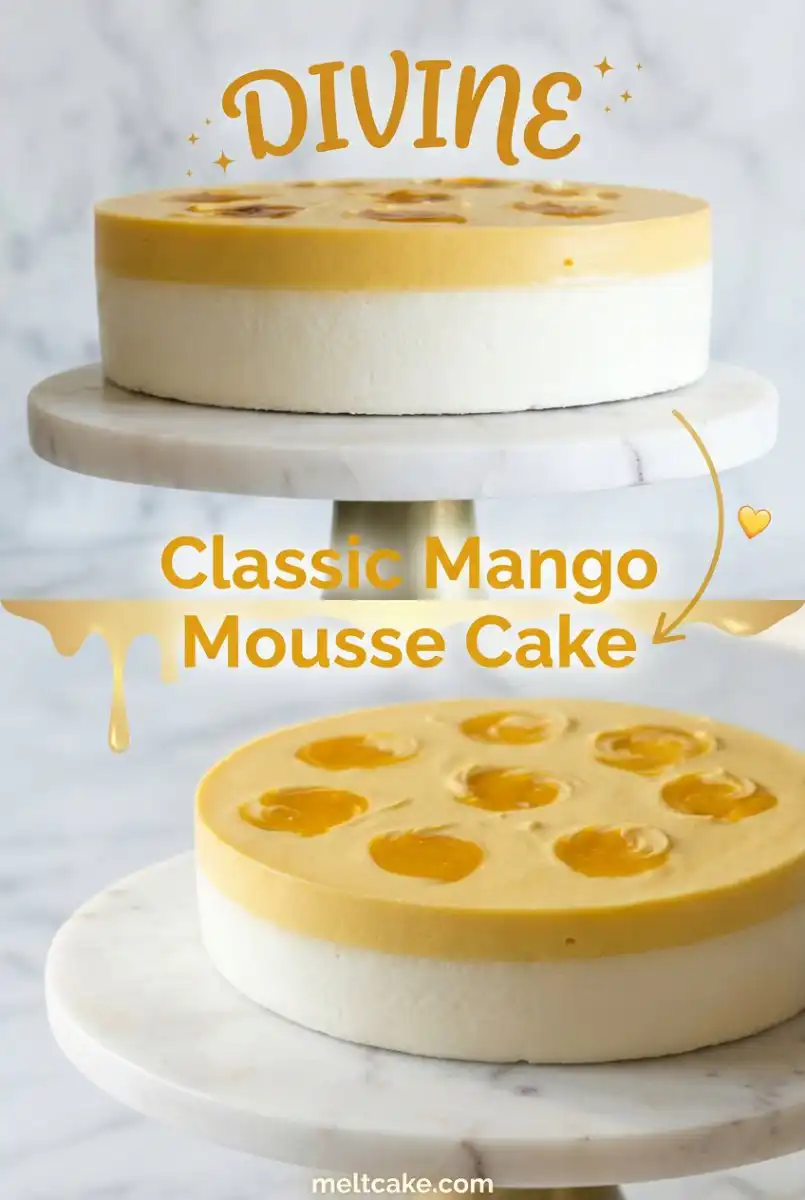
The Heart of the Soak: Classic Mango Mousse Cake\n\nPrep: 40 min · Serves: 10 · Difficulty: Medium\n\n* A sponge that drinks up rich syrup.\n* Velvety mango mousse that dissolves on tongue.\n* A glossy, golden mango gel topping.\n* Pure tropical fruit flavor without excessive sugar.\n* An elegant centerpiece for warm afternoon tables.\n\nThis cake will redefine what a light dessert means to your guests. If you love preparing a light, fruit-forward cake with fruit for warm afternoons, this recipe provides a great reward for your patience.
Get The Full Cake Recipe
Print
Classic Mango Mousse Cake
- Total Time: 9 hours
- Yield: 10 servings
- Diet: Vegetarian
Description
This elegant dessert features a light, syrup-soaked sponge layered with a silky mango mousse and finished with a glossy tropical fruit glaze. It is a refreshing, sophisticated centerpiece perfect for slow, warm afternoons.
Ingredients
- 3 large eggs, at room temperature
- 1/2 cup granulated sugar
- 1/2 cup all-purpose flour
- 1/4 teaspoon baking powder
- 1/3 cup sugar (for syrup)
- 1/4 cup water (for syrup)
- 1 1/2 cups heavy whipping cream
- 3–6 tablespoons icing sugar
- 2 cups canned Kesar mango puree
- 7 grams unflavored gelatin
- 50 milliliters cold water (for mousse gelatin)
- 1 cup mango puree (for topping)
- 3–6 tablespoons sugar (for topping)
- 1 1/2 teaspoons gelatin (for topping)
- 7 teaspoons water (for topping gelatin)
Instructions
- Prep your oven. Preheat the oven to 350°F (175°C) and line an eight-inch round springform pan with parchment paper.
- Whip the eggs. Beat three eggs with half a cup of sugar for seven to ten minutes until the mixture triples in volume and forms thick ribbons.
- Fold the flour. Sift the flour and baking powder over the eggs, gently folding them in with a spatula to maintain the airy structure.
- Bake the sponge. Spread the batter into the pan and bake for twenty to twenty-five minutes until golden and a toothpick comes out clean.
- Soak the cake. Boil a third cup of sugar with a quarter cup of water to create syrup, then brush it generously over the cooled cake base.
- Mix the mousse. Whip the heavy cream with icing sugar until stiff, then gently fold it into two cups of mango puree.
- Set the mousse. Bloom the gelatin, heat until liquid, temper with a little mousse, fold back in, and pour over the sponge before chilling for eight hours.
- Prepare the glaze. Mix the remaining mango puree with sugar, combine with the dissolved gelatin mixture, and stir until smooth.
- Finalize the topping. Pour the mango glaze over the set mousse, tilt the pan to cover evenly, and refrigerate for two to four hours until firm.
Notes
- Ensure all equipment is completely free of grease to achieve the best volume when whipping eggs.
- Bloom the gelatin thoroughly in cold water to prevent lumps before heating it to a liquid state.
- Temper the gelatin by adding a small amount of the cold mango mixture to the warm liquid before combining it with the rest.
- Pop any visible air bubbles on the surface of the glaze with a toothpick for a professional, mirror-like finish.
- Always keep the cake chilled until the very moment of serving to maintain the structure of the mousse.
- Prep Time: 40 mins
- Cook Time: 25 mins
- Category: Dessert
- Method: Baking
- Cuisine: Mediterranean-inspired
From the Mediterranean Pantry for Classic Mango Mousse Cake\n\nTo build a Classic Mango Mousse Cake that melts beautifully, we must gather ingredients that emphasize pure texture. This recipe relies on the natural sweetness of quality mangoes and the structural lightness of whipped eggs. By choosing your ingredients with care, you allow each layer to speak clearly in the finished dessert.\n\n* Kesar Mango Pulp: This canned puree provides the deep, honey-like sweetness that acts as the backbone of our filling and gel.\n* Knox Gelatin: The crucial setting agent that holds the silk-like cream together without making the layers rubbery.\n* Heavy Whipping Cream: Whipped to stiff peaks, this forms the luxurious, airy body of our tropical mousse layer.\n* Room Temperature Eggs: Whipping these to triple their volume builds the delicate structure of our light sponge cake.\n* Stock Syrup: A simple sugar and water reduction that keeps the sponge moist and beautifully tender.\n* Icing Sugar: This powder dissolves into the cold whipping cream to provide a subtle, balanced sweetness.\n* All-Purpose Flour: Sifted with care, this provides just enough structure to hold the sponge together without adding weight.\n\n| Ingredient | Why It Matters |\n| :— | :— |\n| Kesar Mango Pulp | Delivers a deep, concentrated tropical honey flavor. |\n| Knox Gelatin | Provides a reliable, delicate set for the creamy layers. |\n| Heavy Cream | Creates the signature cloud-like volume and silkiness. |\n| Fresh Eggs | Build the airy, sponge structure without heavy fats. |\n| Simple Syrup | Keeps the cake crumb tender and moist. |
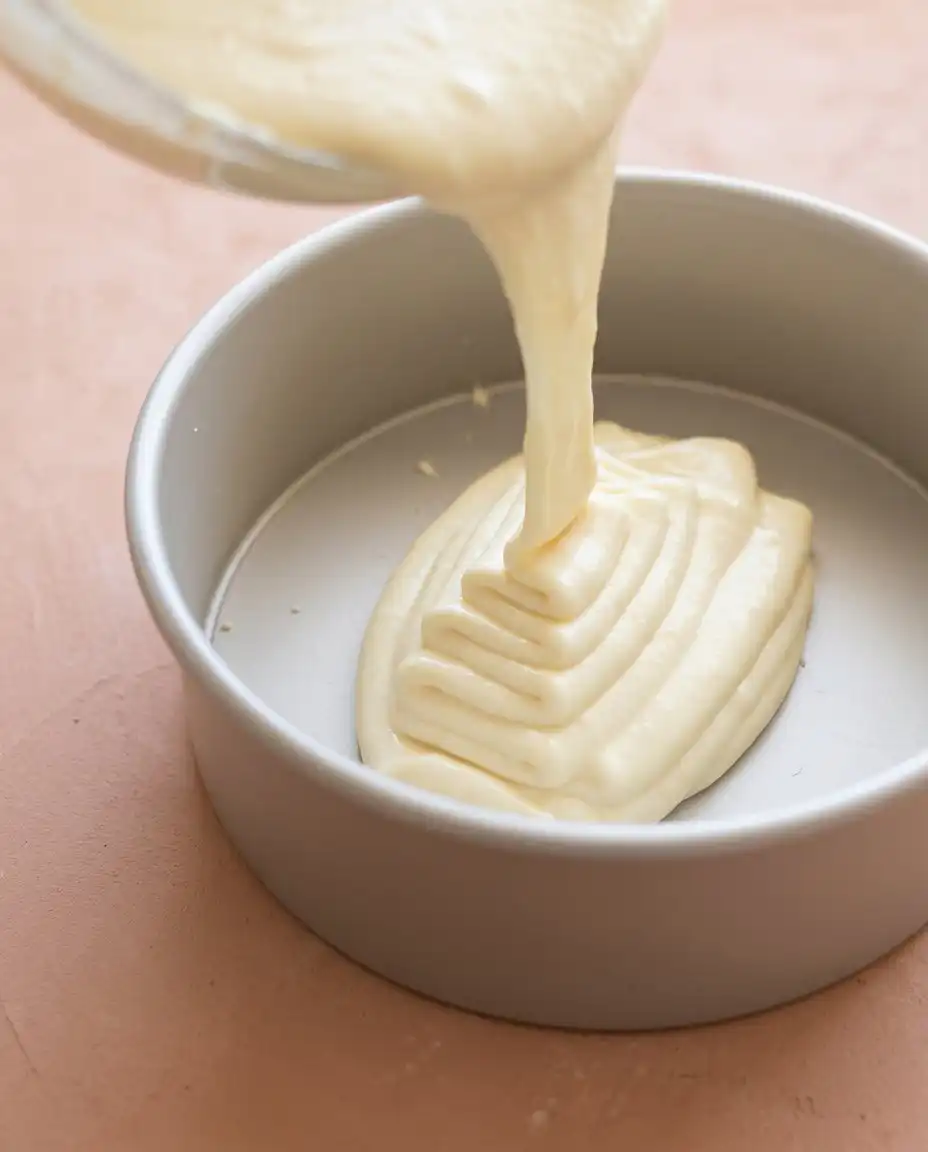
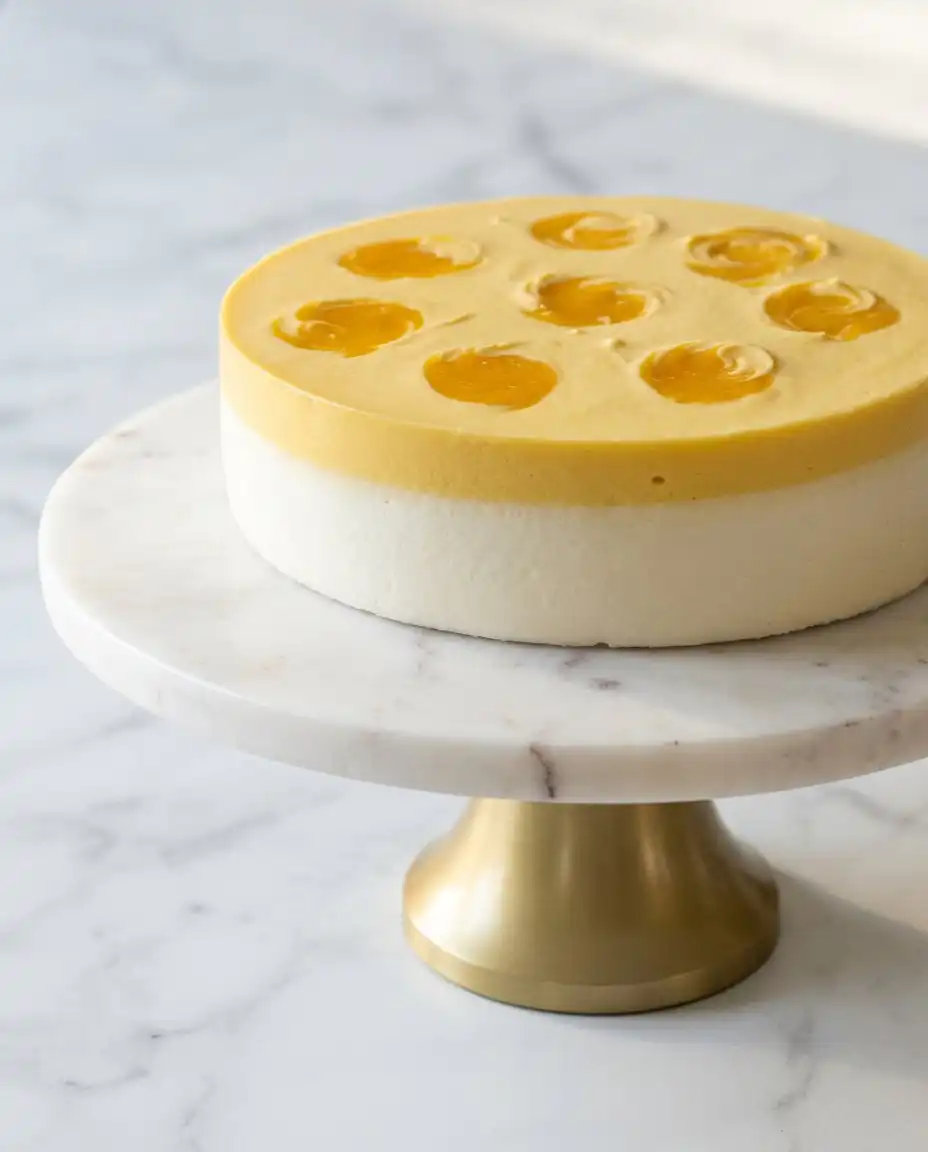
Cake, Syrup, Rest: Building a Classic Mango Mousse Cake\n\n### Step 1: Prep the Oven and Pan\nBefore we begin whisking, set your oven to 350°F (175°C) to confirm a stable baking temperature. Grease the bottom of an eight-inch round springform pan and line it with a circle of parchment paper. Preparing the base for your Classic Mango Mousse Cake carefully helps guarantee your sponge releases cleanly, preserving its smooth edges.\n\n### Step 2: Beat the Eggs to Ribbon Stage\nIn the bowl of your stand mixer, whip three room-temperature eggs for about one minute until they become foamy. Slowly add the half cup of sugar, continuing to beat on high speed until the mixture triples in volume. You will know it is ready when the batter falls from the lifted whisk in thick, lazy ribbons that remain on the surface for a few seconds. This stage takes about seven to ten minutes of patient whipping.\n\n### Step 3: Fold the Flour Gently\nCombine your half cup of all-purpose flour and quarter teaspoon of baking powder, sifting them directly over the whipped egg mixture in small increments. Using a flexible rubber spatula, fold the flour into the eggs with a gentle, circular motion from the bottom upward. Work slowly to keep your Classic Mango Mousse Cake airy and prevent the whipped egg structure from collapsing. Double-check the bottom of the bowl to make sure no dry flour pockets remain hidden.\n\n### Step 4: Bake the Sponge Cake\nGently scrape the airy batter into your prepared pan and smooth the top with your spatula. Baking the sponge for your Classic Mango Mousse Cake at 350°F takes twenty to twenty-five minutes, or until the top turns a pale, golden brown. A wooden toothpick inserted into the center must come out clean and dry. Let the cake rest in its pan for a few minutes before transferring it to a wire rack to cool completely.\n\n### Step 5: Assemble the Classic Mango Mousse Cake Base\nOnce the sponge is entirely cool, peel off the parchment backing and place the cake back inside the clean springform pan ring. Prepare your stock syrup by boiling a third cup of sugar with a quarter cup of water until the crystals dissolve. Brush the warm syrup generously over the cake surface, letting it sink into the golden crumb to guarantee a meltingly tender bite. You will only need a portion of this syrup, so save the remainder in a jar for another sweet afternoon.\n\n### Step 6: Prepare the Mango Mousse Filling\nTo create the silky filling, whip one and a half cups of cold heavy cream with three to six tablespoons of icing sugar until stiff peaks form. In a separate large bowl, measure out two cups of the canned mango puree. Whipping the filling for your Classic Mango Mousse Cake involves folding the whipped cream gradually into the mango puree in thirds, using slow, sweeping strokes until the mixture reaches a uniform, sunny color. The cream should look smooth, light, and beautifully aerated.\n\n### Step 7: Temper and Set the Mousse Layer\nSprinkle seven grams of unflavored gelatin over fifty milliliters of cold water in a small bowl, letting it sit for a minute to bloom. Microwave the mixture for fifteen seconds until it turns clear and liquid, then let it cool slightly so it is warm but not hot. Setting the middle layer of your Classic Mango Mousse Cake requires tempering the gelatin by stirring a quarter cup of your mango cream into it, then quickly folding this mixture back into the main bowl. Pour this glossy mixture over the cake layer, smoothing the surface, and chill in the refrigerator for eight hours to set.\n\n### Step 8: Prepare the Mango Gel Topping\nMix one cup of mango puree with three to six tablespoons of sugar in a bowl, tasting to guarantee a balanced flavor. The glossy top glaze of your Classic Mango Mousse Cake needs another teaspoon and a half of gelatin bloomed in seven teaspoons of water, then microwaved for ten seconds until dissolved. Temper this warm gelatin by stirring in two tablespoons of the sweetened mango puree, then combine it back into the main bowl of puree. This tempering step prevents the cold puree from seizing the gelatin, making sure you get a smooth glaze.\n\n### Step 9: Pour and Finalize the Gel Layer\nFinishing the final layer of your Classic Mango Mousse Cake requires pouring the prepared mango gel carefully over the set mousse layer. Tilt the pan gently to cover the entire surface evenly, then return the cake to the refrigerator for an additional two to four hours until the top layer sets into a brilliant, glossy mirror. Patience is the secret to achieving clean, beautiful layers that hold their shape when sliced. Once set, run a thin warm knife around the edge of the springform pan before releasing the ring.
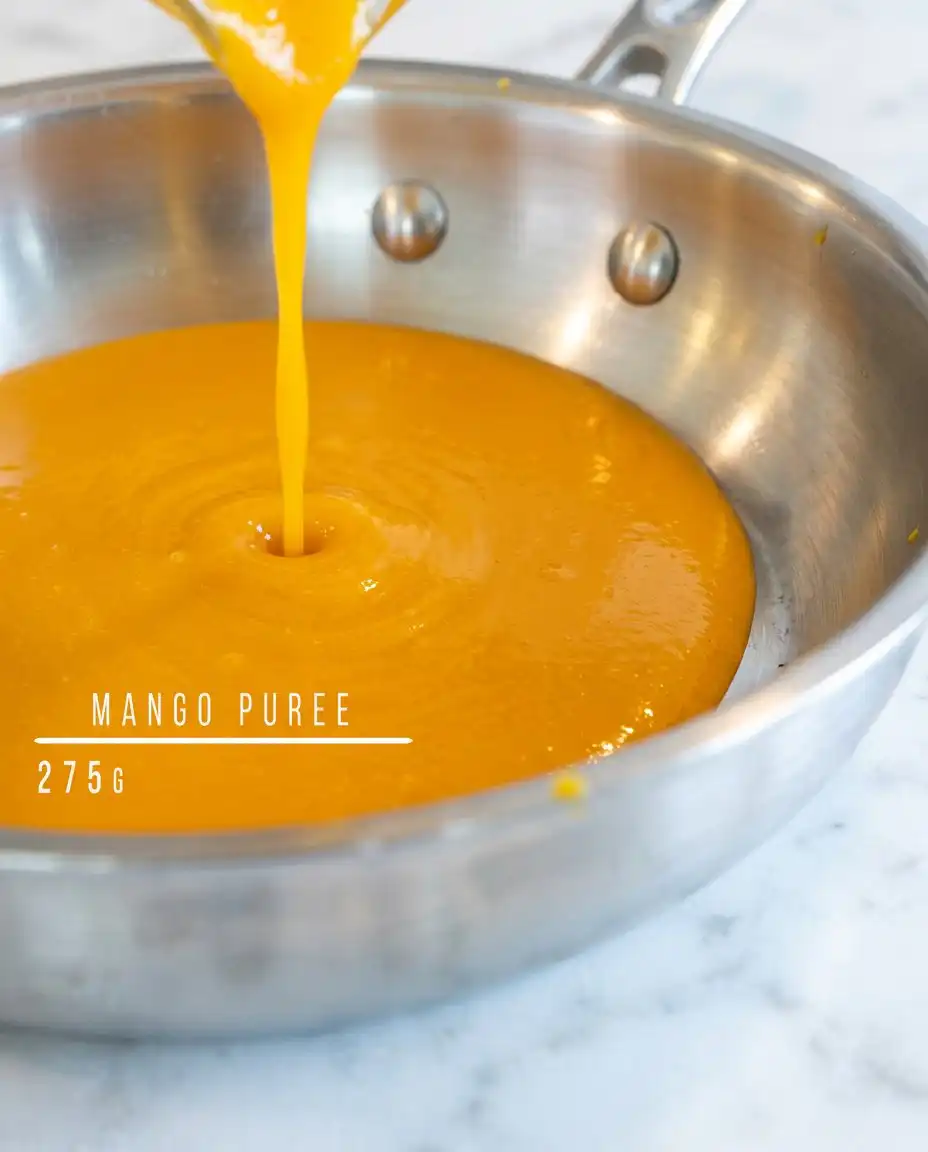
Patience-Pays-Off Tips for Classic Mango Mousse Cake\n\nWhen setting your Classic Mango Mousse Cake, if your mousse fails to set after several hours, the gelatin may have been overheated or not bloomed correctly. To fix this, confirm your water is cold when blooming, and never let the gelatin boil in the microwave, as excessive heat destroys its setting properties.\n\nFor the highest quality Classic Mango Mousse Cake flavor, choosing the right mango puree makes all the difference in achieving a clean, authentic taste. I highly recommend canned Kesar or Alphonso mango pulp, as they offer a consistent, fiber-free texture that fresh mangoes often lack.\n\nWhipping the eggs for a Classic Mango Mousse Cake sponge requires that your mixing bowl and beaters are completely free of fat or moisture. Even a tiny drop of grease can prevent the egg proteins from holding the air bubbles required for a light rise.\n\nIf you want to see how this process looks in action, reading our classic mango sponge cake story can help you visualize the delicate ribbon stage. Seeing the texture of whipped eggs helps build confidence before you begin baking.\n\nEnsuring the mirror glaze on your Classic Mango Mousse Cake looks clean requires popping any small air bubbles on the surface using a toothpick before placing the cake in the fridge. This simple detail creates a smooth, mirror-like appearance that refines the presentation.\n\nWhen preparing your gelatin mixtures, referring to this guide on detailed sponge cake ratios and mousse setup can provide excellent technical clarity for your kitchen. Having these precise measurements on hand makes the layering process completely stress-free.
Frequently Asked Questions
Can I use fresh mangoes instead of canned puree for this Classic Mango Mousse Cake?
Yes, you can use fresh mangoes, but they must be extremely ripe and thoroughly blended. Be sure to strain the puree through a fine-mesh sieve to remove any stringy fibers. Canned Kesar pulp remains the preferred choice for this Classic Mango Mousse Cake because of its consistent sweetness and ultra-smooth texture.
How do I store leftovers of this Classic Mango Mousse Cake?
Keep any remaining slices of your Classic Mango Mousse Cake in the refrigerator, stored in an airtight container or covered gently with plastic wrap. It will remain fresh and retain its delicate texture for up to three days. Avoid freezing the cake, as the gelatin-bound layers can lose their smooth structure upon thawing.
Why did my sponge cake turn out flat and dense?
This issue usually happens if the eggs were not whipped long enough or if the flour was folded in too aggressively. Make sure you beat the eggs until they reach a thick ribbon stage, which takes about seven to ten minutes. When adding the flour to this Classic Mango Mousse Cake base, use a very gentle hand and a rubber spatula to preserve the whipped air.
Is there a vegetarian alternative to the gelatin for the Classic Mango Mousse Cake?
You can substitute agar-agar powder for the gelatin, but the setting method and texture will differ slightly. Use about one-third of the amount of agar-agar compared to gelatin, and remember that agar-agar needs to be boiled to activate. This change will alter the melting mouthfeel of the Classic Mango Mousse Cake, making it slightly more firm.
How can I ensure the cake slices clean and neatly?
To guarantee clean, sharp slices of the Classic Mango Mousse Cake, use a long, sharp knife dipped in hot water and wiped dry before each cut. The warm metal will slide through the chilled gel and mousse layers effortlessly without tearing them. Clean the blade thoroughly after every single slice to keep the layers looking distinct.
Can I make this Classic Mango Mousse Cake ahead of time?
This is an excellent make-ahead dessert because your Classic Mango Mousse Cake requires at least eight to twelve hours of total chilling time to set properly. You can easily prepare the cake a full day before your gathering, letting it rest undisturbed in the refrigerator. This slow resting period actually allows the tropical flavors to meld together beautifully.
What should I do if my gel topping is too runny?
If your gel layer does not set within two hours, the gelatin might not have been fully dissolved or distributed in your Classic Mango Mousse Cake topping. You can gently scrape the topping off, reheat it with a tiny bit of bloomed gelatin, and pour it back over the cake once cooled. Always let the gel cool to room temperature before pouring it over the set mousse.
Across the Mediterranean: Classic Mango Mousse Cake Variations\n\nFor a warm, floral note that echoes Mediterranean afternoons, add a teaspoon of orange blossom water to the mango pulp. This delicate aroma blends beautifully with the tropical sweetness of the fruit, bringing a subtle, elegant complexity to your Classic Mango Mousse Cake layers.\n\nYou can fold a half teaspoon of finely ground cardamom into the flour mixture before baking the sponge. Once the cake is set, garnish the top with crushed raw pistachios to provide an excellent crunch to the Classic Mango Mousse Cake and contrast the velvety filling.\n\nIf you occasionally crave a deeper, richer profile, you might enjoy trying our chocolate mousse cake on colder days. This alternative offers a contrasting velvety experience that celebrates a different kind of slow, melting texture.
Coffee & Cake Pairings\n\nServing a slice of this Classic Mango Mousse Cake is an exercise in elegance and hospitality. I love to present this cake on a simple ceramic platter, allowing the bright golden layers to capture the light of the late afternoon. Pair each slice with a small, unsweetened cup of Turkish coffee or a light herbal tea to complement the natural fruit sweetness.\n\nFor those who enjoy experimenting with different fillings, incorporating a vanilla mousse cake filling can offer a lovely alternative for your dessert table. This vanilla component pairs beautifully with fresh berries or can even be layered alongside our Classic Mango Mousse Cake for a multi-toned effect. Whichever way you choose to serve it, make sure the cake remains chilled until the very moment of slicing.\n\nTo complete the presentation of this beautiful Classic Mango Mousse Cake, scatter a few finely chopped pistachios or a pinch of fresh lime zest across the top of the gel. The green contrast looks beautiful against the golden orange surface and adds a subtle, pleasant texture to the plate. Keep the focus on simplicity, allowing the clean lines of the cake to take center stage.