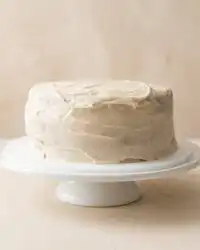
A crisp outer shell and a dense, buttery interior define the optimal sugar bake, achieved only through precise temperature control and exact flour hydration.

To achieve a truly tender crumb that holds its shape without turning dry or crumbly, we must examine the physical properties of our ingredients. This Rainbow Sprinkle Cookie Cake relies on a specific ratio of melted butter to flour, creating a dense, chewy structure that contrasts beautifully with a classic buttercream border. We avoid the common trap of cakey or dry textures by controlling gluten development through minimal mixing. The result is a refined dessert that slices cleanly and melts slowly on the palate, proving that structure is what makes the melt possible.
Why Precision Pays Off for This Rainbow Sprinkle Cookie Cake
Prep: 10 min · Serves: 12 · Difficulty: Medium
- Melted butter creates a dense, chewy crumb.
- Cornstarch blocks excessive gluten network development.
- High-quality white chocolate provides structural creaminess.
- Hand-mixing prevents tough, dry cookies.
- Saves time with a rapid bake cycle.
Understanding how fat and flour interact allows us to control the final mouthfeel of our baked goods. By avoiding mechanical mixing and measuring with accuracy, we can guarantee a soft, rich center that holds its shape cleanly upon slicing. If you are looking for more structured treats, our recipe index offers a wide selection of tested formulas. Weigh it, time it, trust it.
Get The Full Cake Recipe
Print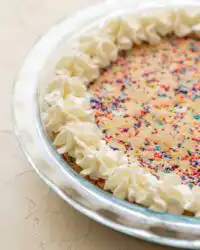
Rainbow Sprinkle Cookie Cake
- Total Time: 28 mins
- Yield: 12 servings
- Diet: Vegetarian
Description
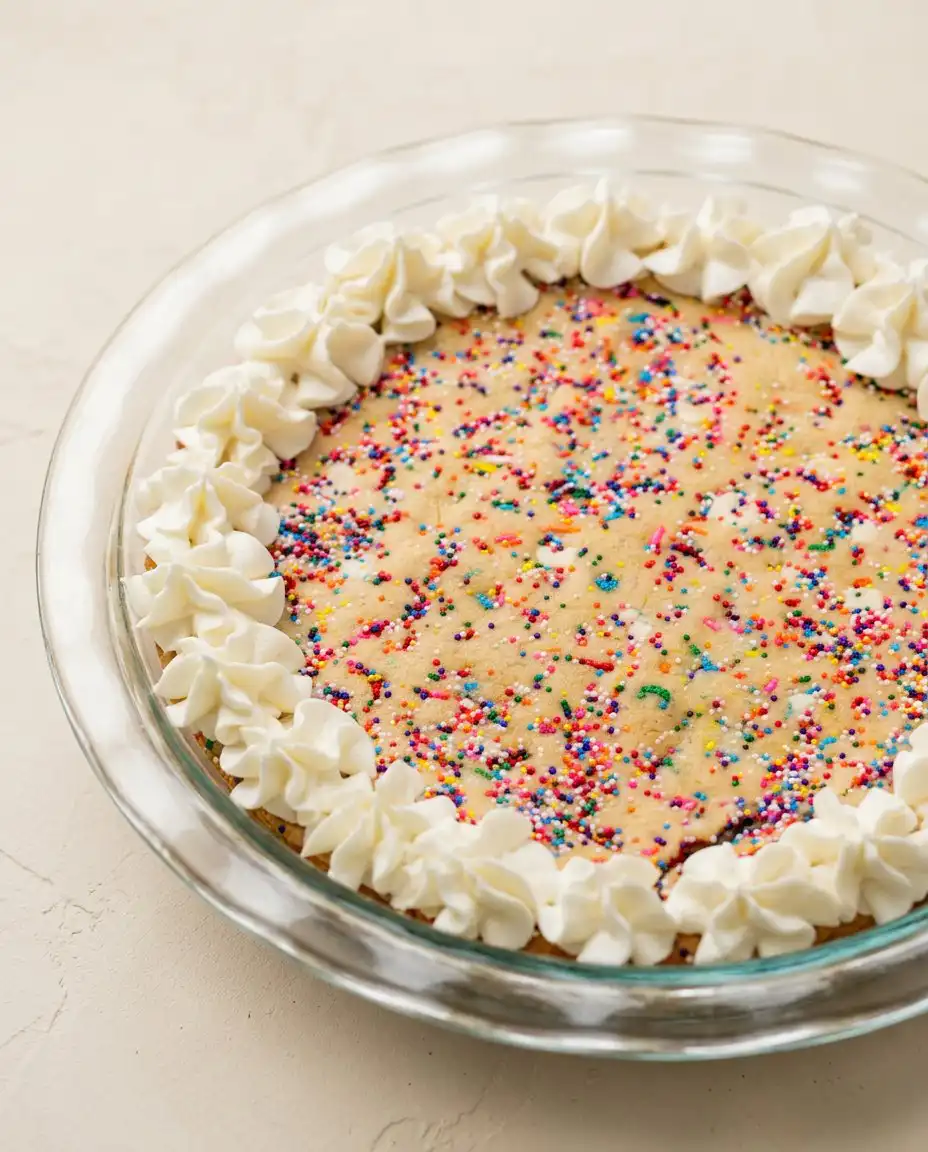
A dense, buttery cookie cake packed with colorful sprinkles and white chocolate chips, finished with a piped vanilla buttercream border. This recipe uses melted butter and cornstarch to achieve a perfectly chewy structure without a mixer.
Ingredients
- ½ cup unsalted butter, melted
- ½ cup light brown sugar
- ½ cup granulated sugar
- 1 large egg
- 2 teaspoons vanilla extract
- ½ teaspoon baking powder
- 1 teaspoon fine sea salt
- 1 tablespoon cornstarch
- 1 ¼ cups all-purpose flour
- ½ cup high-quality white chocolate chips
- ¼ cup rainbow sprinkles (jimmies)
- ½ cup unsalted butter, softened (for frosting)
- 2 ½ cups powdered sugar (for frosting)
- 2 teaspoons vanilla extract (for frosting)
- pinch of salt (for frosting)
- 2–3 tablespoons milk (for frosting)
Instructions
- Preheat and prep. Heat your oven to 350ºF (176ºC) and grease an 11-inch cookie cake pan, lining the bottom with parchment paper.
- Melt butter. Warm ½ cup unsalted butter until just melted, ensuring it does not boil.
- Mix sugars. Combine the melted butter with light brown sugar and granulated sugar in a large bowl, whisking by hand until uniform.
- Add wet ingredients. Stir in the egg, vanilla extract, baking powder, and salt until fully incorporated.
- Fold dry ingredients. Fold in the cornstarch and flour using a spatula until a soft dough forms, then gently fold in the white chocolate chips and sprinkles.
- Bake. Press the dough evenly into the prepared pan, top with extra sprinkles and chips, and bake for 16 to 18 minutes until the edges are light golden brown.
- Cool. Allow the cookie cake to cool completely in the pan on a wire rack before decorating.
- Frost. Beat the softened butter, vanilla, and salt for 1 minute, slowly add powdered sugar, then beat in milk one tablespoon at a time until creamy. Pipe a decorative border around the cooled cake.
Notes
- Scale your flour: Always use a digital scale to measure 156 grams of flour to prevent a dry or cakey texture.
- Choose jimmies: Use rod-shaped sprinkles to prevent color bleeding during mixing and baking.
- Do not overbake: Pull the cake when the center still looks slightly soft, as residual heat will finish the bake.
- Quality chocolate: High-quality white chocolate chips yield a much better texture and flavor than generic brands.
- Prep Time: 10 mins
- Cook Time: 18 mins
- Category: Dessert
- Method: Baking
- Cuisine: American
Ingredients & Their Role
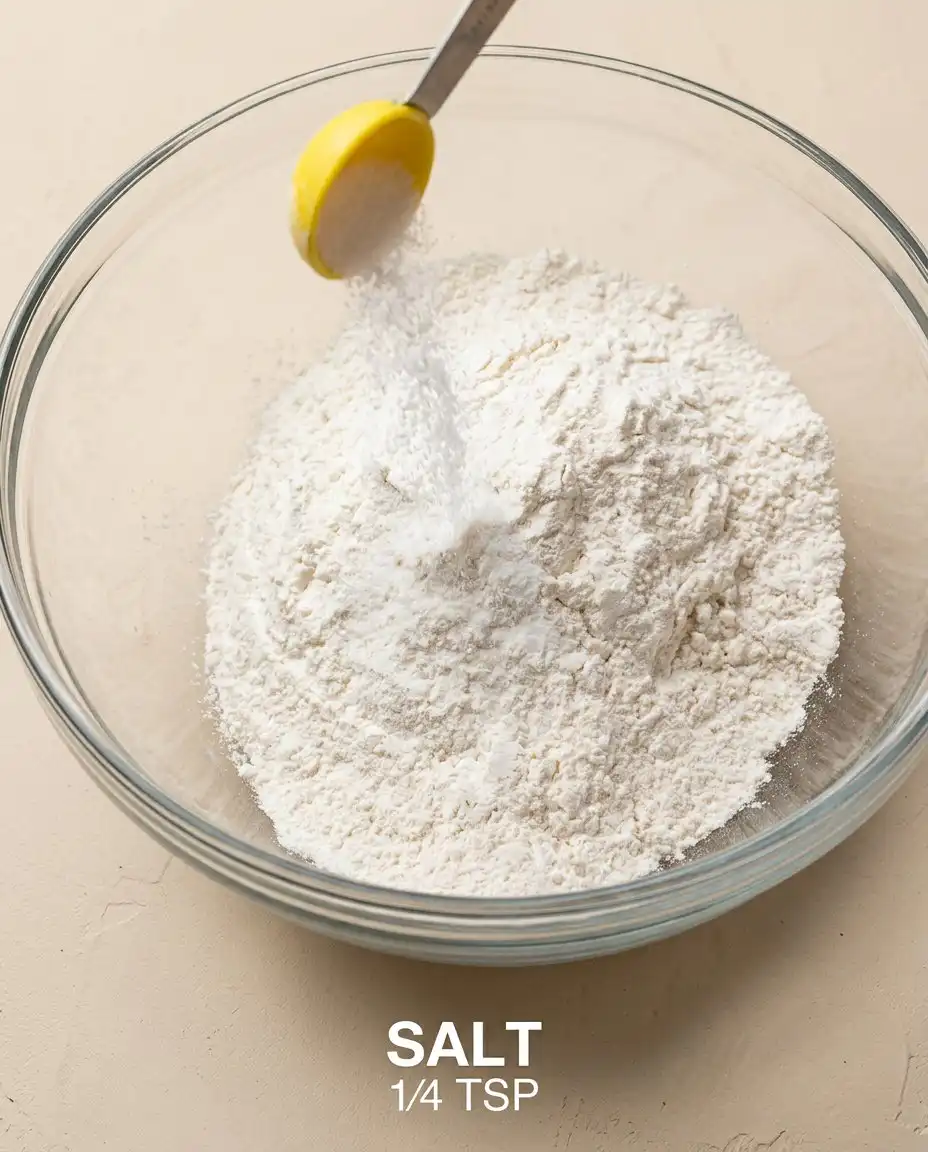
A successful bake relies entirely on the chemical balance of its components. Each ingredient in this formula serves a specific structural purpose, converting a basic dough into a chewy, stable dessert. By understanding these roles, you can control the outcome of your baking with confidence.
- Unsalted Butter: Melted to precisely 45°C (113°F) to minimize air incorporation, which keeps the cookie cake dense and chewy rather than light and cakey.
- Light Brown Sugar: Contains natural molasses that adds acidity and moisture, resulting in a soft, fudgy core after baking.
- Granulated Sugar: Provides sweetness while encouraging a slightly crisp outer crust through crystallization during the bake cycle.
- All-Purpose Flour: Offers the essential gluten-forming proteins that build the structural matrix of the cookie cake.
- Cornstarch: Absorbs moisture and disrupts gluten development, giving the crumb an exceptionally tender, melt-in-the-mouth quality.
- White Chocolate Chips: High-quality cocoa butter content contributes fat structure, helping the cake maintain its shape when sliced.
- Rainbow Jimmies: Rod-shaped sprinkles with a high melting point that resist bleeding, preserving clean lines of color throughout the bake.
| Ingredient | Why It Matters |
|---|---|
| Melted Butter | Eliminates creaming air to keep the crumb dense and chewy. |
| Cornstarch | Softens the flour proteins to guarantee a tender bite. |
| Brown Sugar | Retains moisture for a soft, fudgy middle. |
| Jimmies Sprinkles | Delivers festive color without melting into the dough. |
Step-by-Step Technique
Step 1: Prepare the Baking Environment
Prepare your workstation. Heat your oven to 176°C (350°F) and position the baking rack in the center to guarantee even heat distribution. Lightly grease an 11-inch metal cookie cake pan with unsalted butter, then line the bottom with a circle of parchment paper. This parchment barrier prevents the base from sticking, allowing you to invert the cake cleanly onto a presentation board once cooled.
Step 2: Melt the Butter Gently
Liquefy the fat base. Melt 113 grams (0.5 cup) of unsalted butter in a saucepan over low heat until it registers 45°C (113°F) on a digital probe thermometer. Do not let the butter bubble or brown, as water loss will dry out the cookie. Pour the warm liquid into a large mixing bowl; it should feel warm to the touch but not hot enough to cook the egg.
Step 3: Combine the Sugars by Hand
Incorporate the sweetening crystalline structure. Whisk 100 grams of light brown sugar and 100 grams of granulated sugar into the warm butter until the mixture resembles wet sand. Hand-whisking for 60 seconds is sufficient, as we do not want to whip air into the fat. This uncomplicated emulsification confirms the sugars dissolve slightly, laying the foundation for a chewy interior.
Step 4: Emulsify the Wet Ingredients
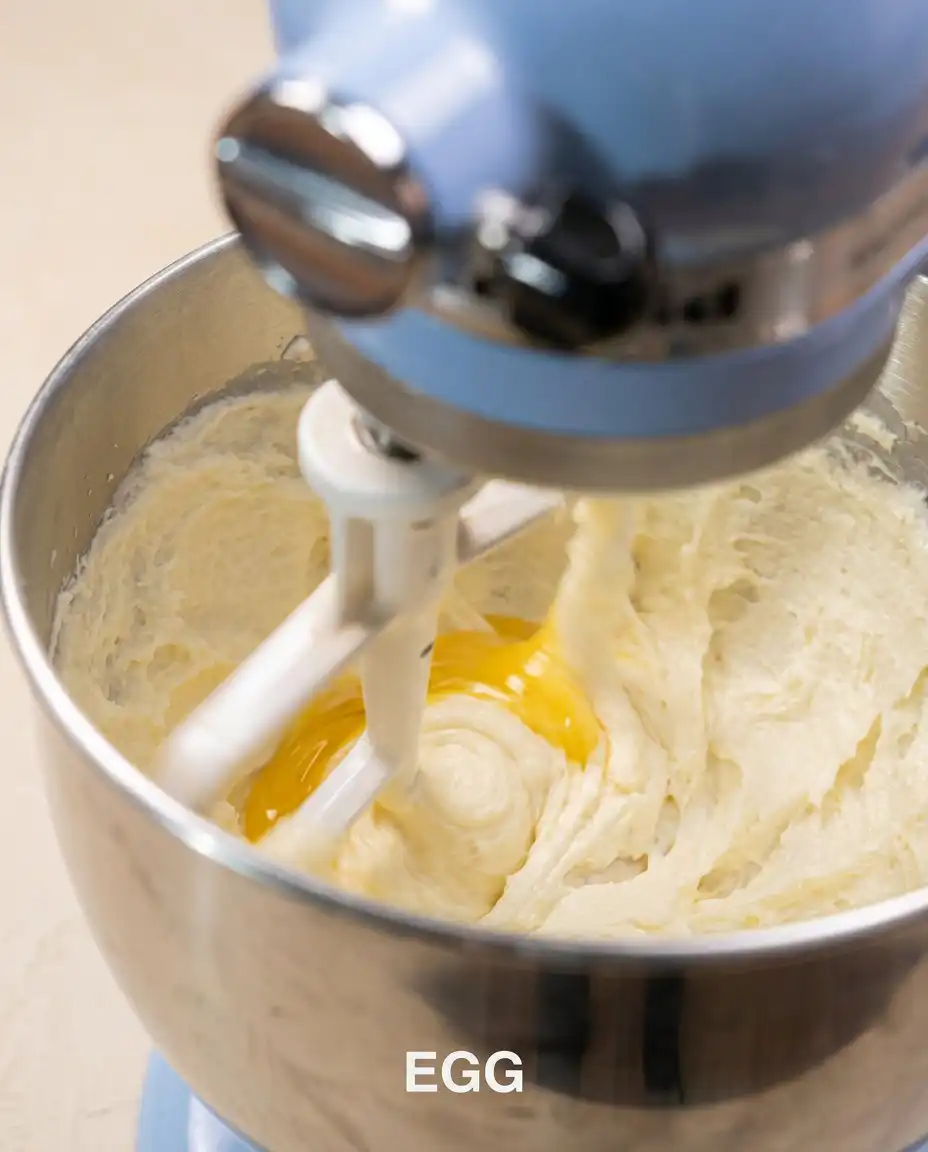
Bind the liquids. Add one large room-temperature egg and 10 milliliters (2 teaspoons) of pure vanilla extract to the sugar mixture. Whisk gently until the egg is completely integrated and the mixture takes on a smooth, slightly glossy appearance. Add 0.5 teaspoon of baking powder and 1 teaspoon of fine sea salt, stirring for 30 seconds to distribute the leavener uniformly.
Step 5: Incorporate the Flour and Cornstarch
Form the dough matrix. Sift 156 grams (1.25 cups) of all-purpose flour and 8 grams (1 tablespoon) of cornstarch directly over the wet ingredients. Switch to a silicone spatula and fold the mixture until only a few dry streaks of flour remain. This gentle folding prevents excessive gluten activation, keeping the cookie tender and preventing a tough, bread-like structure.
Step 6: Fold in the Mix-Ins
Distribute the structural inclusions. Add 85 grams (0.5 cup) of premium white chocolate chips and 40 grams (0.25 cup) of rainbow jimmies to the dough. Fold with three or four wide strokes until the inclusions are evenly distributed throughout the thick mixture. Avoid overworking the dough at this stage, as friction from the spatula can cause the sprinkles to bleed their colors.
Step 7: Press Dough for the Rainbow Sprinkle Cookie Cake
Spread the dough evenly. Transfer the thick dough into the prepared 11-inch pan, pressing it into a flat, uniform layer with an offset palette knife. Scatter a small handful of extra white chocolate chips and sprinkles across the surface, pressing them lightly into the dough. Bake at 176°C (350°F) for exactly 16 to 18 minutes. The edges will appear light golden and set, while the center should still look slightly soft and underbaked.
Step 8: Cool and Pipe the Buttercream
Set the structure and decorate. Remove the pan from the oven and place it on a wire rack to cool completely. The residual heat from the metal pan will continue to bake the core of the cookie cake for several minutes, settling it into a dense, fudgy texture. Once cool, beat 113 grams of softened butter, 2.5 cups of powdered sugar, 2 teaspoons of vanilla, a pinch of salt, and 2 tablespoons of milk until smooth. Pipe a border of stars around the edge using a piping bag fitted with a large star tip, then scatter extra sprinkles over the frosting immediately.
Pastry Bench Tips
Always use a digital kitchen scale to measure your ingredients in grams rather than relying on volume cups. Flour is highly compressible; a cup of flour can easily vary by 20 to 30 grams depending on how it was scooped, which directly affects the hydration level of your dough. Accurate weighing confirms that the ratio of starch to fat remains perfect, preventing a dry or crumbly cake.
Select your sprinkles with care. Jimmies—the rod-shaped sprinkles—are the only type that should be folded into the dough because they are coated with a thin layer of wax that protects their color from dissolving into the wet ingredients. Nonpareils, the tiny round balls, will dissolve rapidly upon contact with moisture, turning your beautiful dough into a grey, muddy mess.
If your cookie cake turns out dry and crumbly rather than soft and chewy, here is why and how to fix it. The most common cause is overbaking, as even two extra minutes in a hot oven will evaporate the moisture bound within the sugar and butter. To fix this in future bakes, remove the cake when the center still looks slightly wet and glossy, as the residual heat of the pan will complete the baking process on the counter. Alternatively, check that you did not accidentally add too much flour by switching to a digital scale.
For those looking to expand their cookie baking repertoire, comparing this recipe to our brown butter chocolate chip cookie cake reveals how different fat treatments alter the final crumb. While browning butter adds a deep, nutty complexity, simple melted butter keeps the flavor profile neutral, allowing the delicate vanilla and sweet white chocolate to shine.
The temperature of your butter during the mixing phase is a critical variable that many home bakers overlook. If you melt the butter until it is boiling hot, it will melt the sugar crystals prematurely and cook the egg proteins upon contact, leading to a greasy, dense cookie with a metallic aftertaste. Let the butter cool to a comfortable warm temperature before proceeding with the mix.
When preparing the optional buttercream frosting, make sure your butter is truly softened to room temperature, which is approximately 18°C to 20°C (64°F to 68°F). Cold butter will not emulsify properly with the powdered sugar, leaving tiny yellow lumps that clog your piping tips and ruin the clean aesthetic of your decorative border.
Frequently Asked Questions
What makes a cookie cake different from a giant cookie?
A cookie cake is formulated with a slightly higher ratio of moisture-retaining ingredients, such as brown sugar and cornstarch, to ensure it remains soft and sliceable like a traditional cake. Giant cookies are often baked at higher temperatures to encourage crisp edges, whereas a cookie cake is baked in a pan to maintain a uniform, tender thickness from edge to center.
How do I keep my cookie cake from getting hard?
To prevent the cake from drying out, store it in an airtight container at room temperature with a slice of plain white bread. The moisture from the bread will migrate to the cookie cake, keeping it soft for up to four days. Additionally, avoid overbaking the cake initially, as removing it from the oven when the center is slightly soft is key to maintaining a chewy texture.
Can I make the dough ahead of time?
Yes, you can prepare the dough up to 48 hours in advance, wrap it tightly in plastic wrap, and store it in the refrigerator. Before baking, let the dough sit on the counter for 30 minutes to soften slightly so you can press it evenly into the pan. Note that chilled dough may require an extra minute or two of baking time.
What kind of sprinkles are best for cookie cakes?
Jimmies, which are long, rod-shaped sprinkles, are the best choice because they contain carnauba wax, which prevents the colors from bleeding into the raw dough during mixing. Avoid using nonpareils, sanding sugar, or candy pearls inside the dough, as they will dissolve and create muddy streaks or add an unpleasantly hard texture to the bite.
What other mix-ins go well with it?
You can customize this bake by adding toasted chopped macadamia nuts, dried cranberries, or semi-sweet chocolate chips. Make sure that the total volume of mix-ins does not exceed 1 cup, as adding too many dry inclusions will disrupt the structural integrity of the dough and cause the cake to crumble when sliced.
What is the best frosting for a rainbow sprinkle cookie cake?
A classic American buttercream made with high-quality unsalted butter, powdered sugar, and pure vanilla extract provides the ideal structural stability for piping decorative borders. Its sweet, creamy profile pairs beautifully with the vanilla dough, and it sets firm enough to hold its shape at room temperature without melting.
How do you decorate a cookie cake?
Fit a piping bag with a large open star tip, such as a 1M tip, and fill it with stiff vanilla buttercream. Pipe a series of continuous stars or rosettes along the outer edge of the cooled cake to create a defined border. Immediately scatter rainbow sprinkles over the wet frosting so they adhere securely before the buttercream crusts.
What is a sugar cookie cake?
A sugar cookie cake is a large-format cookie baked in a cake pan, utilizing a sugar cookie base that is richer and softer than standard drop cookies. It relies on the balance of granulated and brown sugars, along with cornstarch, to ensure it remains soft, pliable, and easily portioned into clean slices.
Tested Variations
For a rich, elegant twist on this festive bake, you can substitute the white chocolate chips with high-quality dark chocolate chunks containing at least 60% cocoa solids. The bitterness of the dark chocolate cuts through the sweetness of the sugar dough and sprinkles, creating a mature flavor profile. This approach mirrors the structural balance we achieve in our white chocolate raspberry anniversary cake, where tart fruit balances sweet white chocolate.
A spiced variation can be achieved by incorporating ground cinnamon and a grating of fresh nutmeg into the dry ingredients. Add 0.5 teaspoon of cinnamon and a pinch of nutmeg alongside the flour to introduce a warm, aromatic undertone that complements the vanilla. This variation works exceptionally well during the autumn months, transforming a standard birthday bake into a comforting, spiced treat.
If you prefer a citrus-infused profile, fold the finely grated zest of one organic lemon or orange into the sugar and butter mixture before adding the flour. The essential oils in the citrus peel will dissolve into the fat, distributing a bright, clean aroma throughout every slice of the cake. This subtle acidity cuts through the sweetness of the white chocolate, offering a refreshing contrast that delights the palate.
Finishing & Plating
Serving this bake requires a clean, methodical approach to preserve its delicate crumb. Use a long, sharp chef’s knife dipped in hot water and wiped dry before each slice to guarantee clean, professional cuts through the dense cookie and buttercream border. Slicing the cake into classic wedges or small squares allows your guests to appreciate the beautiful contrast between the colorful sprinkles and the golden crust.
For an elegant dessert presentation, serve each slice slightly warm alongside a scoop of high-quality vanilla bean ice cream. The warmth of the cookie cake will gently melt the ice cream, creating a rich cream sauce that complements the buttery texture of the bake. This plating technique transforms an uncomplicated party treat into a restaurant-worthy dessert experience.
If you are planning a larger celebration, this colorful bake serves as an excellent centerpiece alongside other classic desserts. You can pair it with a beautifully structured chocolate rosette cake to offer guests a choice between rich chocolate and sweet vanilla profiles. Providing a variety of textures on your dessert table confirms that every guest finds a confection to suit their personal preference.
Final Notes
Baking is a discipline where small adjustments yield remarkable differences in texture and crumb. By understanding how melted butter and cornstarch interact to create a dense, chewy foundation, you can confidently produce a cookie cake that surpasses any store-bought alternative. If you enjoy the precision of structured baking, consider examining our classic vanilla pound cake recipe to further refine your understanding of starch hydration and fat emulsification.
We invite you to share your baking journey and showcase your beautiful creations with our community. Connect with us on Pinterest, Facebook, and TikTok to share photos of your decorated cookie cakes and exchange technical tips with fellow bakers. Your dedication to the craft of pastry is what turns simple ingredients into memorable culinary experiences.