At the late afternoon table, a steaming cup of Turkish coffee rests beside a plate of sliced Mango Birthday Layer Cake, its golden fruit glinting in the soft, warm sunset light.

This is not a dessert to be rushed from the oven straight to the plate. Instead, we invite a slow patience, letting the cool lime syrup ease into the tender crumb of the vanilla cake layers. The sweet, silky mango curd creates a melting mouthfeel that feels luxurious yet never cloying. Each bite offers a quiet celebration of textures, balanced by a satiny white chocolate meringue buttercream that blankets the layers beautifully.
Why This Mango Birthday Layer Cake Melts the Way It Does
Prep: 60 min · Serves: 16 · Difficulty: Medium
- Tender crumb that absorbs the lime syrup beautifully.
- Glossy mango curd offers a bright tropical center.
- Satiny meringue buttercream melts with every sweet bite.
- Simple vanilla layers remain remarkably soft and moist.
- Perfect balance of citrus zip and chocolate richness.
The fork should glide through like butter with every single slice you share. While some prefer a classic vanilla bean layer cake for celebrations, this fruit-kissed version brings a soft sun-soaked warmth to the table.
Get The Full Cake Recipe
Print
Mango Birthday Layer Cake
- Total Time: 140 mins
- Yield: 16 servings
Description
This luxurious birthday layer cake features tender vanilla sponge layers soaked in bright lime syrup, filled with a velvety homemade mango curd. It is elegantly finished with a satiny white chocolate Swiss meringue buttercream for a perfectly balanced tropical dessert.
Ingredients
- Mango puree
- Fresh lemon juice
- Granulated sugar
- Eggs
- Egg yolks
- Unsalted butter
- All-purpose flour
- Baking powder
- Fine sea salt
- Sour cream
- Safflower oil
- Vanilla paste
- Water
- Fresh lime juice
- Egg whites
- White chocolate
Instructions
- Whisk and cook curd. In a saucepan, combine mango puree, lemon juice, sugar, eggs, and yolks, cooking over medium heat until thickened before whisking in butter.
- Cool and strain. Strain the curd through a fine-mesh sieve into a bowl set in an ice bath, stirring until cool before refrigerating for four hours.
- Prepare the sponge. Preheat oven to 325°F, grease a nine-inch round pan, and whisk together flour, baking powder, and salt in a bowl.
- Whip and combine. Whip eggs and sugar until thick, fold in a mixture of sour cream, oil, and vanilla, then gently incorporate the sifted dry ingredients.
- Bake the cake. Pour the batter into the prepared pan and bake for 75 to 80 minutes until a toothpick comes out clean.
- Simmer the syrup. Combine water, lime juice, and sugar in a small saucepan, heating until the sugar dissolves, then set aside to cool completely.
- Prepare the meringue. Whisk egg whites, sugar, and water over a double boiler until 140°F, then beat in a stand mixer until a stiff, glossy meringue forms.
- Complete the buttercream. Beat softened butter into the cooled meringue, then add vanilla paste and melted white chocolate until the frosting is smooth and satiny.
- Assemble the layers. Level the cooled cake, slice into four layers, brush each with lime syrup, and stack with layers of buttercream and mango curd filling.
Notes
- Ensure all ingredients are at room temperature before starting the meringue to prevent the butter from curdling.
- Always strain your mango puree through a fine-mesh sieve to achieve a perfectly smooth and luxurious curd texture.
- Use a serrated knife and keep the cake chilled to ensure clean, professional-looking horizontal layers.
- Store the cake in the refrigerator but bring it to room temperature for twenty minutes before serving to soften the buttercream.
- Prep Time: 60 mins
- Cook Time: 80 mins
- Category: Dessert
- Method: Baking
- Cuisine: Modern Fusion
Ingredients for the Cake & the Soak
To build a cake that melts in the mouth, we must gather ingredients that respect texture. We choose sour cream for its rich acidity and high-quality white chocolate to add body to our satiny buttercream. Each element works in quiet harmony to create a crumb that is soft, structured, and ready to hold the golden fruit.
- Mango Puree: The rich foundation of our curd, lending a tropical sweetness that is smooth and glossy.
- Sour Cream: Keeps the baked vanilla crumb tender, soft, and moist without becoming heavy.
- Lime Juice: Adds a bright citrus note to the soaking syrup, cutting through the sweetness gracefully.
- White Chocolate: Whipped into the Swiss meringue buttercream for a velvety, rich finish.
- Eggs and Yolks: Provide structure to the sponge and a rich custard feel to the curd.
- Neutral Safflower Oil: Keeps the cake sponge soft and delicate when stored in the fridge.
| Ingredient | Why It Matters |
|---|---|
| Mango Puree | Creates a smooth, glossy curd filling with a beautiful tropical aroma. |
| Sour Cream | Adds acidity and moisture, ensuring the vanilla crumb remains tender. |
| Lime Soaking Syrup | Moisten the cake layers with a bright, sunny citrus accent. |
| White Chocolate | Gives the buttercream a satiny finish and a rich, luxurious body. |
| Safflower Oil | Keeps the sponge soft and delicate when stored in the fridge. |
Cake, Syrup, Rest
Step 1: Whisk and Cook the Mango Curd
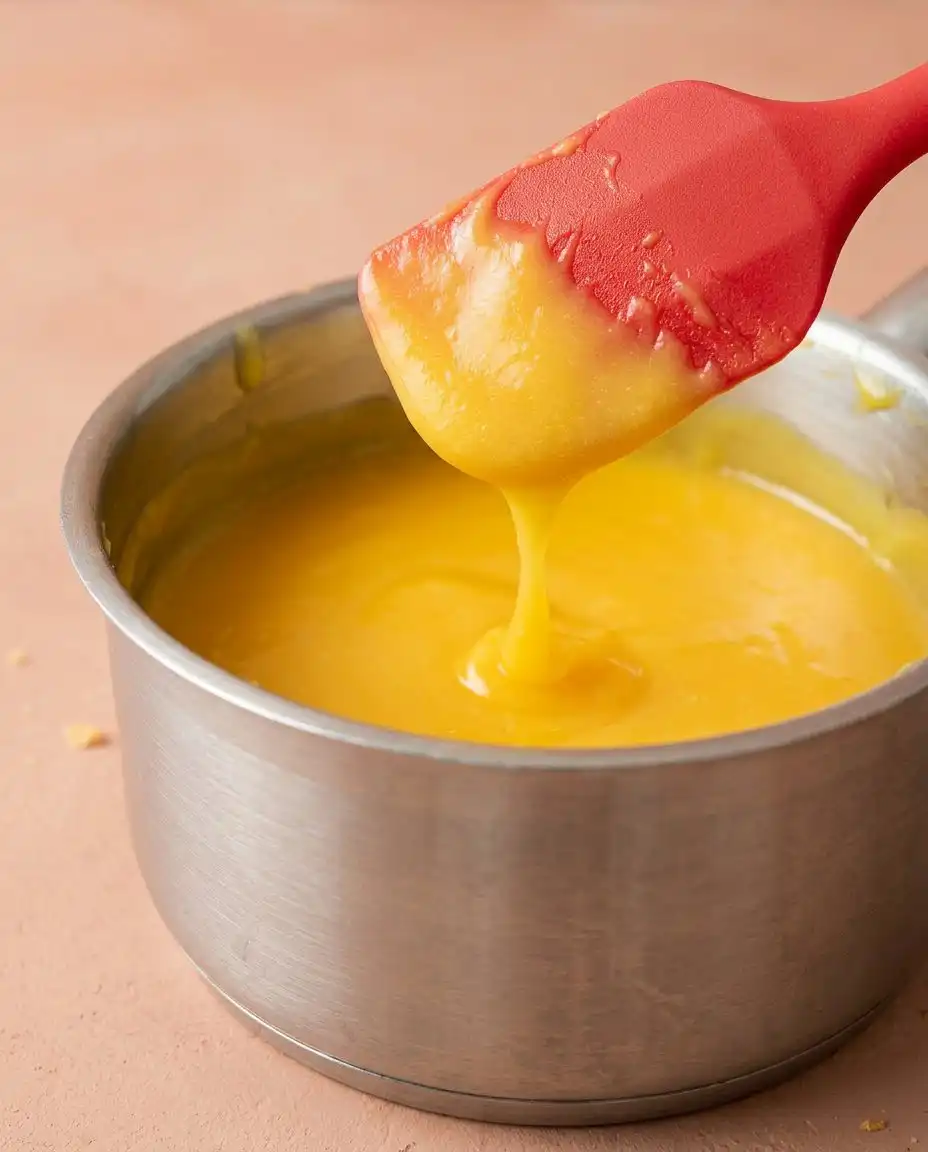
To start this sensory baking journey, we begin by placing a fine-mesh sieve over a medium bowl and setting it aside for later. In a heavy-bottomed medium saucepan, whisk the rich mango puree with the fresh lemon juice, granulated sugar, eggs, and egg yolks. Place the saucepan over medium heat and cook, whisking constantly with a steady hand, until the mixture becomes hot and gentle steam rises. Whisk in the softened butter one tablespoon at a time, letting each piece melt completely before adding the next. Continue to cook, stirring without pause, until the mixture thickens enough to leave a clear path on a coated spatula.
Step 2: Cool and Chill the Curd
Once the curd has thickened beautifully, remove the pan from the heat and pour the mixture through your prepared sieve. This step is crucial for achieving that silky, melting texture we want in every slice of our finished dessert. Set the bowl containing the strained curd into a larger bowl filled one-third of the way with cold ice water. Allow it to stand, stirring occasionally, until the golden mixture becomes cool to the touch. Remove the bowl from the ice bath, cover the surface directly with plastic wrap, and refrigerate for at least four hours.
Step 3: Prep and Bake the Vanilla Sour Cream Sponge
Set your oven rack to the middle position and preheat the oven to 325 degrees to prepare for baking. Grease the bottom and sides of a deep nine-inch round cake pan, lining the bottom with a circle of parchment paper. Dust the sides of the pan with a little flour and tap out the excess to prevent sticking. Sift together the flour and baking powder in a medium bowl, then whisk in the fine sea salt. In your stand mixer, whip the eggs and sugar on medium speed, gradually adding sugar until the mixture becomes thick and pale.
Step 4: Combine the Batter and Bake
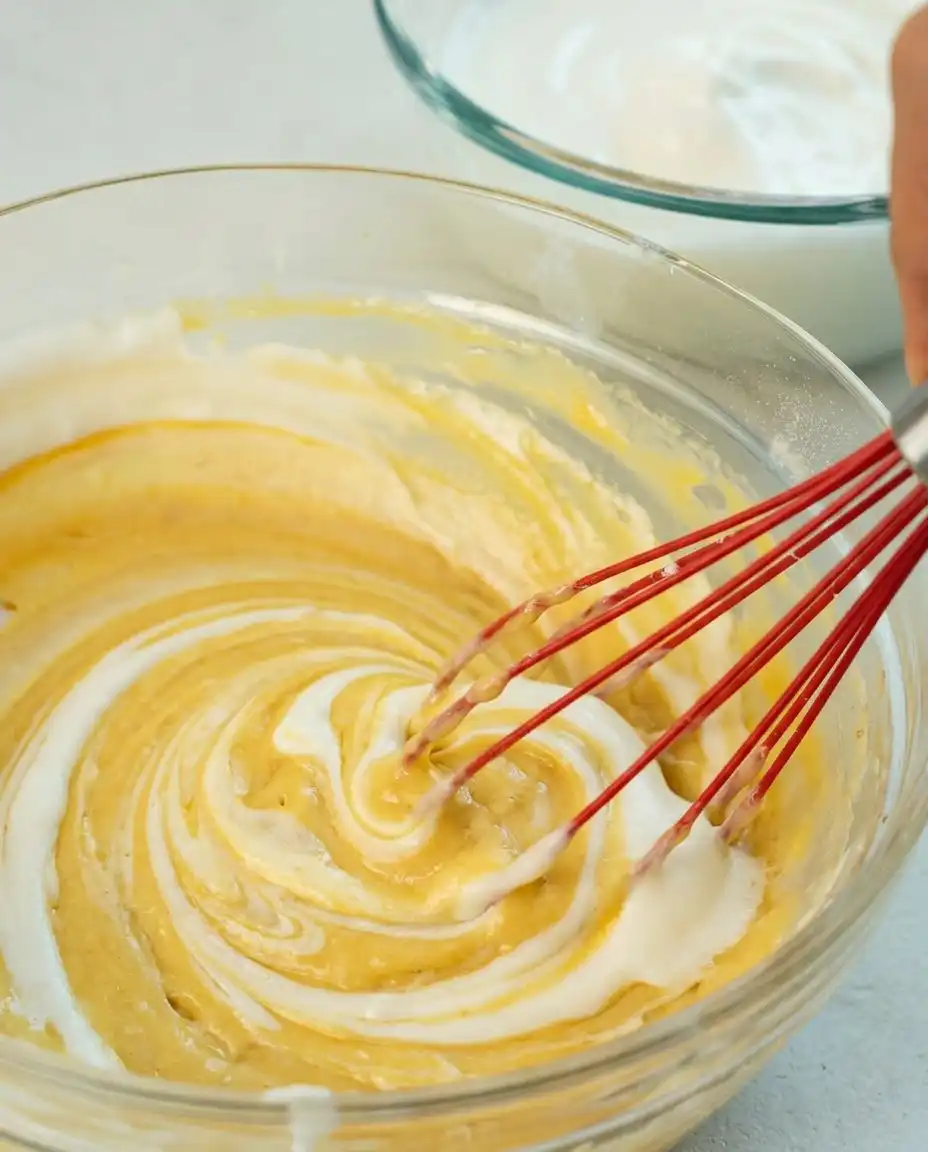
While the eggs whip to a pale ribbon stage, whisk the sour cream, safflower oil, and vanilla paste in another bowl. Fold this creamy mixture into your whipped eggs on medium speed until it is beautifully blended and uniform. Reduce the mixer speed to low and add the sifted dry ingredients one-third at a time, scraping down the bowl. Scrape the smooth batter into your prepared pan and bake for seventy-five to eighty minutes until a toothpick comes out clean. Cool the cake in its pan on a wire rack for twenty minutes before inverting it to cool completely.
Step 5: Simmer the Lime Soaking Syrup
In a small saucepan, combine the water, fresh lime juice, and granulated sugar over medium-high heat to create the soak. Bring the mixture to a brief boil, stirring occasionally, until the sugar crystals dissolve into a clear, fragrant liquid. Remove the pan from the heat immediately and let the syrup cool quietly to room temperature before assembling. This bright, tart syrup will act as the hydrating element that keeps our cake layers incredibly soft and moist. If you prepare this syrup ahead of time, cover it tightly and store it in your refrigerator.
Step 6: Melt White Chocolate for the Buttercream
Fill a wide skillet with about half an inch of water and bring it to a gentle simmer. In your clean mixer bowl, whisk the sugar, egg whites, and water together until uniform. Place the bowl over the simmering water, whisking gently until the mixture is hot and registers 140 degrees. Transfer the bowl to your mixer and beat on medium-high speed until a stiff, glossy meringue forms. Separately, melt your white chocolate over a double boiler with a splash of water until it is completely smooth.
Step 7: Beat the Swiss Meringue Buttercream
Once your meringue has cooled completely, reduce the mixer speed to medium and add the softened butter piece by piece. Do not worry if the mixture looks slightly curdled at first; keep beating until it becomes smooth and satiny. Pour in the vanilla paste and the cooled, melted white chocolate, beating on high speed for one minute. Remove the bowl from the mixer and stir the frosting by hand with a rubber spatula to remove air pockets. Set aside a small portion of the buttercream in a piping bag to decorate the top of the cake.
Step 8: Assemble Your Mango Birthday Layer Cake
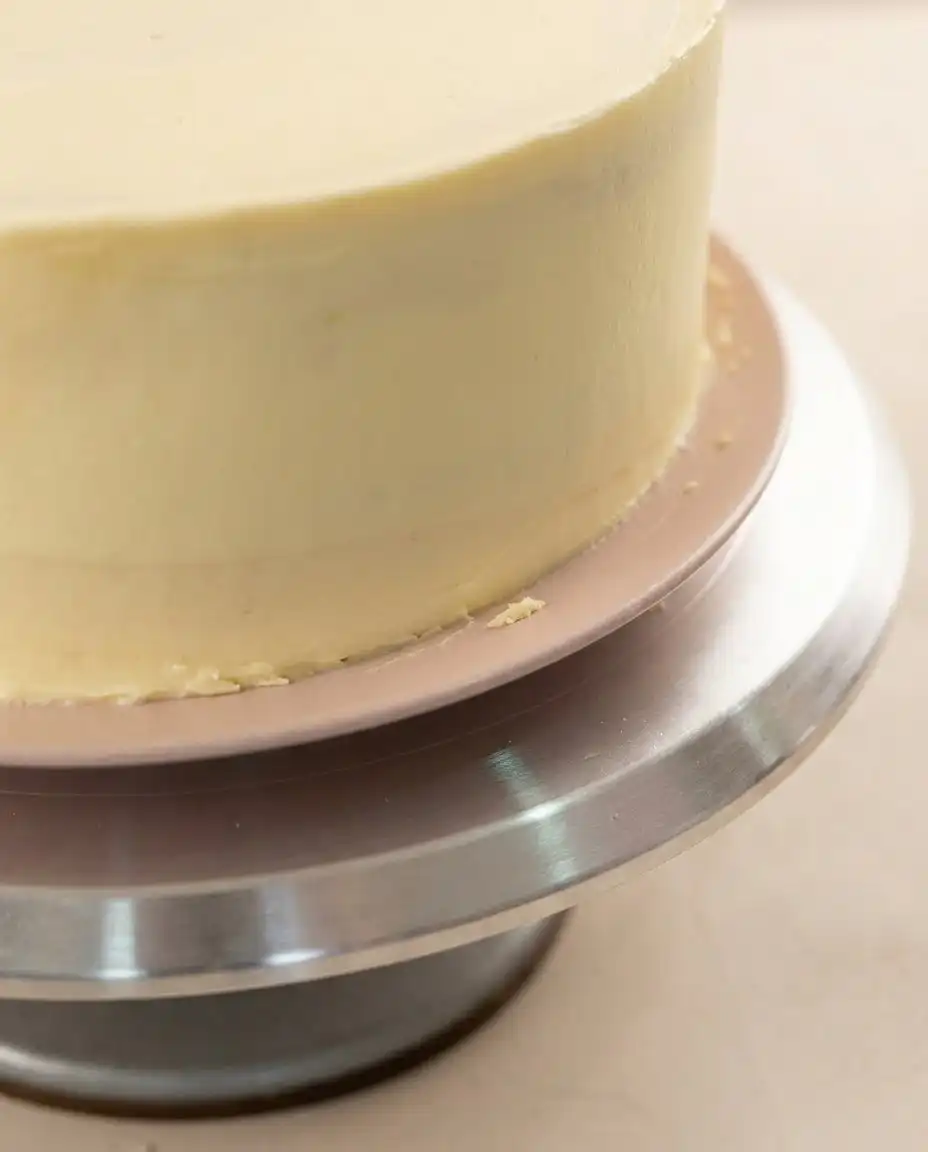
Trim the domed top off your cooled cake with a long serrated knife so that it is completely flat. Slice the cake horizontally to create four thin, even layers that will hold our delicious golden fillings. Place the first layer on a cake plate and brush it generously with the prepared lime soaking syrup. Spread a thin layer of buttercream, then pipe a protective half-inch ring around the outer edge of the sponge. Fill the center with a spiral of chilled mango curd, spreading it evenly to meet the buttercream border. Repeat this process with the remaining layers, crumb coat the exterior, and chill before the final decorative frosting.
Tips for the Perfect Soak
Patience is the secret when working with syrup-soaked sponge layers. Always ensure your lime syrup has cooled to room temperature before brushing it onto your warm cake layers. If you pour hot syrup on a hot cake, the sponge will break down and become soggy. Allowing both elements to reach the correct temperatures guarantees a clean, melting bite.
If your Swiss meringue buttercream begins to look curdled or soupy as you add the butter, do not worry. This common issue happens when the butter is slightly too cold or the meringue is still too warm. Simply continue whipping the mixture at medium-high speed for a few minutes, or place the bowl in the fridge for ten minutes before beating again to restore its satiny texture.
To prevent the rich mango curd from leaking out of the sides, the piped buttercream border must be firm and continuous. Think of this frosting ring as a protective dam that holds the glossy fruit filling in place. For more inspiration on assembling delicate layers, you can look at the classic mango sponge cake story to see how fruit fillings behave under pressure.
When pureeing fresh mangoes, always pass the pulp through a fine mesh sieve before cooking. Fresh fruit often contains fibrous strings that can ruin the velvety, melting mouthfeel of your finished curd. Spending two extra minutes straining the pulp ensures your fork will glide through the cake layers without any resistance.
For those who wish to master advanced assembly methods, you can read about a professional mango vanilla cake assembly to perfect your technique. Keeping your cake layers chilled for twenty minutes before slicing them horizontally will also make the process much easier. Cold cake resists crumbling, giving you clean, level layers that stack beautifully.
Frequently Asked Questions
What kind of frosting goes best with mango cake?
A light, satiny frosting like Swiss meringue buttercream is the ideal companion because it is sweet, never cloying. Adding a small amount of melted white chocolate gives the frosting enough structure to hold the cake together while maintaining a velvety mouthfeel.
How do you add mango filling to a layer cake?
To keep the mango curd from seeping out, you must pipe a firm ring of buttercream around the outer edge of each cake layer. This frosting border acts as a protective dam, allowing you to fill the center with the golden, glossy mango curd safely.
What is the best type of mango to use for a cake?
Ripe, fiber-free mangoes like Kent or Ataulfo are perfect for pureeing because they yield a smooth, buttery texture. If fresh mangoes are out of season, a high-quality canned unsweetened mango pulp works beautifully and saves time.
Can you make an eggless mango layer cake?
Yes, you can substitute the eggs in the sponge cake with unsweetened applesauce or yogurt to maintain moisture. For the mango filling, you can use a cornstarch-thickened mango pudding instead of a traditional egg-based curd.
How do you decorate a mango birthday cake?
You can pipe elegant star dollops of Swiss buttercream around the top border using an open star tip. Finish the presentation by piling fresh, golden mango cubes in the center right before serving to hint at the delicious filling inside.
How long does a mango cake last in the fridge?
This dessert will keep beautifully in the refrigerator for up to three to four days when stored in an airtight cake keeper. Be sure to let the slices rest at room temperature for fifteen minutes before serving so the buttercream softens to a creamy texture.
Can I freeze the cake layers before assembly?
Certainly, you can bake the vanilla sponges ahead of time, wrap them tightly in plastic wrap, and freeze them for up to one month. Thaw the layers in the refrigerator overnight before slicing, soaking, and assembling the cake.
Flavor Swaps
While mango is the star of this dessert, you can easily adapt the fruit profile to celebrate other seasons. Try substituting the mango puree with fresh passionfruit or seedless raspberry puree to create a different, tangy filling. The tartness of passionfruit pairs beautifully with the sweet white chocolate Swiss buttercream, offering a bright tropical alternative.
For an elegant touch reminiscent of Mediterranean tea parties, add a tiny splash of orange blossom water to the lime soaking syrup. This subtle floral note complements the vanilla sponge and brings a lovely aroma to each slice. If you enjoy experimenting with playful, colorful layers, you might also love our funfetti birthday layer cake recipe for your next gathering.
You can also swap the white chocolate in the buttercream for a touch of melted dark chocolate if you prefer a richer contrast. The bitterness of dark cocoa balances the bright acidity of the mango curd wonderfully. This combination offers a sophisticated flavor profile that appeals to those who enjoy less sweet, more complex chocolate desserts.
Serving the Soaked Slice
When serving this tropical masterpiece, pair it with a small cup of Turkish coffee or a fragrant cup of black tea to contrast the sweetness. The robust, slightly bitter notes of the coffee cut through the rich white chocolate buttercream, making each bite feel light and balanced. Serve the slices on small, simple plates to let the golden mango layers stand out.
For a beautiful summer presentation, scatter a few toasted pistachios or sliced almonds over the top of the cake. The delicate crunch of the nuts provides a lovely contrast to the melting, soft crumb of the soaked sponge. If you enjoy fruit-filled celebration cakes, you should also try our peach buttercream birthday cake for your next warm-weather gathering.
Always bring the cake to room temperature for about twenty minutes before slicing and serving your guests. This brief rest allows the butter in the cake and the frosting to soften slightly, ensuring a silky, luxurious texture. Use a sharp, warm knife dipped in hot water to slice through the delicate layers cleanly.
A Quiet Last Note
There is a deep joy in the slow process of building a celebration cake from scratch. Taking the time to cook the glossy curd, simmer the citrus syrup, and whip the velvety buttercream turns baking into an act of love. Let the assembled cake rest in the refrigerator for a few hours before you slice it, allowing the flavors to marry.
Once you share a piece of this beautiful dessert, you will see how the patient preparation pays off in every tender, melting bite. If you prefer a simpler bake without the fruit curd, try our classic two layer yellow cake chocolate frosting for a nostalgic, comforting treat.
We would love to see your beautiful creations at your next family gathering or celebration. Share your baking journey with our community on Pinterest or join the conversation on our Facebook page. You can also find more sweet inspiration on our TikTok channel and join our quiet community on Telegram for regular updates.