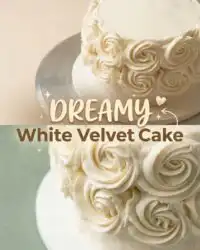
True patience in the baking craft is not merely waiting; it is the slow, silent art of letting a delicate crumb settle, transforming a humble cake into a masterpiece of pure texture.

To experience a truly exceptional dessert is to understand how fat, sugar, and moisture can be suspended in a beautiful, uniform network. This soft White Velvet Cake stands as a monument to that balance, where the gentle acidity of buttermilk works alongside fine cake flour to create an impossibly tender bite. It is a baking tradition that values complete precision, urging us to measure by weight and allow the raw ingredients to rest until they are exactly ready. If you have been searching for a crumb that is soft, rich, and completely melts on your tongue, this is the recipe you will return to for every celebration.
What Makes the White Velvet Cake Texture Sing
Prep: 10 min · Serves: 24 · Difficulty: Medium
Discover how this classic vanilla cake variation achieves complete structural perfection.
- Impossibly tender crumb that melts away beautifully.
- Rich buttermilk flavor that balances sweet notes.
- Stable structure that allows for easy stacking.
- Silky frosting that is never too sweet.
- Pale, elegant layers suitable for grand occasions.
This delicate masterpiece is the exact recipe I trust for every monumental gathering.
Get The Full Cake Recipe
Print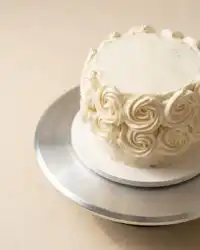
White Velvet Cake
- Total Time: 1 hour 20 mins
- Yield: 24 servings
- Diet: Vegetarian
Description
This White Velvet Cake is a masterclass in delicate, airy texture, achieved by combining buttermilk and cake flour for an impossibly tender crumb. Finished with a silky, light-as-air ermine frosting, it serves as the perfect elegant centerpiece for any celebration.
Ingredients
- 2 1/2 cups cake flour
- 1 1/2 cups granulated sugar
- 1 tsp baking powder
- 1/2 tsp baking soda
- 1/2 tsp salt
- 1/2 cup unsalted butter, softened
- 1 cup buttermilk, divided
- 3 large egg whites
- 1 tsp pure vanilla extract
- 2 tbsp vegetable oil
- 1/2 cup granulated sugar (for frosting)
- 3 tbsp all-purpose flour (for frosting)
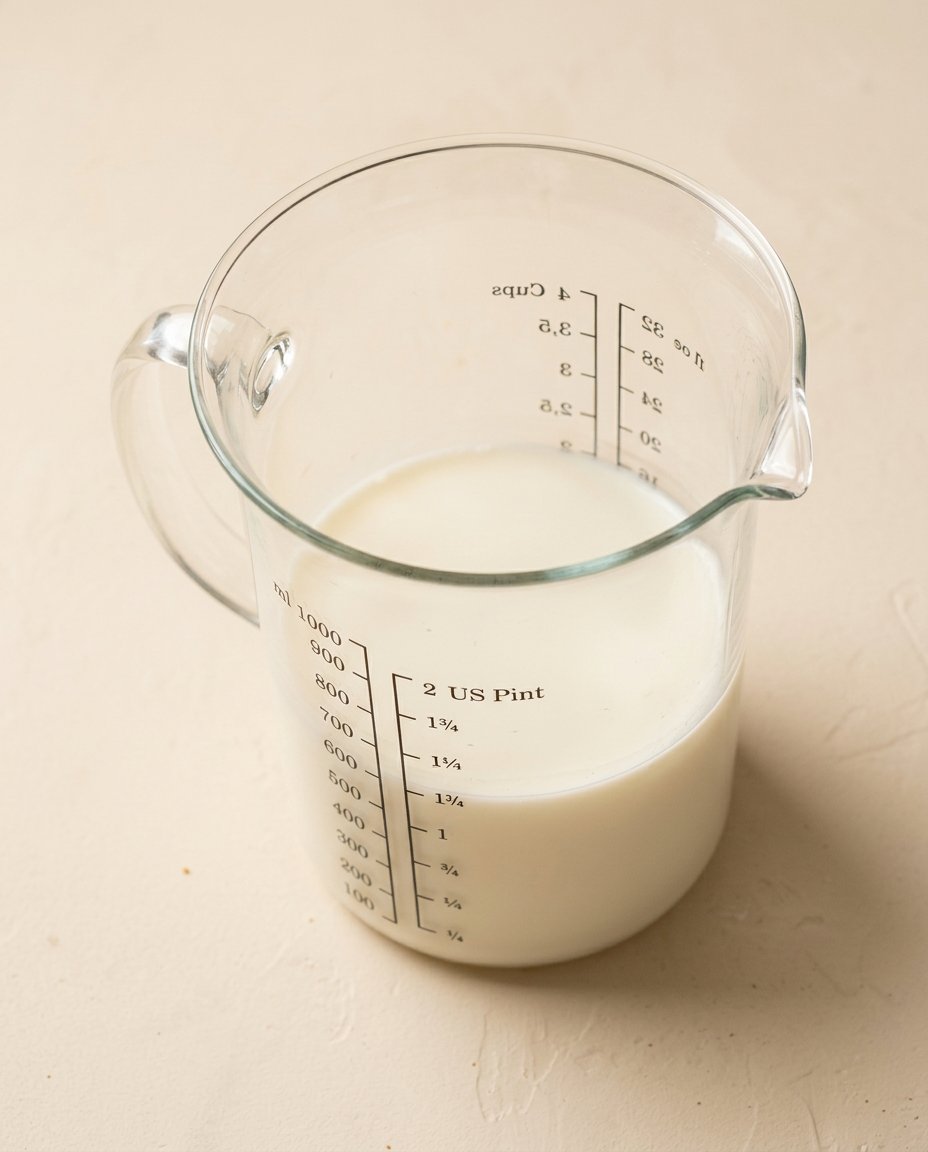
- 1 cup whole milk (for frosting)
Instructions
- Preheat your oven. Set the oven to 335ºF (168ºC) and prepare two 8-inch round cake pans by lining them with parchment and spraying with cake release.
- Combine dry ingredients. Whisk together cake flour, granulated sugar, salt, baking powder, and baking soda in a stand mixer using the paddle attachment on low speed.
- Prepare wet mixtures. In separate jugs, whisk together half the buttermilk with the vegetable oil, and in another, whisk the remaining buttermilk with egg whites and vanilla.
- Incorporate the butter. Add the softened butter to the dry ingredients and blend for 30 seconds until the mixture resembles coarse sand.
- Mix the batter. Pour the buttermilk and oil mixture into the flour blend, mixing on low then medium speed for two minutes to develop structure.
- Stream in eggs. Slowly add the egg white and buttermilk mixture in three batches, scraping the bowl between additions to ensure an even emulsion.
- Bake the cakes. Divide the batter between pans and bake for 35 to 40 minutes, or until a toothpick inserted into the center comes out clean.
- Cool the layers. Tap pans on the counter to release steam, cool in the pans for 10 minutes, then invert onto a wire rack to cool completely.
- Prepare the frosting. Whisk flour and sugar in a saucepan, slowly add milk, cook until thickened into a pudding, then cool completely before whipping with softened butter.
Notes
- Ensure all dairy and egg components are at true room temperature to prevent the butter from curdling.
- Use a digital kitchen scale for precise measurements to maintain the intended structural balance of the cake.
- Wrap cooled cake layers in plastic wrap and chill in the freezer to make stacking and frosting significantly easier.
- Use light-colored aluminum pans to ensure the edges bake at the same rate as the center of the cake.
- Make sure the cooked flour base for the frosting is completely cold before whipping to prevent the butter from melting.
- Prep Time: 30 mins
- Cook Time: 40 mins
- Category: Dessert
- Method: Baking
- Cuisine: American
From the Mediterranean Pantry
The soft magic of a tender crumb relies on the absolute harmony of your ingredients, each acting as a vital building block for structural success. When we select elements for this White Velvet Cake, we are not gathering items at random; we are establishing a precise balance. Measuring each component by weight makes sure that the fat, moisture, and flour interact in the exact ratio required to achieve that melting softness.
- Cake Flour: This low-protein flour is essential for establishing the delicate, soft gluten structure that gives the White Velvet Cake its signature airy tenderness without becoming heavy or dense.
- Buttermilk: The gentle acidity of real buttermilk tenderizes the gluten strands while providing a subtle tangy flavor that cuts through the rich sugar, keeping the profile clean and balanced.
- Unsalted Butter: High-quality softened butter provides the base fat that coats the flour during the mixing stage, guaranteeing a crumb that is exceptionally moist and rich.
- Egg Whites: By omitting the heavy yolks, we make sure the cake remains pale while the whites provide structural support and lift without adding any yellow color.
- Vegetable Oil: A splash of neutral vegetable oil works alongside the dairy fat, locking in moisture so the cake layers remain soft even after spending hours in the refrigerator.
- Ermine Frosting: This cooked flour buttercream is silky, light, and far less sweet than traditional American buttercream, allowing the delicate vanilla flavor to take center stage.
| Ingredient | Why It Matters |
|---|---|
| Cake Flour | Lowers protein content for a remarkably tender and fine crumb. |
| Buttermilk | Softens gluten strands and keeps the crumb incredibly moist. |
| Egg Whites | Provides stable structure while keeping the cake brilliantly pale. |
| Vegetable Oil | Retains moisture over time, preventing the layers from drying out. |
| Ermine Frosting | Delivers a silky, cloud-like finish that is never cloying or heavy. |
Cake, Syrup, Rest
Step 1: Prep Your Equipment and Pans
Before you begin mixing your White Velvet Cake, make sure your oven is heated to 335ºF (168ºC) to prevent the delicate cake layers from domeing or browning too quickly. Take the time to prepare two eight-inch round cake pans by lining the bottoms with parchment paper and spraying the sides with professional cake release. This initial preparation allows the batter to go directly to the oven, which preserves the leavening power of your baking soda.
Step 2: Sift and Combine Dry Ingredients
Whisk together your cake flour, granulated sugar, salt, baking powder, and baking soda in the spacious bowl of a stand mixer fitted with the paddle attachment. Turn the mixer on low speed for ten seconds to make sure all the dry elements are thoroughly distributed and aerated. Sifting these ingredients beforehand can also help remove any dense clumps of flour or sugar, which makes sure you have a smooth start to your batter.
Step 3: Prepare the Wet Mixtures
In a separate measuring jug, whisk together half a cup of your room-temperature buttermilk and the neutral vegetable oil, setting this mixture aside for the initial emulsification. In another bowl, combine the remaining buttermilk, the fresh egg whites, and your pure vanilla extract, whisking vigorously to break up the egg structures completely. Having these separate wet mixtures ready allows for a systematic addition that prevents the batter from breaking later.
Step 4: Incorporate the Softened Butter
Add your fully softened unsalted butter directly to the dry ingredients in the mixer bowl and blend on low speed for about thirty seconds. Watch closely as the mixture begins to resemble coarse sand, which indicates that the fat from the butter is successfully coating the flour particles to limit gluten development. This reverse-creaming method is the foundation of our soft texture, keeping the crumb delicate and tightly knit.
Step 5: Mix the White Velvet Cake Batter with Care
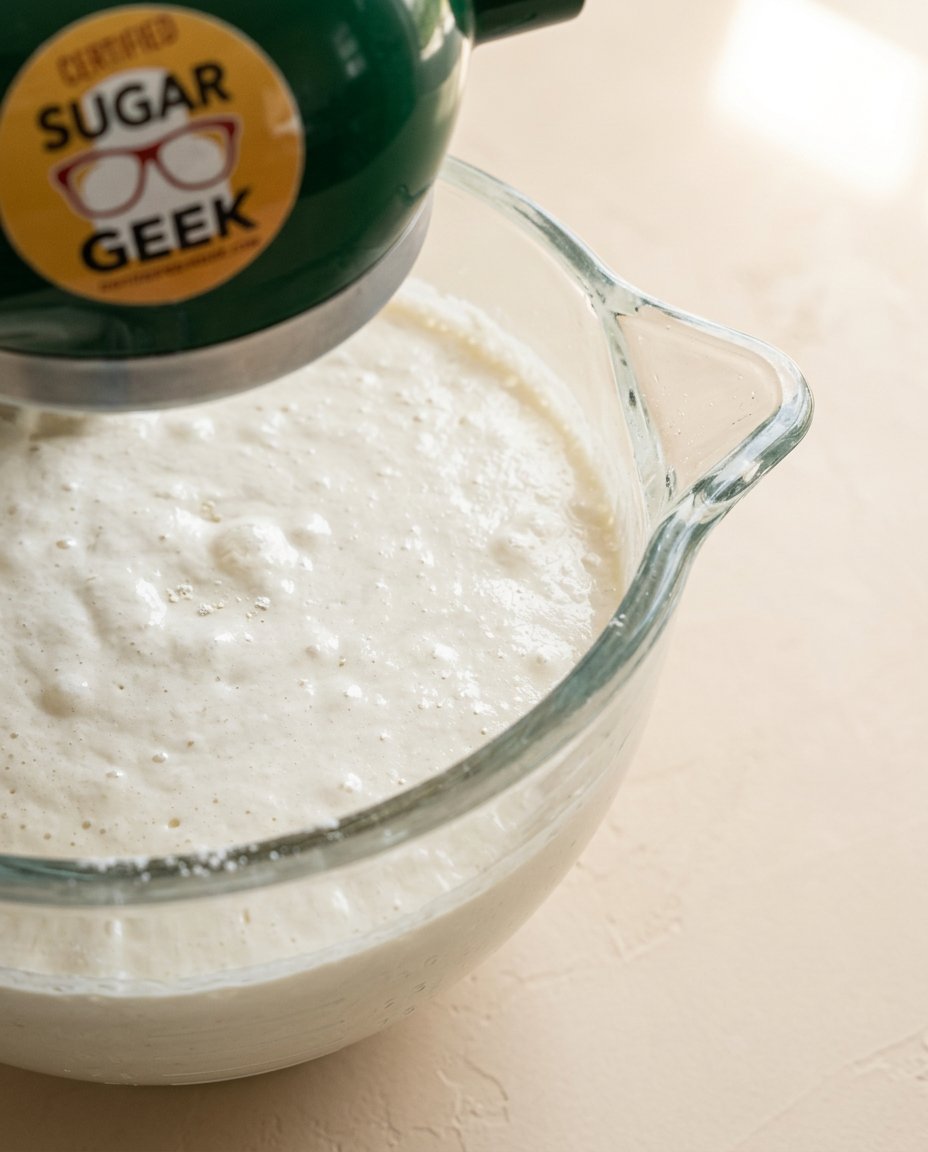
Pour your buttermilk and oil mixture directly into the sandy flour blend, mixing on low speed until all the dry ingredients are wet. Once incorporated, increase the speed to medium (setting four on a standard mixer) and let it beat steadily for two full minutes to build the cake’s structure. This specific mixing phase is critical; skipping it will cause the cake to collapse in the oven, as the gluten needs this brief period to build a stable network.
Step 6: Stream in the Egg Whites
Reduce your mixer speed to low and slowly add the egg white and buttermilk mixture in three distinct batches, allowing fifteen seconds of mixing between each addition. This gradual process makes sure that the liquid is fully absorbed into the batter without breaking the emulsion you built in the previous step. Stop the mixer occasionally to scrape down the bottom and sides of the bowl with a flexible spatula, making sure no pockets of unmixed flour remain.
Step 7: Bake to Golden and Tender Perfection
Divide the smooth, glossy batter evenly between your two prepared baking pans, filling them roughly three-quarters of the way to the top. Slide the pans into your preheated oven and bake for thirty-five to forty minutes, watching for a light golden surface and checking with a toothpick inserted into the center. The moment the toothpick comes out clean and the surface gently springs back under your fingertips, the baking process is complete.
Step 8: Release Steam and Cool Fully
Immediately upon removing the pans from the oven, tap each pan firmly once on your countertop to release the trapped steam within the cake structure. This single firm tap stops the delicate crumb of the White Velvet Cake from shrinking inward and collapsing as the temperature drops. Let the layers cool inside their pans for exactly ten minutes before gently turning them out onto a wire cooling rack to cool completely to room temperature.
Step 9: Prepare the Silky Ermine Frosting
While your cake layers are cooling, whisk together your flour and sugar in a medium saucepan over medium heat for two minutes to toast the flour. Slowly whisk in your whole milk, bringing the mixture to a medium-high heat while stirring continuously until it thickens into a thick, pudding-like consistency. Remove this cooked base from the heat, cover it with plastic wrap pressed directly against the surface, and let it cool completely before whipping it into your softened butter.
Patience-Pays-Off Tips
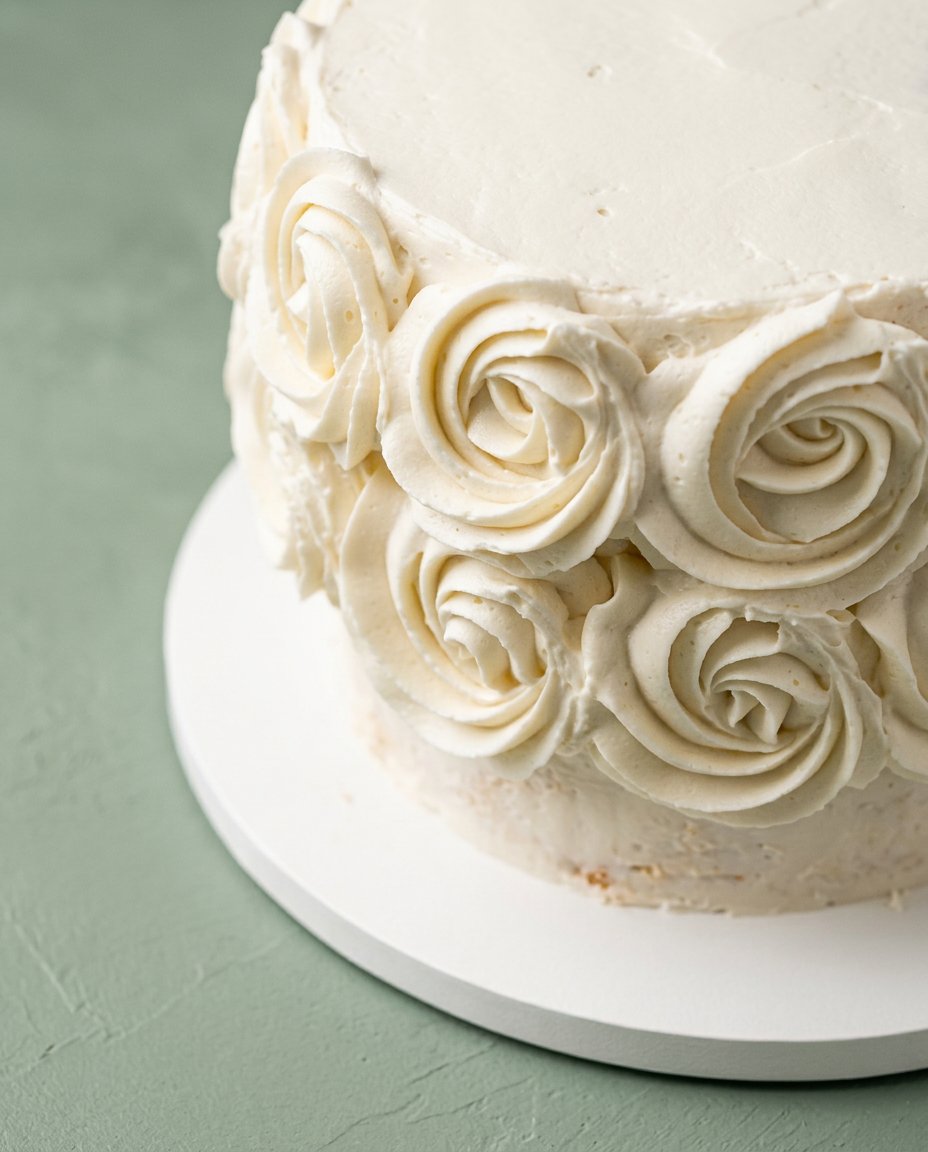
If your cake layers turn out dense with large pockets of air, your ingredients were likely too cold when you started. Always make sure your eggs and buttermilk are brought to room temperature, or even slightly warm, to prevent the fats in the butter from curdling during the mixing process. If the batter curdles, the emulsion breaks, leading to a heavy, oily crumb instead of the soft White Velvet Cake texture we want.
For the best results, we recommend wrapping your cooled cake layers in plastic wrap and placing them in the freezer for at least two hours before assembling. This cooling period traps moisture inside the crumb and makes the layers significantly easier to handle and frost without tearing. If you love working with unique crumb structures, you might also enjoy comparing this technique to our deep, velvety red velvet layer cake which relies on a similar structural balance.
When measuring your cake flour, always use a digital kitchen scale rather than measuring cups to maintain the exact ratio of dry-to-wet ingredients. Volumetric cups can pack the flour down, adding extra starch to your batter and drying out the delicate crumb. To truly master the science of this technique, you can read more about the white velvet cake scientific crumb method which details the importance of weight-based baking.
Selecting the right pans is also crucial; avoid using heavy, dark metal pans which absorb heat too rapidly and can bake the edges of your cake before the center is cooked. Light-colored aluminum pans reflect heat more evenly, making sure that your cake layers rise uniformly with thin, soft crusts that do not require trimming. This simple change in equipment will drastically improve the uniformity of your layers.
Make sure that the cooked flour paste for your Ermine frosting is completely cool to the touch before attempting to whip it into your softened butter. If the flour paste is even slightly warm, it will melt the butter instantly, leaving you with a greasy, soupy mixture that cannot hold its shape. If this occurs, place the entire mixing bowl in the refrigerator for fifteen minutes before attempting to whip it again.
Frequently Asked Questions
What is White Velvet Cake vs. White Cake?
White Velvet Cake utilizes real buttermilk and a reverse-creaming mixing method to achieve an exceptionally soft, tight-knit, yet melting crumb structure. Standard white cake typically relies on the traditional creaming method and whole milk, which produces a lighter, fluffier, and slightly drier texture.
What is the Difference Between White Velvet Cake and Red Velvet Cake?
While both recipes rely on buttermilk to tenderize the crumb, red velvet cake includes a small amount of cocoa powder and red coloring. White Velvet Cake focuses entirely on clean, pure vanilla notes and retains a pristine pale color by omitting cocoa and utilizing only egg whites.
Why is My White Velvet Cake Turning Yellow?
If your cake layers are turning yellow, you may have used whole eggs instead of pure egg whites, or your butter was highly pigmented. To maintain a brilliant white color, make sure you only use clear egg whites and select a pale, high-quality butter for your batter.
What Ingredients Make White Velvet Cake Moist?
The moisture in this White Velvet Cake comes from the unique combination of buttermilk, softened butter, and neutral vegetable oil. The oil remains liquid at room temperature, ensuring the crumb stays tender, while the buttermilk breaks down gluten to trap moisture effectively.
What Frosting Goes Best with White Velvet Cake?
Traditional cooked Ermine frosting is the classic companion because its silky, less-sweet profile complements the rich velvet crumb beautifully. You can also use a light cream cheese frosting or a Swiss meringue buttercream if you prefer a different flavor balance.
Can I Freeze the Cake Layers Before Assembling?
Yes, freezing the layers is an excellent way to lock in moisture and make the cake easier to frost. Wrap each cooled layer tightly in two layers of plastic wrap and store them in the freezer for up to three weeks before thawing.
Can I Use All-Purpose Flour Instead of Cake Flour?
We do not recommend substituting all-purpose flour because its higher protein content will develop too much gluten. This results in a heavy, chewy texture rather than the delicate, velvety melt-in-your-mouth crumb that defines this cake.
Across the Mediterranean
For a bright, sun-soaked twist on this classic recipe, you can infuse the cake layers with fresh citrus oils by rubbing the finely grated zest of two organic lemons directly into the granulated sugar before mixing. This action releases the natural oils into the sugar crystals, distributing a bright aroma throughout the tender crumb. If you are a fan of citrus notes in soft cakes, you must also try our bright lemon velvet cake which brings a similar light texture to the dessert table.
Another wonderful variation is to fold finely ground raw pistachios directly into the sifted flour mixture before adding your butter. This addition introduces a delicate, nutty crunch and a beautiful green speckling to the pale layers, reminiscent of traditional Mediterranean confections. Pair this with a subtle splash of orange blossom water added to your liquid ingredients to heighten the aromatic profile of the entire cake.
You can also transform this White Velvet Cake into a spiced autumn masterpiece by sifting a teaspoon of ground cardamom and a pinch of cinnamon into the flour. This warming spice blend pairs beautifully with the rich, buttery notes of the Ermine frosting, creating a sophisticated dessert that feels cozy and inviting. It is a simple adjustment that demonstrates how versatile this velvet base can be.
Coffee & Cake Pairings
There is a profound joy in presenting a clean, pale slice of cake alongside a strong, steaming cup of dark Turkish coffee. The intense, earthy bitterness of the finely ground coffee beans cuts beautifully through the sweet, buttery layers of the frosting. This contrast highlights the delicate vanilla notes of the cake, making each bite feel like a quiet moment of indulgence under the afternoon sun.
For a softer pairing, serve this elegant dessert alongside a freshly brewed pot of Earl Grey tea infused with a slice of fresh lemon. The bright bergamot oil in the tea complements the rich buttermilk crumb, while a scatter of toasted almonds over the frosting adds a delightful, earthy crunch. If you are hosting a formal gathering and want to offer guests multiple options, consider placing this alongside our classic vanilla bean layer cake for a stunning dessert display.
Let It Rest, Then Slice
Baking a cake of this caliber is a lesson in patience, requiring us to respect the temperatures of our ingredients and the rest after baking. When you finally glide your knife through the silky frosting and feel the soft resistance of the tender crumb, you will understand why every minute was worth it. This cake is meant to be shared slowly with those you love, letting the sweetness linger alongside good conversation.
If you found joy in mastering this delicate texture, we invite you to continue your baking journey by discovering our deeply rich red velvet cake for your next celebration. Do not forget to share your baking triumphs and photos of your beautiful creations with our warm community of home bakers. You can connect with us and find more inspiration on Pinterest and Facebook as we continue to celebrate the art of the perfect bake.